






The project will begin with a 400 megawatt-hour (MWh) iron-air battery installation in 2028.

A Dutch iron-air multi-day energy storage company has joined forces with one of the nation’s largest energy suppliers to deploy one gigawatt-hour (GWh) of iron-air long-duration energy storage (LDES) in one of the largest projects of its kind in Europe.
Amsterdam’s Ore Energy sealed the deal with Budget Thuis on Monday, June 22, 2026. It is the biggest iron-air energy storage agreement in continental Europe to date and the first signed with a European energy supplier.
Aytaç Yilmaz, Ore Energy co-founder and CEO, said the project will begin with a committed first phase of 400 megawatt-hours (MWh), scheduled for delivery in 2028. He noted that Europe is wasting billions worth of clean electricity through curtailment while still relying on fossil fuels.
“Short-duration batteries alone can’t fix this,” Yilmaz said. “They shift solar by a few hours, but wind-heavy European grids need storage that works across days, not hours.”
Tackling energy waste
The deployment comes as European power systems become increasingly reliant on renewable energy sources such as wind and solar. While these sources can generate large amounts of electricity, they are also intermittent, creating periods when power production falls short of demand.
Long-duration energy storage is seen as a key technology for bridging these gaps without relying on fossil-fuel power plants. Ore Energy’s battery technology uses iron, water, and air to store electricity for 24 to 100 hours.
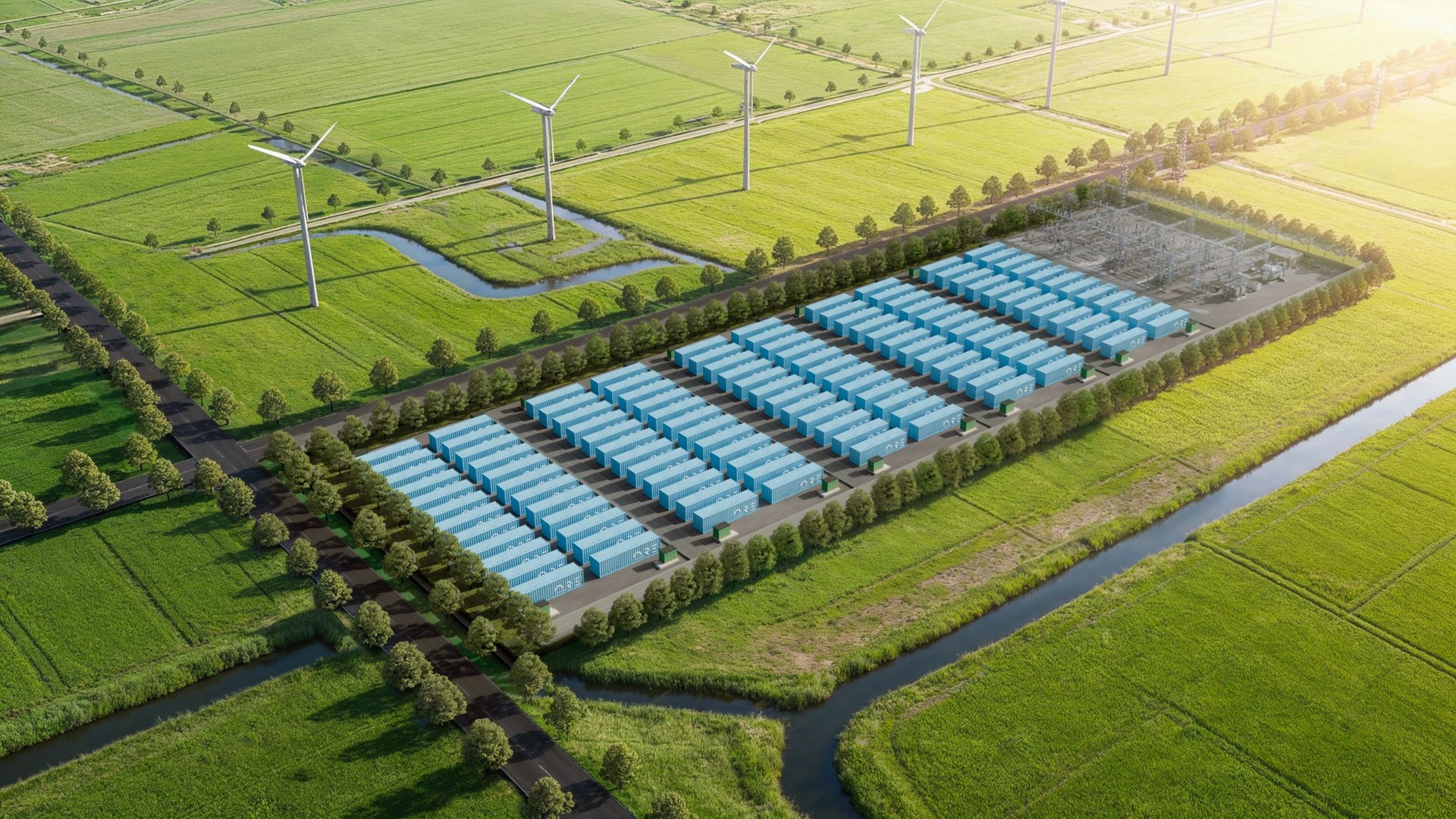
It captures excess electricity when renewable generation is abundant. The stored energy is afterward released during extended periods of low wind or solar output, when power is scarce, expensive, and more likely to come from fossil fuels.
“Our long-duration iron-air batteries are built for exactly that: they capture wind when it blows and make it available when it doesn’t, displacing the gas plants that fill those multi-day gaps today and using a supply chain that Europe controls,” Yilmaz said.
The storage system uses modular 40-foot containers that can be linked together to increase storage capacity. It is non-flammable and compatible with a European supply chain, since it doesn’t rely on lithium or cobalt. “We believe iron-air will become as important for wind as lithium-ion has been for solar,” the CEO added.
Closing the gaps
Once deployed, the Budget Thuis system will work as a multi-day energy storage asset connected to the Dutch electricity grid. According to both companies, the technology is specifically designed to address the long-duration reliability gap.
By storing renewable electricity over several days, the system can stabilize power markets and reduce exposure to volatile fossil fuel prices. “Delivering affordable, reliable energy to our customers is at the core of what we do, and multi-day storage gives us a way to store clean electricity when it is abundant and deliver it when it is most valuable,” Annemarie Buitelaar, Budget Thuis CEO, disclosed.
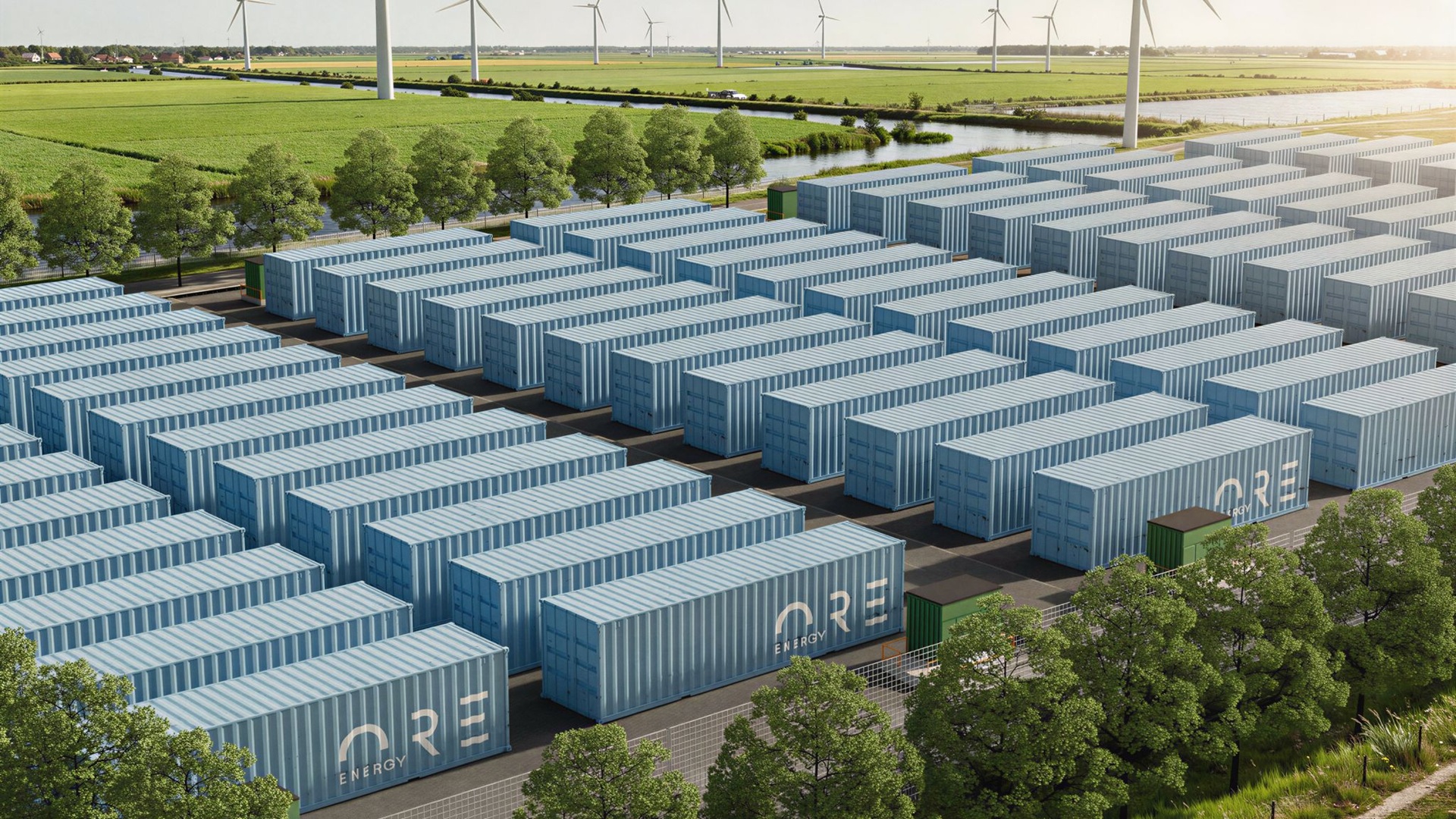
The deal follows previous demonstrations of Ore Energy’s technology under real-world grid conditions. Earlier this year, the firm completed a grid-connected pilot project at EDF in France, which stored and discharged electricity for up to four days. The company had also deployed a grid-connected installation in Delft.
“For us, this is about reducing exposure to volatile fossil fuel prices while giving customers access to cleaner and more predictable electricity over time,” Buitelaar concluded in a press release. “Ore Energy has demonstrated the technology and has the expertise to deploy it, which is why we are committing to 1 GWh across our portfolio, starting with a 400 MWh first phase.”
Recommended Articles

Get the latest in engineering, tech, space & science - delivered daily to your inbox.
Based in Skopje, North Macedonia. Her work has appeared in Daily Mail, Mirror, Daily Star, Yahoo, NationalWorld, Newsweek, Press Gazette and others. She covers stories on batteries, wind energy, sustainable shipping and new discoveries. When she's not chasing the next big science story, she's traveling, exploring new cultures, or enjoying good food with even better wine.