


The platform is prioritizing real artists with sustained listener engagement while limiting AI persona profiles.
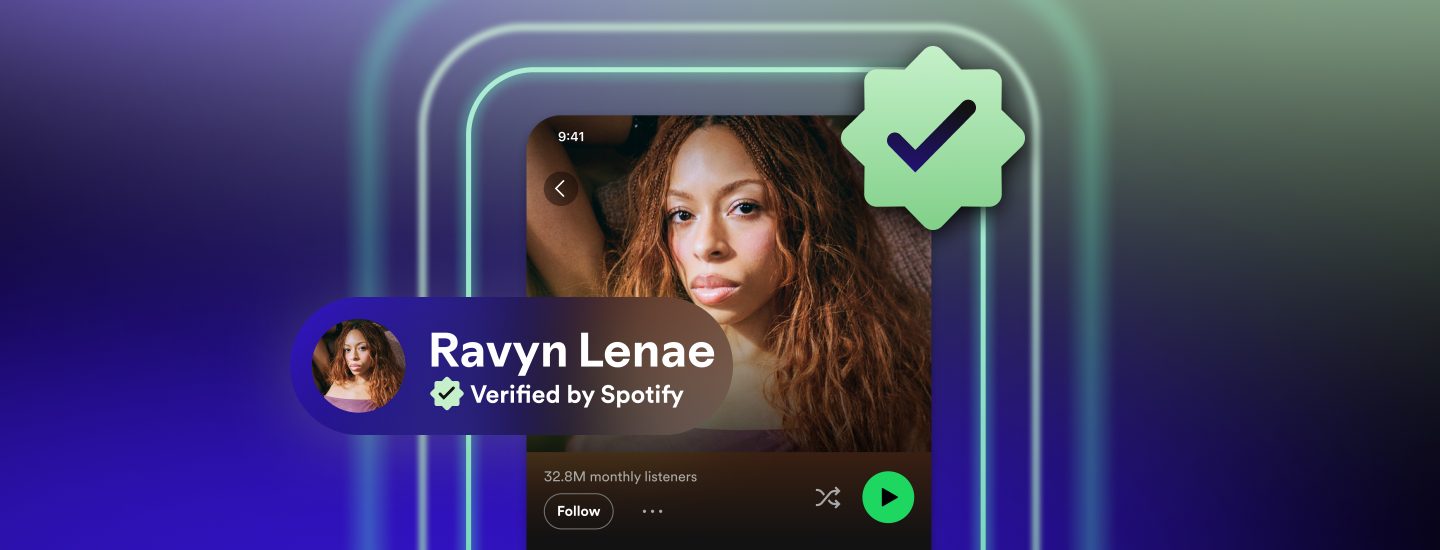
Spotify is rolling out a new verification system aimed at strengthening trust in the age of AI-generated music. The company announced a “Verified by Spotify” badge alongside new artist transparency features designed to give listeners more context about who they are hearing.
The move comes as artificial intelligence reshapes music creation and distribution. Spotify says the update will help users better understand artist authenticity and activity across the platform.
Verified badge explained
Spotify’s new badge will appear on artist profiles and in search results. It signals that an artist has passed the platform’s authenticity checks.
The company said the badge confirms a profile has been reviewed and meets its standards for trust. It also introduces Artist Profile Protection, currently in beta, which gives musicians more control over their profiles.
Spotify outlined the criteria for verification. Artists must show consistent listener engagement over time, not just viral spikes. They must also follow platform policies and demonstrate a real-world presence, such as concerts, merchandise, or linked social accounts.
The company stated: “At launch, profiles that appear to primarily represent AI-generated or AI-persona artists are not eligible for verification.” It added that authenticity standards will continue to evolve with the music landscape.
Human review plays a key role in the process. Spotify says it combines automated signals with manual checks to identify genuine artists acting in good faith.
Rolling out gradually
Spotify will introduce the badge over the coming weeks. The rollout will happen in phases due to the scale of its artist base.
The company noted: “Because Spotify is home to millions of uploaders and artist profiles, reviews and verification will happen on an ongoing basis to ensure accuracy and consistency.”
At launch, Spotify claims more than 99% of frequently searched artists will carry the badge. That includes hundreds of thousands of creators, most of them independent.
The platform emphasized its focus on artists with active fan engagement or cultural significance. It deprioritizes “functional music creators and content farms” designed for passive listening.
Spotify clarified that missing a badge does not mean an artist is ineligible. Profiles may still receive verification later as reviews continue.
Alongside verification, Spotify is testing a new artist information panel. This section will appear across all profiles, regardless of verification status.
It will highlight career milestones, release patterns, and touring activity. The company aims to provide a quick snapshot of an artist’s presence and evolution.
Spotify compared the feature to food labeling. It said: “Much like nutrition facts offer a quick, reliable snapshot on what’s inside packaged food, these details—based on Spotify’s platform data—give meaningful signals of an artist’s authentic activity on Spotify, even for those who haven’t yet met our Verified by Spotify criteria.”
The feature will appear in the About section on mobile. Users can also access it by tapping the verification banner.
Together, the badge and new data tools reflect Spotify’s broader push toward transparency. As AI-generated music grows, the platform is trying to draw clearer lines between human artists and synthetic content.

Get the latest in engineering, tech, space & science - delivered daily to your inbox.
Aamir is a seasoned tech journalist with experience at Exhibit Magazine, Republic World, and PR Newswire. With a deep love for all things tech and science, he has spent years decoding the latest innovations and exploring how they shape industries, lifestyles, and the future of humanity.