





Aviation is entering a strange but exciting phase.
For decades, most passenger aircraft have followed the same basic design: a long tube, two wings, and engines under the wings. But that may not remain the case forever.
A new generation of aircraft is progressing at different speeds, ranging from early research concepts to full-scale flight demonstrators. Some are focused on cutting fuel burn. Others are built around electric propulsion, hydrogen, or completely new aircraft shapes.
Not all of them will enter service quickly. Some may arrive by the late 2020s, while others may take until the 2030s or even later. But all of them show where the future of aviation could be heading.
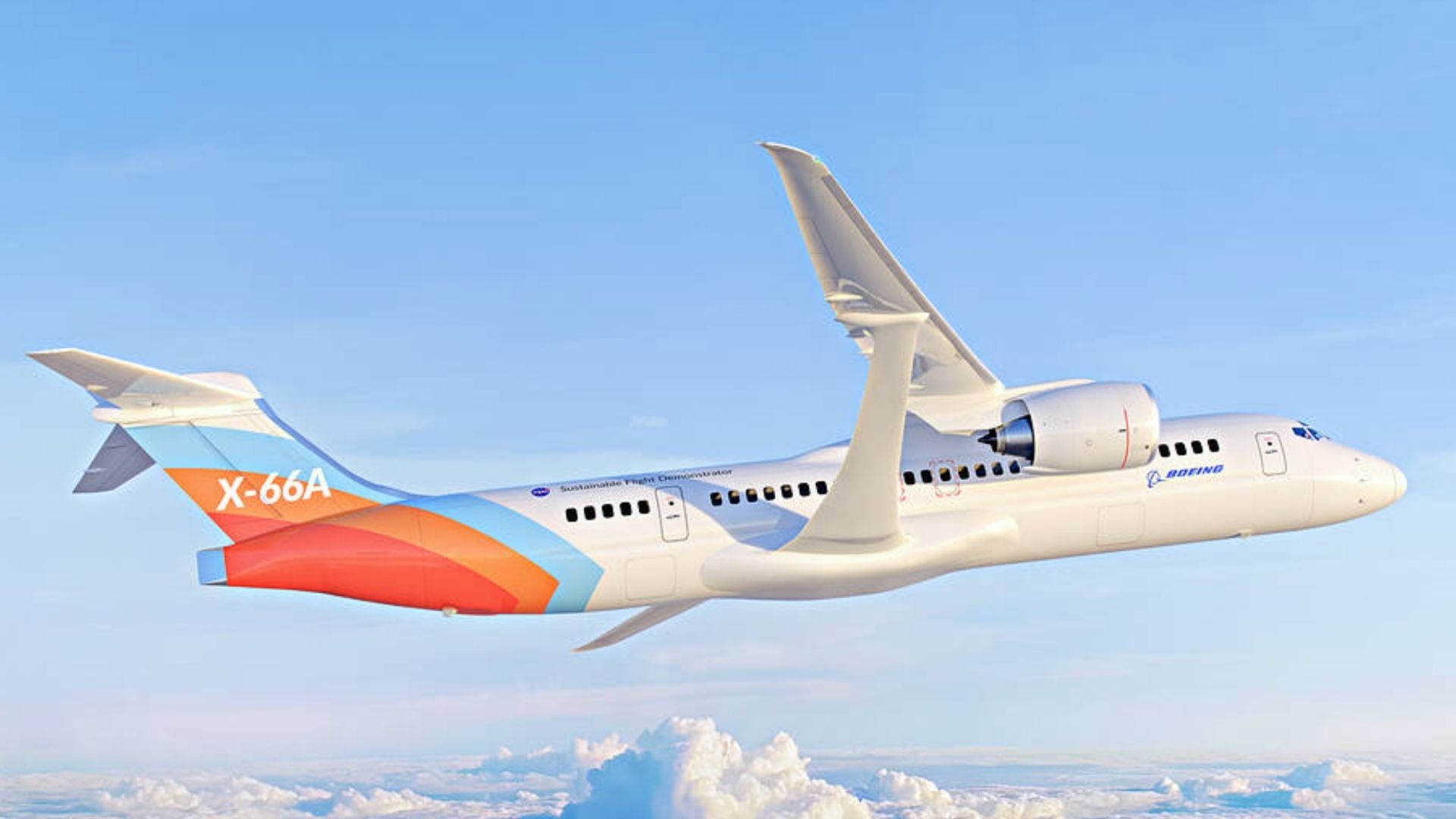
Boeing’s X-66A is not a normal passenger plane. It is a NASA-backed demonstrator designed to test a new wing concept.
The aircraft uses an ultra-long, thin wing supported by diagonal trusses. This design is called the Transonic Truss-Braced Wing. The idea is simple: longer and thinner wings can reduce drag, but they need extra support to remain strong.
NASA and Boeing expect the design to cut fuel burn by around 8–10% compared with the best single-aisle jets available today. The first flight is planned for 2028.
If the technology works, it could influence the next generation of 130- to 210-seat aircraft in the early-to-mid 2030s.
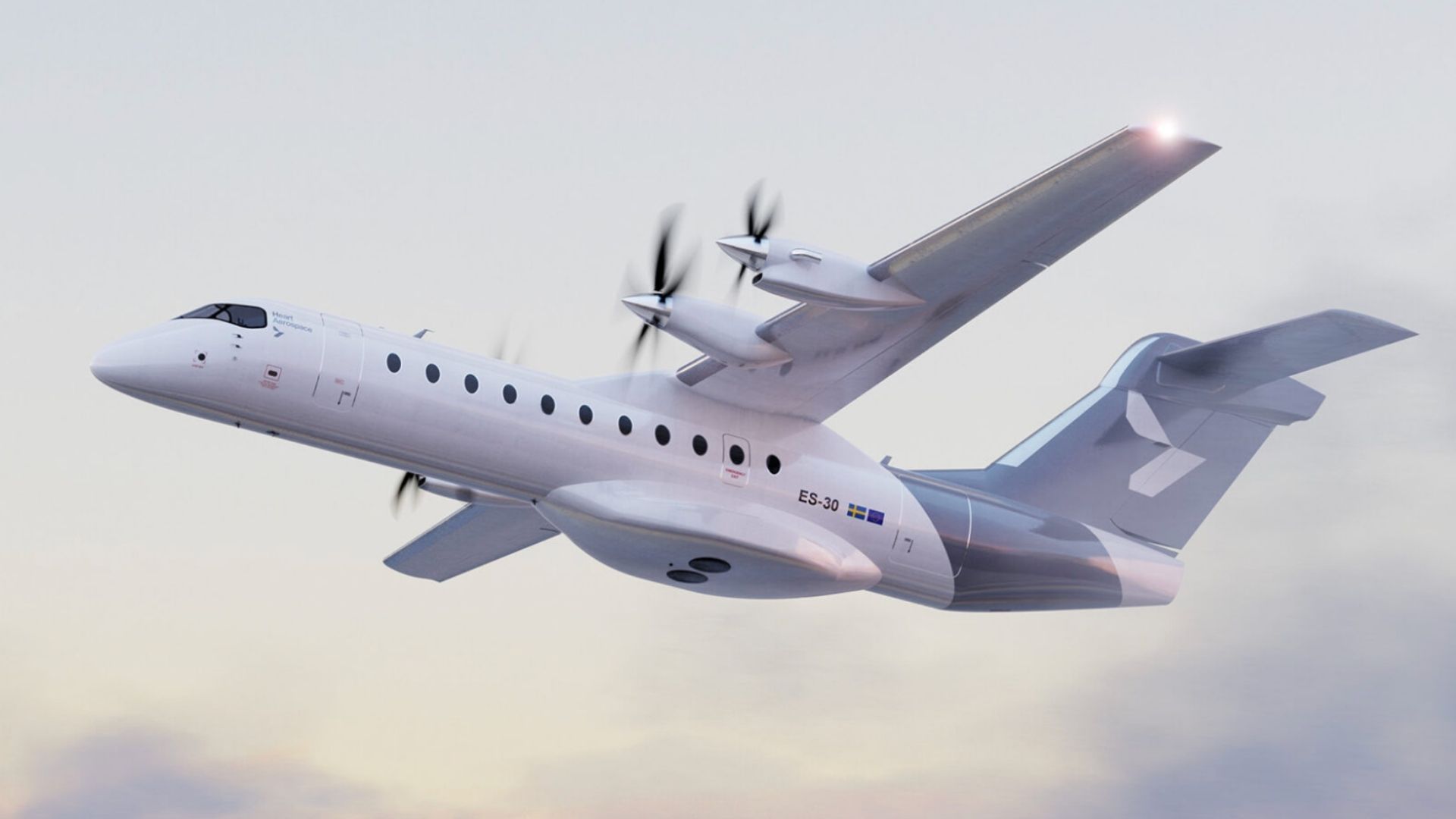
The Heart Aerospace ES-30 is one of the more practical aircraft on this list.
It is a 30-seat hybrid-electric regional aircraft designed for short routes. On battery power alone, it can fly up to 124 miles (200 kilometers) with zero emissions.
In hybrid mode, its range can increase to around 249 miles (400 kilometers) with a full passenger load, or up to 497 miles (800 kilometers) with fewer passengers and reserves.
This makes it useful for short regional flights where fully electric aircraft may still struggle because of battery limitations.
Heart Aerospace is targeting entry into service around 2028. Airlines such as Air Canada, United, and Mesa have already shown interest through orders.
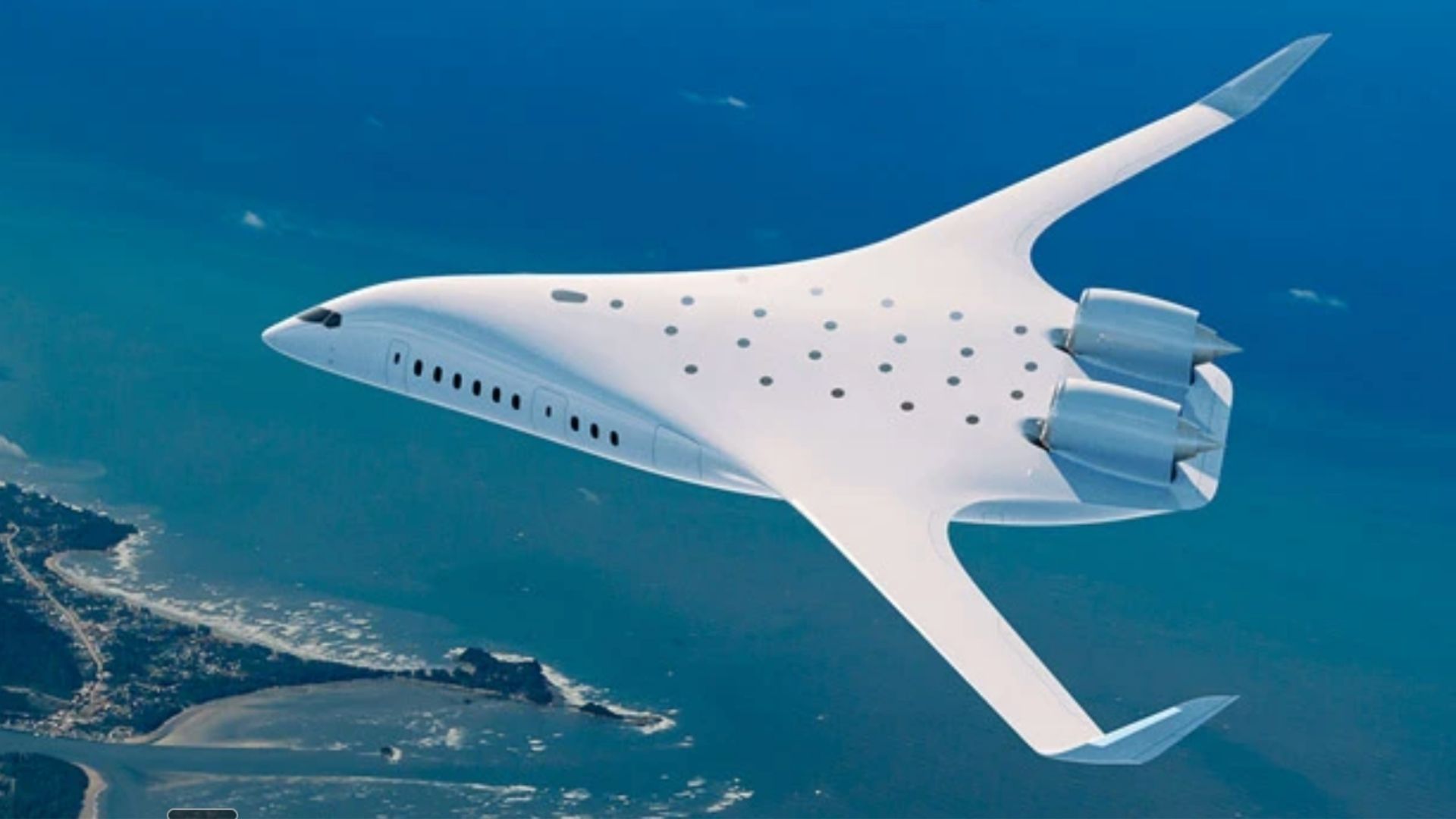
JetZero is developing one of the most radical aircraft designs on this list.
The California-based startup is working on a blended-wing-body aircraft, where the wings and fuselage are merged into one large lifting surface. Instead of looking like a traditional tube-and-wing airliner, the aircraft has a much wider, flatter shape.
The main advantage is efficiency. Since more of the aircraft helps generate lift, the design can reduce drag and burn less fuel. JetZero claims its Z4 aircraft could cut fuel burn and emissions by up to 50% compared with similar aircraft flying today.
The 250-passenger Z4 is expected to have a range of roughly 5,754 miles (9,260 kilometers).
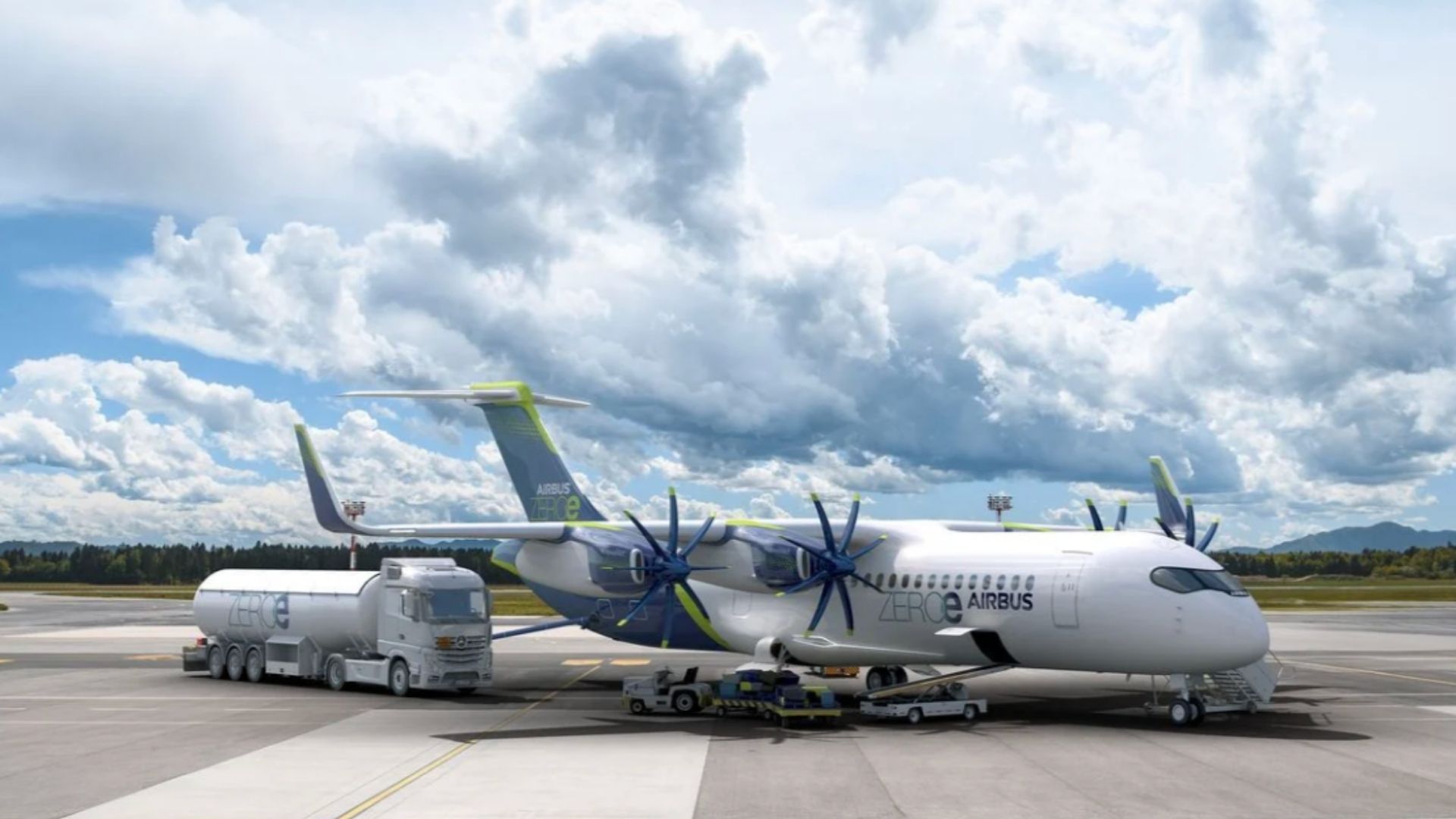
Airbus’s ZEROe program is one of the biggest attempts to bring hydrogen-powered aircraft into commercial aviation.
The original goal was to introduce a hydrogen aircraft around 2035, but the timeline now appears more likely to move toward the late 2030s or around 2040.
Early concepts included hydrogen turbofan aircraft, turboprops, and even a blended-wing-body design. Airbus has since focused more on fuel-cell-driven electric propulsion, where hydrogen is used to generate electricity for propellers.
If successful, ZEROe could become one of the world’s first large zero-emission commercial aircraft.
Bombardier’s EcoJet is a futuristic business jet research project.
Like JetZero’s aircraft, it uses a blended-wing-body design to improve efficiency. Bombardier says the project could help cut emissions by as much as 50% compared with today’s business jets.
The company has already been testing an autonomous demonstrator with an 18-foot wingspan. The goal is to study aerodynamics, structures, and systems before applying the lessons to future aircraft.
There is no firm service date yet, but Bombardier sees EcoJet as a step toward the future of low-carbon business aviation.
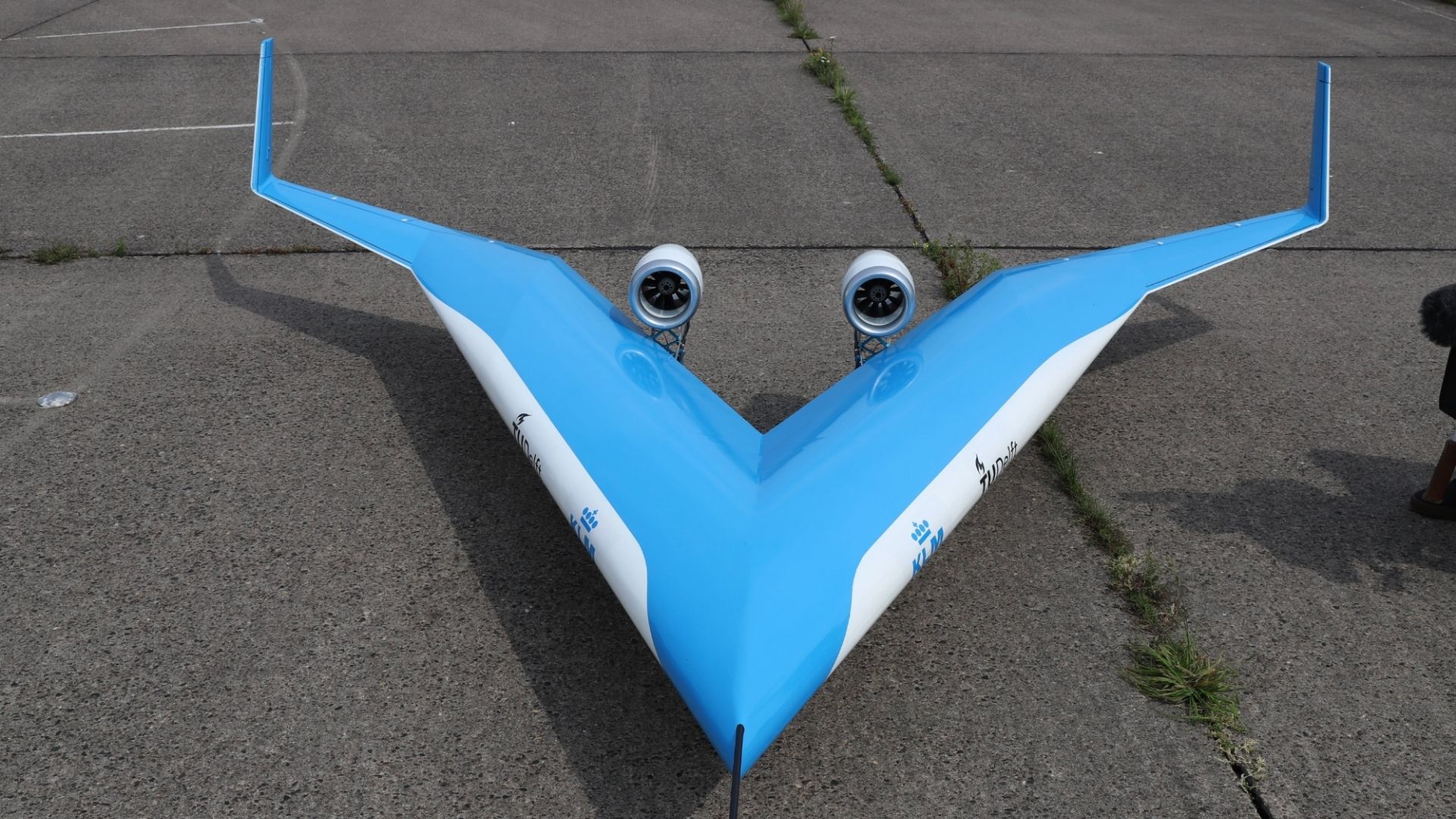
The Flying-V is one of the strangest-looking aircraft concepts in development.
Created by KLM and TU Delft, the aircraft has a V-shaped design where passengers, cargo, and fuel are all placed inside the wings. It is designed to carry about the same number of passengers as an Airbus A350 while using around 20% less fuel.
A small-scale model has already completed its first flight. However, this is still a long-term project. Researchers believe a commercial Flying-V would not carry passengers before around 2040 at the earliest.
Eviation’s Alice is a fully electric commuter aircraft designed to carry nine passengers.
It completed its maiden flight in 2022 and showed how quiet, clean short-range electric aviation could look.
However, battery limitations have made the project difficult. Its expected range has been reduced to around 288 miles (463 kilometers), and entry into service has been delayed several times.
The project was also paused in 2025. Still, if the company can solve its funding and technology challenges, Alice, or an aircraft inspired by it, could become one of the first fully electric commuter planes to enter commercial service.
Taken together, these seven projects show that the future of flight is not a single silver bullet, but a portfolio of electric, hybrid, hydrogen, and radically aerodynamic designs converging on the same goal – drastically lower emissions and noise without giving up speed or range.

Get the latest in engineering, tech, space & science - delivered daily to your inbox.
Atharva is a full-time content writer with a post-graduate degree in media & amp; entertainment and a graduate degree in electronics & telecommunications. He has written in the sports and technology domains respectively. In his leisure time, Atharva loves learning about digital marketing and watching soccer matches. His main goal behind joining Interesting Engineering is to learn more about how the recent technological advancements are helping human beings on both societal and individual levels in their daily lives.
此内容由惯性聚合(RSS阅读器)自动聚合整理,仅供阅读参考。 原文来自 — 版权归原作者所有。