




The propulsion system integrates digital inspection tools to improve production accuracy and speed.

US aircraft engine supplier GE Aerospace has cleared the XA102 adaptive cycle engine for assembly before it is integrated into the sixth-generation Boeing F-47 fighter jet.
The Ohio-based company announced the successful completion of the Assembly Readiness Review (ARR) on May 11, 2026. This is a formal technical checkpoint under the US Air Force’s Next Generation Adaptive Propulsion (NGAP) program.
The review confirmed that the engine’s design, manufacturing process, as well as supply chain are progressing on schedule ahead of the next development phase later this year.
“With the completion of the Assembly Readiness Review, we are demonstrating the maturity of our XA102 engine design and the strength of our digital-first approach to developing next-generation propulsion systems,” Steve ‘Doogie’ Russel, vice president and general manager of Edison Works at the firm, stated.
XA102 engine cleared
According to GE Aerospace, the adaptive cycle XA102 engine is expected to meet the demands of future combat aircraft operating in active war zones. It features a three-stream adaptive cycle design. The system can direct air to the bypass third stream to improve fuel efficiency and cooling. Alternatively, it can route air to the core and fan streams for extra thrust and performance.
While the company hasn’t disclosed the engine thrust, it is expected to be in the 35,000 to 40,000 pound-force (156 to 178 kilonewton) thrust class. What’s more, the propulsion system is projected to improve range, thermal management, and survivability. It is also designed to support increasingly power-hungry onboard electronics, sensors, and advanced weapons.
Apart from its three-stream adaptive cycle design, the engine also uses new heat-resistant materials, like ceramic matrix composites (CMC). As a result, the turbine can run at higher temperatures. They also boost the overall performance.
Moreover, the engine was developed using a fully digital process. Instead of using traditional two-dimensional (2D) engineering drawings, GE Aerospace engineers used a model-based definition framework. They integrated digital manufacturing and inspection processes into a single system.
Ready for assembly
Russel underscored the importance of the company’s digital approach. “Our use of a fully integrated digital engine model, which spans design, manufacturing, and inspection, positions us to deliver advanced capability faster and with greater precision for the warfighter,” he continued in a press release.
Meanwhile, all demonstrations tied to the first phase of the model-based engine program have now been successfully completed. The NGAP is considered one of the Air Force’s most important propulsion efforts. It is aimed at producing future fighter aircraft with longer operational range and better endurance.
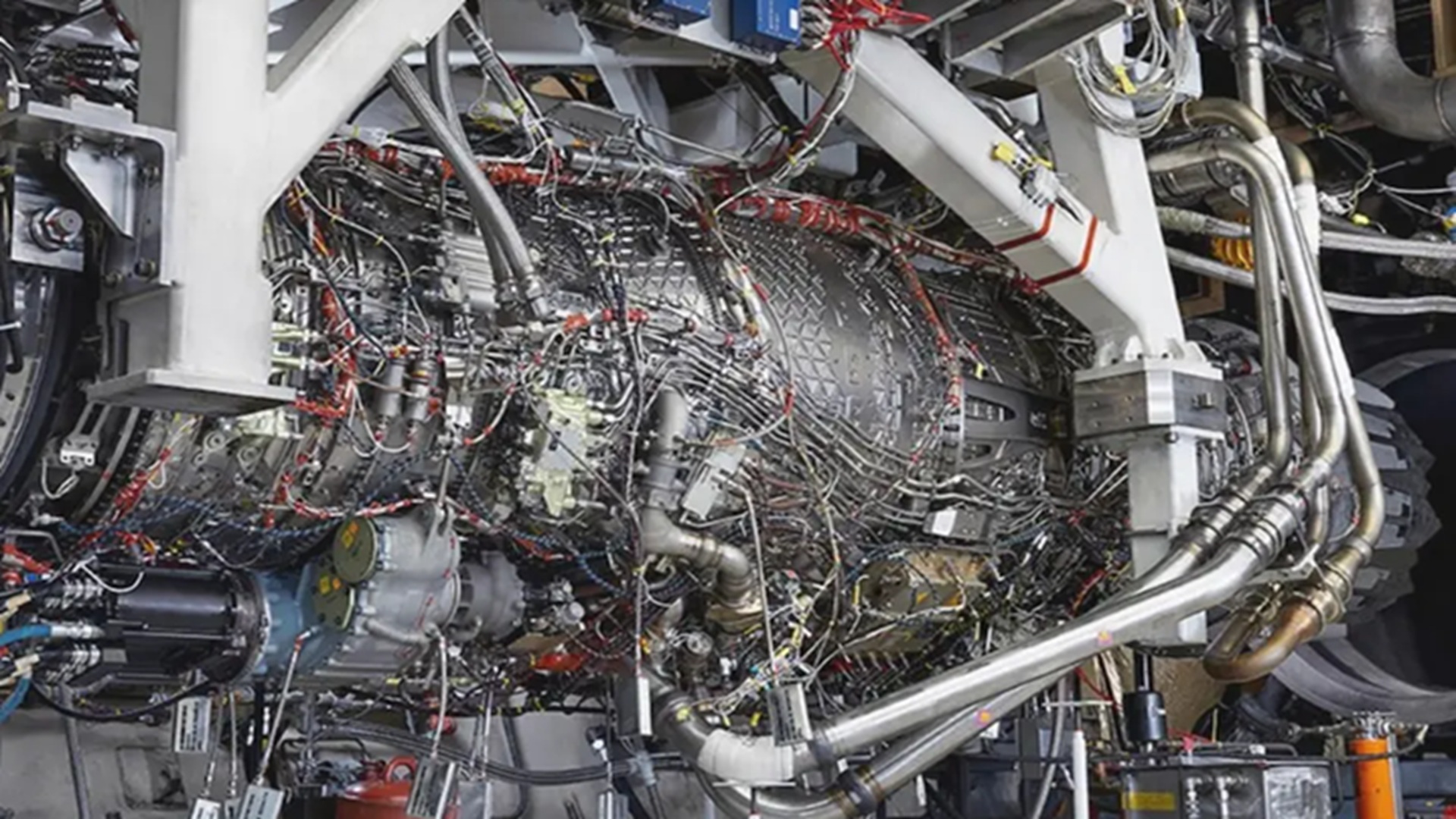
The adaptive cycle technology builds on more than a century of work with the US military. The earlier XA100 engine completed several successful test rounds, while the XA102 is set to reflect the future of aircraft propulsion.
According to the company, the critical design review of the XA102 was finalized in December 2023. Flight testing is set to begin in the late 2020s. “GE Aerospace is a global aerospace propulsion, services, and systems leader with an installed base of approximately 50,000 commercial and 30,000 military aircraft engines,” the firm concluded.

Get the latest in engineering, tech, space & science - delivered daily to your inbox.
Based in Skopje, North Macedonia. Her work has appeared in Daily Mail, Mirror, Daily Star, Yahoo, NationalWorld, Newsweek, Press Gazette and others. She covers stories on batteries, wind energy, sustainable shipping and new discoveries. When she's not chasing the next big science story, she's traveling, exploring new cultures, or enjoying good food with even better wine.