








In the dark tunnels of an active mine near Timmins, Ontario, something extraordinary is leaking out of the Earth. It isn’t toxic gas, but pure energy.
For the first time, geochemists have captured and measured sustained bursts of “white hydrogen” emanating directly from billion-year-old rock formations.
The discovery was led by researchers at the University of Toronto and the University of Ottawa. It could help towards the global clean energy transition.
Researchers discovered that the site’s 15,000 boreholes could naturally discharge over 140 tonnes of hydrogen annually — enough to sustain the yearly energy needs of more than 400 households.
“Such discharges could provide 4.7 million kilowatts of energy per year from a single location – enough to support the annual energy needs of over 400 households,” the researchers noted.
The world already runs on a $135-billion hydrogen economy. The gas is used to forge steel, create methanol, and produce the massive quantities of fertilizer needed to feed the global population.
But here is a thing. Nearly all industrial hydrogen is currently produced by stripping it from fossil fuels like coal and natural gas, a process that emits devastating amounts of carbon dioxide into the atmosphere.
Even “green hydrogen,” made by splitting water using renewable energy, requires massive amounts of electricity, complex infrastructure, and expensive long-distance transport.
White hydrogen could solve this, as it is manufactured by the planet itself.
“The data from this study suggests there are critical untapped opportunities to access a domestic source of cost-effective energy produced from the rocks beneath our feet,” said University Professor Barbara Sherwood Lollar in the Department of Earth Sciences in the Faculty of Arts & Science at the University of Toronto.
“What’s more, this provides a ‘made in Canada’ resource that might be able to support local and regional industry hubs and reduce their dependence on importing hydrocarbon-based fuels,” the lead author added.
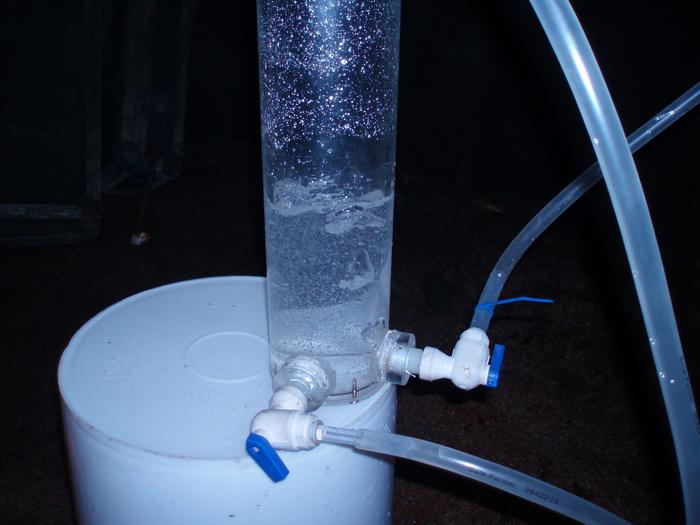
Scientists monitored individual boreholes drilled deep into the Canadian Shield.
And discovered that a single hole discharges an average of eight kilograms of hydrogen per year. Notably, it weighs roughly as much as a standard car battery. It doesn’t stop. The gas keeps flowing steadily for a decade or more.
“Natural hydrogen is produced over time through underground chemical reactions between rocks and the groundwaters in those rocks,” said Sherwood Lollar.
The geological jackpot of white hydrogen is that it forms through ancient chemical reactions between water and specific minerals.
In Canada, those minerals sit in the same rock formations where miners already dig for copper, nickel, and diamonds, or explore for critical green transition metals like lithium and cobalt.
In short, the energy is already exactly where the heavy industry needs it.
Instead of building multi-billion-dollar pipelines to move hydrogen across the country, mining companies could theoretically tap the rock beneath their own boots to power their operations.
This study provides the first concrete, measured data of large volumes of natural hydrogen discharging consistently over multiple years.
It demonstrates that Canada can leverage its unique geology, particularly in existing mining regions such as Northern Ontario, Quebec, Nunavut, and the Northwest Territories.
“Canada is blessed that vast amounts of its territories, especially on the Canadian Shield, contain the right rocks and minerals to create this natural hydrogen,” Lollar added.
It could provide a cheaper, cleaner alternative to hydrocarbon-based industrial hydrogen.
The findings were published in the Proceedings of the National Academy of Sciences on May 18.

Get the latest in engineering, tech, space & science - delivered daily to your inbox.
Mrigakshi is a science journalist who enjoys writing about space exploration, biology, and technological innovations. Her work has been featured in well-known publications including Nature India, Supercluster, The Weather Channel and Astronomy magazine. If you have pitches in mind, please do not hesitate to email her.
此内容由惯性聚合(RSS阅读器)自动聚合整理,仅供阅读参考。 原文来自 — 版权归原作者所有。