







Natural disasters are usually remembered for the destruction they leave behind. But some disasters do more than destroy cities, villages, or coastlines. They change the direction of history.
Across centuries, earthquakes, floods, eruptions, and storms have weakened empires, stopped invasions, changed belief systems, and forced societies to rethink how they build and survive.
Here are five of the deadliest natural disasters that changed human civilization.
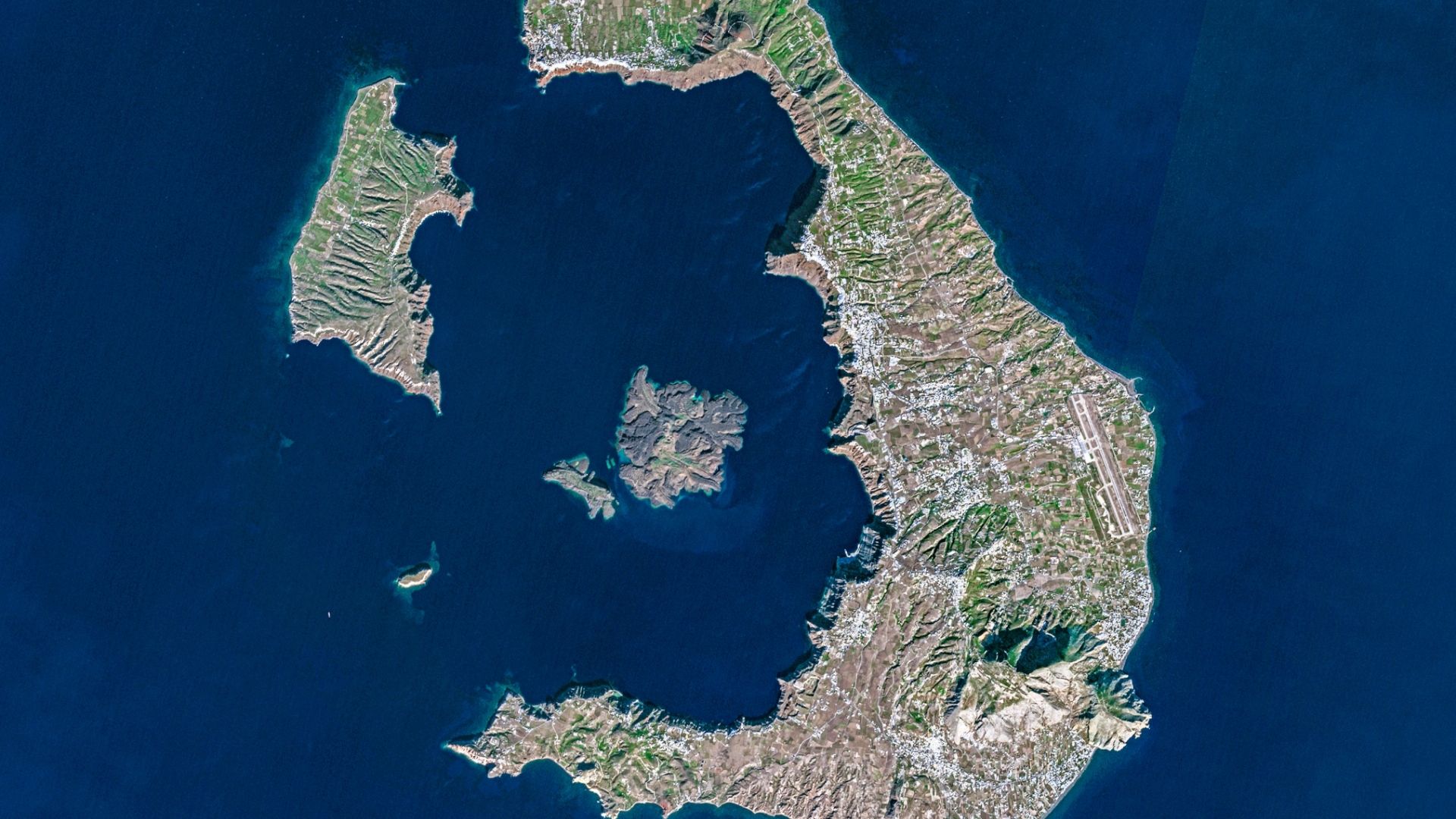
Around 1600 B.C., a massive volcanic eruption struck Thera, now known as Santorini in Greece.
The eruption was one of the most powerful volcanic events of the ancient world. It sent ash into the sky, buried settlements, and triggered tsunamis across the Aegean Sea. One of the societies most affected was the Minoan civilization, based on Crete.
The Minoans were among the most advanced people in the ancient Mediterranean. They had large palaces, strong trade routes, and a powerful seafaring culture. But the eruption disrupted their economy and weakened their influence.
The disaster did not destroy the Minoans in one moment. However, it likely accelerated their decline and helped shift power toward the Mycenaeans. Some scholars have also linked the event to later stories about Atlantis, the lost island civilization described by Plato.
In the 13th century, the Mongol Empire was one of the most powerful forces in the world. After conquering large parts of Asia and Europe, the Mongols turned toward Japan.
They launched two major invasions, first in 1274 and again in 1281. Both campaigns involved large naval fleets carrying troops across the sea.
But both invasions were struck by massive typhoons. The storms destroyed many Mongol ships and scattered the invading forces before they could take control.
In Japan, these storms became known as kamikaze, or “divine winds.” They helped preserve Japan’s independence and stopped Mongol expansion further east.
The storms also became an important part of Japanese memory, reinforcing the belief that the country was protected by divine forces.
The 1556 Shaanxi earthquake remains the deadliest earthquake in recorded history.
It struck China during the Ming Dynasty and killed an estimated 830,000 people. The death toll was so high partly because many people lived in cave dwellings carved into soft loess soil. When the earthquake hit, these homes collapsed almost instantly.
The disaster destroyed villages, farmland, roads, and local administrative systems. Entire communities were wiped out.
The earthquake showed that the impact of a disaster depends not only on nature’s force but also on how people live. It pushed later discussions around safer buildings, better settlement planning, and disaster response.
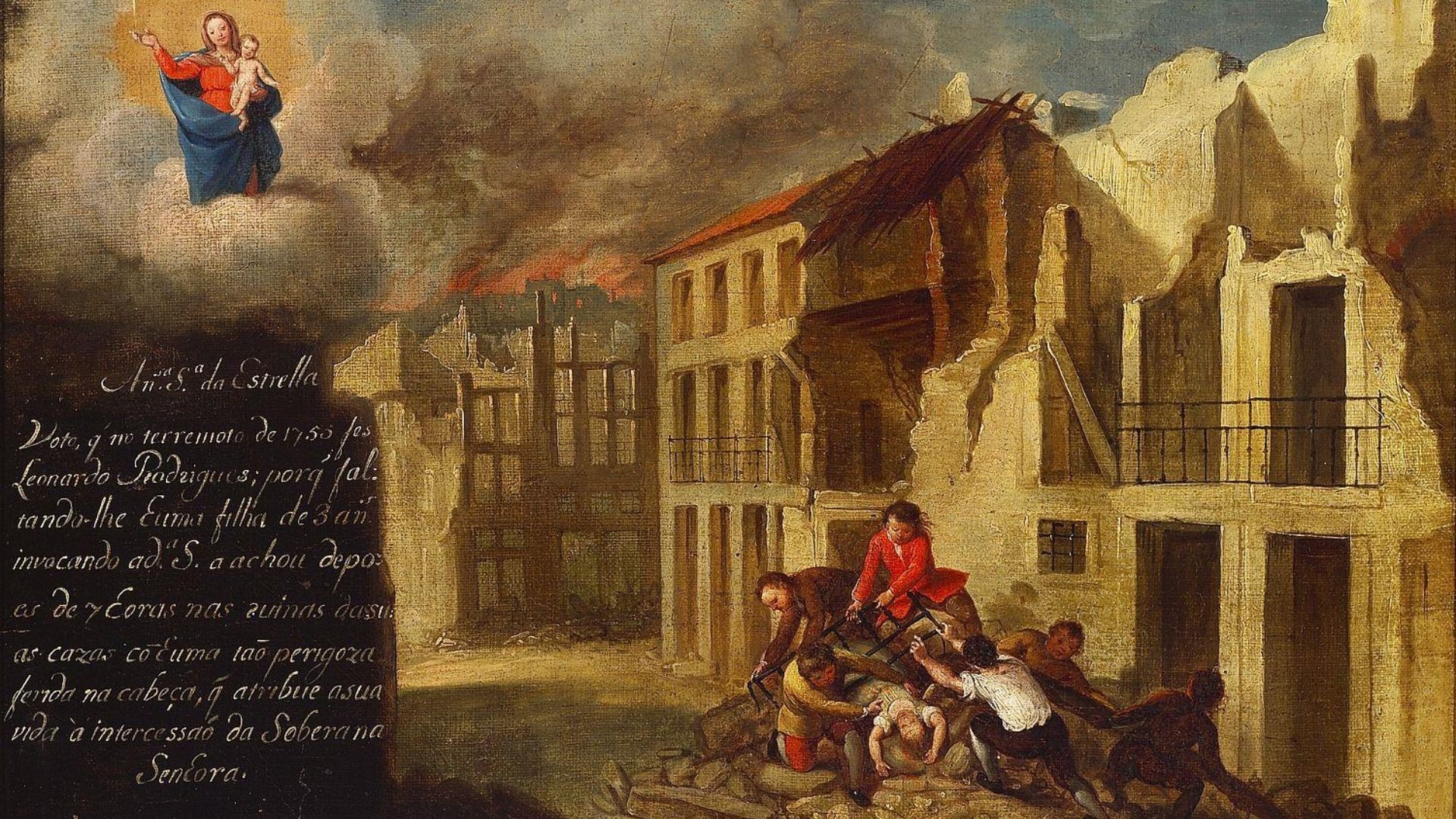
On November 1, 1755, a massive earthquake struck Lisbon, Portugal. It happened on All Saints’ Day, when many people were inside churches.
The earthquake was followed by a tsunami and fires that destroyed much of the city. Tens of thousands were killed, with some estimates reaching up to 100,000.
But the disaster did not only reshape Lisbon. It changed European thinking.
At the time, many people saw disasters mainly as acts of divine punishment. Lisbon’s destruction forced philosophers, scientists, and leaders to ask new questions. Could earthquakes be studied? Could cities be built to survive them?
The event influenced Enlightenment thinkers such as Voltaire and helped push early ideas in seismology. Lisbon was later rebuilt with stronger planning and more resilient design.
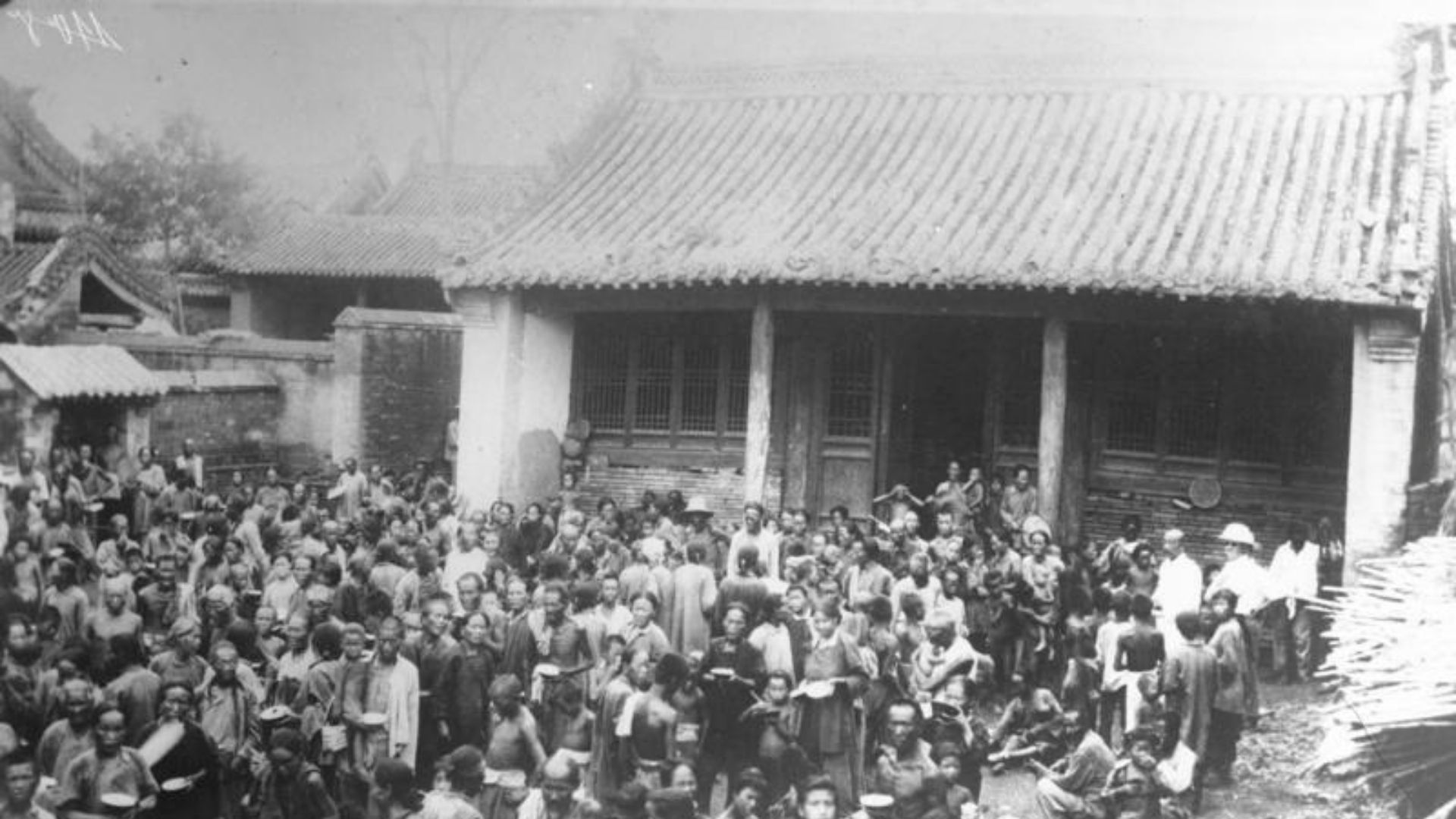
The 1931 China floods are among the deadliest natural disasters in human history.
They were caused by heavy snowmelt, extreme rainfall, and overflowing rivers, including the Yangtze and Huai. Vast areas of China were submerged.
The disaster killed an estimated 1 million to 4 million people through drowning, famine, disease, and the collapse of basic services. Crops were destroyed, communities were displaced, and cities and villages remained underwater for long periods.
The floods forced China to rethink flood-control policies, river management, urban planning, and agriculture. They showed how deadly extreme weather can be when it meets densely populated areas and weak infrastructure.
History shows that natural disasters are never just moments of destruction. Their impact depends on how societies prepare, respond, rebuild, and learn from what went wrong.
In many cases, the real legacy of a disaster is not the damage it causes, but the changes it forces into the future.

Get the latest in engineering, tech, space & science - delivered daily to your inbox.
Atharva is a full-time content writer with a post-graduate degree in media & amp; entertainment and a graduate degree in electronics & telecommunications. He has written in the sports and technology domains respectively. In his leisure time, Atharva loves learning about digital marketing and watching soccer matches. His main goal behind joining Interesting Engineering is to learn more about how the recent technological advancements are helping human beings on both societal and individual levels in their daily lives.
此内容由惯性聚合(RSS阅读器)自动聚合整理,仅供阅读参考。 原文来自 — 版权归原作者所有。