





German engineers have tested aircraft wings that physically change shape during flight, even during disturbances, to match changing conditions and make aircrafts more efficient, safer and easier to control.
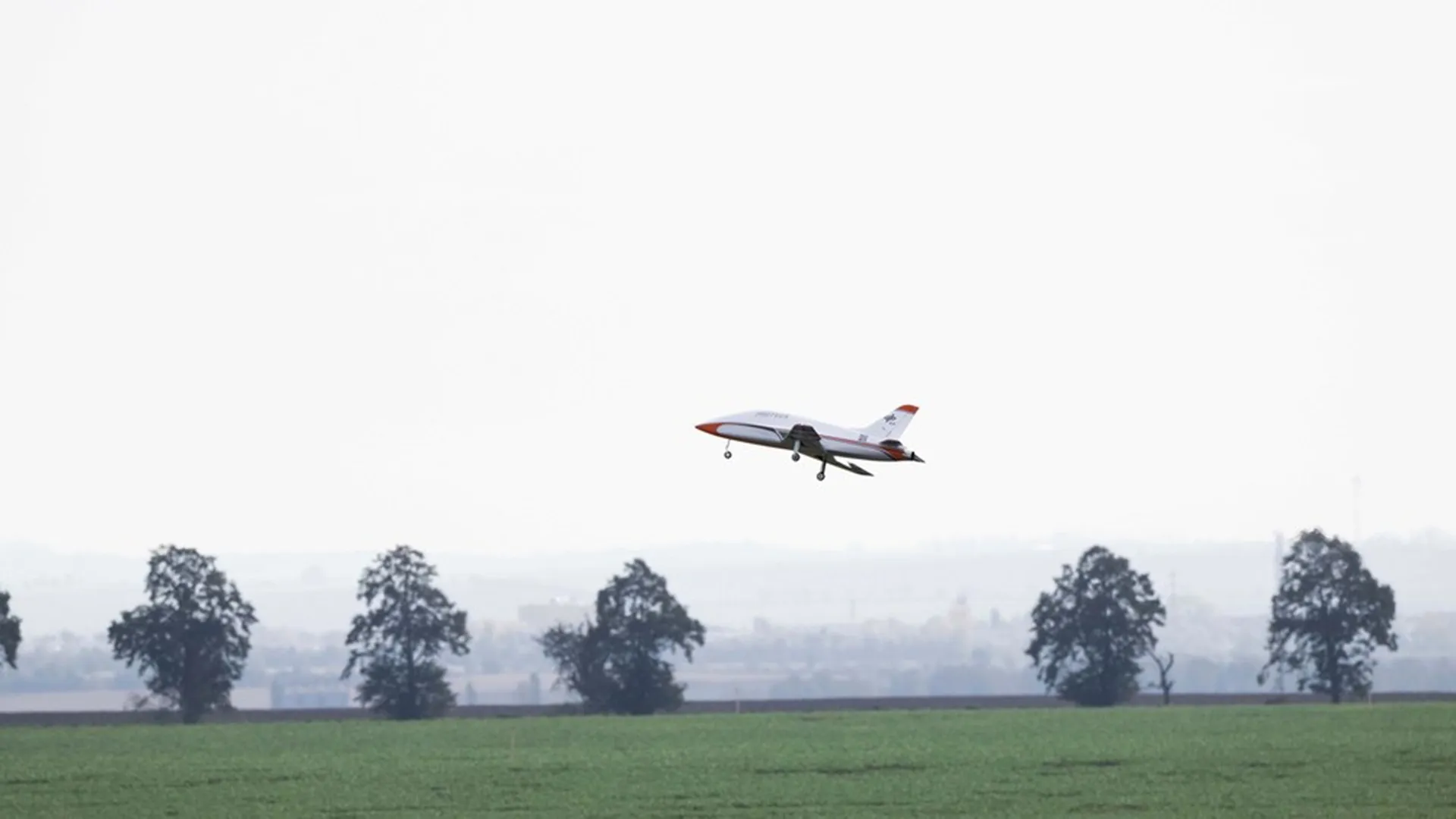
The German Aerospace Center (DLR), one of the largest engineering and science research institutions in Europe, tested the system with its uncrewed experimental aircraft PROTEUS earlier in April, 2026.
For the project, called morphAIR, the scientists equipped the PROTEUS with both a conventional, as well as a morphing set of wings. The trials were carried out at the National Experimental Test Center for Unmanned Aircraft Systems.
“The morphing wing can change its shape during flight, allowing it to adapt optimally to different flight conditions,” Martin Radestock from the DLR Institute of Lightweight Systems, pointed out.
The project focuses on developing wings that can adapt their shape continuously in the air. To address this issue, the scientists designed wing sets made entirely of fiber-reinforced composites.
Meanwhile, the morphing wing pair has a flexible trailing edge section, which is enabled by a Hyperelastic Trailing Edge Morphing system (HyTEM). It allows the wing to deform seamlessly and without steps.
It moreover makes it possible for the wings to respond dynamically to turbulence, airflow and changing conditions. Radestock stated that HyTEM replaces flaps with several small actuators distributed across the wingspan.
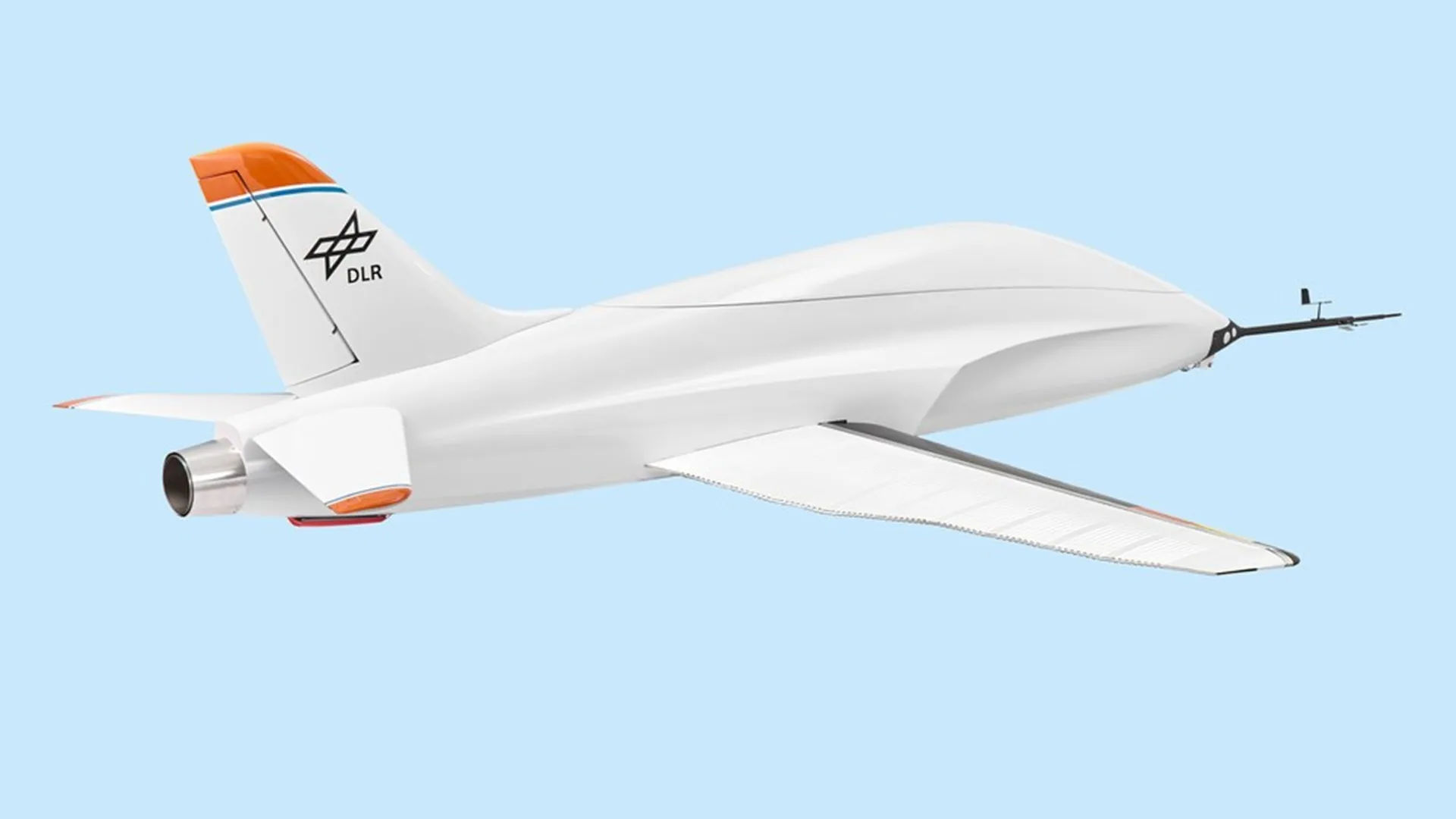
“These can precisely adjust the wing profiles at ten points without creating gaps between sections,” Radestock said, adding that the continuous shape cuts profile drag. “In addition, lift, induced drag and aircraft control can all be influenced in a targeted manner, a major advantage for aerodynamics and flight mechanics.”
Apart from being efficient, the system also improves safety by spreading control across the wings. Simply put, rather than separate moving parts, the entire wing acts as a single adaptive surface.
Paired with an AI-assisted flight control system, the morphing setup can handle complex wing movements and adapt continuously during flight. It is designed to make full use of the unique movement capabilities of the morphing wing.
The system detects when the aircraft behaves differently than expected mid-flight and continuously updates its model. During development, researchers simulated failure scenarios. This allowed the system to learn how to maintain stable flight even when parts of the wing were compromised.
“Unlike conventional flight control systems, this adaptive approach can optimally coordinate the many distributed actuators, making the most of the aerodynamic potential of the morphing structure while also improving fault tolerance,” the DLR team revealed.
The team also developed a method to reconstruct surface pressure distribution using only a small number of sensors. It provided a near-instant image of the aerodynamic state.
The system was able to detect local disturbances, interpret them, and adjust the wing shape accordingly. Sensing, decision-making, as well as physical response were tightly integrated in real time.
Trials confirmed that both conventional and morphing wings could be integrated and flown on the same platform. “The trials primarily served to demonstrate basic airworthiness and system integration, forming an important foundation for further measurement campaigns and investigations,” DLR said in a press release.

Get the latest in engineering, tech, space & science - delivered daily to your inbox.
Based in Skopje, North Macedonia. Her work has appeared in Daily Mail, Mirror, Daily Star, Yahoo, NationalWorld, Newsweek, Press Gazette and others. She covers stories on batteries, wind energy, sustainable shipping and new discoveries. When she's not chasing the next big science story, she's traveling, exploring new cultures, or enjoying good food with even better wine.
此内容由惯性聚合(RSS阅读器)自动聚合整理,仅供阅读参考。 原文来自 — 版权归原作者所有。