





Researchers in the US have recently developed a 3D-printed turbine system that could make small hydropower plants cheaper, faster, and easier to deploy across existing dams.
For the initiative, Cadens, a Wisconsin-based startup that specializes in low-cost, high-efficiency turbines, partnered with the Manufacturing Demonstration Facility at Oak Ridge National Laboratory (ORNL) in Tennessee.
The engineers developed durable 3D-printed turbines and other key hydropower plant components that can operate continuously in harsh water conditions for years. They are certain that the approach could expand the US’ hydropower potential and cut existing barriers to harnessing energy.
“Additive manufacturing enables rapid, customized and affordable production of components for low-head micro-hydropower systems, significantly reducing barriers to harnessing energy,” the researchers said.
Low-head micro hydropower systems can generate up to 100 kilowatts (kW) of electricity at smaller dams and waterways. The US has nearly 90,000 dams, and less than three percent currently produce electricity.
At the same time, data suggests that 51,000 sites across the nation could support micro hydropower generation. The U.S. holds approximately 29 gigawatts (GW) of untapped hydropower potential across these sites. Yet, the high cost of building customized turbines and infrastructure for each location has made the projects financially impractical.
To address the challenge, the research team turned to additive manufacturing. The engineers used massive polyvinyl chloride (PVC) pipes as the main waterway and produced custom turbine components through 3D printing. This allowed them to rapidly tailor parts to site-specific dimensions.
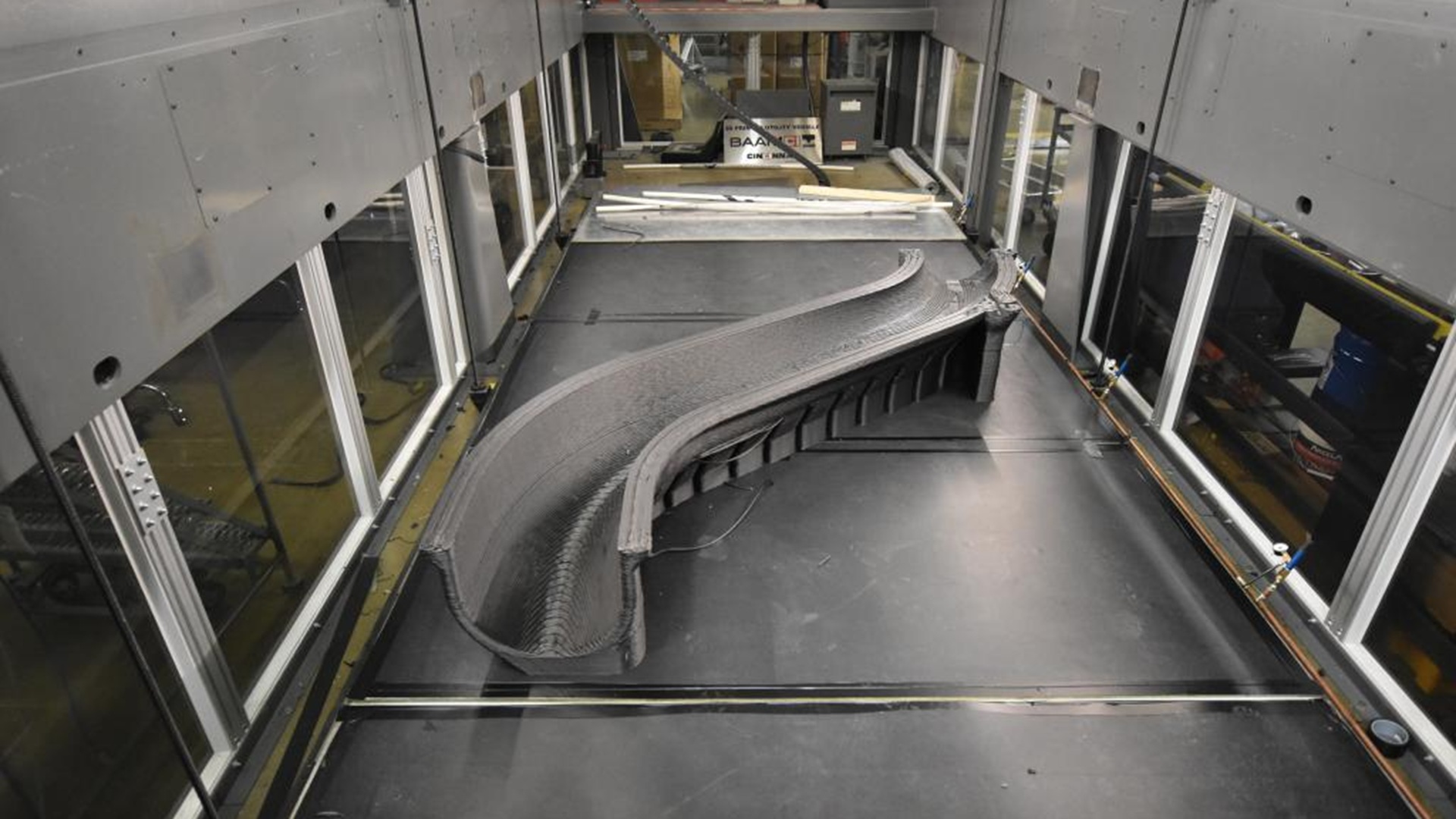
One of the most important parts, the draft tube, which boosts turbine efficiency by controlling water flow, was designed in two halves from 20 percent carbon-fiber reinforced acrylonitrile-butadiene-styrene (ABS) polymer. These were then sealed together into a robust 688-lb unit.
For the runner housing, which encloses the turbine, the team 3D printed a mold and then cast the final component in fiberglass. “CNC machining and spray-coat sealing ensured accuracy and protection,” the team said.
The team also used Big-Area Additive Manufacturing (BAAM) to develop several large turbine parts. These included pipe supports, wall thimbles, end fittings, and elements of the runner system used in the Fixed-Kaplan S-turbine design.
The results revealed that additive manufacturing could reduce hydropower plant costs per kilowatt by up to 40 percent compared with traditional fabrication methods.
“This pioneering project revitalized small hydropower potential by demonstrating rapid, reliable, and cost-effective manufacturing methods,” the researchers said in a press release. The operational prototype has been running at Cadens’ Wisconsin facility for more than six years.
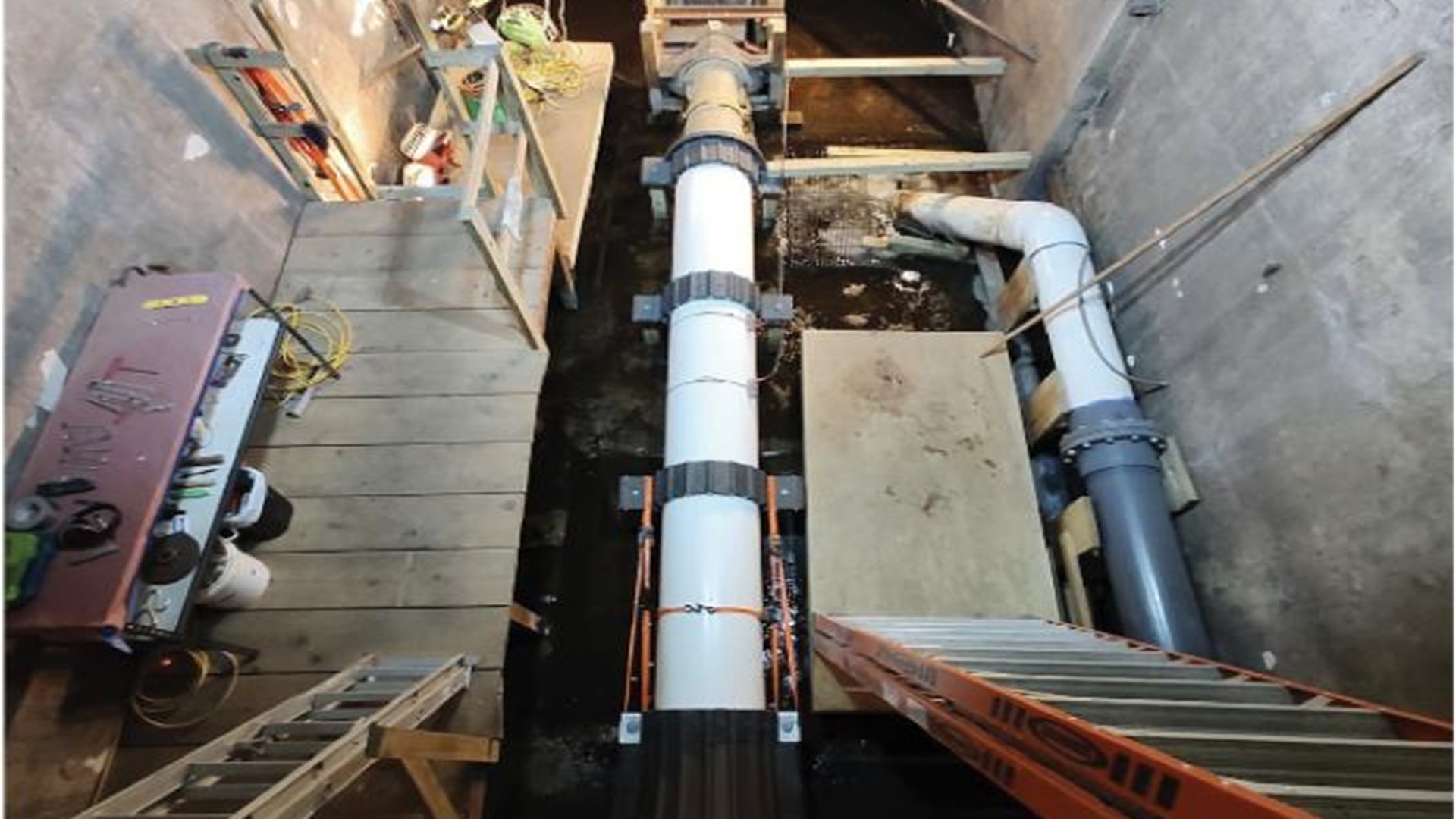
The unique micro-hydro testbed has reportedly become a platform for industry-wide advancements. The system is now being used for material and component testing, simulation model optimization, and energy storage research.
Cadens is now working to scale the technology further. Additionally, the company is improving resistance to debris buildup and biofouling. These pose significant challenges for long-term hydropower operations in natural waterways.
The research has been backed by the US Department of Energy’s (DOE) Advanced Materials and Manufacturing Technologies Office (AMMTO). Its goal is to improve the efficiency, productivity, environmental impact, and competitiveness of the manufacturing sector.

Get the latest in engineering, tech, space & science - delivered daily to your inbox.
Based in Skopje, North Macedonia. Her work has appeared in Daily Mail, Mirror, Daily Star, Yahoo, NationalWorld, Newsweek, Press Gazette and others. She covers stories on batteries, wind energy, sustainable shipping and new discoveries. When she's not chasing the next big science story, she's traveling, exploring new cultures, or enjoying good food with even better wine.
此内容由惯性聚合(RSS阅读器)自动聚合整理,仅供阅读参考。 原文来自 — 版权归原作者所有。