






During his final Worldwide Developers Conference keynote before stepping down as Apple CEO in September, Tim Cook unveiled the long-awaited Siri overhaul that has been at the center of Apple’s AI ambitions for years.
At WWDC 2026, Apple formally introduced Siri AI, a rebuilt version of its digital assistant that arrives after delays and growing pressure from rivals in the artificial intelligence race. The keynote also brought a broad expansion of Apple Intelligence features across the iPhone, iPad, and Mac, making AI the defining theme of Cook’s final developer conference.
Alongside the AI announcements, Apple revealed iOS 27, new family safety tools, refinements to its Liquid Glass design language, and the next version of macOS, called Golden Gate.
The headline announcement was Siri AI, a redesigned version of Apple’s voice assistant built to handle more natural conversations and provide more contextual responses. Users can now customize how Siri sounds through new pacing and expressiveness controls, while also interacting with the assistant through voice or text.
Apple has moved Siri into a dedicated app while maintaining integration across its operating systems. The assistant also gains access to Visual Intelligence features, allowing it to identify locations and other details from images stored on a user’s device.
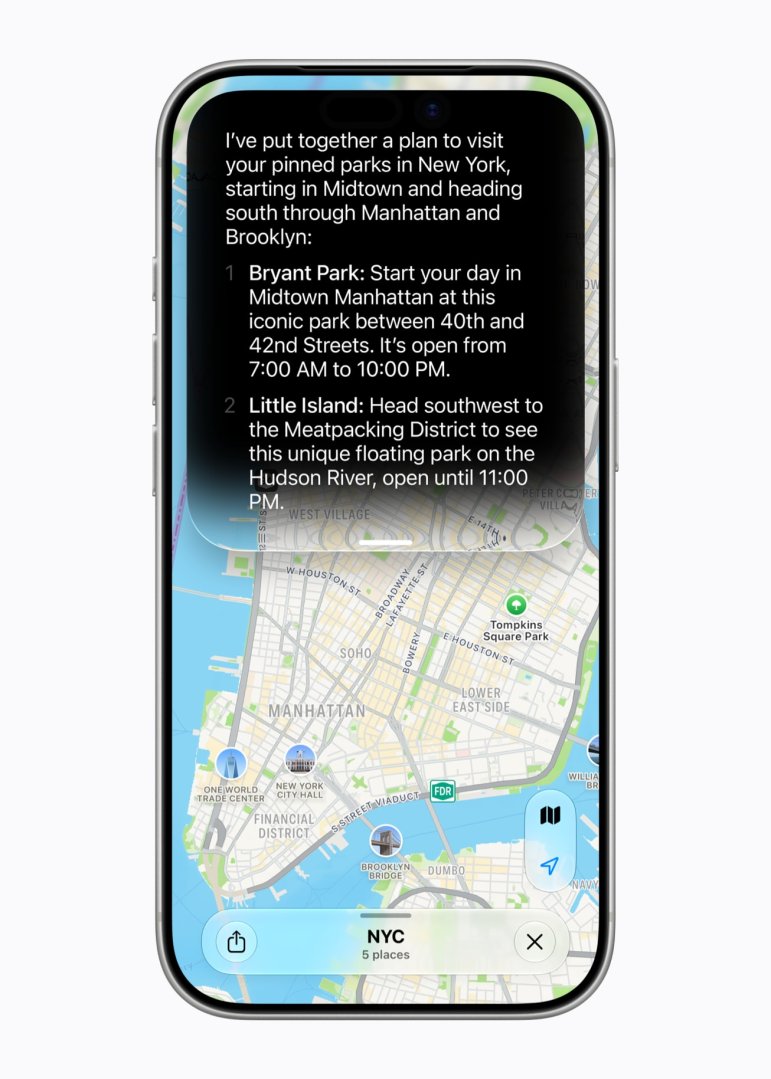
The launch marks a significant milestone for Apple after months of scrutiny surrounding delays to advanced Siri features. The company is positioning the new assistant as a central part of its broader AI strategy moving forward.
Apple Intelligence is now reaching deeper into many of the company’s most-used applications. Safari can monitor webpages and notify users when information changes, while Messages and Mail gain smarter contextual reply suggestions.
Calendar can create events from conversational prompts, and the Home app can summarize camera activity and make footage easier to search. Apple is also bringing AI-assisted automation to Shortcuts, allowing users to describe a task and have the software build the shortcut automatically.
The updates reflect Apple’s effort to weave AI features directly into everyday workflows rather than confining them to standalone tools.
Apple also highlighted the scale of its upcoming software rollout. The company said iOS 27 will support every iPhone model dating back to the iPhone 11, making it one of the broadest compatibility expansions in the platform’s history.
Apple claimed the update will reach more users than any previous iOS release. The company also announced several performance improvements, including faster photo loading, quicker AirDrop transfers, and multitasking enhancements.
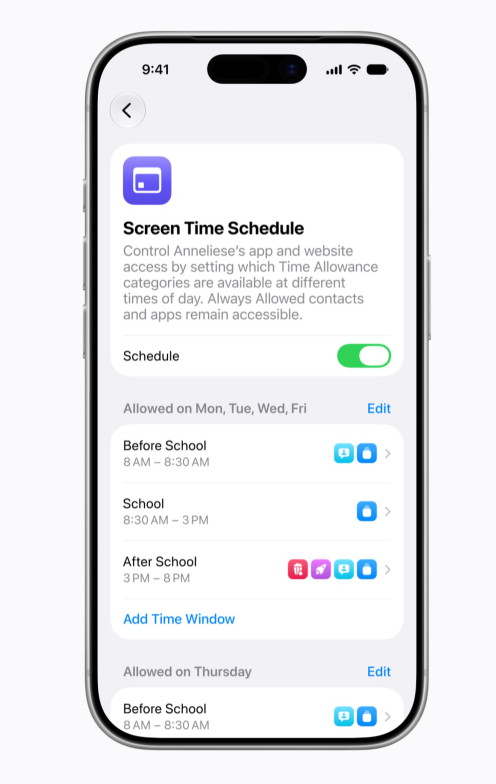
Alongside iOS 27, Apple introduced new tools for families. Parents will be able to create approved app lists for child accounts and manage access over time. A new Communication Safety feature will help prevent children and teenagers from viewing shared content that contains nudity, graphic imagery, and other sensitive material.
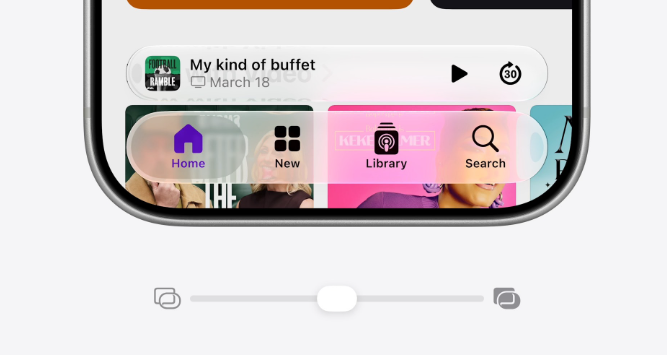
Apple also refined its Liquid Glass interface with new readability improvements and user-controlled transparency settings. The company closed the software showcase with a preview of macOS Golden Gate, which will become the next major release for Mac users.
Taken together, the announcements represented Apple’s most ambitious AI-focused software update yet, giving Cook a fitting final WWDC centered on the Siri upgrade that many users had been waiting to see.
Aamir is a seasoned tech journalist with experience at Exhibit Magazine, Republic World, and PR Newswire. With a deep love for all things tech and science, he has spent years decoding the latest innovations and exploring how they shape industries, lifestyles, and the future of humanity.
此内容由惯性聚合(RSS阅读器)自动聚合整理,仅供阅读参考。 原文来自 — 版权归原作者所有。