


A former coal mining site in central Illinois is now being used for renewable energy. Nexamp and TurningPoint Energy have finished two community solar projects in Woodford County, turning land that once produced coal into a solar power facility that provides electricity to local customers and businesses.
The site near Minonk was once part of the Colchester Coal Seam mining region, active from the late 1800s to the mid-1900s. Now, it has almost 17,000 solar panels that can generate 9.8 megawatts of electricity, enough for hundreds of subscribers and to add clean power to the local grid.
These projects are the first time Nexamp and TurningPoint Energy have worked together in Illinois. They are also the first Illinois Shines community solar projects in Woodford County.
The solar panels were installed on a former coal mine that is considered a brownfield under Illinois Shines, the state’s solar incentive program. This certification encourages developers to use land that has already been disturbed, rather than farmland or untouched areas.
TurningPoint Energy handled project development, while Nexamp was responsible for construction and now owns and operates the facilities.
The solar farms together cover about 40 acres and send electricity straight into Commonwealth Edison’s network. Nexamp says all the solar panels were made in the United States, which supports local clean energy supply chains and brings new economic value to land that used to be tied to fossil fuels.
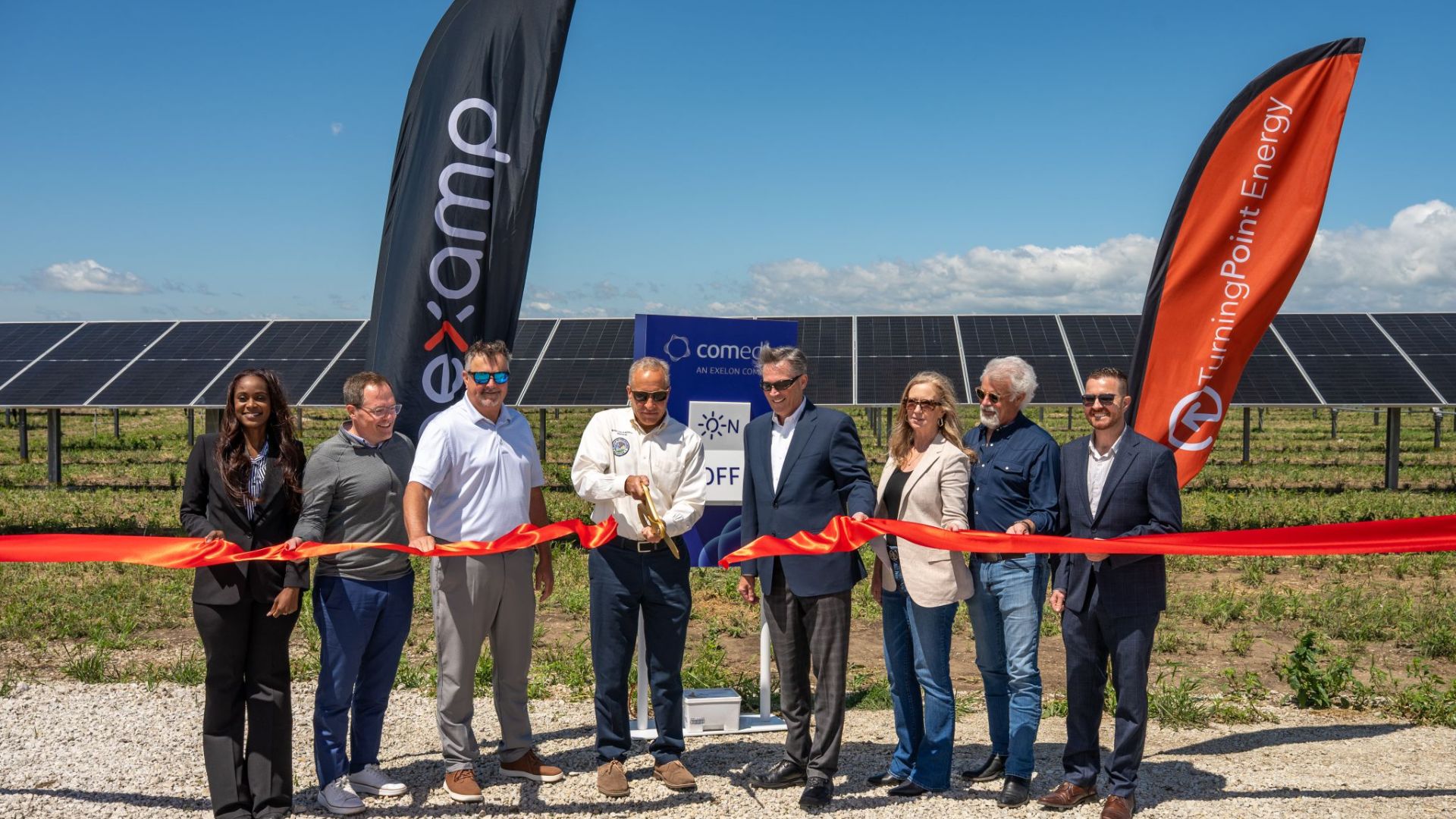
The Minonk projects also bring new grid management technology to the area. They are among the first projects on ComEd’s system to use Distributed Energy Resource Management Systems (DERMS).
This software enables utilities to monitor and manage energy resources, such as solar panels, in real time. As more renewable energy connects to the grid, it becomes harder for utilities to balance supply and demand. DERMS helps by providing better control and visibility into how energy flows.
Using this technology, the projects show that renewable energy can help keep the grid reliable and help utilities prepare for more clean energy in the future.
Many people in the community have signed up. The projects are almost full, with over 650 customers already enrolled.
One of the solar farms provides power to about 450 homes. The other serves around 200 low-income households, making community solar more accessible and helping these families save on electricity costs.
Community solar is different from rooftop solar because customers can join a shared project and get credits on their utility bills without having to install anything at home. This makes solar power available to renters, apartment dwellers, and homeowners whose roofs are not suitable for solar panels.
Big organizations are also helping make the projects successful. Rush University Medical Center and the College of DuPage have joined as customers and together use about 40 percent of the projects’ electricity.
Their involvement creates steady demand, supporting the community solar model and helping bring renewable energy to more people.
“This is exactly the kind of project we aspire to deliver with our partners and our customers,” said Nexamp CEO Zaid Ashai. “By turning a former coal mine into a pair of community solar farms, we are helping hundreds of subscribers reduce their energy costs today while strengthening their energy security for the long term.”
“By pairing that affordability with US-manufactured equipment and advanced grid tools like DERMS, these Minonk projects not only put clean power within reach for households and institutions; they also show how community solar can make the grid smarter, more resilient, and better prepared for Illinois’ clean energy future.”
A versatile writer, Sujita has worked with Mashable Middle East and News Daily 24. When she isn't writing, you can find her glued to the latest web series and movies.
此内容由惯性聚合(RSS阅读器)自动聚合整理,仅供阅读参考。 原文来自 — 版权归原作者所有。