



Listen on the go! A daily podcast of Wall Street Breakfast will be available by 8:00 a.m. on Seeking Alpha, iTunes, Spotify.
Getty Images
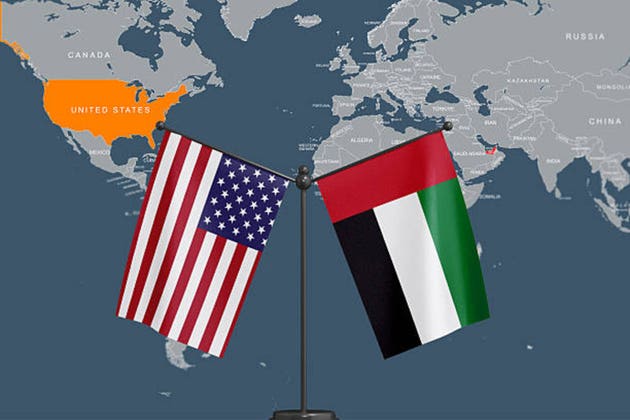
There's turmoil in the Gulf again amid clashes in the Strait of Hormuz. Following the announcement of Project Freedom by the U.S. to reopen trade flows, Iran vowed there will be "no military solution" to restore shipping through the critical waterway, calling the new operation "Project Deadlock." Accounts have since differed on what has since transpired in the Strait, but the Islamic Republic later bombarded American regional ally UAE with ballistic missiles and drones over the apparent presence of U.S. naval escorts.
Snapshot: The strikes hit the UAE's key Fujairah Oil Industry Zone, which acts as a strategic bypass to Hormuz via the Abu Dhabi Crude Oil Pipeline. The messaging here was that even if the U.S. Navy secures the strait, Iran can still paralyze the region's oil economy by striking external pipelines and hubs. The UAE's economy is highly dependent on its perception of being a "safe haven trade hub," with the country currently in pivotal talks with the U.S. for a currency swap line.
"It's under discussion," UAE Minister of Foreign Trade Thani Al Zeyoudi declared at an event in Abu Dhabi. "It is an elite matter. It is not about bailing out." In fact, many Gulf allies have requested swap lines, according to previous statements from U.S. Treasury Secretary Scott Bessent, but confusion continues to swirl about their purpose in the current conflict and their expanding use on the world stage. Bessent also arranged a swap line with Argentina in late 2025.
How do they work? Swap lines can start at both the U.S. Treasury and the Federal Reserve and, depending on where they originate, generally convey their purpose. Treasury swap lines are typically temporary tools used by the government to provide financial support or lifelines to allies during times of crisis (like the one for Argentina). In contrast, Fed swap lines are more like permanent dollar insurance policies that allow a foreign central bank to trade its own currency for greenbacks at a fixed exchange rate to ensure long-term liquidity and a backstop for global stability.
Outlook: As it faces Iranian threats over its status as a global trade "safe haven," the UAE is seeking the latter option for a currency swap line. If approved, it would grant the country admission into a group of five major central banks (U.K., Japan, etc.) that have permanent dollar liquidity, giving it a financial security badge that'll ensure its banks can maintain liquidity and the Dirham-USD currency peg. For the U.S., it is a way to preserve dollar supremacy in an age of emerging rival banking and payment systems, and for the rumor mill, a possible parting gift in exchange for the UAE leaving OPEC. (1 comment)
Here's the latest Seeking Alpha analysis
What else is happening...
Today's Markets
In Asia, Japan closed. Hong Kong -0.8%. China +0.1%. India -0.3%.
In Europe, at midday, London -1.1%. Paris +0.6%. Frankfurt +1%.
Futures at 6:30, Dow +0.3%. S&P +0.4%. Nasdaq +0.6%. Crude -2.2% to $104.04. Gold +0.5% to $4,558.10. Bitcoin +2.3% to $80,797.
Ten-year Treasury Yield -1 bp to 4.43%.
On The Calendar
此内容由惯性聚合(RSS阅读器)自动聚合整理,仅供阅读参考。 原文来自 — 版权归原作者所有。