惯性聚合 高效追踪和阅读你感兴趣的博客、新闻、科技资讯
阅读原文 在惯性聚合中打开

推荐订阅源

Know Your Adversary
Know Your Adversary
小众软件
小众软件
L
LangChain Blog
月光博客
月光博客
博客园 - Franky
Microsoft Azure Blog
Y
Y Combinator Blog
有赞技术团队
有赞技术团队
奇客Solidot–传递最新科技情报
奇客Solidot–传递最新科技情报
MongoDB | Blog
MongoDB | Blog
Recorded Future
Recorded Future
V
Visual Studio Blog
TaoSecurity Blog
TaoSecurity Blog
S
Schneier on Security
C
Cybersecurity and Infrastructure Security Agency CISA
P
Privacy & Cybersecurity Law Blog
T
Threat Research - Cisco Blogs
D
DataBreaches.Net
L
LINUX DO - 热门话题
C
Check Point Blog
F
Fortinet All Blogs
Hugging Face - Blog
Hugging Face - Blog
The Hacker News
The Hacker News
钛媒体:引领未来商业与生活新知
钛媒体:引领未来商业与生活新知
Microsoft Security Blog
酷 壳 – CoolShell
酷 壳 – CoolShell
V
V2EX
让小产品的独立变现更简单 - ezindie.com
The GitHub Blog
The GitHub Blog
P
Proofpoint News Feed
L
Lohrmann on Cybersecurity
博客园 - 司徒正美
T
Threatpost
P
Palo Alto Networks Blog
A
About on SuperTechFans
Spread Privacy
Spread Privacy
Engineering at Meta
Engineering at Meta
N
News | PayPal Newsroom
T
Tailwind CSS Blog
The Last Watchdog
The Last Watchdog
Blog — PlanetScale
Blog — PlanetScale
A
Arctic Wolf
量子位
Exploit-DB.com RSS Feed
博客园 - 聂微东
Google Online Security Blog
Google DeepMind News
www.infosecurity-magazine.com
V
Vulnerabilities – Threatpost
H
Hacker News: Front Page

TIME

How to Watch the TIME100 Gala Red Carpet Livestream Why Epstein Survivors Should Testify Before Congress What to Know About the U.K.’s Generational Smoking Ban With ‘Donnyland,’ Ukraine Becomes Latest to Propose Naming Something After Trump Iran’s Supreme Leader No Longer Reigns Supreme What the Passage of the Virginia Redistricting Plan Means for Control of Congress Robert F. Kennedy Jr. Defends Spending Cuts to Health Agencies Breaking Down the Chilling Ending of Unchosen What to Know About Allegations Against Rep. Cory Mills Amid Calls for Expulsion From Congress Mexico’s President Calls For Investigation After CIA Members Killed in Cartel Operation Democratic Rep. Sheila Cherfilus-McCormick Resigns Ahead of Potential Ethics Sanctions What to Know About Trump’s New Executive Order on Psychedelic Drugs With Michael, the King of Pop Gets a Not-So-Regal Biopic Can a Documentary Help End Gang Violence? Trump Order to Require Banks to Collect Citizenship Info 'In Process,' Bessent Says A Muslim Faith Leader on the Failures That Led to the Iran War, and What Comes Next Trump Says U.S. Will Extend Cease-Fire With Iran Baby Reindeer Creator's Half Man Tests Our Tolerance for Pain. But to What End? What to Know About Shooting at Pyramid in Mexico and Security Concerns for World Cup How American Schools Can Address Political Polarization What to Know About the Louisiana Shooting That Killed 8 Children ‘Dark Money’ Floods Virginia Redistricting Fight, With Millions Linked to Peter Thiel Trump Accuses Iran of ‘Total Violation’ as Strait of Hormuz Remains Shut This Halal Beauty Company Boss Has Big Ambitions What to Know About Allegations of Excessive Drinking by FBI Director Kash Patel Iran Reimposes Control of Strait of Hormuz and Fires on Tankers Welcome to the Second Gilded Age Why the Federal Government Is Making Chicago O’Hare Airport Cut Hundreds of Flights a Day Lee Cronin's The Mummy Is Not a Brendan Fraser Movie. It's Way More Cursed May Bob Odenkirk Always Have as Much Fun as He's Having in Normal What We Know About the ‘Massive’ Military Complex Being Built Beneath the White House The Bigger Energy Lesson Behind Iran’s Control Over the Strait of Hormuz Trump Nominates Dr. Erica Schwartz as CDC Director Even If You Think You're SNL'ed Out, Lorne Offers Some New Angles on Lorne Michaels Modern Dating Is Making Us Less Secure How Businesses Can Apply for Tariff Refunds Through New Portal How Hormuz Could Shape China’s Taiwan Strategy State Department Cracks Down on Visas of People ‘Working on Behalf of U.S. Adversaries’ Israeli Troops to Stay in Southern Lebanon Despite Ceasefire, Netanyahu Says Here’s How to Best Watch the Lyrid Meteor Shower House Democrats Move to Impeach Defense Secretary Hegseth Trump’s Feud With the U.K. Over North Sea Oil: What to Know What The Pitt Says About Burnout, and Why Self-Care Won’t Solve It The Seven Democrats Who Joined Republicans in Opposing Measure to Block Arms Sales to Israel The Looming Risk of Too Many Satellites and Debris in Space 'It's Not Working': Diplomats Fear Trump's Iran Envoys Are Making Things Worse Why Trump’s Strait of Hormuz Blockade May Be a Gift to China Trump Has Abandoned His Affordability Promises Letting AI Do Your Work Erodes Your Confidence, According to a New Study What to Know About the Live Nation Verdict and Its Effect on Ticket Prices Philanthropy Must Choose Courage Over Caution How AI Can Beat Cancer Breaking Down the Action-Packed, Haunting Finale of 'Beef' Season 2 ‘No More Excuses’: Europe Announces Age Verification App in Effort to Crack Down on Social Media Love Is War in Beef's Imperfect But Still Thrilling Second Season U.S. Takes Step Closer to Popular Vote for Presidential Elections as Virginia Joins Compact Senate Blocks Iran War Powers Resolution for Fourth Time ‘It Beats Pitchfork Rebellions and the Guillotine’: Why These Super-Rich Americans Are Asking For Higher Taxes Trump Says Iran War ‘Close to Over,’ Hints at Possible Deadline Ahead of Royal Visit TIME Is Looking For the World's Top HealthTech Companies of 2026 The Neuroscience of the Self Amid Trump's Blockade, Threat of Escalation Leaves Thousands of U.S. Forces on High Alert Shirin Ebadi Rauw Alejandro: The 100 Most Influential People of 2026 Walter Hood Kica Matos Chloe Kim Victoria Beckham American Men Are Set to Be Automatically Registered for the Draft Hungary’s Viktor Orbán Ousted by Voters After 16 Years in Power. Here’s What That Means Medicaid Cuts Could Force More Kids to Become Caregivers Trump Says U.S. Will Blockade Strait of Hormuz After Iran Peace Talks Fail Eric Swalwell Resigns from Congress How Trump’s Proposed Triumphal Arch Stacks Up Against Others Around the World Trump Says U.S. Has Begun ‘Clearing Out’ Strait of Hormuz As Iran Peace Talks Begin The Big Unanswered Question about the Tracking of ICE Observers How NASA Achieved the Historic Artemis II Splashdown Watch Live: Artemis II Crew Returns to Earth Is a Super El Niño Coming in 2026? Here’s What Scientists Are Saying What ‘Emotional Flooding’ Really Means—And How to Handle It What to Know About the U.S. Postal Service’s ‘Severe Financial Crisis’ Israel's War Against Lebanon, Explained America’s Cost-of-Living Crisis Is Really a Pay Crisis Netflix Shark Thriller Thrash Doesn't Know What Kind of Creature Feature It Wants to Be Calls to Impeach Trump Collide With Reluctant Democratic Leadership J.P. Morgan Is Thinking About Climate Tipping Points Why the U.S.-Iran Ceasefire Won’t Last You, Me & Tuscany Delivers Everything It Promises—Including Tomatoes The Christophers Is One of the Best Movies of the Year So Far Not Even Keanu Reeves Can Breathe Life Into the Painfully Unfunny Outcome Breaking Down the Ending of The Miniature Wife Starmer Says He's 'Fed Up' With Trump as Europe Splinters From U.S. Over Iran War What Jamie Raskin Will Tell House Democrats About the 25th Amendment and Impeachment Euphoria Returns, Older But Not Wiser ‘A Perfect Storm’: How AI Is Transforming the Global Scam Industry Women’s Brains Are a $1 Trillion Opportunity Is Hungarian Leader Viktor Orbán, an Icon of the Far Right, About to Be Ousted by Voters? White House Reportedly Warns Staff Against Insider Trading As Lawmakers Raise Concerns Bondi Won’t Testify as Scheduled in House Epstein Probe. Lawmakers Are Threatening to Hold Her in Contempt Melania Trump Says Lies Linking Her to Jeffrey Epstein ‘Need to End’
This Is Life in America’s Water-Inequality Capital
Elliot Ross · 2024-09-19 · via TIME

This Is Life in America’s Water-Inequality Capital. It Might Be About to Change

This project was supported by funding from the Center for Contemporary Documentation

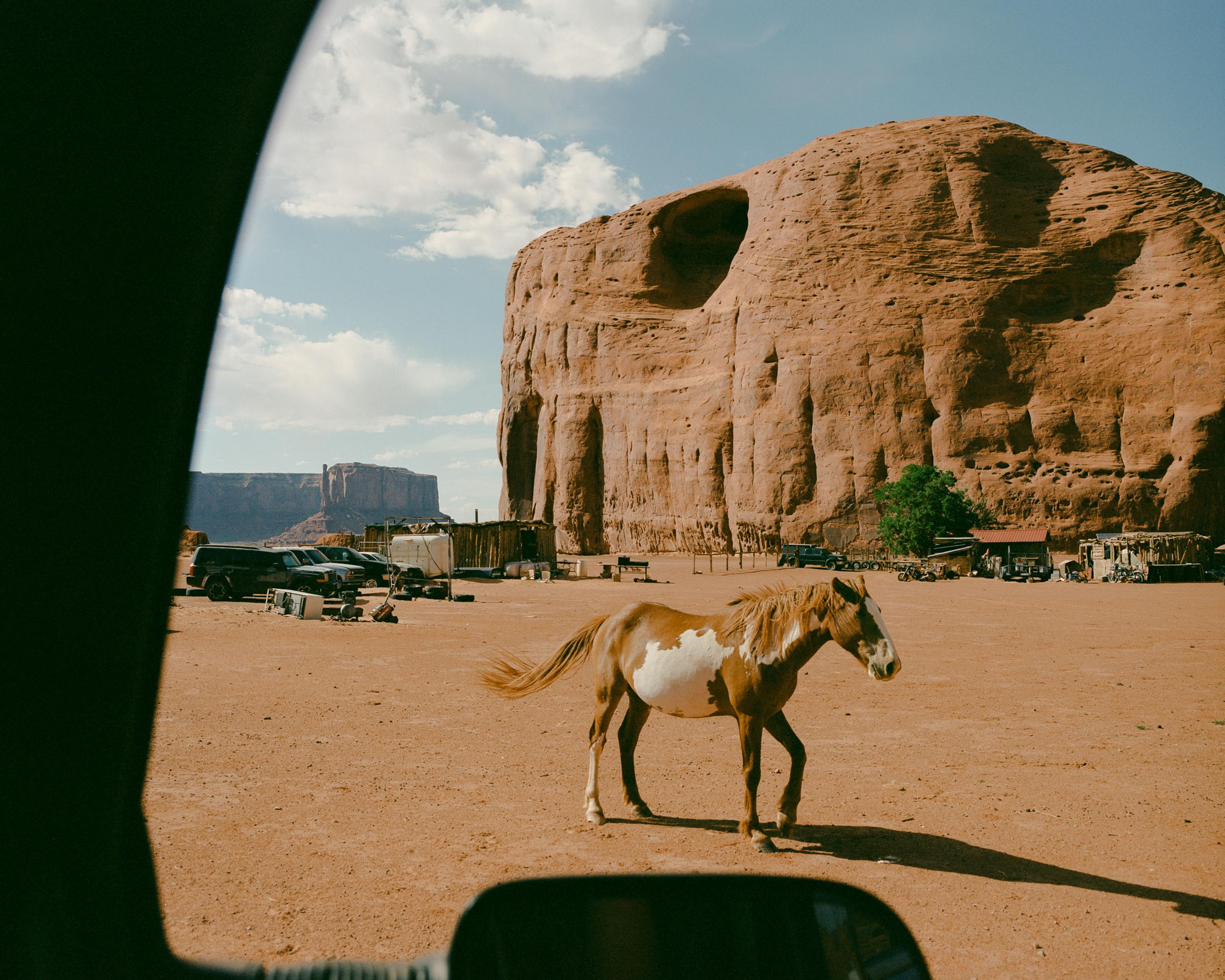
In the Navajo Nation—a sweeping landscape of red-rock canyons and desert that takes in the Four Corners—water is not taken for granted. Here, more than 1 in 3 Diné, as Navajo people call themselves, must haul water to their homes, often across long distances. The Diné use the least amount of water per person of anyone in the U.S., and pay the most.

Eighty miles away, residents of Utah’s Washington County rely on essentially the same water supply, yet pay less for that water than almost anyone else in the U.S. and, until recently, consumed the most. The contrast reflects not only inequities of power and access. It also carries a warning that reaches beyond two arid communities. A megadrought has desiccated the American West, which is drier than it has been in 1,200 years. On June 22, the planet experienced its hottest day in recorded history, breaking a record set one day earlier. Dust clouds churn on the horizon. Much of the world may be headed this way.

The problem, as old as the land itself, was predicted. The hydrology of the Colorado River Basin is highly variable, a fact that was not fully appreciated (or was flatly ignored) by those who drafted the foundational policy that governs water use in much of the West—the 1922 Colorado River Compact. Despite warnings from experts, the compact based the amount of water to be divided among its signatories on a brief period that proved to be one of the wettest in history. This flaw was compounded by tremendous population growth, Indigenous dispossession, competing values, procrastination, and deadlocked disputes over how water is used.

Now the federal government is drafting a new plan, one that anticipates a drier future. Two countries, seven states, 30 Tribes, cities from Denver to San Diego, and local water managers are hashing out the Post-2026 Operational Guidelines, which when finalized next year promise to set the world’s most litigated river system on a sustainable path. It would also include significant tribal input, meant to address structural inequities in a water supply divided along racial lines. Indigenous communities, whose relationship with the federal government has been largely defined by broken promises, remain deeply skeptical.
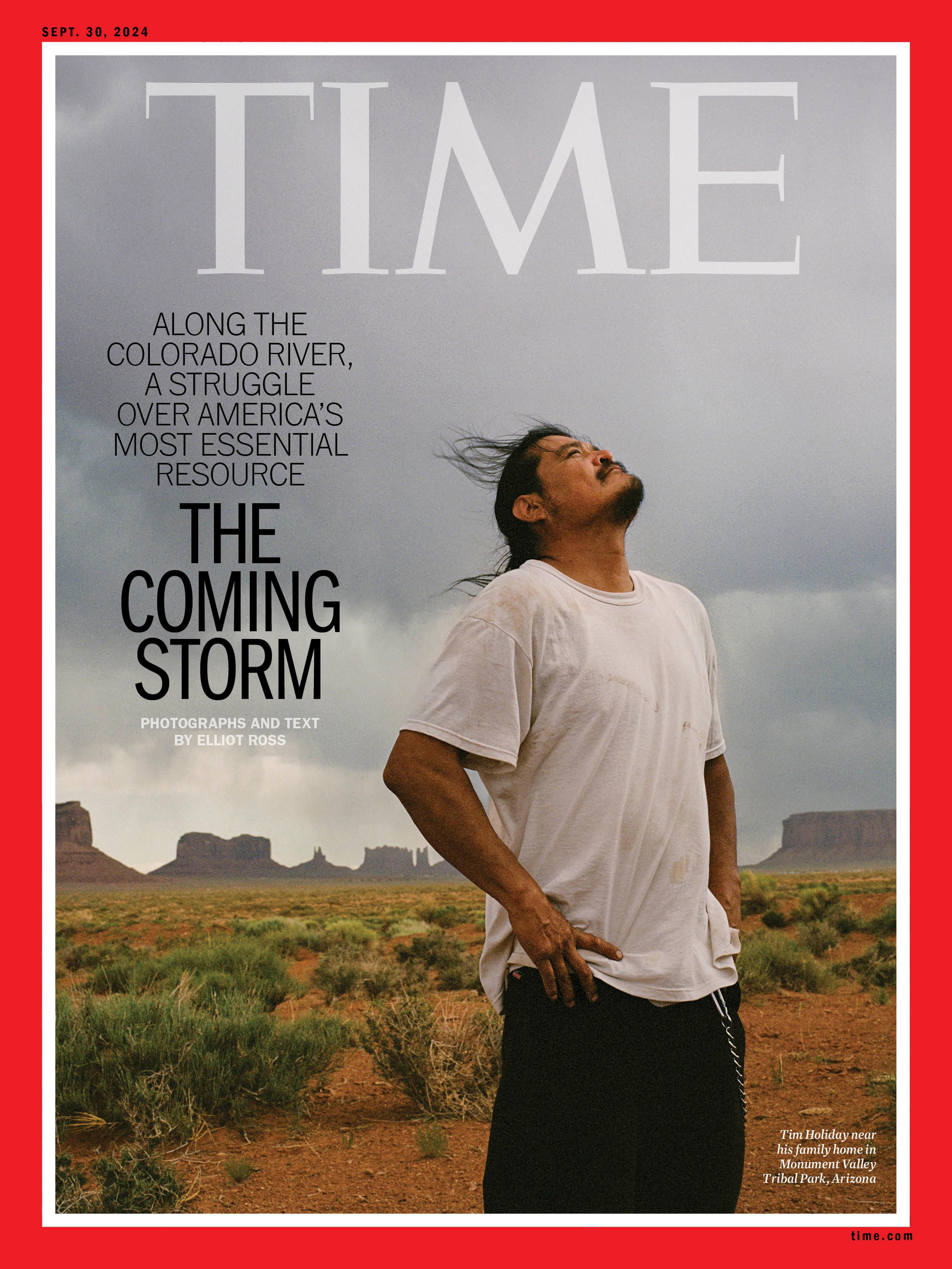
Colorado River Time Magazine cover
Tim Holiday reveling the arrival of the first monsoon storm of the season. This region experiences the majority of its precipitation in the summer in the form of short-lived intense downpours. Without dams and other infrastructure, communities are unable to harness the water for human use.Photograph by Elliot Ross for TIME

On paper, the Navajo Nation is drenched in water. Under the “first in line, first in right” principle that defines water use in the West, the Diné have first dibs on the same declining supply that serves Washington County, which has roughly as many people on one-tenth the land: the Colorado River, its tributaries, and two underlying aquifers. Yet little of it reaches them. In 2023, the U.S. Supreme Court ruled, in Arizona v. Navajo Nation, that the federal government has no obligation to provide water to the Navajo Nation. But by the time of the ruling, a crucial exercise of “first rights” was already in peril.

The Navajo-Gallup Water Supply Project aims to deliver treated water from the San Juan River to 240,000 people via 300 miles of pipes. Conceived in the 1960s and begun in 2009, the $2.1 billion project must be completed by Dec. 31 or the Navajo Nation loses its right to that water. It's far from done. Its fate resides in U.S. House Bill 3977, which would extend the deadline to 2029 and appropriate $689.45 million to finish the job.

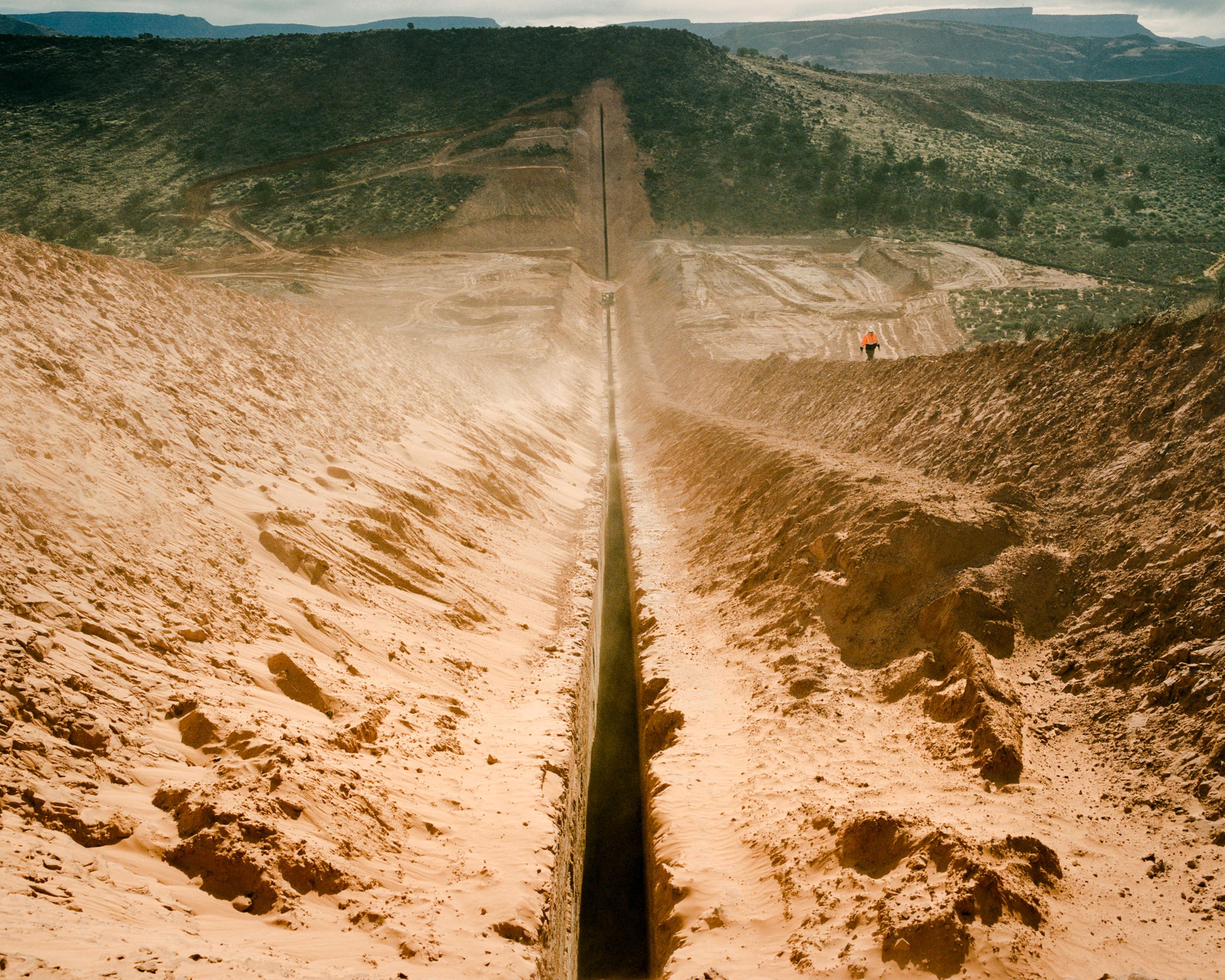
Washington County has a $2 billion water project of its own—one of the most ambitious and contentious in U.S. history. The Lake Powell Pipeline would involve 13 pumping stations pushing water up 2,000 ft. across 140 miles. The Washington County Water Conservancy District (locally known as the District) calls the project critical to a population that demographers predict may double by midcentury.
Waterman
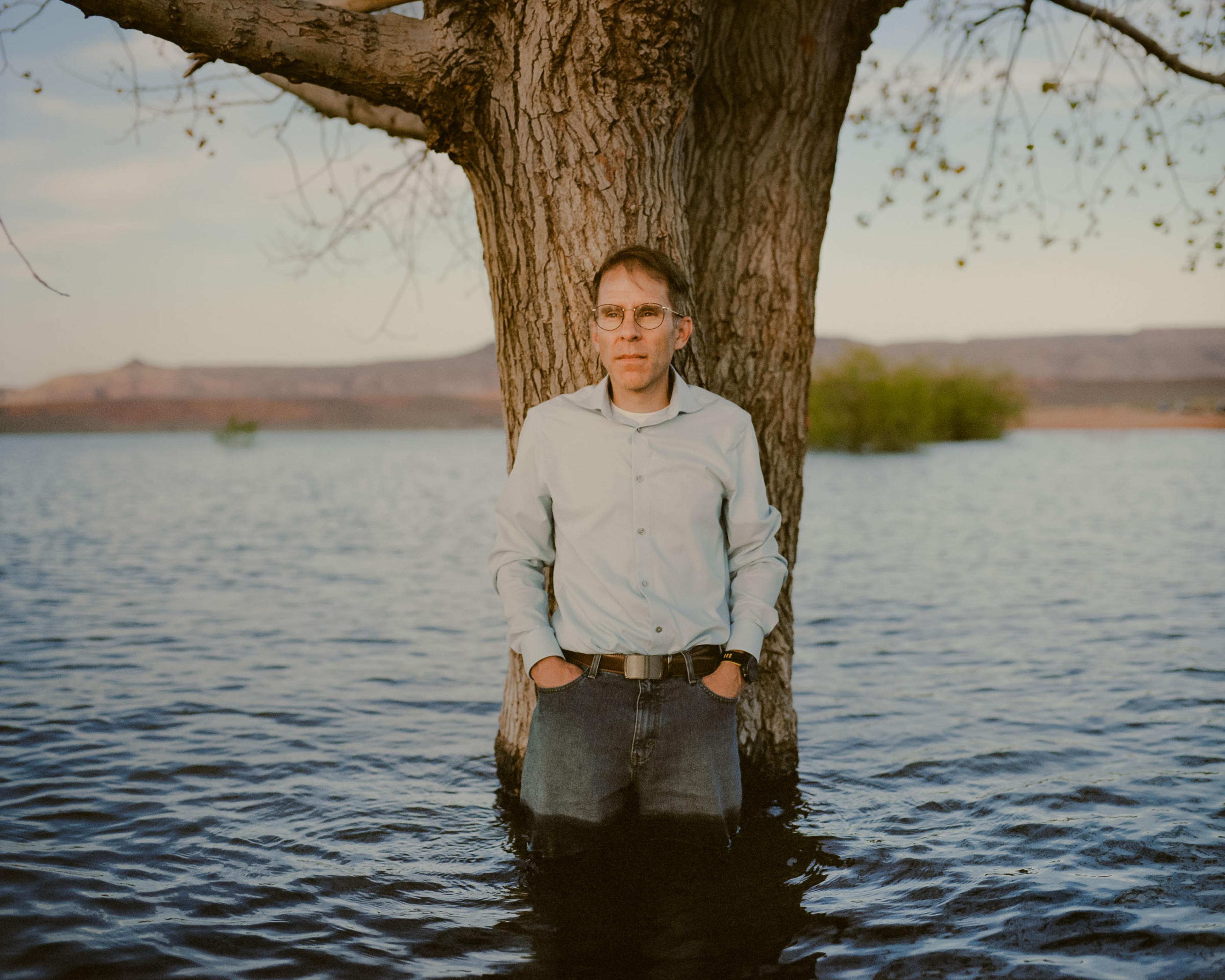
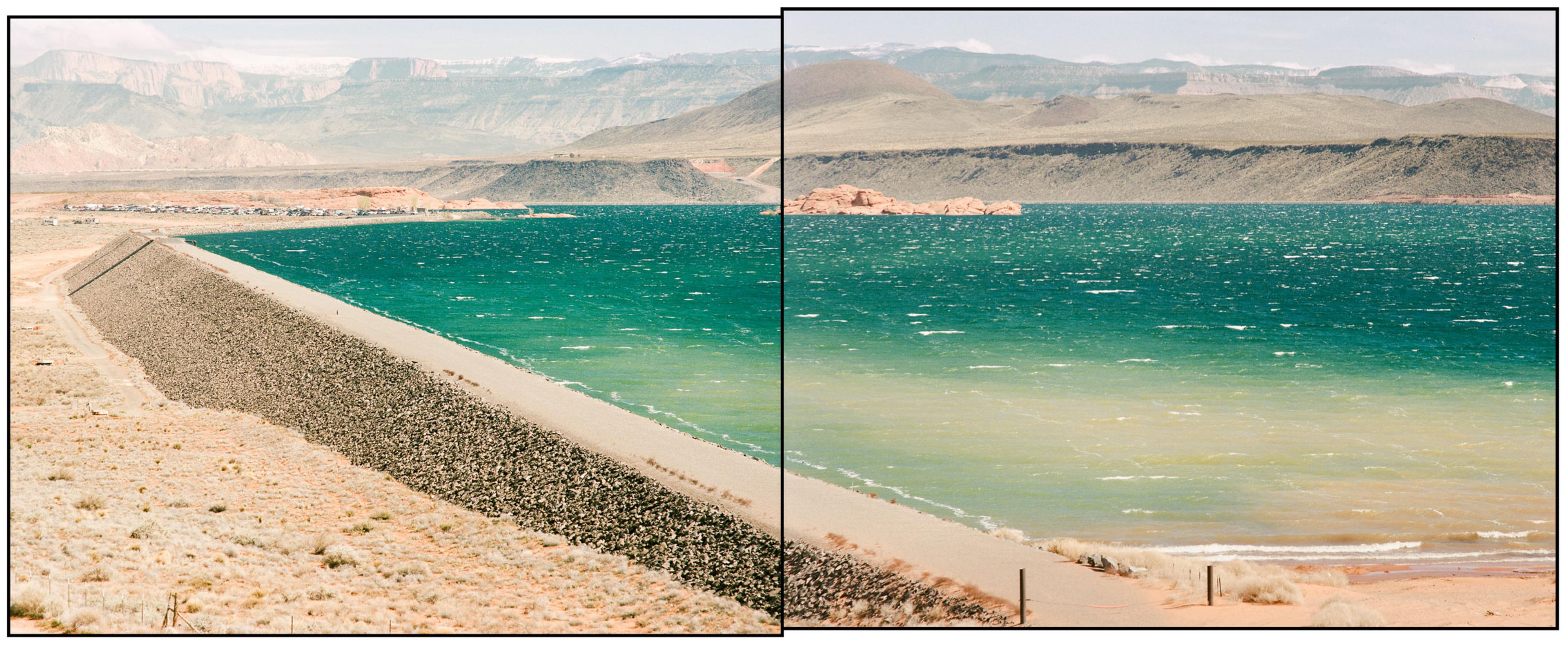
Water district general manager Zach Renstrom in Sand Hollow Reservoir. Cast as a villain in the water crisis, Renstrom pivoted toward an ambitious conservation plan.
WatermanWater district general manager Zach Renstrom in Sand Hollow Reservoir. Cast as a villain in the water crisis, Renstrom pivoted toward an ambitious conservation plan.
Chief Toquer
The view across the future Chief Toquer Dam. When completed, a series of ephemeral drainages will form the county’s sixth reservoir in the valley to the left, Adding to its expansive infrastructure portfolio, the District has collected $32.2 million from the Biden-Harris Administration for its projects.
Chief ToquerThe view across the future Chief Toquer Dam. When completed, a series of ephemeral drainages will form the county’s sixth reservoir in the valley. Adding to its expansive infrastructure portfolio, the District has collected $32.2 million from the Biden-Harris Administration for its projects.

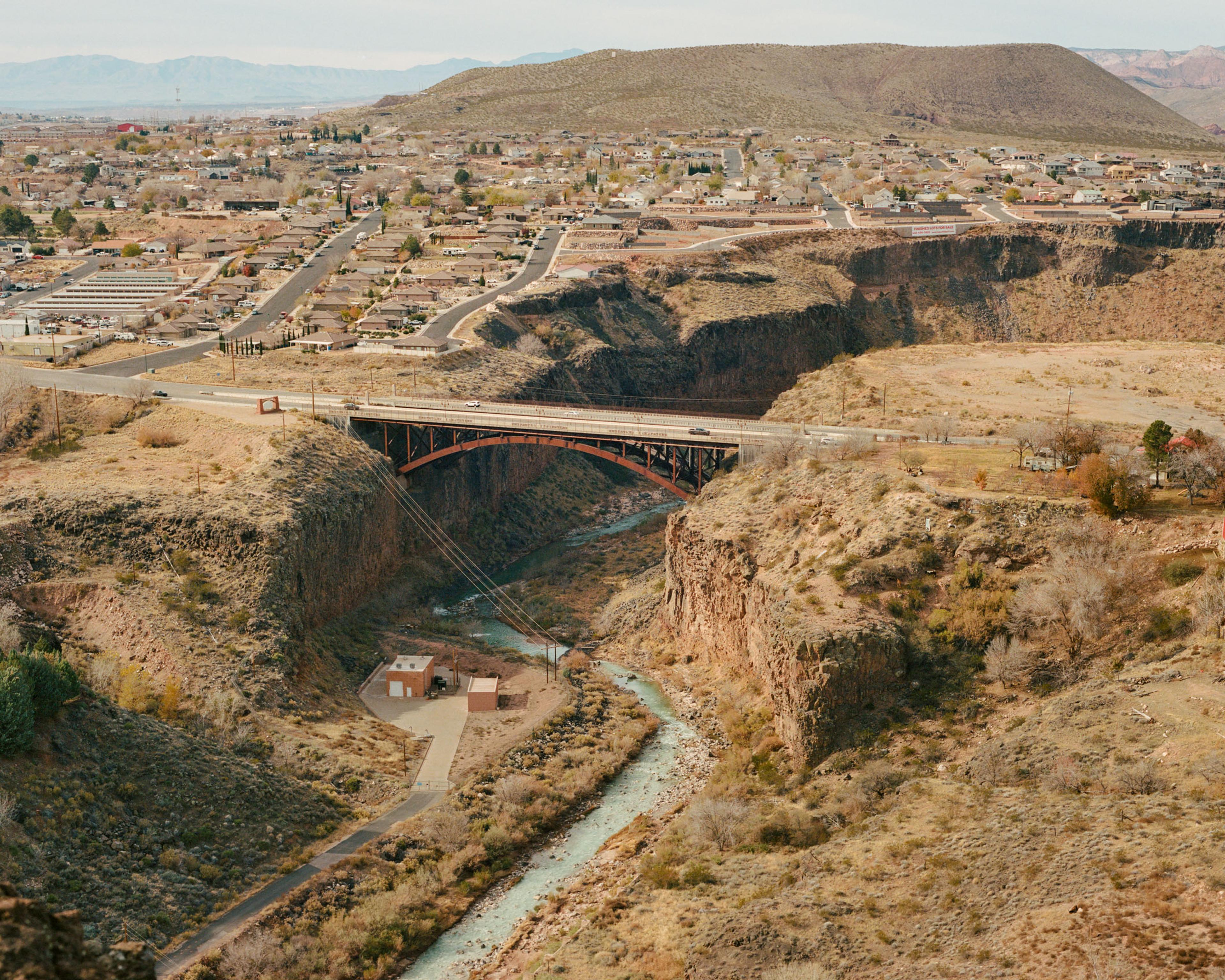
Here is a place drenched not on paper, but in fact. Thousands of swimming pools glitter like diamonds in a desert bounded by green rectangles of Kentucky bluegrass. A local economy embracing tourism promotes the comforts of an oasis: shady tree canopies, ornamental fountains, manicured landscaping, and a few miles outside St. George, a new $1 billion golf resort—the county’s 17th. News outlets in the 2010s put daily water consumption at over 300 gallons per person. Today, the District claims 153 gallons. Either figure towers over the 5 gallons used daily by the Diné, who must drive miles over rough roads to collect it.

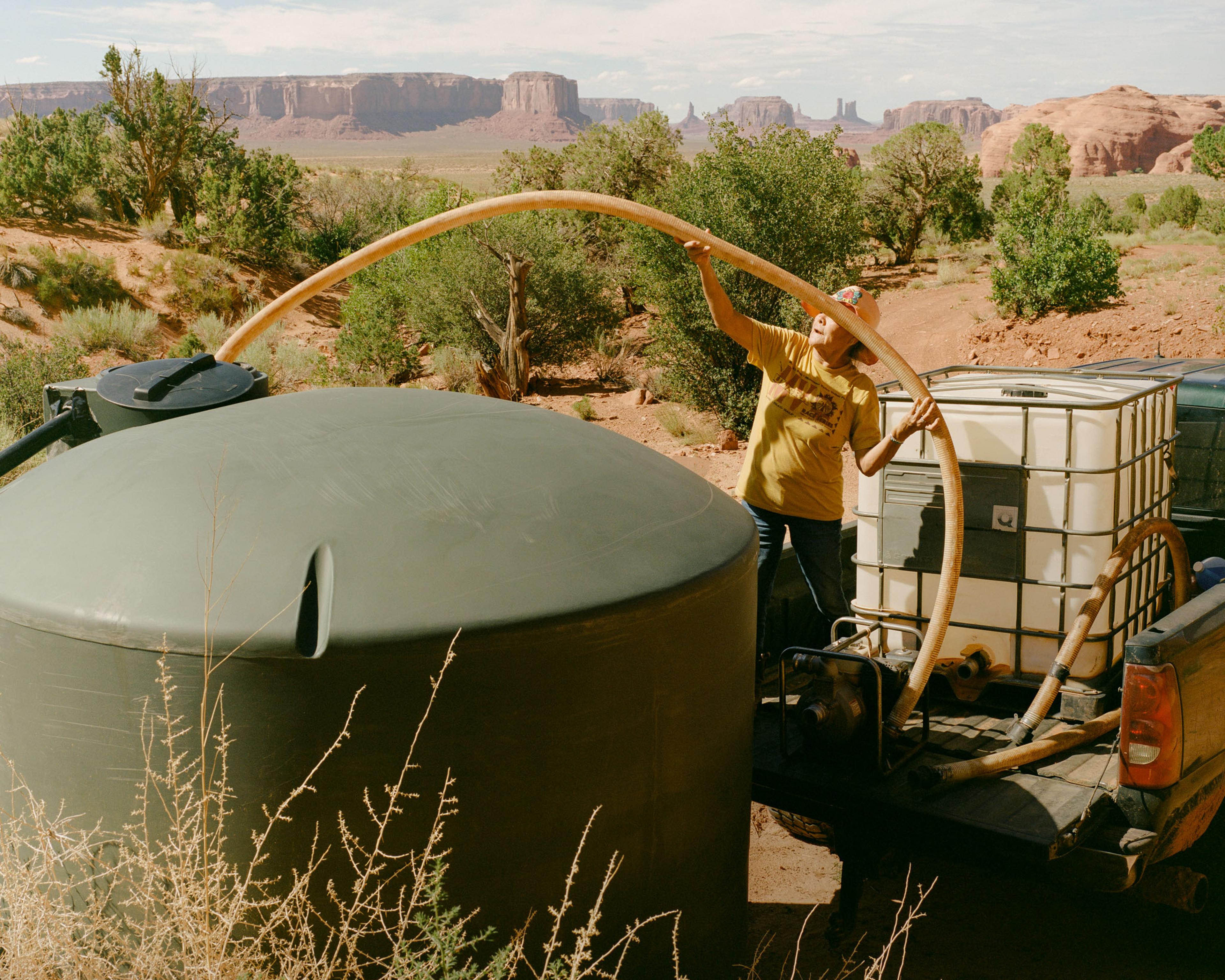
“Water is life,” Monument Valley resident Tom Holiday says, waiting for the 300-gallon tank in the back of his truck to fill. “People in the cities take it for granted and water their plants and grass. Here it’s precious. We think of water as a deity.”

In places where water is scarce, living as if it were plentiful is no longer in fashion. The Lake Powell Pipeline is derided as a literal pipe dream by the conservation groups, Tribes, and states that have delayed its approval. Under general manager Zach Renstrom, the District pivoted to water conservation, committing to a 20-year plan that will require vast sums of federal and state dollars, plus local fees, to maximize existing supplies; create a $1 billion Regional Reuse System; and add 60 more miles to 275 miles of pipeline and 18 more wells, some up to a mile deep, to the 30 already in use. “We are wringing every last drop out of this lemon,” says Brock Belnap, the District’s associate general manager. It’s impressive what a community can achieve when it’s empowered by both policy and money.
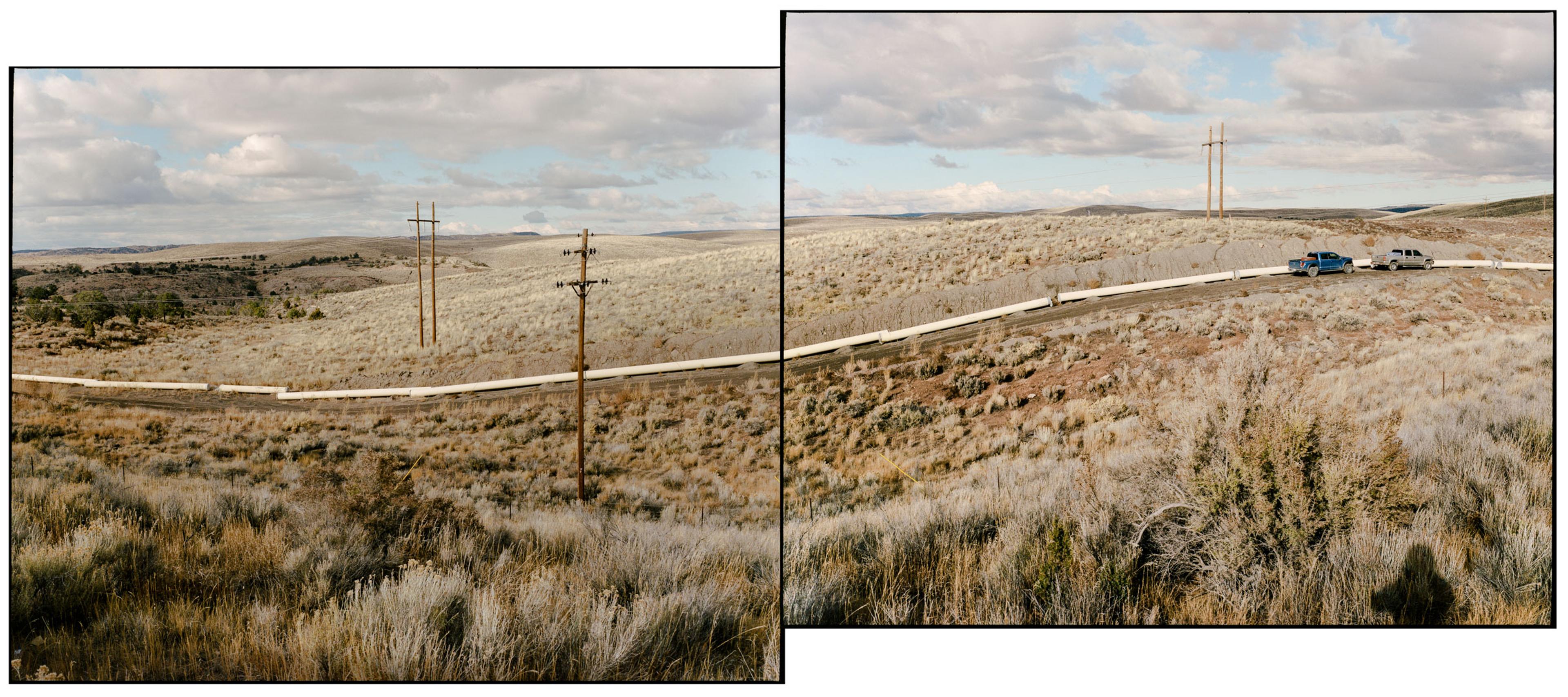
Navajo-Gallup Water Supply Project.
The Navajo-Gallup Water Supply Project aims to deliver treated water from the San Juan River to 240,000 people via 300 miles of pipes–though its future hangs in the balance.
Navajo-Gallup Water Supply Project.The Navajo-Gallup Water Supply Project aims to deliver treated water from the San Juan River to 240,000 people via 300 miles of pipes–though its future hangs in the balance.
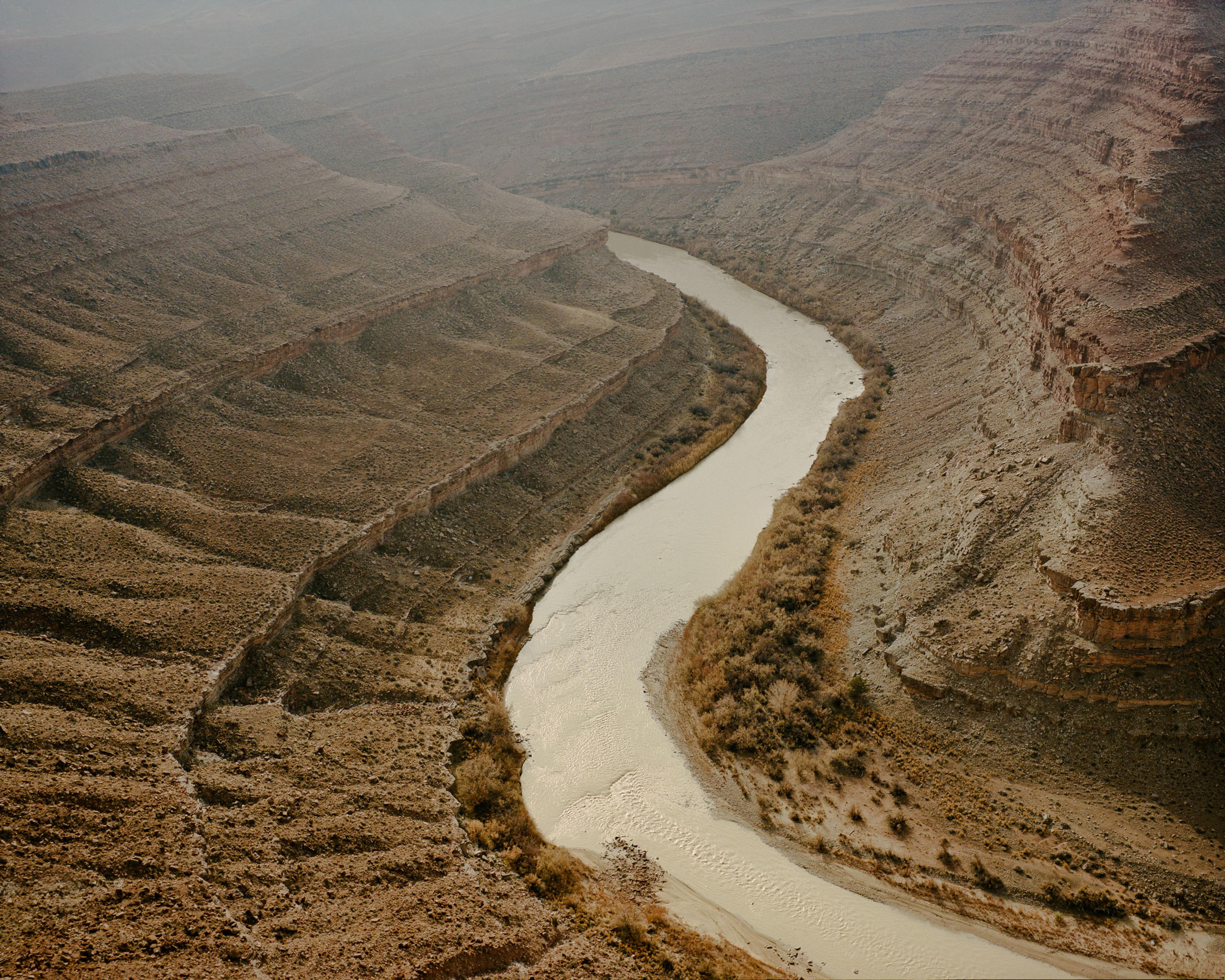
San Juan River
The San Juan River winds its way along the north-east boundary of the Navajo Nation. The Navajo Nation relies predominantly on the San Juan River which bounds much of the northern reaches of the reservation.
San Juan RiverThe San Juan River winds its way along the north-east boundary of the Navajo Nation. The Navajo Nation relies predominantly on the San Juan River which bounds much of the northern reaches of the reservation.

Washington County isn’t the cause of the Navajo -Nation’s thirst. The water gap is an enduring legacy of manifest destiny; the infrastructure, and legislation, that came with it still largely define how water is used. In the American West, irrigated agriculture uses a whopping 86% of fresh water consumed—the largest share by far going to animal-forage crops like alfalfa. Privately, a St. George resident told me, “Why should I compromise the things that bring me enjoyment when alfalfa is still being grown? I hate to say that out loud, but that’s the reality.” On the other hand, since 2002, water--strapped Southern Nevada, including Las Vegas, cut its use by 26% while adding 750,000 people—proof that measures like the Post-2026 Operational Guidelines really matter.
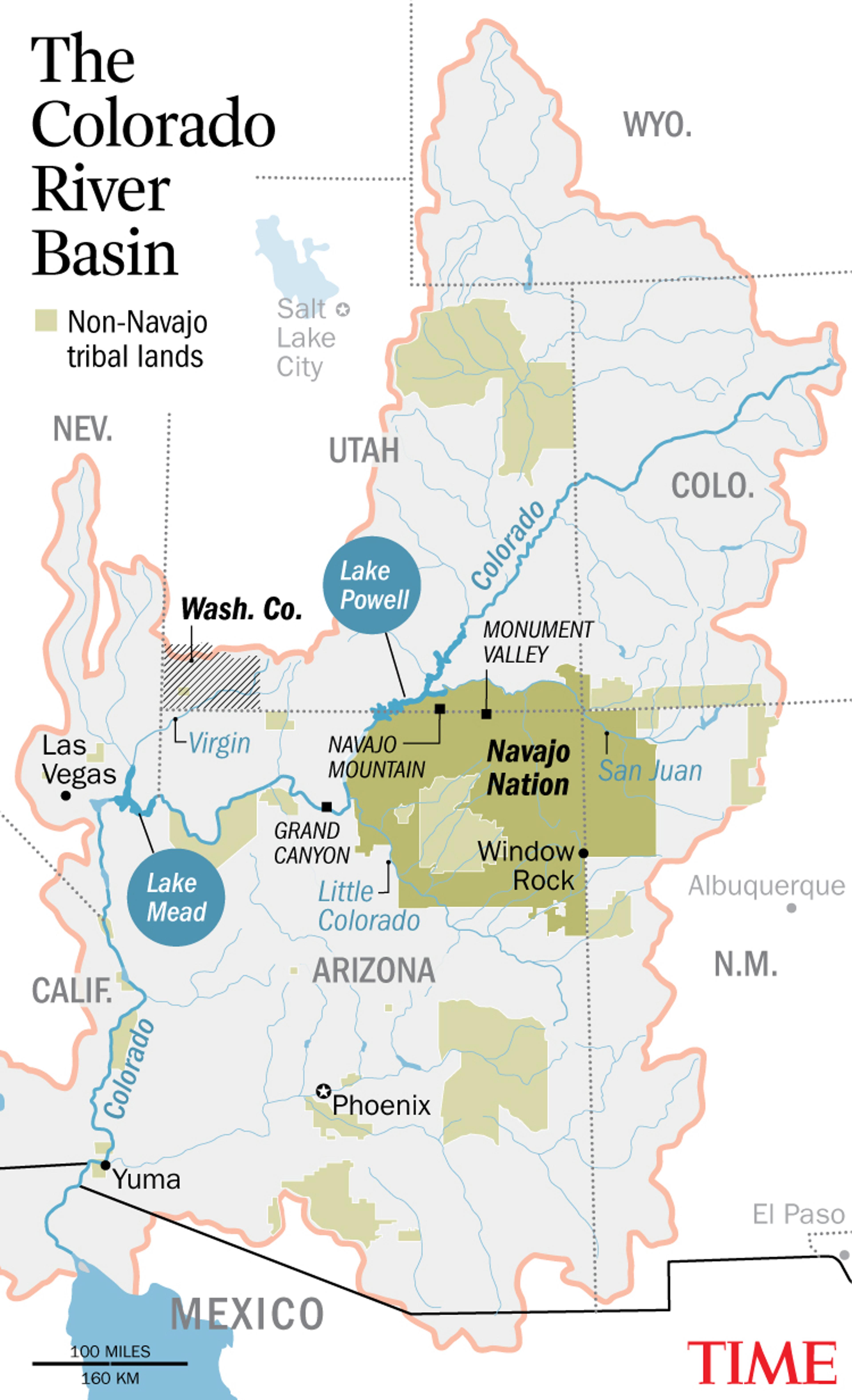
Map by Lon Tweeten for TIME; Getty Images

Moving between the two communities for a year, I found residents of Washington County largely unaware of the Diné plight, and earnest in their dismay. For their part, the Diné expressed neither surprise at how much water people in Washington County consumed, nor anger at the benefits that water brought. They just ask for the same opportunity. 

Leaning against his wooden corral, framed by the iconic pinnacles of Monument Valley, rancher Billie Charlie put it succinctly: “We must prioritize humans, not corporations. Prioritize balance.” 

Water For a Day 
For a third of Diné households, simply obtaining water for everyday use at home saps enormous quantities of time and money. The Navajo Nation’s infamously rough roads make water runs lengthy and wreak havoc on vehicles. Lines to fill at often far flung town spigots, springs, and wells can stretch four hours long. Here fuel prices exceed the national average which presents an especially acute burden for the Diné who earn about two-fifths of the average American and already pay some of the highest prices for basic goods.
Water For a Day For a third of Diné households, simply obtaining water for everyday use at home saps enormous quantities of time and money. The Navajo Nation’s infamously rough roads make water runs lengthy and wreak havoc on vehicles. Lines to fill at often far flung town spigots, springs, and wells can stretch four hours long. Here fuel prices exceed the national average which presents an especially acute burden for the Diné who earn about two-fifths of the average American and already pay some of the highest prices for basic goods.
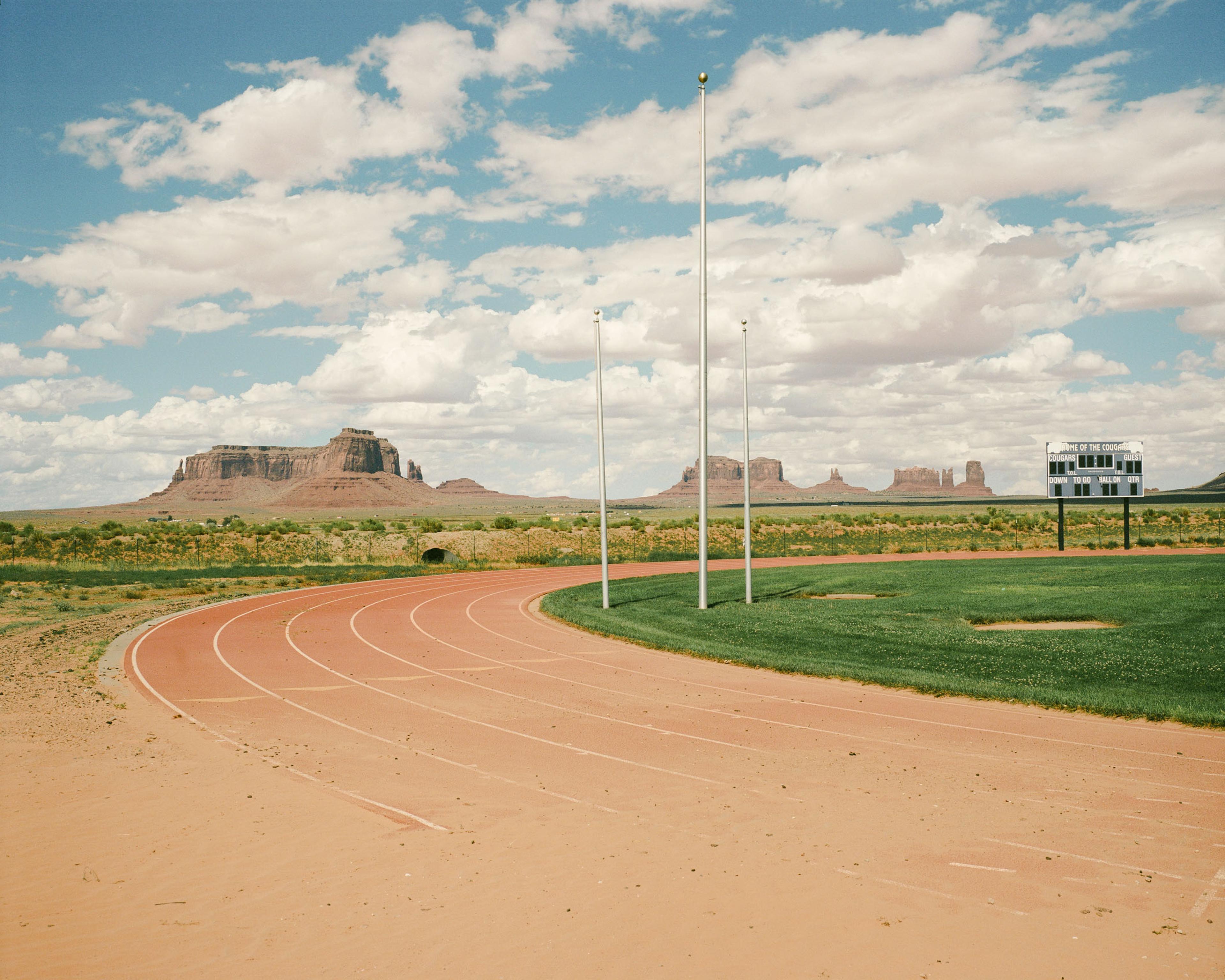
Monument Valley High School
The infield at Monument Valley High School is the only grass turf in the entire region–presenting a stark contrast to Washington County, UT.
Monument Valley High SchoolThe infield at Monument Valley High School is the only grass turf in the entire region–presenting a stark contrast to Washington County, UT.

“Water is Life. People in the cities take it for granted and water their plants and grass, here it’s precious. We think of water as a deity. Water is living.”
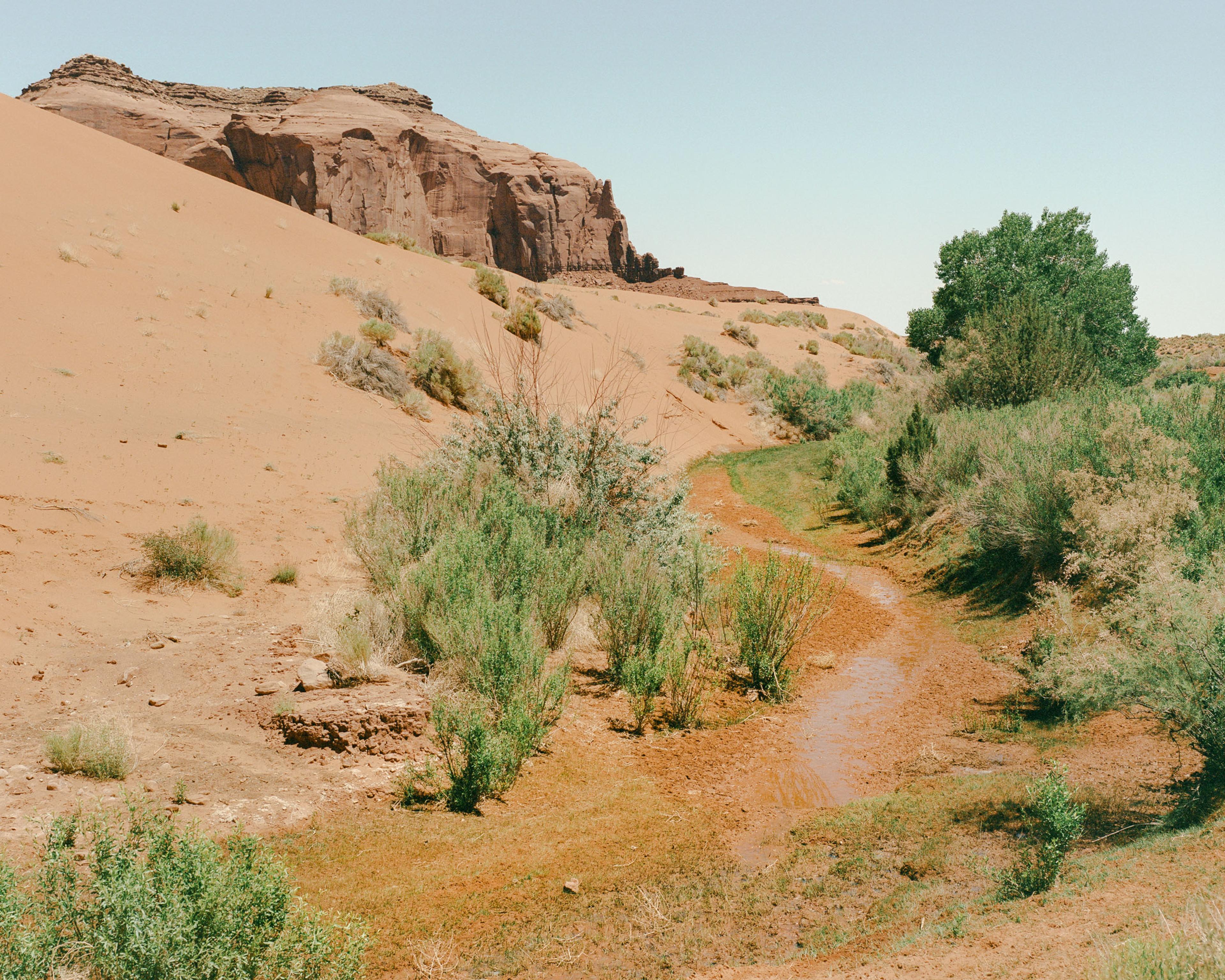
Tom Holiday, Navajo Nation Native

At the Source
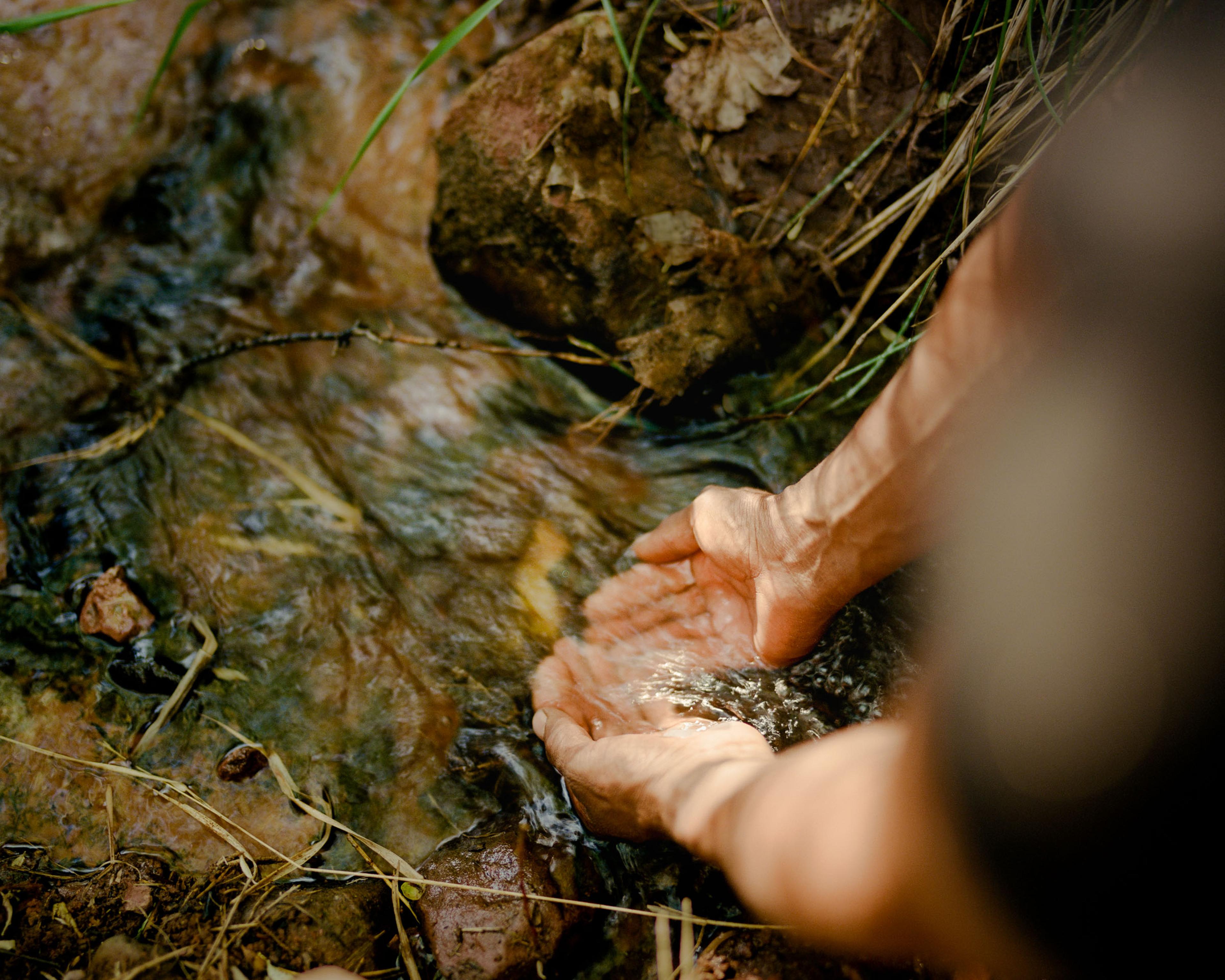
Sand Spring is one of five springs in Monument Valley that are used by residents. With a long legacy of uranium mining in the area and throughout the Navajo Nation, water quality presents a serious concern as the Diné experience some of the highest cancer rates in the nation.
At the SourceSand Spring is one of five springs in Monument Valley that are used by residents. With a long legacy of uranium mining in the area and throughout the Navajo Nation, water quality presents a serious concern as the Diné experience some of the highest cancer rates in the nation.

Eli Neztsosie

On a brutally hot day, Eli Neztsosie fills his family’s cattle troughs, and gets a drink for himself, from his homemade water truck. The hardships of daily life have led many Diné to move off reservation and into cities with modern conveniences and more opportunity. “The way I see my remote way of living is not a luxury—it’s a necessity,” Neztsosie says.
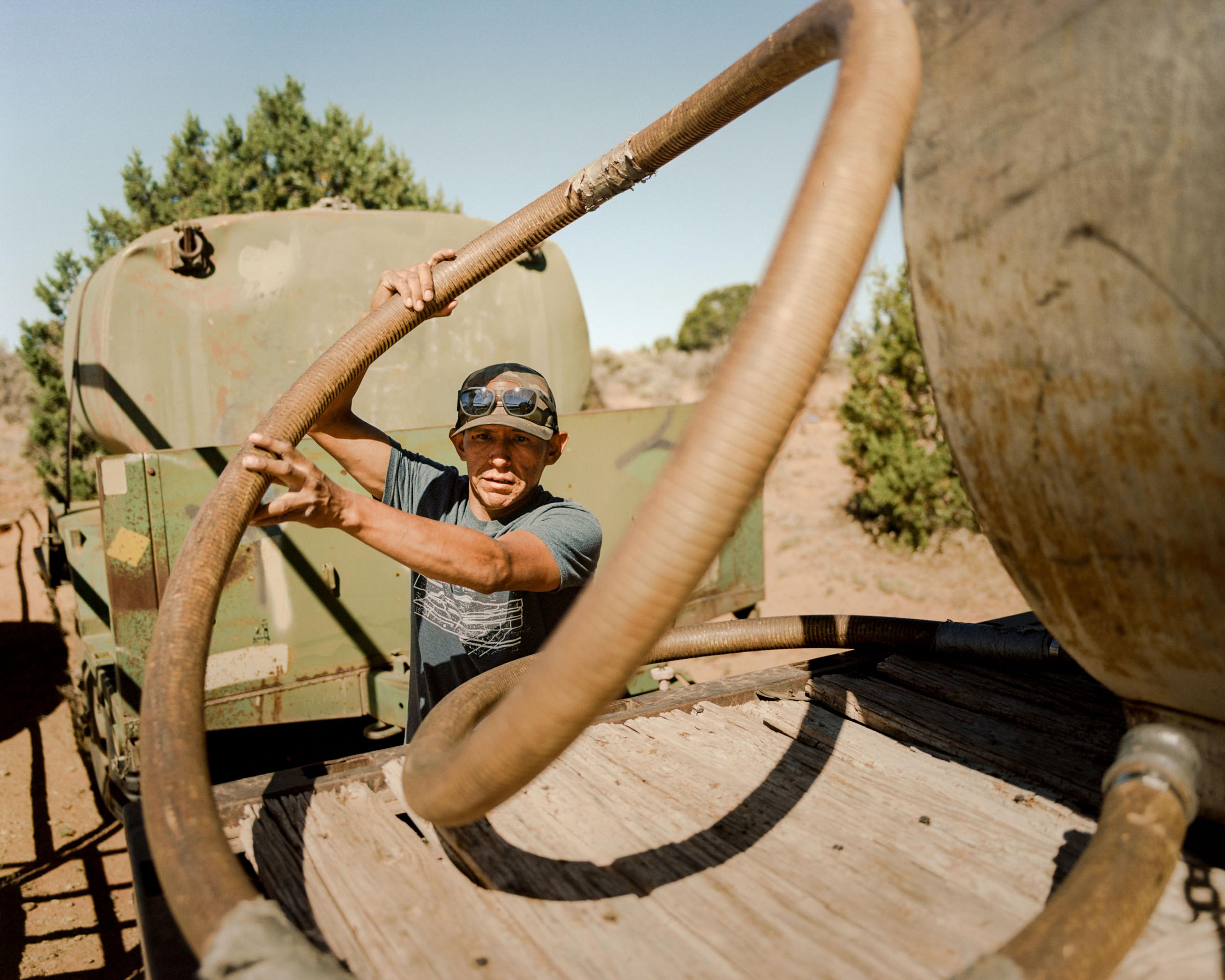

“Without keeping the traditional lifestyle you lose the language, the heritage, the bloodline. It’s the lifestyle that’s the glue, the binder that holds it all together. That in itself is the biggest sacrifice. It’s hard. It takes a lot of commitment.”
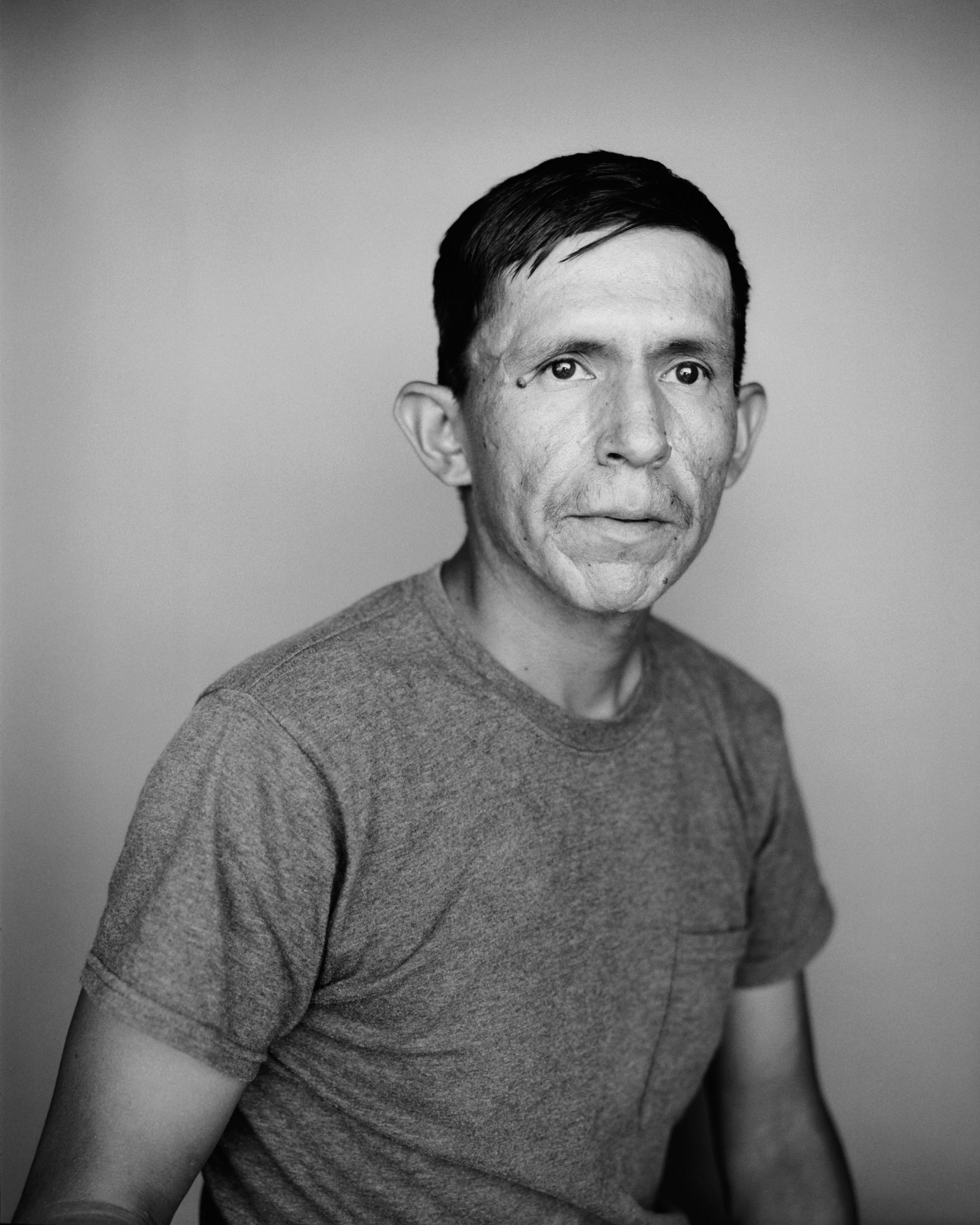
Eli Neztsosie

Linda Jackson, Monument Valley

“My kids would say, ‘Mom, did we ever have running water?’” Linda Jackson says. “And I would say, ‘Kids, we did all the running.’” The average American uses 16 gal. to bathe each day. For Jackson, a whole shower takes 2½ gal., so in the bathroom built separate from her house, she just washes her hair.
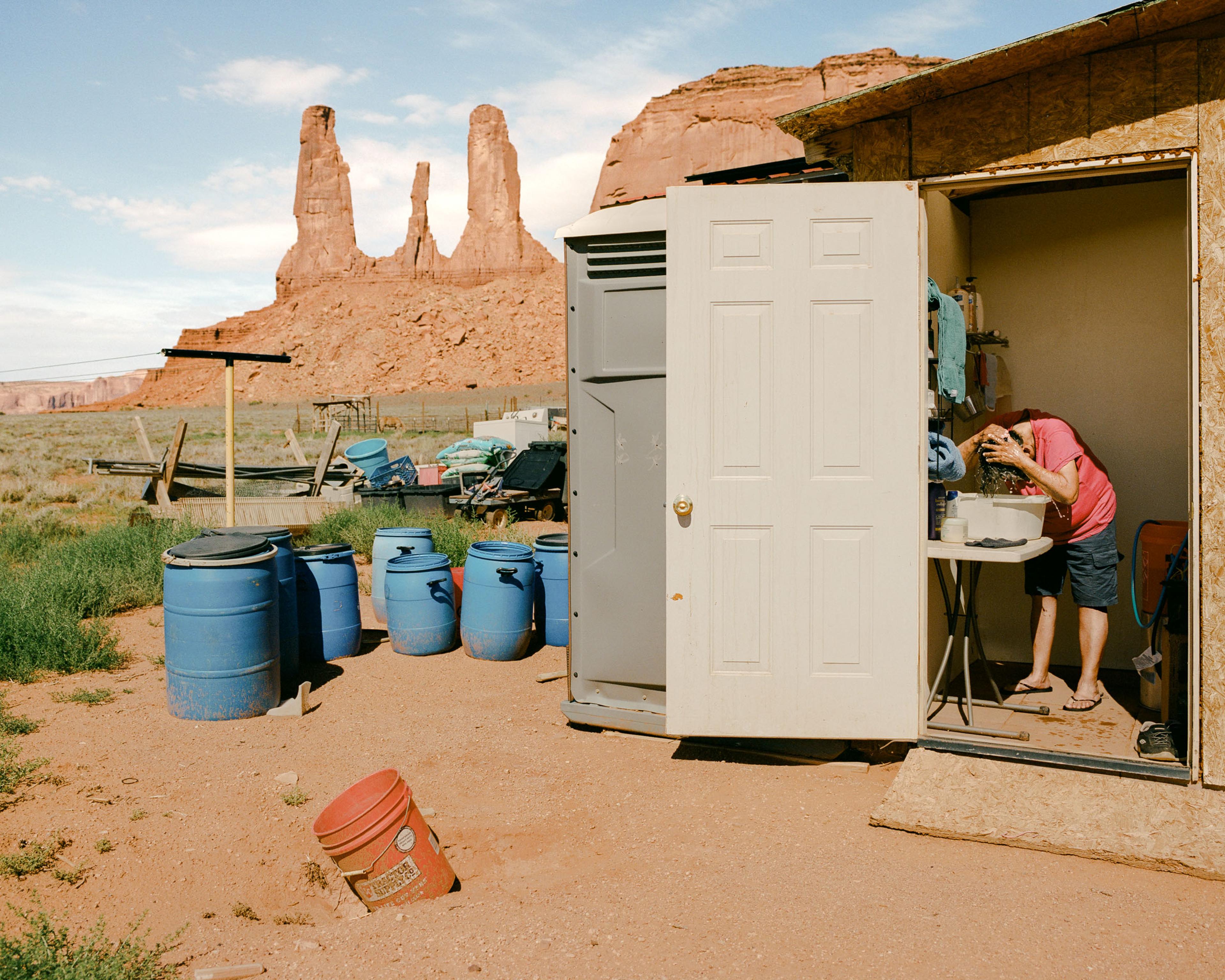

“The tribal park told us we cannot plant trees because it’ll ruin the scenery. We want to plant fruit trees to not have to rely on Walmart.Residents are suffering for the preservation of beauty. I told them, "Why didn’t you say that when you drilled the uranium mines?"”

Linda Jackson

Effie Yazzie

According to the nonprofit DigDeep, the Diné are 67 times as likely to lack running water as the average American, and spend 71 times as much for what they do get. Yazzie can opt to fill the 300-gallon truck-bed tank either in Goulding, 45 rough minutes away, where lines often stretch three hours, or fill from natural springs in the area, and risk contamination from livestock and uranium. The readiest access comes during the summer monsoon months, when water sometimes collects in shady canyon recesses.
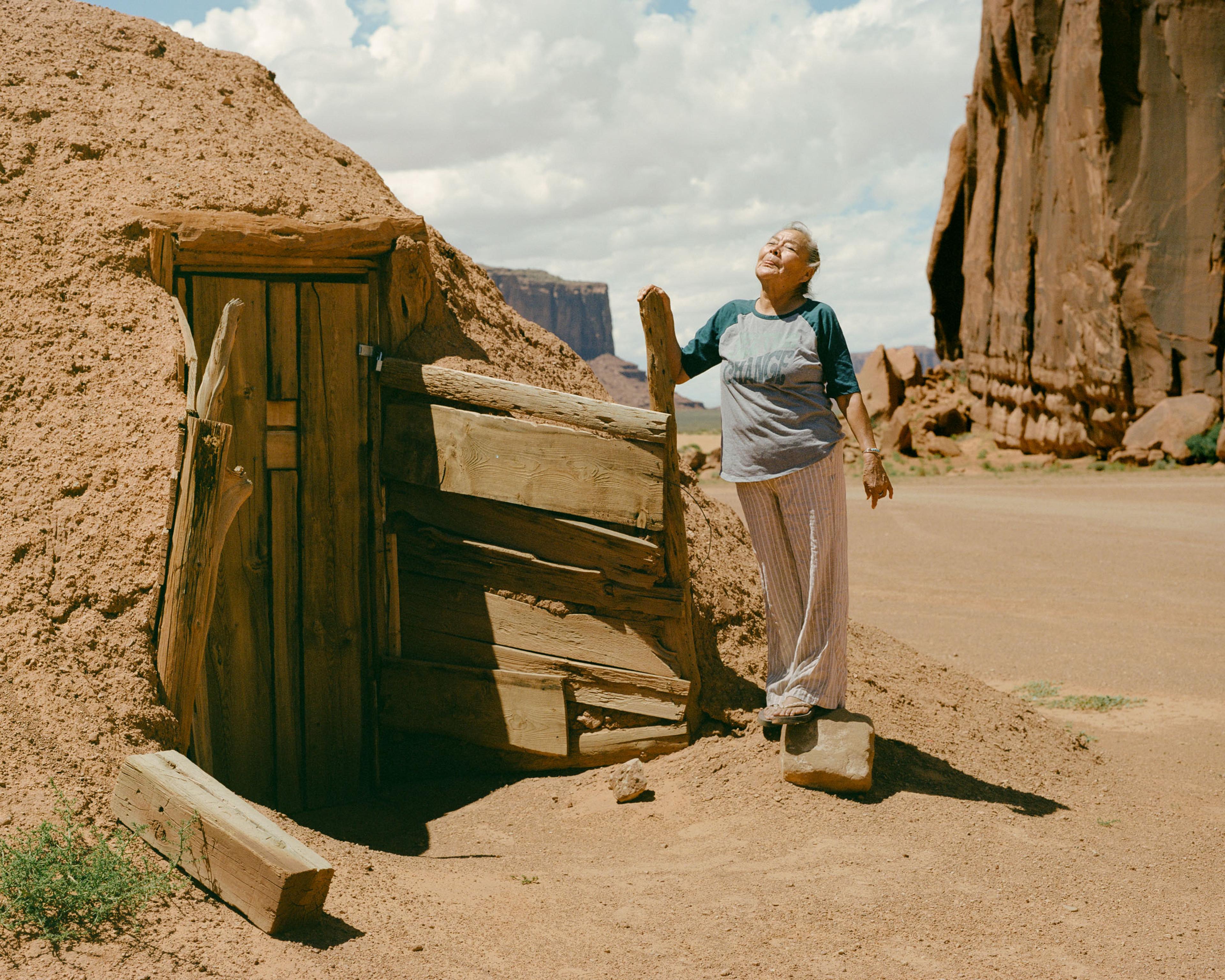

 Effie Yazzie relishing a day at home outside the hogan her mother lived in.
Effie Yazzie relishing a day at home outside the hogan her mother lived in.
Family photos line the wall of Effie Yazzie's home. Her family has lived in Monument Valley for generations prior to it gaining fame through Hollywood Westerns and the creation of the Tribal Park.
Effie Yazzie pulls into her yard with a full load of water during a long day of making multiple trips to fill the animal troughs and the barrels that surround her home.
Effie Yazzie fills from a spring in Monument Valley that Dr.Tommy Rock upgraded with a water tank.

Nolan Stevens, Cameron, Ariz.

“One of the reasons I left is because there’s no economy here, no jobs. As a result, my kids grew up off the rez and they lost some of their identity. Down here, you see a lot of people who’ve given up, given up hope. They leave. So, I figured I should do something, and agriculture might be the way–to grow food for my community.”
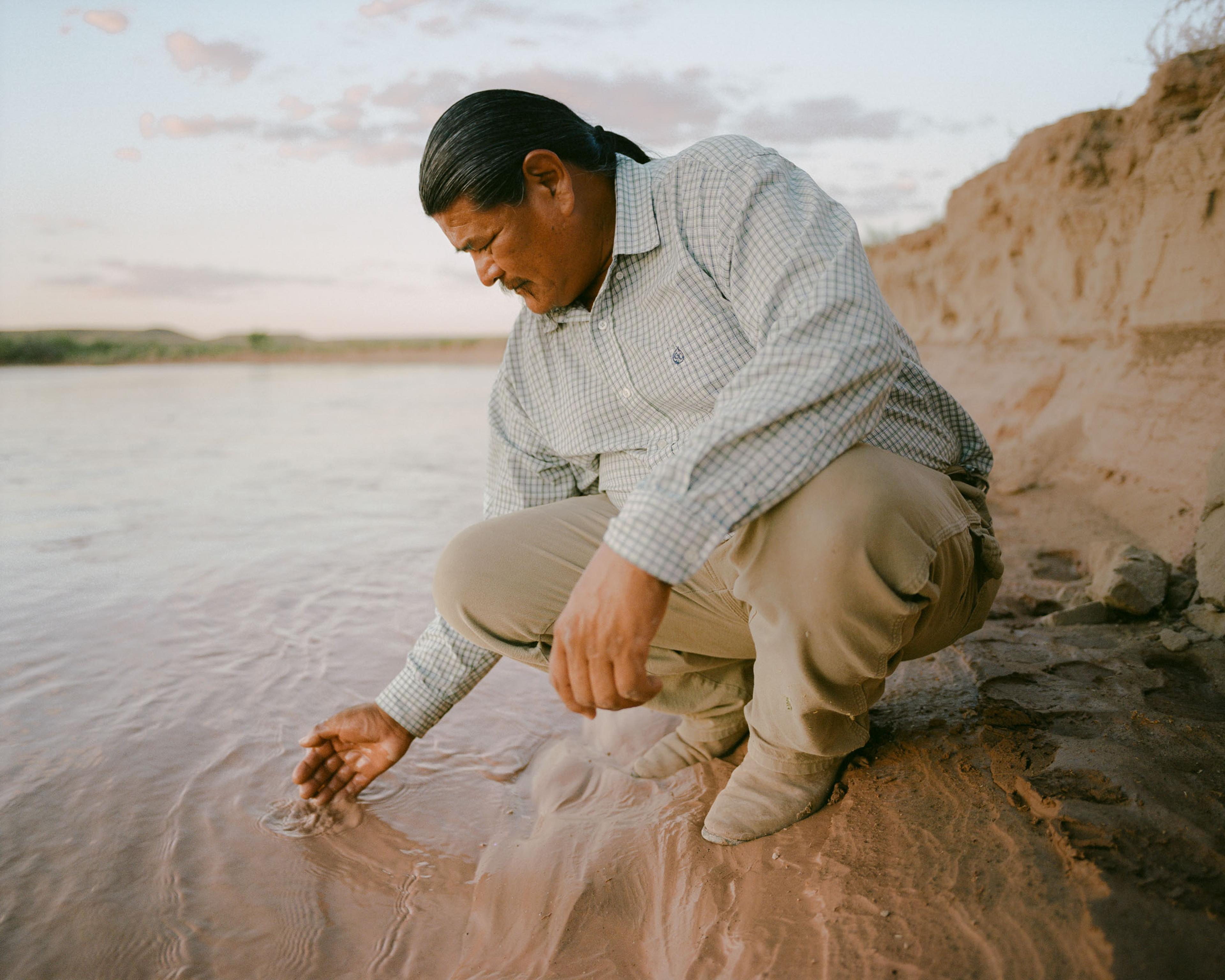
Nolan Stevens
Nolan Stevens dips his hand into the Little Colorado River, the water supply that sustains his four-acre corn farm.Elliot Ross for TIME

“Most of the infrastructure is owned by the Navajo Nation–they have a monopoly. So farming is one of the only things a private citizen can do. Which is why I want to do it–to bring my family back to the land.”
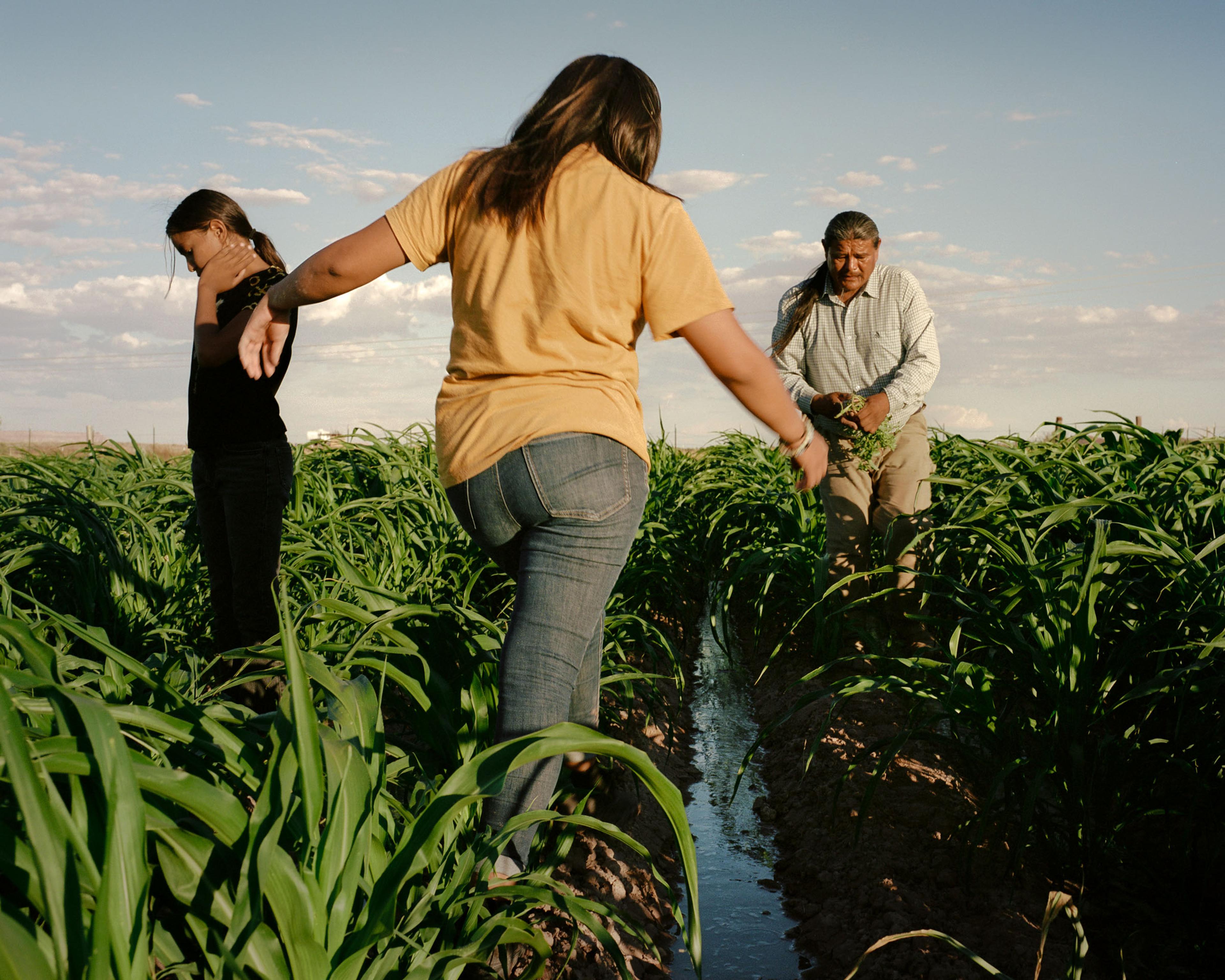

Nolan Stevens

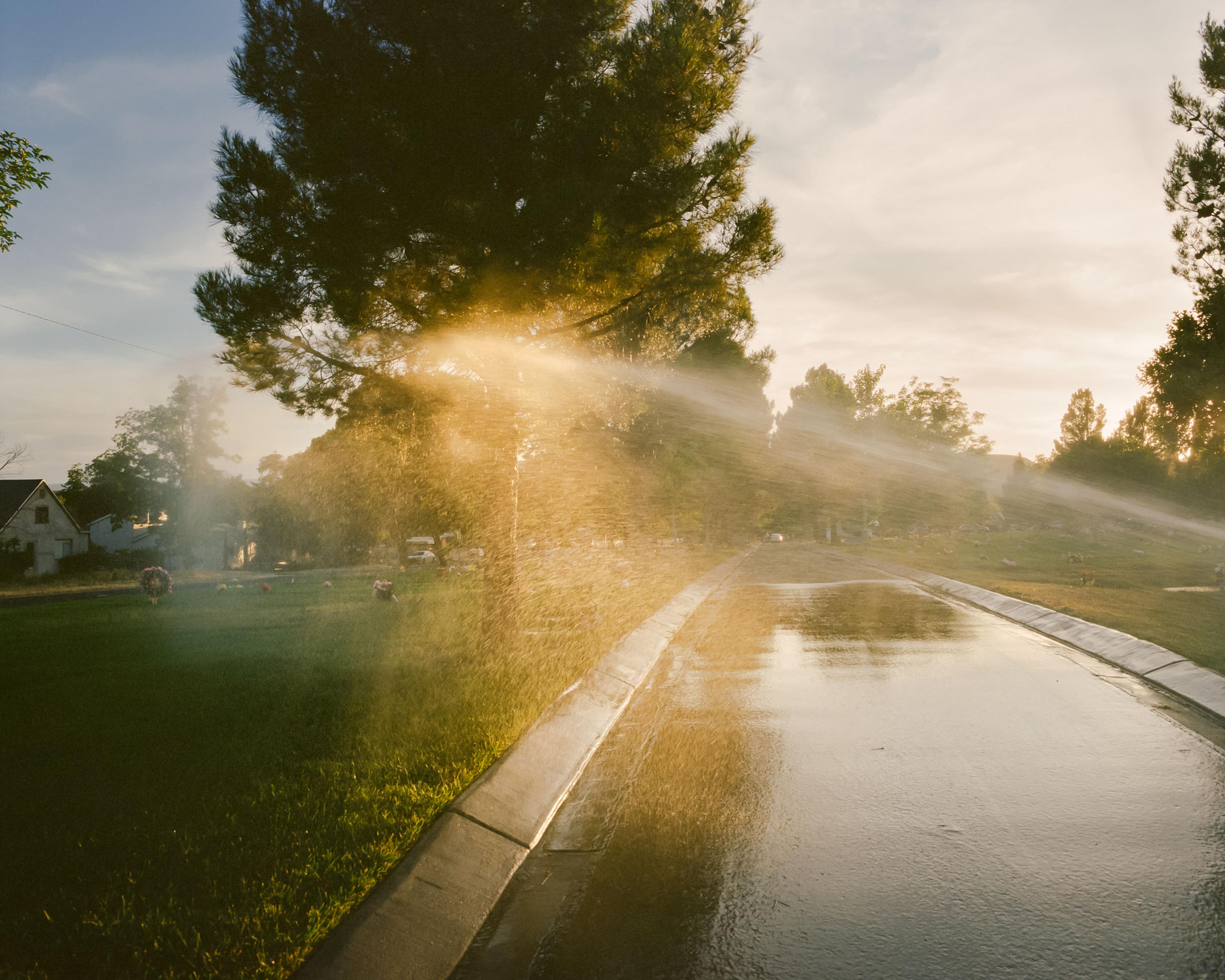
St. George City Cemetary sprinklers
Sprinklers running in triple-digit heat at St. George City Cemetery in Washington County, Utah. Encompassing parts of Zion National Park, Washington County is where the Colorado Plateau, the Great Basin, and Mojave Deserts converge in a unique abundance of biodiversity and postcard-worthy landscapes. This beauty most certainly contributes to Washington County’s spectacular growth. Its population has grown 1,210% since 1970 to 197,680 residents as of 2022. The Kem Gardner Institute projects a maximum carrying-capacity population of 950,000 people for this once-quiet Mormon agricultural county–a figure that water planners are building towards supporting.Elliot Ross
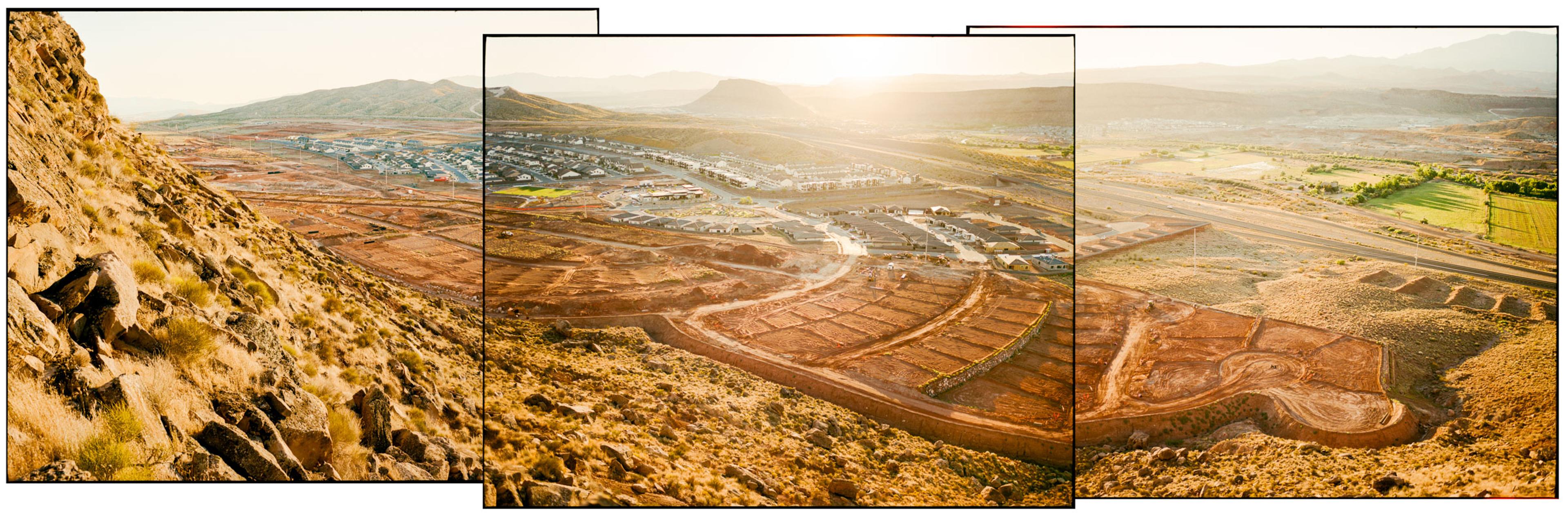
Long Valley Development
A Developing StoryThe growth of Washington County is defined by sprawling new master-planned communities like “Long Valley,” a 600-acre development by D.R. Horton, the nation’s largest homebuilder.Elliot Ross for TIME
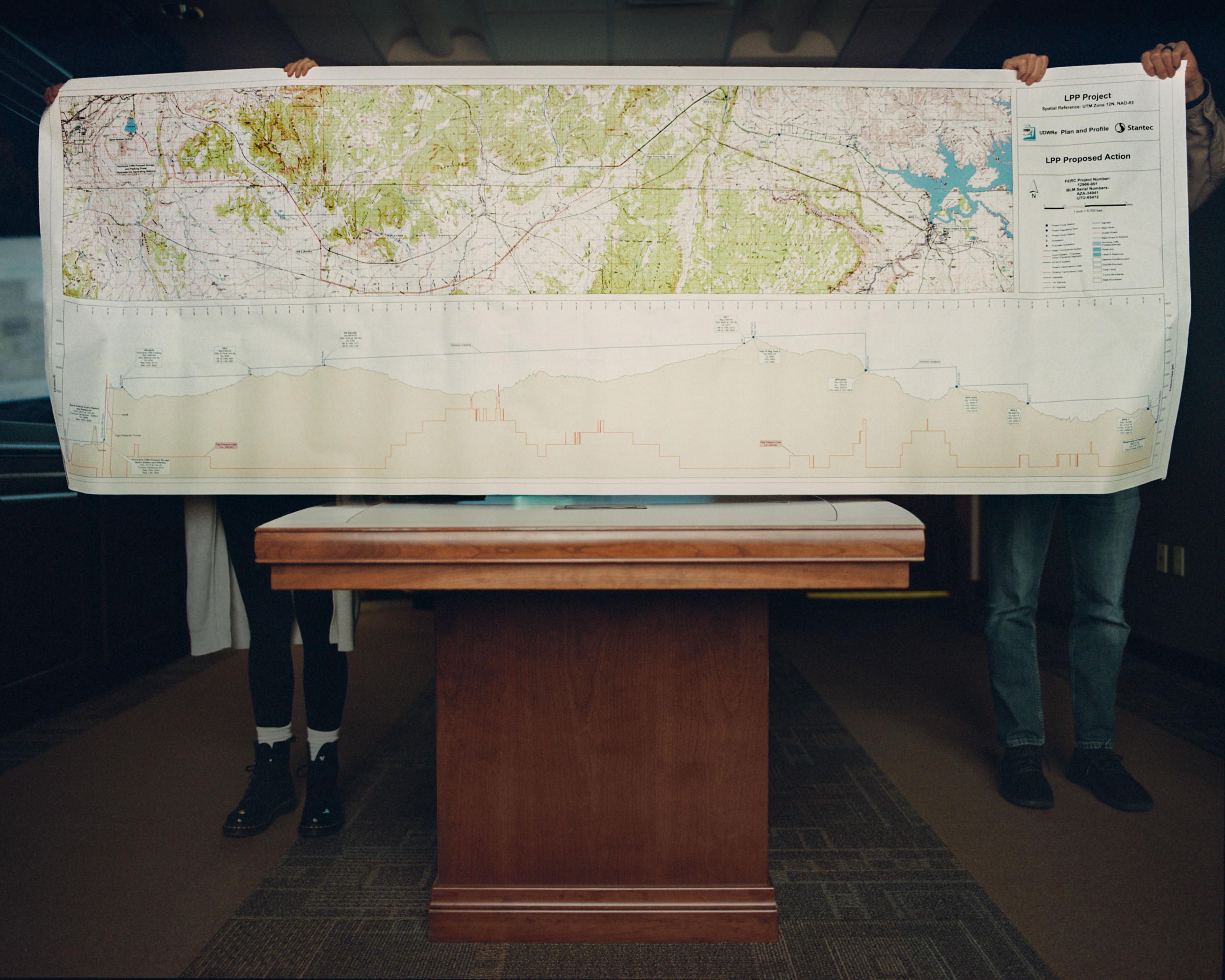
WCWCD (Washington County Water Conservancy District) Infrastructure / Lake Powell Pipeline Drawing
Lake Powell Pipeline Morgan Drake and Brock Belnap, two of the people behind the District’s Lake Powell Pipeline project, hold up blueprints for the controversial scheme that would involve 13 pumping stations pushing water 2,000 feet uphill and across 140 miles west to Washington County.Elliot Ross for TIME
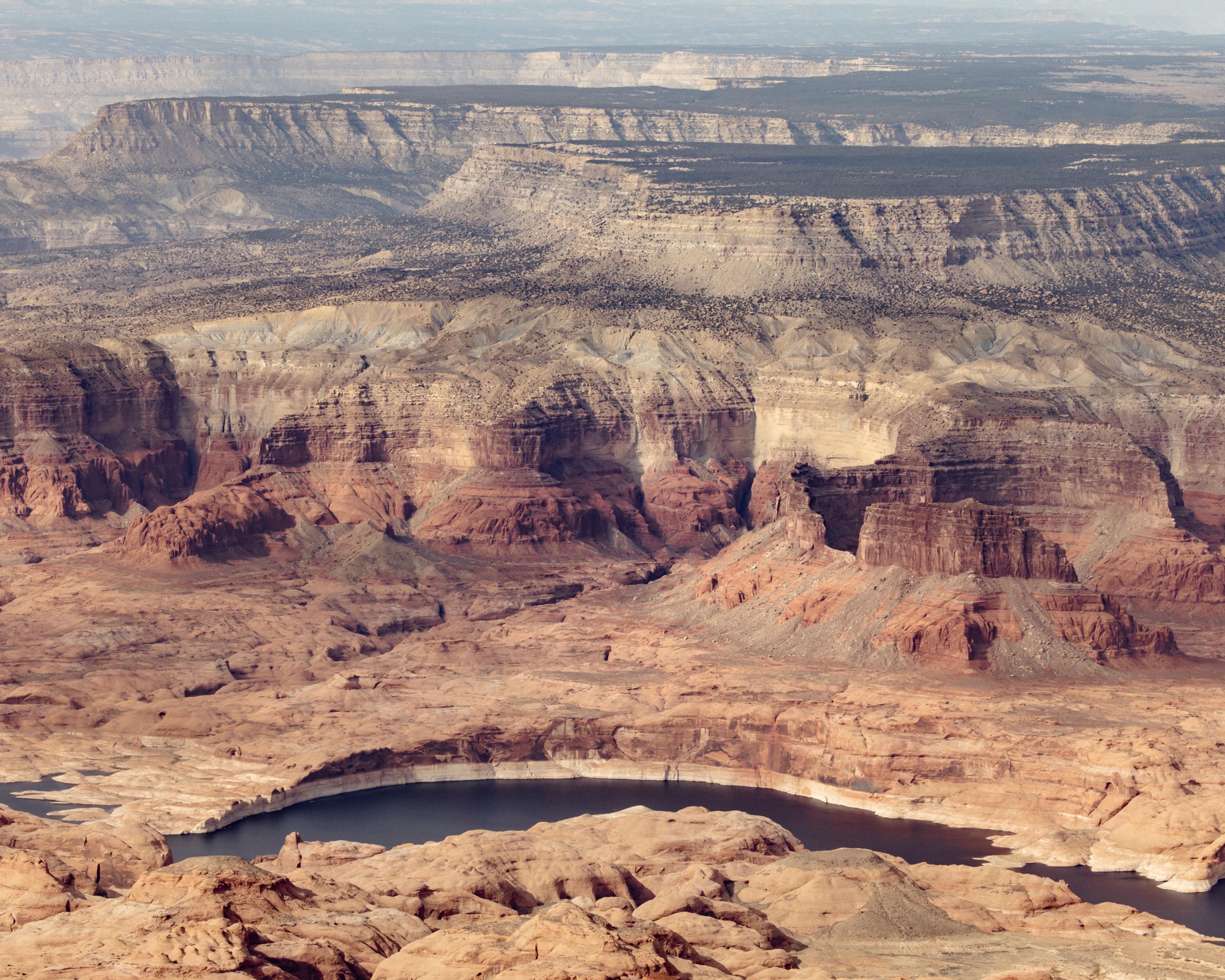
view from atop Navajo Mountain
Diminishing SupplyOver the course of the 24-year megadrought, Lake Powell has dwindled to roughly a quarter of its capacity in recent years.Elliot Ross for TIME

Use It, or Lose It

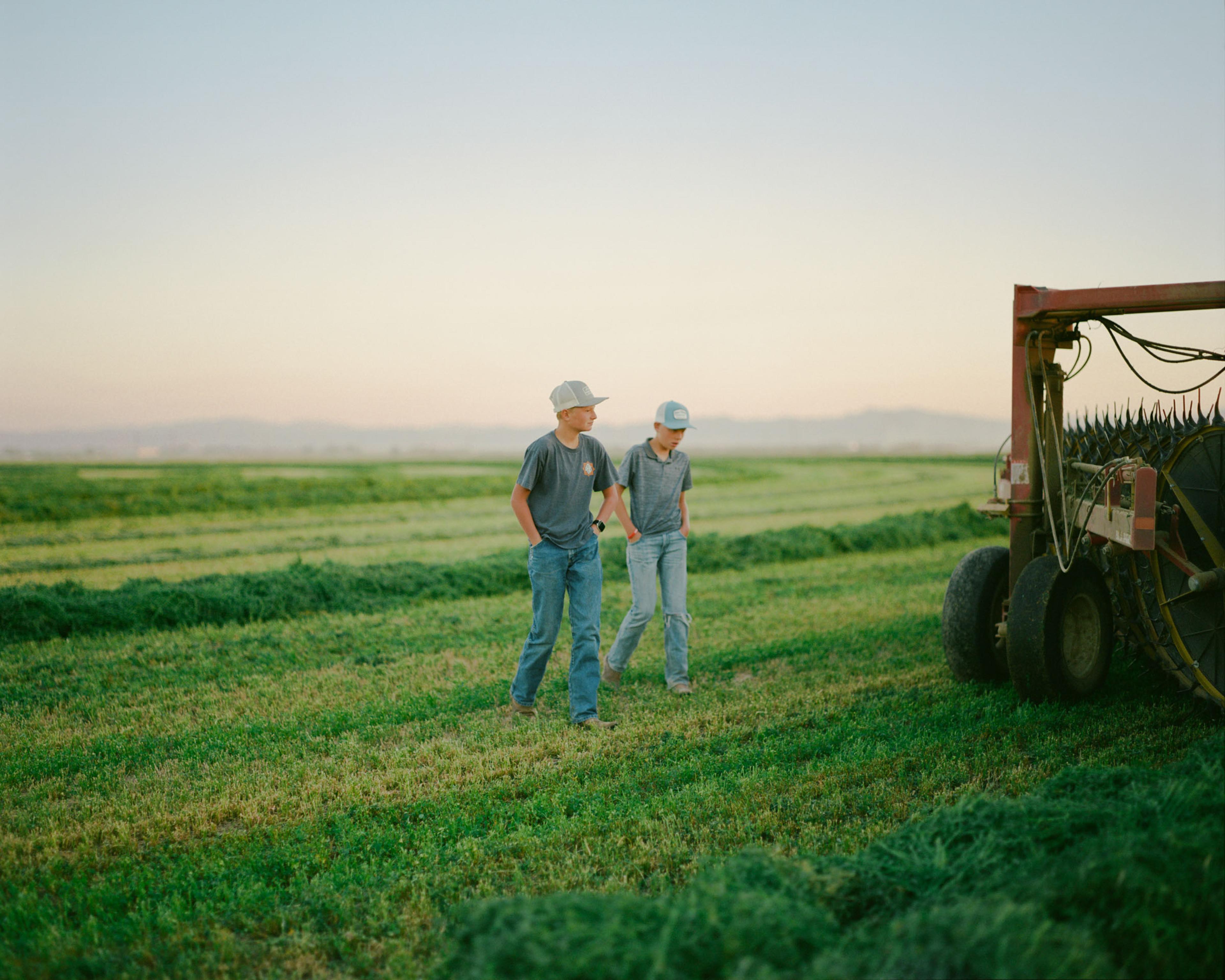
“We need to learn how to thrive with half the water, two generations down the line,” says sixth-generation farmer Randall Holt. Holt Farms LLC, one of the area’s largest employers, relies almost entirely on groundwater in an arid valley that has seen some of the nation’s worst aquifer depletion. In collaboration with the State of Utah, the Holts are trialing a voluntary approach to water use that challenges the “use it or lose it” principle that defines Western water rights—trading consumption for flexibility in a cooperative effort to bring the system back into balance. In the Colorado River Basin, perhaps the most contentious debate centers on the question of whether agriculture should be allowed to use so much water.

Randall Holt and a pile of freshly ground alfalfa, ready to be compressed into cubes for export overseas.

“We need to figure out how to survive with half the water, two generations down the line.”
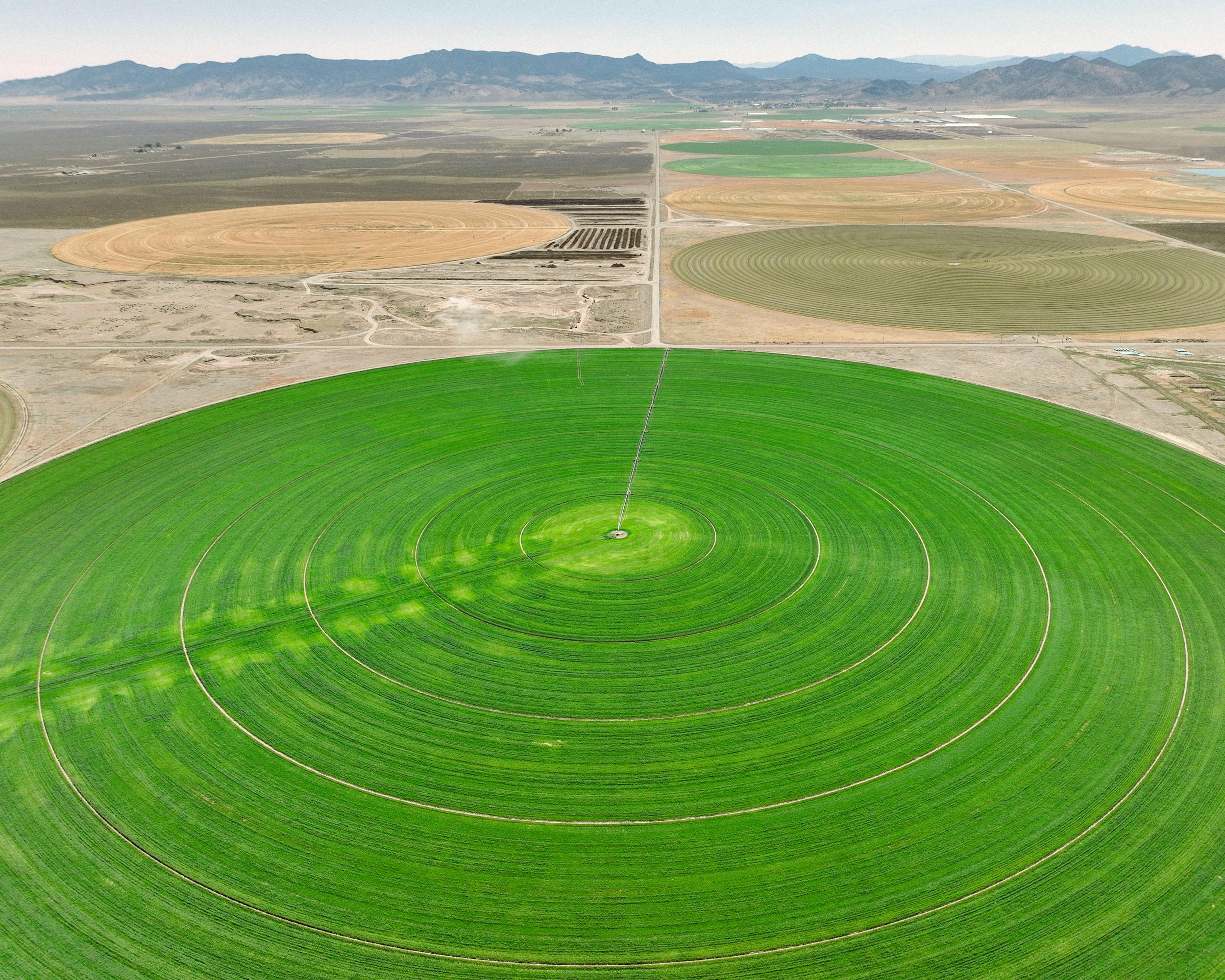
Randall Holt

Alfalfa is the thirstiest of the crops that consume 86% of water in the West. These fields that straddle an arid valley in Washington and Iron counties rely on an aquifer that ranks among the fastest declining in North America. In addition to trialing innovative water-saving policies, the Holt Family is experimenting with a wheat-rye hybrid called triticale that requires less water than alfalfa.

“If you don’t have food, you have a lot of problems. If you have food, you don’t have one.”
Randall Holt

WCWCD (Washington County Water Conservancy District) Infrastructure / Sand Hollow Reservoir
The Sand Hollow Reservoir at full capacity.Elliot Ross for TIME
Water Equity Roll 28
The Virgin RiverThe Virgin River, a major tributary to the Colorado River, courses its way beneath a new housing development in La Verkin, UT. Washington County is completely dependent on the fully appropriated Virgin River Basin which is especially vulnerable to the impacts of climate change. Starting in the late 1800’s, engineers began moving rivers to people in the American West. Today, 82% of major Western rivers and 99% of Utah’s rivers have been altered by human development. In the West, the average length of rivers has been reduced by 84%, with 21% no longer freely flowing.Elliot Ross for TIME

“Why should I compromise the things that bring me enjoyment when alfalfa is still being grown? I hate to say that out loud, but that’s the reality.”

Washington County Resident

Black Desert Resort

With 17 golf courses within a half hour’s drive of St. George, the contrast of green with the cracked red desert is a stunning sight. The District estimates that one in 12 gallons of its water goes to keeping all of this grass alive, which contributes to the county’s ranking as one of the thirstiest place in America. The love of grass and greenery in Mormon Country is both cultural and emotional. The prophecy of Isaiah 35:1, “the desert shall rejoice, and blossom as the rose,” has long guided the Latter Day Saints in their efforts beginning in 1847 to replumb many of Utah’s rivers to serve their communities.


The $1 billion Black Desert Resort.
For the first time in 60 years, the PGA Tour is stopping in Utah in October, at the newest of Washington County’s 17 golf courses. In the final stages of completion, Black Desert boasts “600 acres of diverse terrain.” Its construction within a lava flow has been controversial, some residents asking, “How many golf courses do we need?”
A 2.4 acre, four-million-gallon private swimming pool with a half-mile shoreline, sits at the heart of a new master planned community in Washington County–one of approximxately 2,500 pools in the county. Fed by the developer’s groundwater wells, it is one of the ten largest freshwater pools in the world.
A 2.4 acre, four-million-gallon private swimming pool with a half-mile shoreline, sits at the heart of a new master planned community in Washington County–one of approximately 2,500 pools in the county. Fed by the developer’s groundwater wells, it is one of the ten largest freshwater pools in the world.

With additional reporting by Avery MacLear

Must-Reads from TIME