










It’s been a banner year for Capcom fans. On the heels of Resident Evil Requiem, we now get Pragmata, a totally new sci-fi shooter that offers not only an intriguing premise but also a boatload of the latest technical features to tantalize PC gamers. We've tested Pragmata across 18 GPUs over the past few days to find the best ways to play.
Pragmata tells the story of Hugh, the only surviving member of an ill-fated lunar rescue team, and Diana, an adorable android with handy hacking skills, as they work together to navigate a giant 3D-printed lunar facility called the Cradle. They face off against an AI overseer and a menagerie of additively manufactured robots that are all working to stop their attempts to escape.
This title’s core combat blends strategic gunplay (courtesy of Hugh) and puzzle solving under pressure (courtesy of Diana) to blast bots back into the Lunafilament from which they’re made. That blend of mechanics immediately feels fresh and rewarding, and in tandem with its intriguing lunar setting, it’s one of the few games of late that’s really grabbed me and made me want to play through to the end.
Article continues below
Beyond its catchy premise, Pragmata is a technical tour de force, and that’s been my focus as I’ve tested over a dozen graphics cards with it over the past few days. Like Resident Evil Requiem, it uses the latest RE Engine to deliver path tracing for realistic lighting effects on cutting-edge hardware.
On AMD, you get FSR 3 upscaling as a baseline and FSR 4 support with Radeon RX 9000-series cards, as well as welcome support for FSR ML Frame Generation. Older RX 7000- and RX 6000-series cards only get FSR 3 upscaling and framegen, and we can confirm that FSR 4 is a noticeable step up, especially for framegen. Intel Arc gamers don’t get any XeSS features, so they’ll have to rely on FSR 3 for a performance boost, as well.
Image quality comparisons and notes
Before engaging in performance testing, we played through a few hours of Pragmata and made some notes regarding the benefits and shortcomings of each available rendering mode: pure rasterization, RT, and path tracing. We present these first so that you can understand what you're getting in exchange for your GPU cycles with each major rendering mode. Many of the issues and differences we call out are most noticeable in motion, but we’ve done our best to convey them via text and still images.
Image
1
of
6
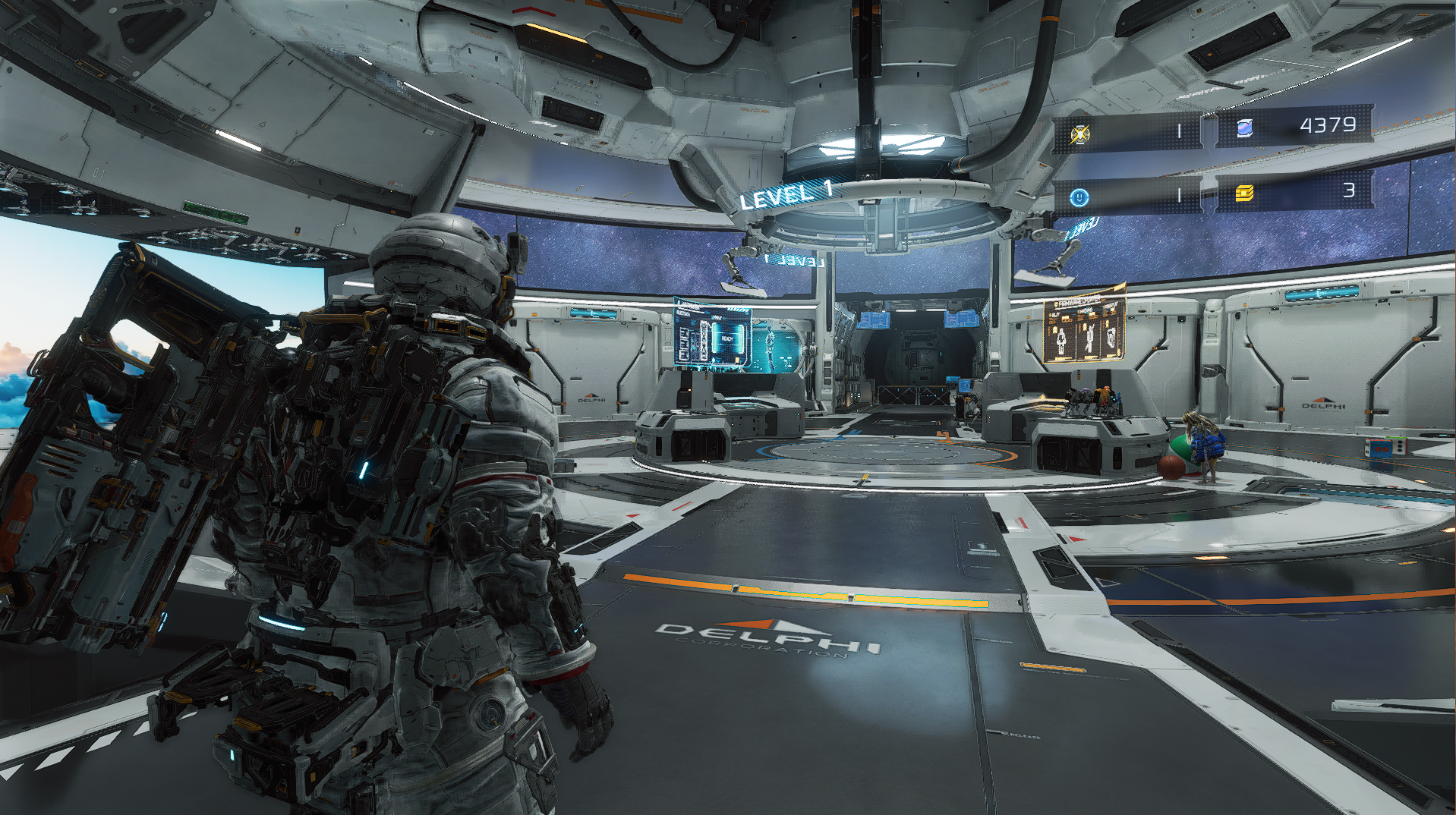
The above gallery shows raster image quality with maximum settings at 1080p, 1440p, and 4K, alternating between TAA and DLAA. (Use the button in the lower right to expand them to full screen, then click "View Original" in the lower right to pixel-peep with maximum fidelity.)
The base raster image of Pragmata with the RE Engine’s TAA is visibly and distractingly noisy or fuzzy across large parts of the scene at 1080p. Those issues are most prominent in reflections, and given how shiny everything is in the Cradle, you'll see them a lot. At best, that fuzziness is distracting; at worst, it greatly degrades image quality. Raising the resolution to 1440p or 4K helps, but not entirely. DLSS and FSR also help to clean up some of this noise, but not all of it.

Without RT or PT, you can often see prominent screen-space rendering errors in reflections and at the edges of the viewport. For example, walking over a reflection of a video screen on the floor of the Shelter hub area will “erase” large areas of it as you move, and you can see reflections disappear at the edges of the screen.
Image
1
of
2
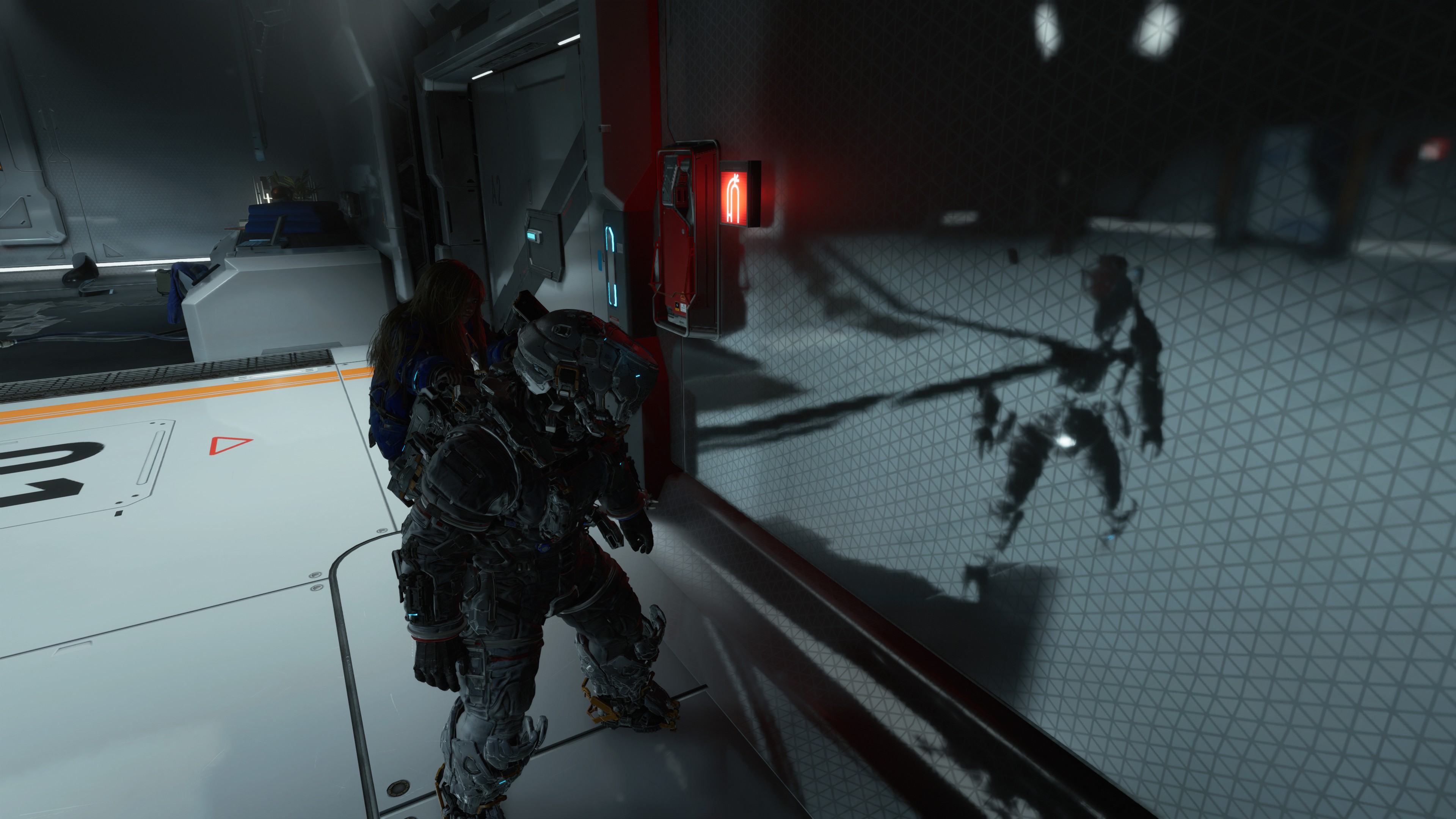
Hugh’s self-reflection will appear on some surfaces in the Cradle with rasterization, but you might see only part of his suit in that surface. These errors aren’t ruinous, but they do break your sense of immersion and remind you that you’re looking at a game, not real life. You can see how this scenario "should" look with the PT comparison image above.
Pragmata also has some other small rendering issues on all 8GB cards across vendors that feel like they made it past QA. You might notice corrupted geometry on some models with those cards that isn’t part of the game’s overall art direction. Hopefully, those minor issues get ironed out in future patches.
Ray-traced image quality
Image
1
of
3
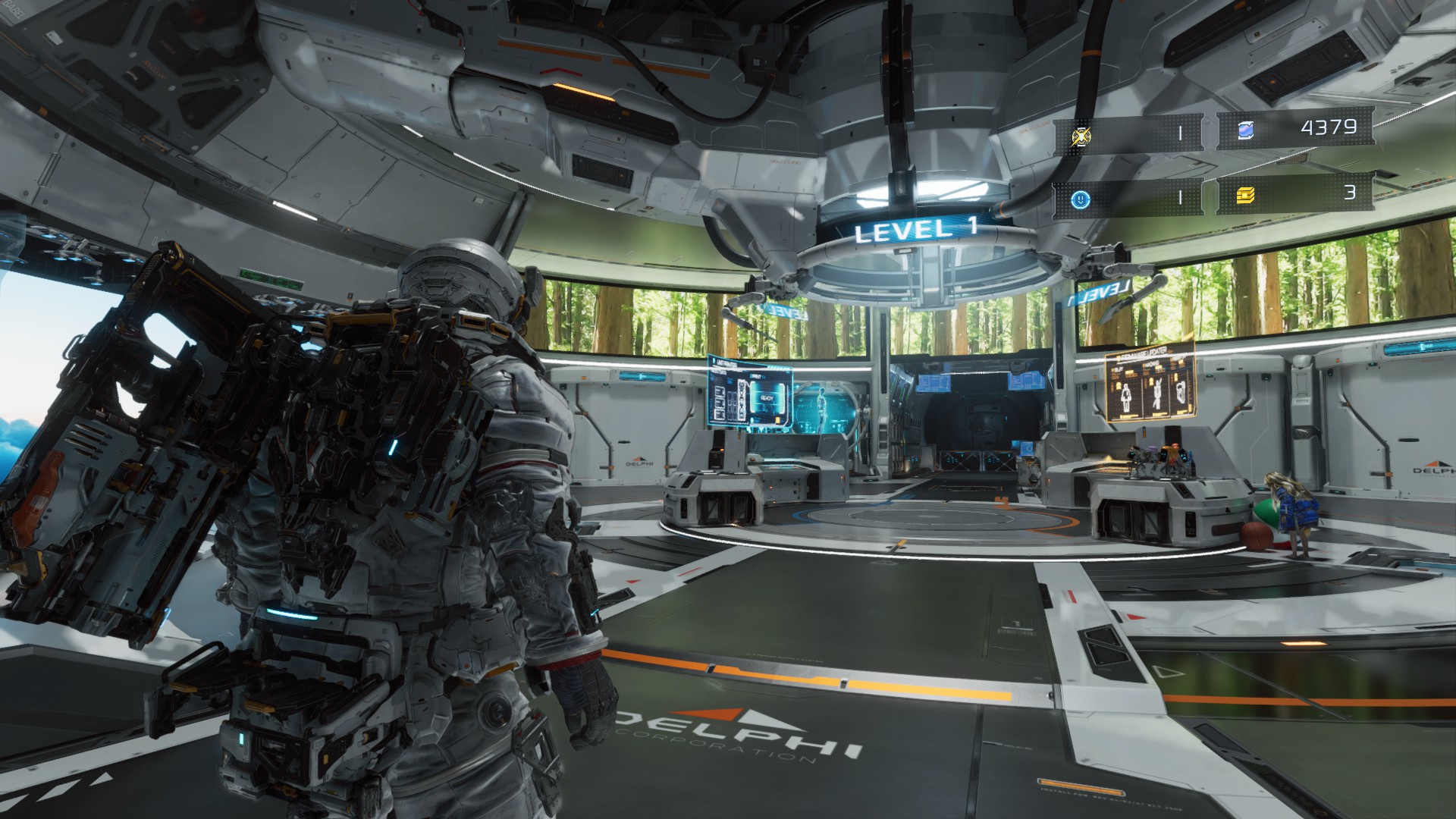
Enabling ray tracing improves the quality of reflections on some surfaces and cleans up much of the fuzziness we saw in the base raster image for all GPU vendors. As you’ll see in our performance results, it’s a fairly lightweight implementation, so it's widely usable if you want to give it a shot. The issue is that RT causes new image quality problems. It eliminates the screen-space rendering errors noted above, but the new reflections it introduces are rather faint and blobby.
Image
1
of
3
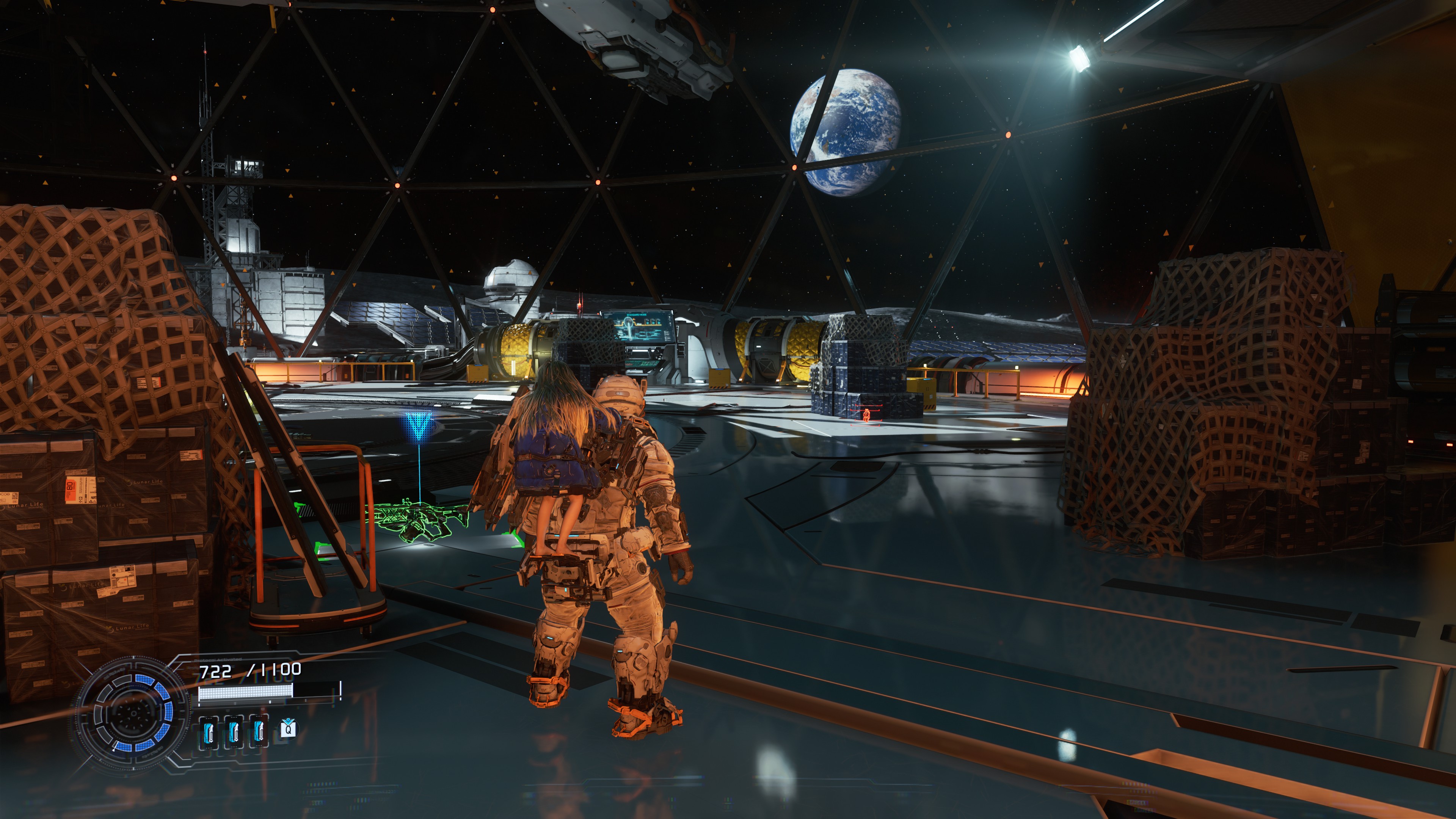
Worse, enabling RT sometimes removes large areas of convincing screen-space reflections, leading to a presentation that’s actually duller than with RT off. See the screenshots of the view of the Earth from the Cradle above, where the progression is through raster, RT, and then path tracing.
Assuming this isn’t just a bug, such massive changes in the basic appearance of the game make us want to avoid Pragmata’s basic RT implementation entirely. (Even path tracing loses the framing of the geodesic dome here, to be fair, but the difference isn't as drastic.) It's one thing if RT makes a good thing better, but it's another entirely if it makes things worse.
RT can also cause large, blotchy areas of noise in ray-traced reflections and on some surfaces. These artifacts most distractingly appear after rapid disocclusion (a near object moving in front of a more distant reflection, for example), but they can also just be present on static surfaces at random.
All that suggests the RE Engine’s in-house denoiser isn’t doing a great job, and because DLSS Ray Reconstruction is locked behind path tracing and AMD’s FSR Ray Regeneration isn’t present at all, you just have to suck it up. In general, we’d probably not enable plain old RT in this title, given the issues we saw.
Path-traced image quality
Path tracing is a major step up in image quality and stability for Pragmata, at least if you have a GeForce card. Thanks to the combination of DLSS upscaling and DLSS Ray Reconstruction, virtually all noisy or “fizzy” elements of the moving RT image are corrected, and the intrusive screen-space rendering errors we noted earlier are absent.
Image
1
of
3
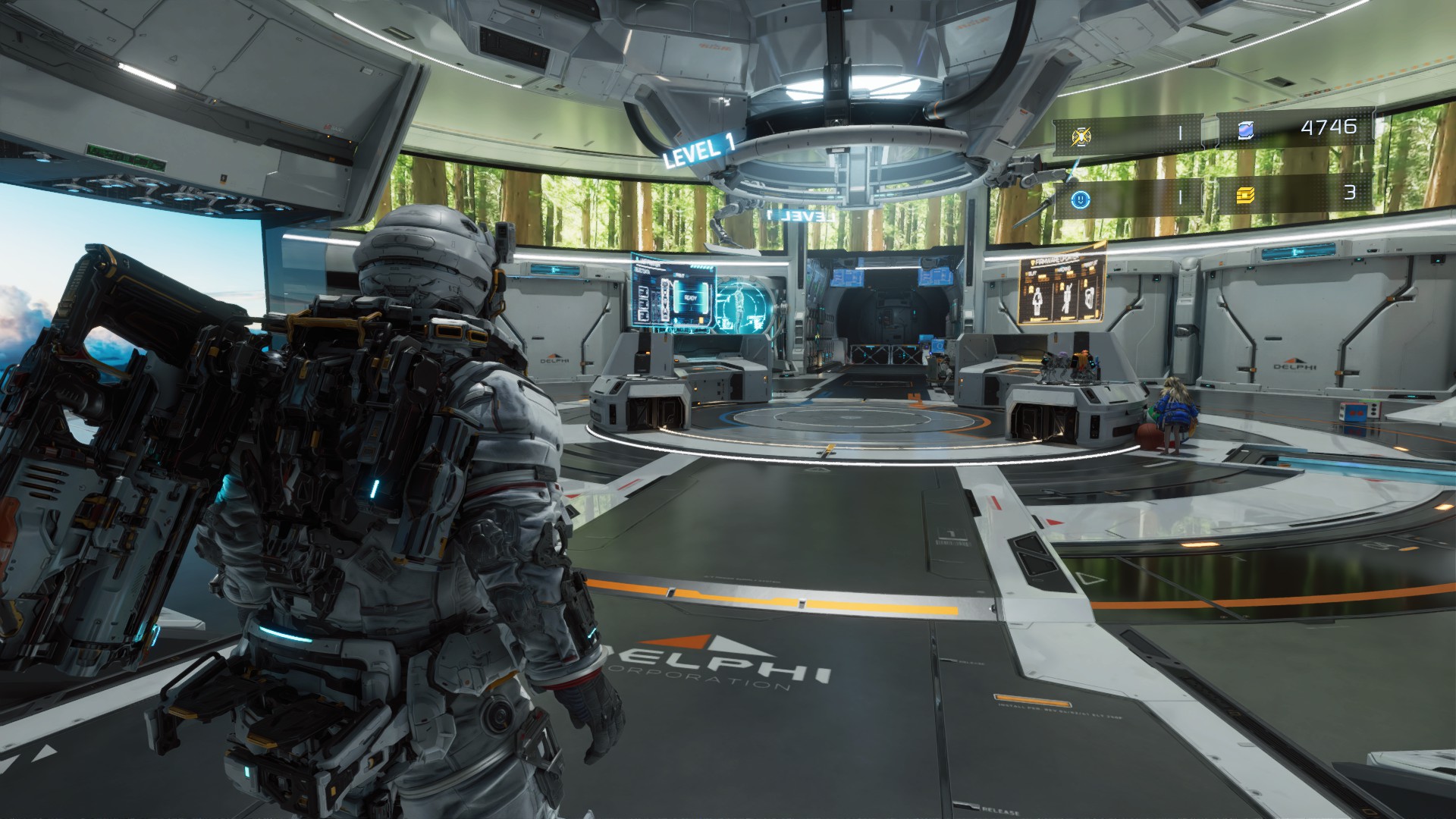
Nvidia notes that path tracing allows for better shadows, reflections, ambient occlusion, and dynamic diffuse global illumination. In practice, those effects make the Cradle feel more real and immersive. Different materials clearly reflect light in lifelike ways. Glass is much more reflective, and you’ll see vivid differences between rougher and smoother metal surfaces.
Image
1
of
4
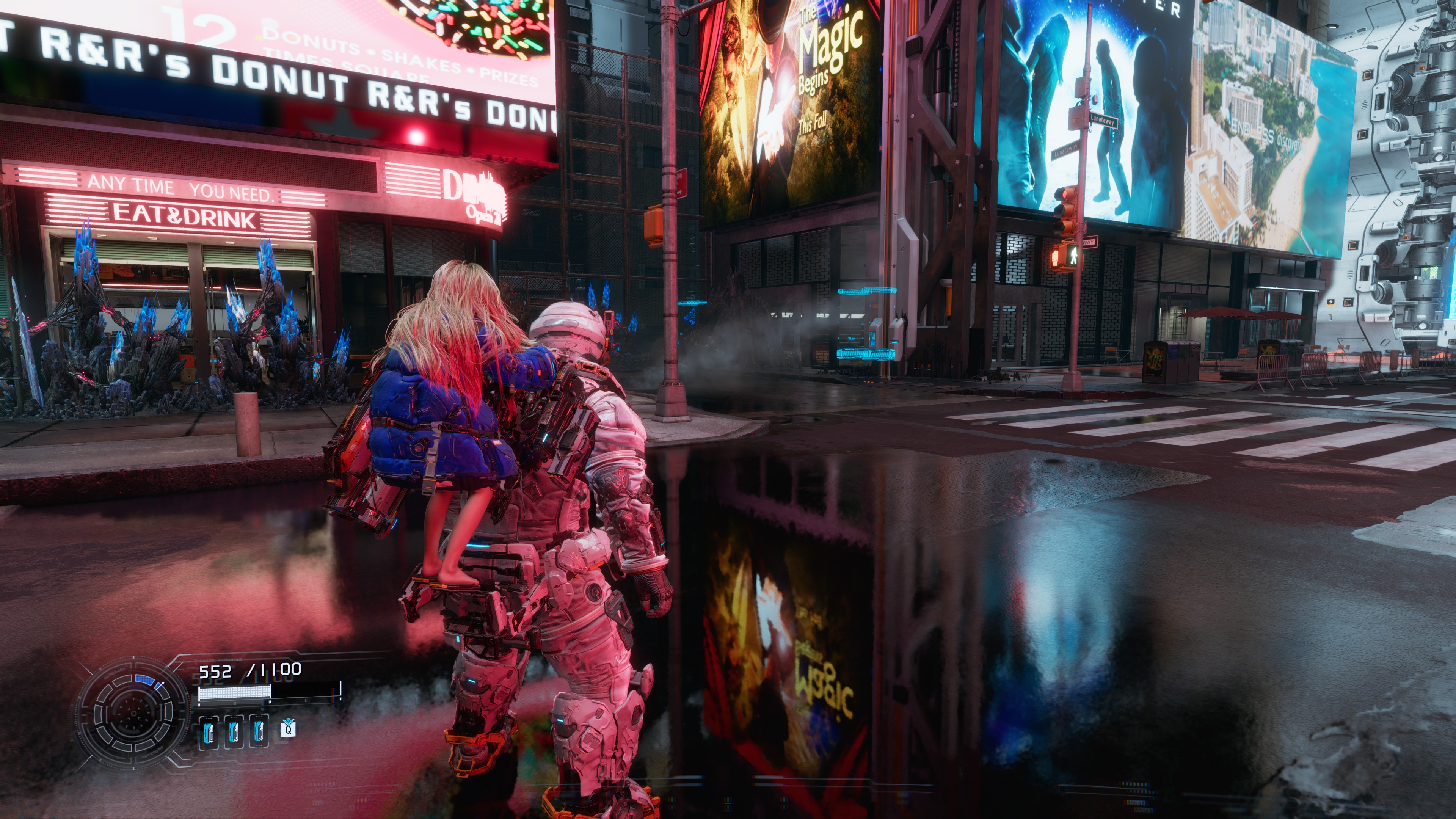
Crisp, high-resolution reflections appear on some surfaces like car windows and puddles that only get blurrier, lower-fidelity versions with RT, as you can see in the gallery above.
The best moments with path tracing come as little surprises that make you stop and retrace your steps to confirm what you just saw. For just one example, the hair stood up on the back of my neck when I saw Hugh and Diana’s eerie reflection, lit only by a nearby control panel, in a glass window in a darkened hallway. Those reflections are completely absent without RT, only weak with RT, and crystal clear with path tracing.
Image
1
of
3
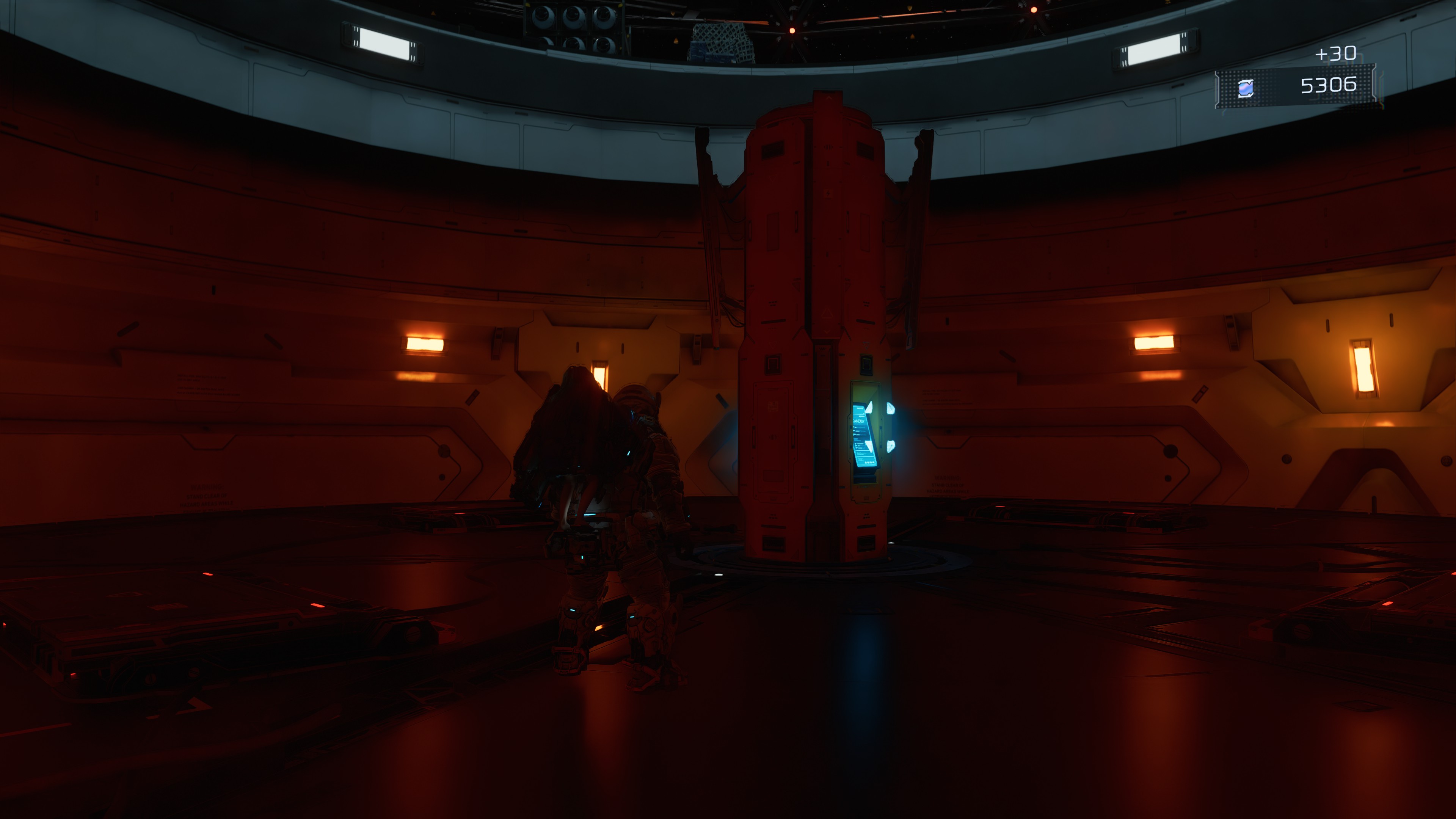
In the elevator sequence above, you can see how the first path-traced image allows the ring of red lights on the shaft walls to create deep, diffuse reflections across the entire platform surface. Those reflections are missing entirely with rasterization and RT, and the RT image is made worse by giant smears of noise that appear alongside the moving platform. It looks pretty rough in the still image here, but it's eyebrow-raising in motion.
As you’ll see in our performance results, path tracing is hugely computationally expensive, but the combination of DLSS 4.5 upscaling and frame generation makes it a surprisingly accessible experience when those features are all used in concert.
The combination of Ray Reconstruction and path tracing isn’t entirely free of issues, though. Some translucent elements of in-game computer displays or UIs that are sharp under raster or RT rendering get smeary for no apparent reason with path tracing enabled, and textures on some reflective surfaces get lost entirely in favor of perfect mirror smoothness. Since Ray Reconstruction can only be toggled on with PT, it’s impossible to isolate this issue to one setting or the other.
Path tracing also seems inconsistently applied in Pragmata. In the street scene we explored, the windows on some vehicles get the lifelike reflections you'd expect; others, just a few feet over, are stuck with the duller, blobbier reflections that seem typical of standard RT. Whether this is an oversight or an optimization decision, we're not sure, but it goes to show that technical features and art direction have to go hand-in-hand for maximum effect.
Now that we've run through Pragmata's image quality, let's see what kind of rendering horsepower it takes to deliver these results.
Our testing methods
As always, we did our best to deliver clean benchmark numbers. We took careful note of any outliers or unexpected results and re-ran tests as necessary to iron out any wrinkles in our data.
Our 2026 GPU test system uses the following components:
Swipe to scroll horizontally
Tom’s Hardware 2026 GPU Test Platform | |
CPU | AMD Ryzen 7 9800X3D |
CPU Cooler | Thermalright Phantom Spirit 120 SE |
Motherboard | Asus TUF Gaming X670E-Plus Wifi |
Memory | G.Skill Trident Z5 DDR5-6000 |
SSD | Inland Performance Plus 4TB |
Power supply | MSI MPG Ai1600TS |
Monitor | Asus ROG Strix XG27UCS, 4K 160Hz |
We tested using the following graphics driver versions from each vendor:
- Nvidia Game Ready Driver 595.97 WHQL
- AMD Software Adrenalin Edition 26.3.1 WHQL
- Intel Game On Driver version 32.0.101.8629 WHQL
We gathered our Pragmata performance data in the Interconnecting Passage area of the Mass Production Array level, which resembles Times Square and is full of cars, buses, and puddles that all catch reflections from the giant screens and signs that ring the area. It’s much more demanding than the confined interior corridors of the Cradle.
Graphics cards that can manage stable performance in the Shelter hub area or similar confined spaces can fall flat once you reach the more expansive “outdoor” areas like the one we tested, so we favored this more demanding scenario to highlight any potential performance cliffs.
Raster gaming performance
Image
1
of
3
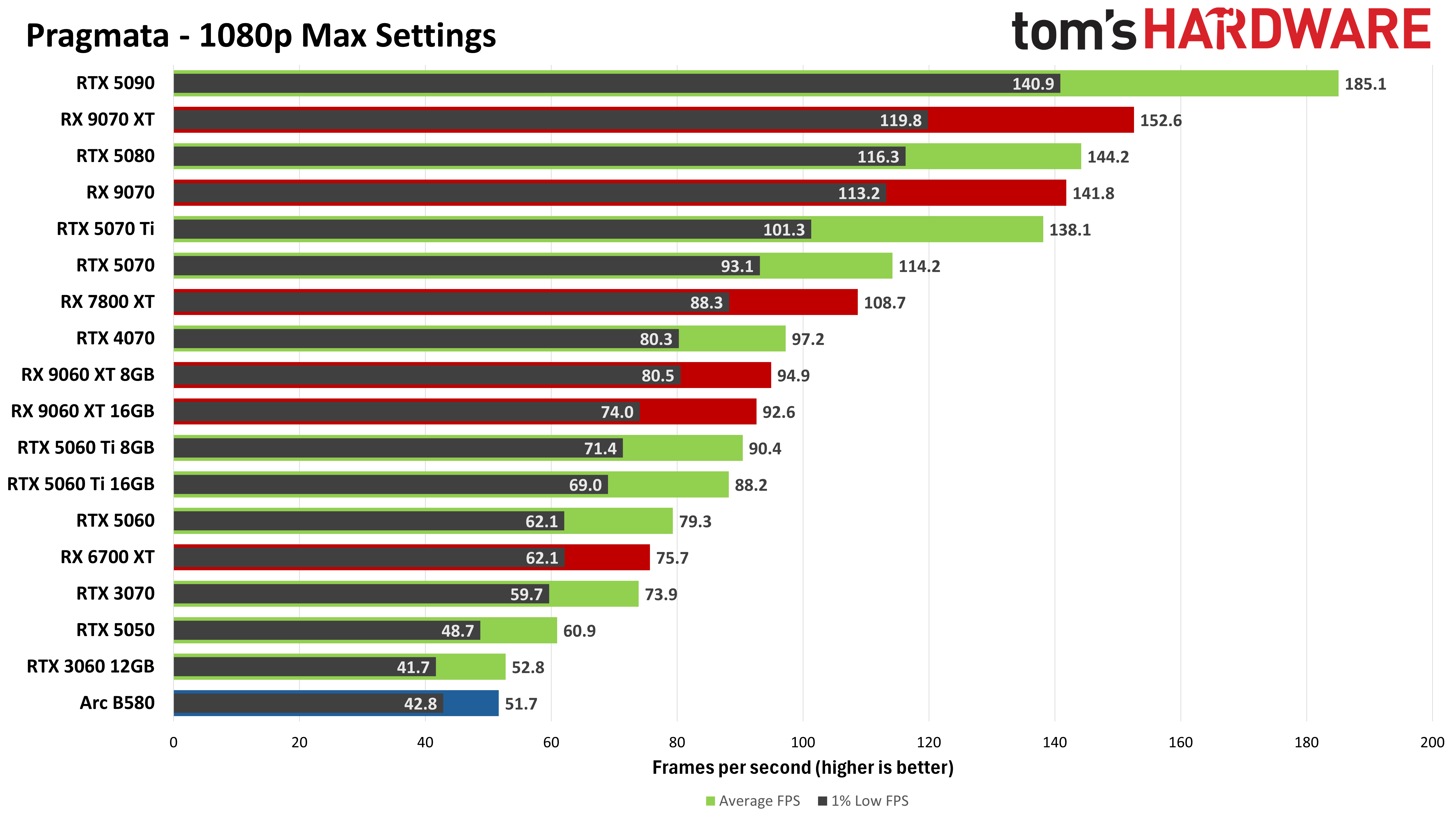
Starting at 1080p max settings, it’s obvious that Pragmata runs great on Radeons, allowing the RX 9070 and 9070 XT unusual victories over the RTX 5070 Ti and RTX 5080. But you don’t need an expensive card for a good time here. Even the RTX 5050 hands in a 60 FPS average.
The minimum-spec RTX 3060 12GB falls shy of that mark, though, and the RE Engine isn’t kind to the Arc B580, either. Both of those cards might benefit from lower settings or upscaling, or both, here.
At 1440p, 60 FPS can be had from the RTX 5060 Ti on up, and higher-refresh-rate power is easily accessible through the still relatively affordable RTX 5070 and RX 9070. At 4K, though, you’ll really want an RX 9070 or RTX 5070 Ti or better for a 60 FPS experience.
We didn’t have time to test a wide range of older cards in this title, but we were able to work in a couple for your reference. The midrange RTX 4070 and RX 7800 XT hang out near the middle of our charts across the board, while the older RTX 3070 and RX 6700 XT go neck and neck toward the back of the pack. Check out the GPU benchmark hierarchy if you need to know how your own graphics card compares to these reference points.
Despite its extra VRAM versus the 3070, the RX 6700 XT doesn’t distance itself from that card until we hit 4K, emphasizing the fact that maxing out Pragmata’s raster eye candy doesn’t ask for a lot of VRAM in return. That same trend applies to the RTX 3060 and its 12GB of VRAM. You’ll run out of horsepower well before that card’s extra memory makes a difference versus the 8GB RTX 3070.
Ray-traced gaming performance
Image
1
of
3
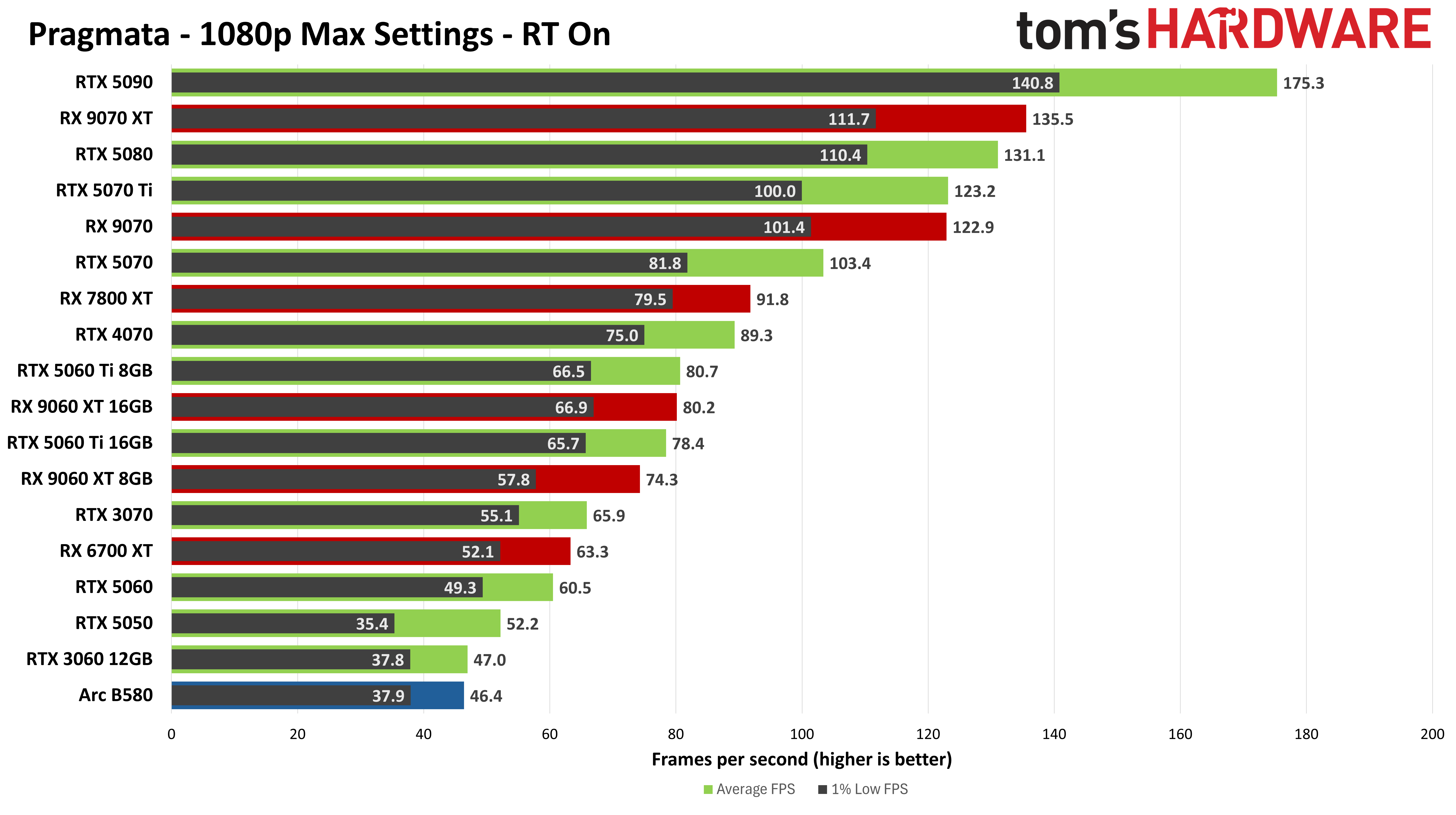
Pragmata’s basic RT implementation is relatively easy on hardware compared to many we’ve seen, and every card but the RTX 5050 can still put up a 60 FPS average at 1080p. At 1440p, however, 12GB and 16GB cards start to separate themselves from their 8GB stablemates, as the RX 9060 XT 16GB and RTX 5060 Ti 16GB show. And at 4K, only the most powerful cards can turn in a 60-FPS-ish baseline without upscaling.
Path tracing performance with upscaling and frame generation
Our performance analysis of path tracing in Pragmata has several layers we need to build up for a full picture, so get comfortable. We'll start with native PT performance across all the Nvidia cards that support it.
Image
1
of
3
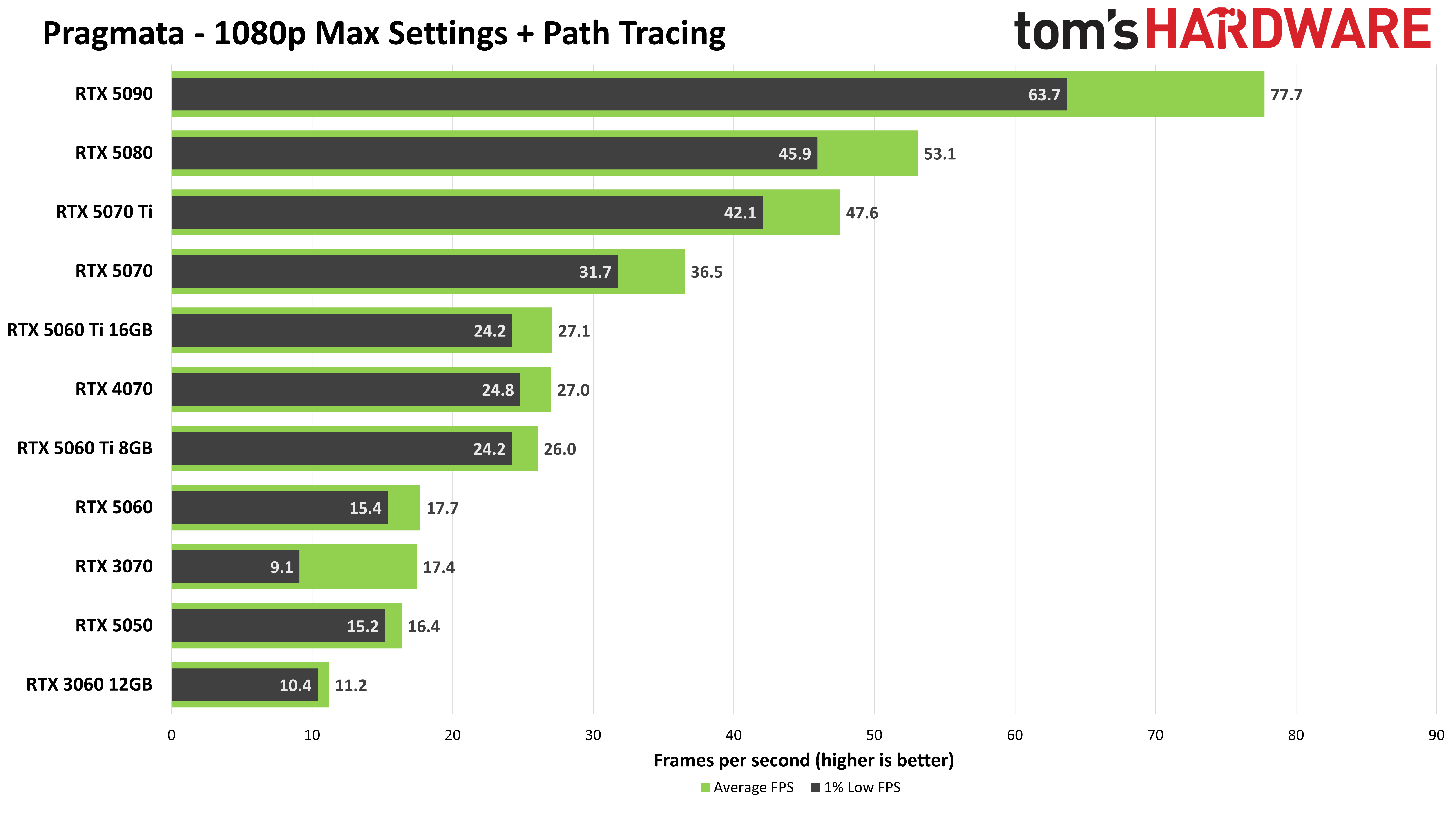
Native path tracing is a whole different beast than ray tracing in Pragmata. Only the RTX 5090 can clear 60 FPS at 1080p, and performance rapidly falls off from there. Our 4K results are purely academic for even the RTX 5090.
Nvidia and Capcom clearly expect you to use upscaling and some degree of framegen to achieve a playable experience with path tracing enabled, and unless you’re on an older card that simply doesn’t support DLSS Frame Generation or Multi Frame Generation, that’s a totally reasonable bargain at this stage.
As we’ve explored in past coverage, as long as your input latency remains within reasonable bounds, the image quality of DLSS Frame Generation and Multi Frame Generation has improved to the point where any artifacts they might introduce are minor, and the arrival of the DLSS 4.5 upscaling models allows owners of RTX 40-series and 50-series cards to get away with lower input resolutions than they might have needed in the past for the same high output image quality. That all means higher performance as a framegen baseline and less reason for concern about latency as a limiting factor.
If you have a capable enough RTX 40-series or 50-series card and a high-refresh-rate monitor to match, and you haven't tried DLSS Frame Generation or MFG at this point, I don't know how else to say it: you're missing out. And Pragmata is just the latest example of a game where the path-traced visuals are well worth using those tools to their fullest.
The many combinations of DLSS quality presets and frame generation multipliers are far too numerous to comprehensively cover across every graphics card in our arsenal, so I’ve chosen what I feel are reasonable starting points for each output resolution and noted them on each chart below.
Since the RTX 3070 doesn’t support DLSS framegen, I enabled FSR 3 FG for this testing for fairness. Be aware, however, that FSR 3 FG’s image quality is far worse than the latest DLSS framegen model in this title. It’ll allow you to get a taste of path tracing, but it introduces plenty of artifacts (especially on particle effects and translucent UI elements) that you will instantly notice.
And we had to exclude the RTX 3060 12GB from this testing entirely, as no amount of DLSS upscaling or FSR framegen juice allowed it to get to a playable, low-latency experience without totally sacrificing image quality.
Image
1
of
6
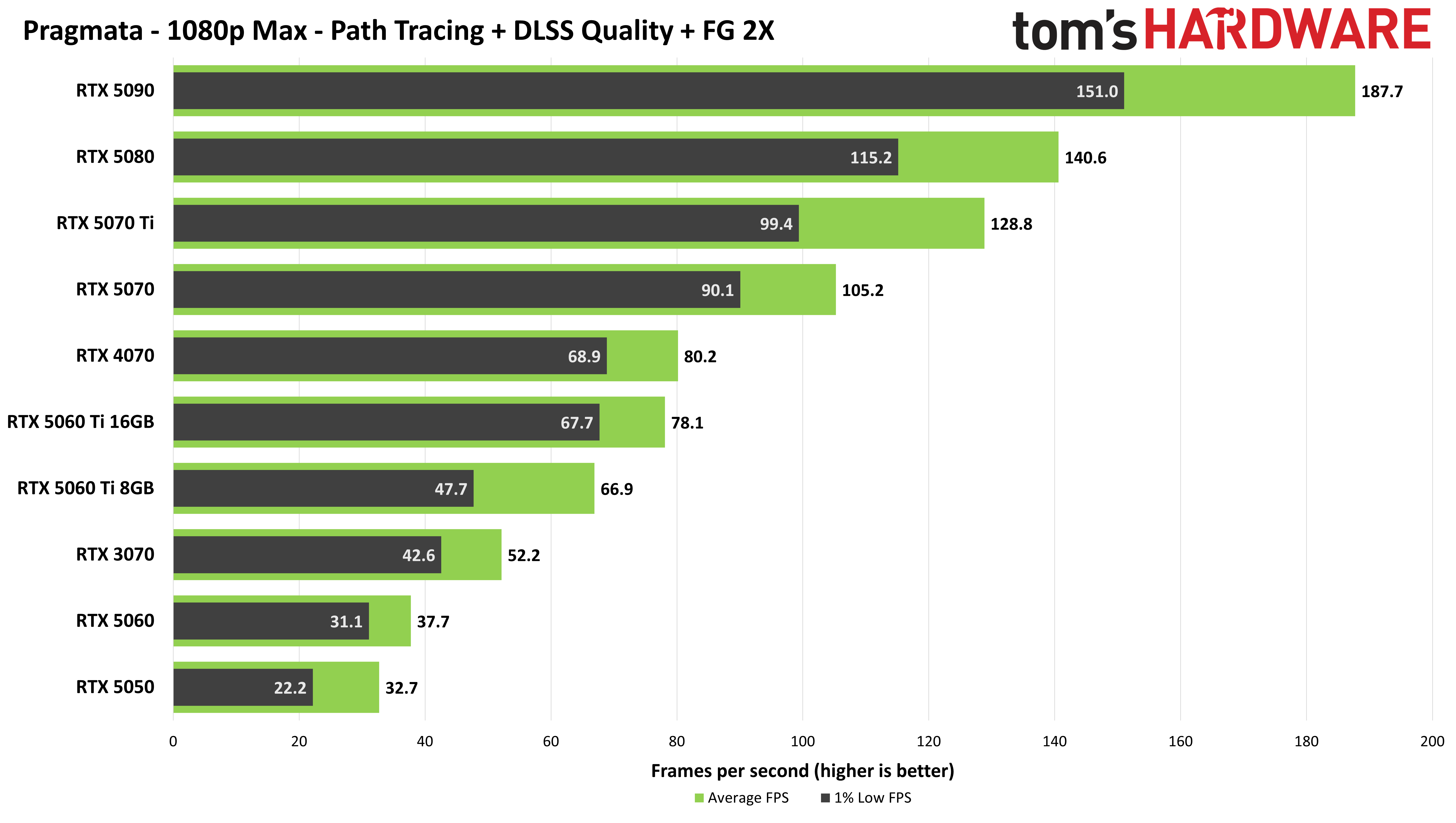
On to the results. We’ve charted both performance and average PC latency (as measured/estimated by Nvidia FrameView) above for each resolution so you can judge for yourself whether the resulting framegen performance is truly playable. Our past testing on the TH GPU rig has suggested that 60 ms or so of input latency is about the most we want for a playable experience with the average AAA game. 70 ms is high but tolerable, and anything higher than that is too much.
Here’s a shocker: even with path tracing enabled, Pragmata is easy enough on VRAM at 1080p that you can get framegen working with DLSS Quality, even on 8GB cards. The experience is not playable on the RTX 5050 and RTX 5060 due to high input latency, but it works as a party trick. The RTX 5060 Ti 8GB actually manages to be playable under these settings, but you’re one misplaced megabyte away from a performance cliff. Proceed at your own risk.
From the RTX 5060 Ti 16GB on up, any of these cards deliver a fine path-traced experience at a 1080p output res using the settings I picked, and thanks to Pragmata's well-managed input latency, even juicing a 40-FPS-ish baseline with framegen feels totally fine.
At 1440p, the RTX 4070 and RTX 5060 Ti 16GB are past the 60 ms mark, where one might want to drop down to DLSS Performance for a snappier experience, but even so, input latency is tolerable. All of the Blackwell cards are well within the playability ballpark. Our 8GB cards are all suffering, though, and none of them deliver a playable experience despite delivering seemingly OK frame rates on the top line.
At 4K with DLSS Performance, the RTX 5060 Ti 16GB and the RTX 4070 are well past their limits, and the RTX 5070’s 1% low frame rates aren’t fantastic. The RTX 5070 is still delivering playable input latency, but it’s on the high side. Only the RTX 5070 Ti, RTX 5080, and RTX 5090 are solidly playable this way. But if you wanted to explore DLSS Ultra Performance and DLSS 4.5 Preset L on the RTX 4070 and RTX 5070 to lower latency and chase higher frame rates, you certainly could.
Again, all these results go to show that we are firmly in an era where DLSS Frame Generation is perfectly usable. As long as you’re monitoring input latency and managing your settings ambitions accordingly, there is no real reason to avoid it other than a lack of hardware support on your GPU or stubborn contrarianism.
Bottom line
Pragmata may have an impressive list of technical features for pixel-peepers like yours truly to dig into, but I’m happy to report that it’s an enjoyable game first and foremost. Its lunar setting comes full of 3D-printed mechs to blast apart through strategic gunplay and split-second puzzle solving, and that combo really grabbed me.
From a technical standpoint, Pragmata offers one of the most vendor-dependent experiences that I can remember. The game’s headlining path tracing mode is only available to GeForce cards, and it’s not as freely adjustable as I’d like for the best experience.
If you’re a GeForce gamer, you get access to all of Nvidia’s latest and greatest software features, and those all add up to make a big difference to image quality. DLSS—whether used as DLAA or for upscaling—is a great improvement over the RE Engine’s rough TAA implementation with RT off.
But enabling Pragmata’s basic ray tracing mode introduces prominent noisy artifacts and can even remove desirable reflections in some parts of the image at times. You have to decide whether those issues are more troublesome than the average screen-space error to your eye if you’re not going all the way with path tracing.
And you should absolutely give path tracing a shot if your graphics card can handle it. As we’ve come to expect, native PT is so demanding that DLSS upscaling and frame generation are mandatory for a smooth experience. But that’s a total non-issue on RTX 40-series and 50-series cards nowadays (at least for those with 12GB of VRAM or more), as the image quality of DLSS upscaling and frame generation has advanced to the point where you can enable both features alongside path tracing and just enjoy the game.
Path tracing offers the richest and most stable image quality of all the options on offer, and it pays off with plenty of little moments that make Pragmata’s setting feel startlingly realistic. It’s far and away the best way to play.
RTX 30-series cards without DLSS Frame Generation support will technically run path tracing, but you’ll need higher-end models with as much VRAM as possible to enjoy it. And you’re stuck with FSR 3 framegen if you need it, which can improve smoothness but introduces image quality issues of its own.
Radeon gamers can enjoy strong raster and RT performance in this title as a baseline, but Capcom’s implementation of FSR tech in this title could be better. Pragmata supports FSR 4 on compatible cards, but no FSR native AA option to match Nvidia’s DLAA on any Radeon. That feels like an easy fix in a future patch, though. Happily, RDNA 4 owners also get access to the latest ML Frame Generation model, which is a major upgrade over FSR 3 framegen, so smooth performance is well within reach at practically any setting.
But getting entirely locked out of path tracing—especially when the latest RDNA 4 hardware can clearly handle it—may be an unforgivable snub for some Radeon gamers, and I wouldn’t blame them for giving this game a pass for that reason alone.
Meanwhile, none of Intel’s XeSS features are present in Pragmata at all, and baseline performance is low even on the Arc B580, so Arc gamers will have to lean on FSR 3 upscaling and perhaps frame generation to get a more playable experience.
All told, Pragmata is both engaging to play and full of eye candy, and especially if you’re a GeForce RTX 40- or RTX 50-series owner looking for a showcase for everything your card can do, it’s a satisfying pick-up. I’m eager to get back to it as soon as I can so that I can learn how Hugh and Diana’s story plays out.