







Devon Taylor remembers when the Mammee Bay shoreline in St Ann, Jamaica, was filled with children frolicking in the ocean after school, fishers haggling with locals over the price of their daily catch and craft vendors carving souvenirs under almond trees.
“I grew up on Mammee Bay,” Taylor says. He recalls fetching seawater in bottles for his grandmother when she was no longer able to go to the beach, learning to swim in the shallows, and watching generations of fishers cast their nets. “That beach raised us. It fed us.”
Today, Mammee Bay is ground zero in his war against a multibillion-dollar all-inclusive tourism model that the government says is the backbone of the country’s economy, but that he and other activists argue is “plantation tourism”, designed to benefit rich visitors and the elite and disadvantage most Jamaicans.
In 2019, locals were locked out of the beach by a fence and armed state and private security guards hired by investors building all-inclusive luxury hotels, Taylor says.
“In protest, the community ripped down the fence and reoccupied the beach, but because of the restrictions on movement in Covid, you could not be there at certain times, and when they came back they met concrete walls,” he says.
This escalated into a “violent displacement”, says Taylor, the founder of the Jamaica Beach Birthright Environmental Movement (Jabbem). “Gunshots were fired to disperse the protest.”
For the people, it was a fight for survival, Taylor adds. “When you cut us off from the sea … you are actually setting us up to starve.”
Mammee Bay and Little Dunn’s River in the northern parish of St Ann, the Blue Lagoon in the north-east, Bob Marley beach in St Andrews and Flankers/Providence beach in Montego Bay are the subject of five court cases, with the first trial scheduled for later this month.
Each beach has its own story, Taylor says, but what they all have in common is communities that are being denied access to spaces that have social, economical and even spiritual significance, because successive governments have failed to address inequities inherited from colonial times when beaches and other land were owned by the British monarch.
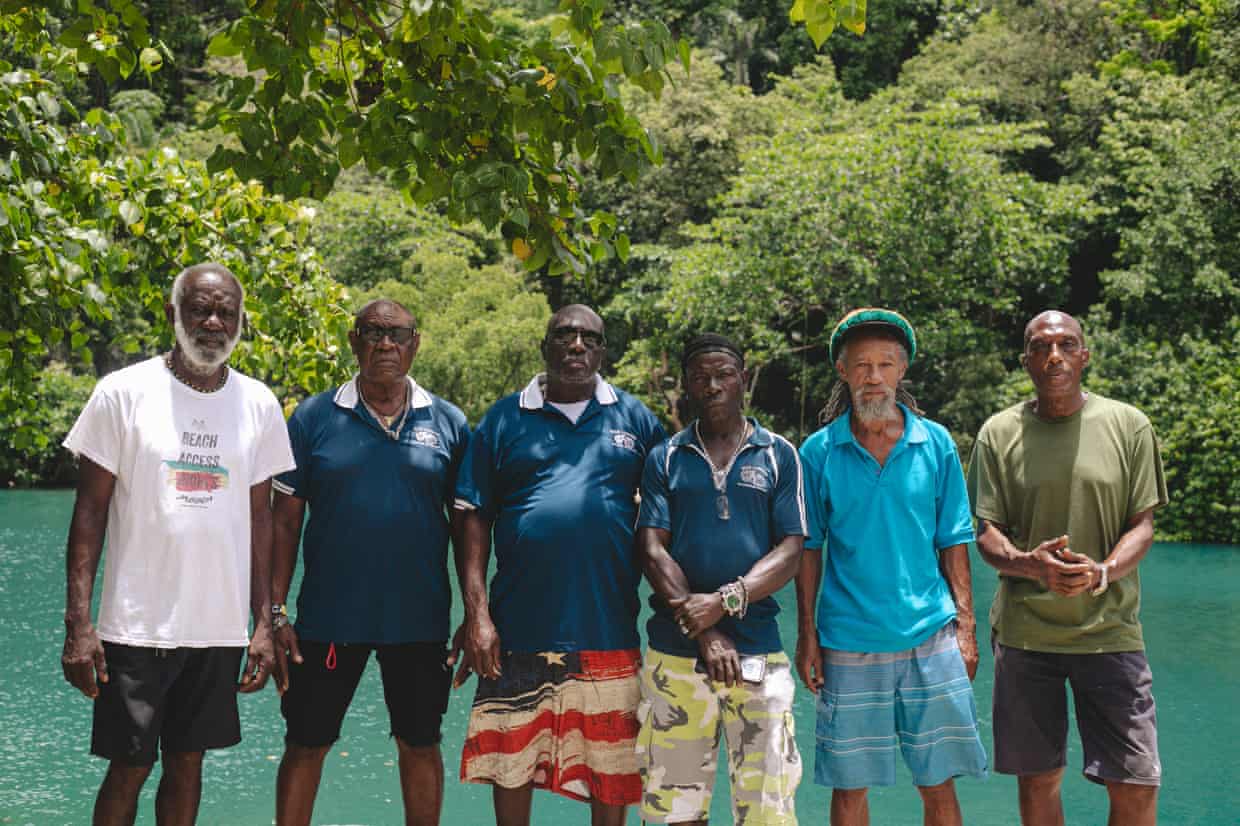
Still referred to as “crown land”, these were handed over to the Jamaican state when the country gained its independence in 1962, but much of the legal systems managing these lands, including the 1956 Beach Control Act, were retained.
The law, which gave the state ownership of the island’s foreshore and seabed, meaning anyone wanting to use or develop on the beach needed government permission, is at the core of the all-inclusive tourism model that Taylor views as discriminatory.
“We call it plantation tourism because it has all the characteristics of a plantation – exploitation of a poorly treated labour force, and wealth that either does not stay in our country or is only in the hands of the elite.”
In the parish of Portland, campaigners say they were misled and betrayed by local authorities who closed the Blue Lagoon in 2022 with a promise to reopen in 90 days with improved facilities and more opportunities for local guides and vendors.
They claim it was later discovered that the intention was to permanently close public access roads to the lagoon to facilitate the building of private villas, which they describe as an infringement on their rights.
The 55-metre-deep (180ft) lagoon, hugged by lush, green vegetation and renowned for its mystical, fluid colour palette that is turquoise, sapphire or azure depending on how the sun hits it, is a treasure that they refuse to surrender.
“For generations this beach has sustained all the communities around it,” says Colin Beckford, the president of the Blue Lagoon Alliance.
Wilbourn Carr, 73, who has been going to the lagoon to swim since he was 14, says: “This space is not just for recreation, food and vending, it is also where our elderly come for the healing properties of the mineral spring from the mountain that feeds the lagoon.”
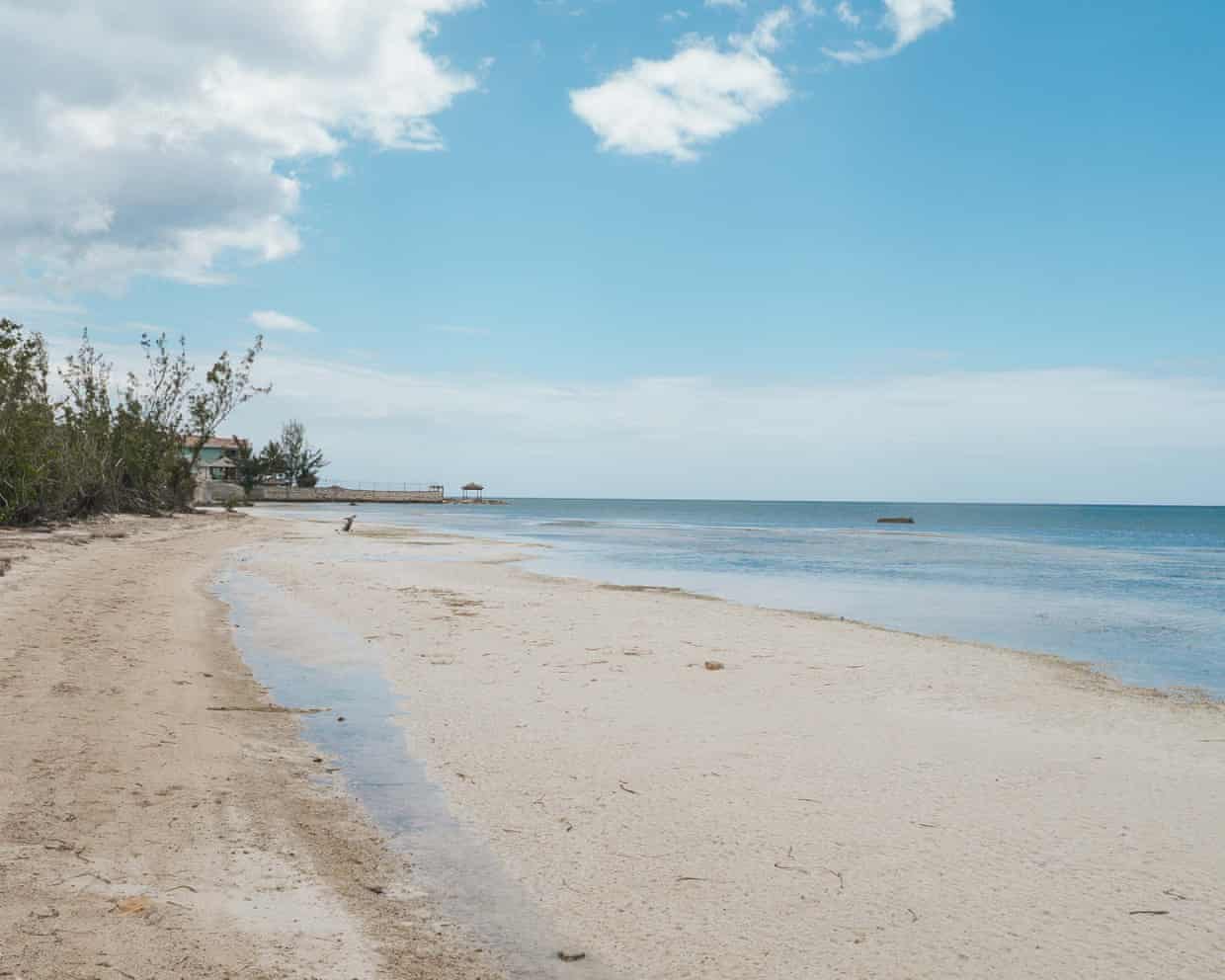
More than 100 miles away in Flankers, fellow campaigners have filed an injunction to block developers from building in the sea and are fighting for the beach, which has been neglected by the state for decades, to be restored.
“Our foreparents shed blood for this land. We shouldn’t be forced to fight for what is already ours,” says one campaigner, Olando Brown. “Being a Rastafarian, I meditate a lot, and this provides a space for me to do that. Why take away this beautiful gem from the people instead of trying to develop it with us?”
“The fisher folk need this space,” says Jabbem’s community coordinator for western Jamaica, Monique Christie, adding that it is important for local families who cannot afford expensive holidays. “You can pack some food, freeze some juice, walk to the beach and enjoy some of the natural resources of your country without it being a massive expense for the family.”
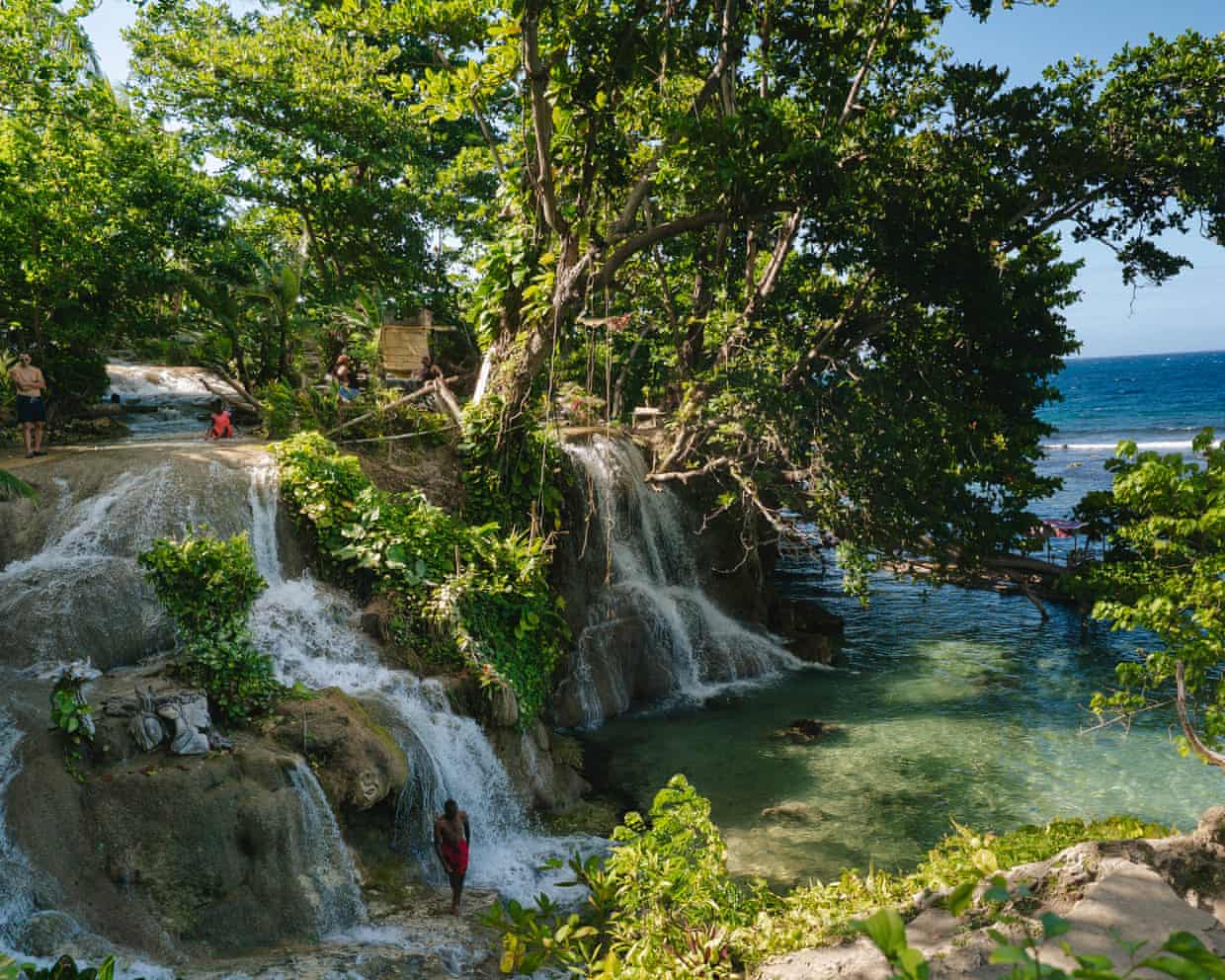
In Little Dunn’s River, Jabbem’s director of community engagement, Damion Coombs, echoes Taylor’s concerns. “We are generating the revenue but we’re not gaining from it,” he says.
Speaking above the acoustic rush of the cascading waterfall, he compares the justification that beach access protects the tourism industry from crime to the colonial logic of “keeping out the savages”, with the local people considered unworthy of enjoying their coastlines.
Matthew Samuda, Jamaica’s minister of environment and climate change, said his government was committed to ensuring “that its natural assets also benefit its citizens”.
“It’s why we built the Harmony beach park in Montego Bay. It’s why we will build the Success beach park on the eastern side of St James,” he said.
He added that recent approvals for new development, “especially where public land was involved in the development, have insisted that developers carve out what you call corridors to the sea”.
Jamaica’s geography made beach access a complex issue, Samuda said. “Jamaica is not blessed quite with a total surrounding of our coastline by beach. We have a lot of rocky areas … [and] areas that are inaccessible because of wetlands and biodiversity reserves that you simply can’t get through to get to.”
In March, the prime minister, Andrew Holness, proposed a beach access and management policy, which promises to modernise the legislation and increase access. Campaigners say the policy still allows unacceptable restrictions.
Coombs says: “We are still talking about ‘qualified rights’, meaning somebody can decide if you come in – and maybe charge a fee. What we are fighting for is free, legal, unfettered, forever rights.”
Jabbem is also concerned that the National Reconstruction and Resilience Authority (Narra) Act, passed in March to fast‑track the country’s post‑Hurricane Melissa rebuilding, will have a negative impact on current and future court cases.
Campaigners say the act is designed to weaken the older Prescription Act, which they say protects the legal right to land or pathways that have been continuously used as a public access route for at least 20 years.
Taylor says Narra lacks checks and balances and concentrates power in the office of the prime minister.
But Samuda defended the act, insisting that it facilitated the “large-scale, urgent procurement … required to build in resilience before the next storm”.
“There’s no weakening of oversight,” he said. “You still have to come to the parliament. You still require the necessary permits. What it does is it guarantees a timely response to delivery of projects.”
Jabbem has stressed it is not partisan and that administrations from both the ruling Jamaica Labour party and the opposition People’s National party (PNP) created the beach access crisis. “The government’s power … also comes from the opposition’s complicity when they formed the government,” Coombs says.
The shadow environment minister, Omar Newell, said he recognised the “significant value” of the beaches to local communities and his party was listening to the concerns of beach access activists. “Yes, successive administrations have presided over the privatisation of our beaches. It needs to stop,” he said.
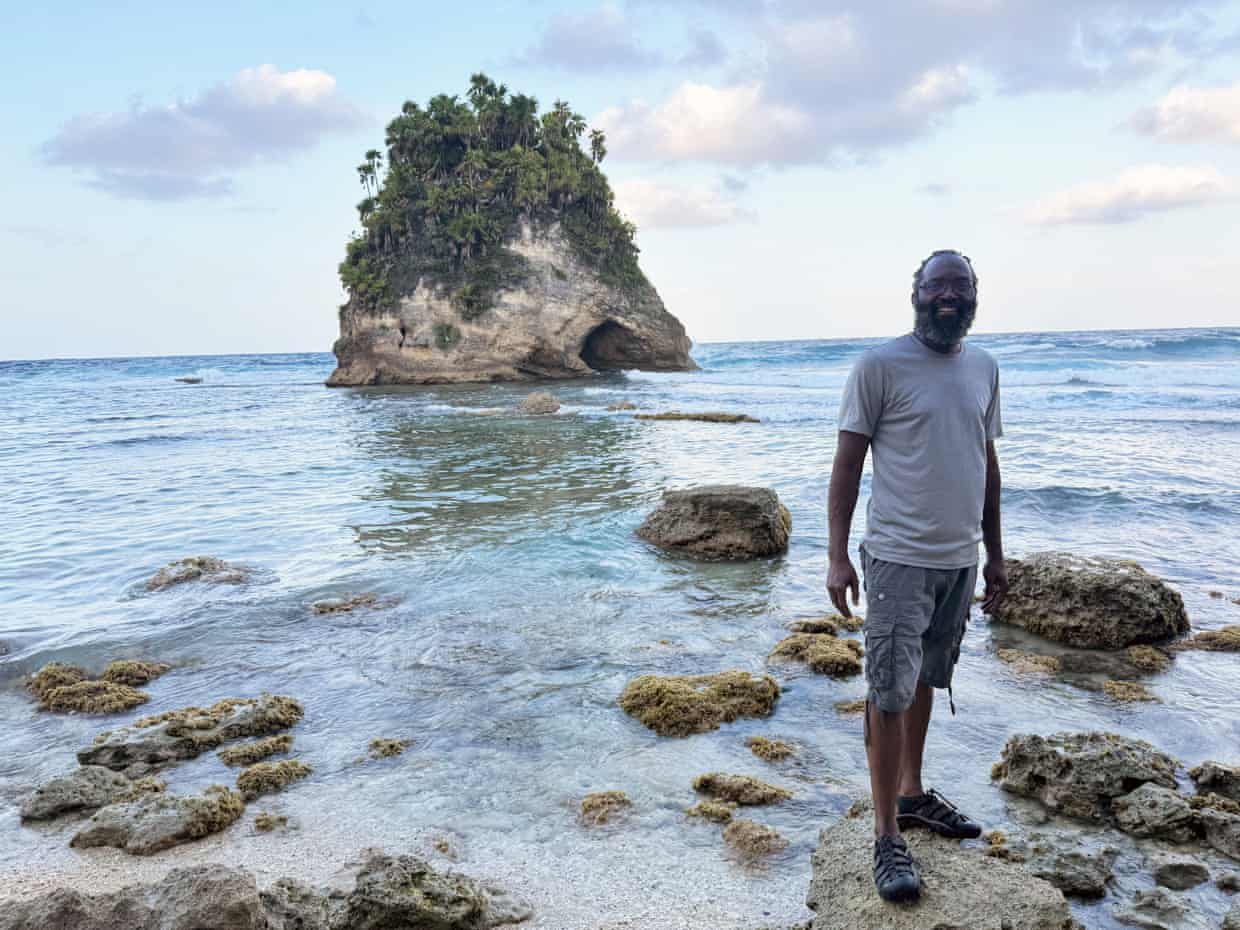
Taylor, an immunologist who has a PhD in biochemistry, says the battle for beach access has made him an “anti-colonial fighter”.
“I am a Rastafarian and a son of Jamaica,” he says, “and so this movement has driven me to become an environmental defender, but also an anti-colonial fighter, fighting against the vestiges of colonialism and the colonial logic of land dispossession, exploitation of people and the degradation of the natural environment.”
The Guardian’s connections to enslavement: can an institution atone for its history?
On Thursday 2 July, join Maya Wolfe-Robinson, Ebony Riddell Bamber, Prof Verene A Shepherd and Ahmad Ward in this free event for a wide-ranging discussion on the Guardian’s Legacies of Enslavement programme. Book tickets here or at guardian.live