
惯性聚合 高效追踪和阅读你感兴趣的博客、新闻、科技资讯
阅读原文 在惯性聚合中打开

推荐订阅源

宝玉的分享
宝玉的分享
Recent Commits to openclaw:main
钛媒体:引领未来商业与生活新知
钛媒体:引领未来商业与生活新知
T
Tailwind CSS Blog
Cyber Security Advisories - MS-ISAC
罗磊的独立博客
V
Visual Studio Blog
爱范儿
爱范儿
H
Help Net Security
J
Java Code Geeks
I
InfoQ
Recent Announcements
H
Hackread – Cybersecurity News, Data Breaches, AI and More
Recorded Future
Recorded Future
Jina AI
Jina AI
Microsoft Security Blog
WordPress大学
WordPress大学
GbyAI
GbyAI
freeCodeCamp Programming Tutorials: Python, JavaScript, Git & More
CTFtime.org: upcoming CTF events
Y
Y Combinator Blog
Google DeepMind News
Scott Helme
Scott Helme
S
SegmentFault 最新的问题
S
Securelist
L
LINUX DO - 热门话题
Cyberwarzone
Cyberwarzone
C
Cisco Blogs
Simon Willison's Weblog
G
Google Developers Blog
酷 壳 – CoolShell
酷 壳 – CoolShell
博客园 - 叶小钗
T
The Blog of Author Tim Ferriss
博客园_首页
B
Blog
F
Fortinet All Blogs
AWS News Blog
AWS News Blog
V
Vulnerabilities – Threatpost
S
Secure Thoughts
cs.AI updates on arXiv.org
Forbes - Security
Forbes - Security
S
Security @ Cisco Blogs
T
Threat Research - Cisco Blogs
OSCHINA 社区最新新闻
OSCHINA 社区最新新闻
S
Schneier on Security
Project Zero
Project Zero
Martin Fowler
Martin Fowler
C
Cybersecurity and Infrastructure Security Agency CISA
N
Netflix TechBlog - Medium
N
News and Events Feed by Topic

The Guardian

Rory McIlroy surges into six-shot Masters lead with stunning second-round flourish ‘That’ll be the end’: actor Sam Neill joins fight to stop controversial goldmine near his New Zealand vineyard Roberto De Zerbi targets ‘Ange-ball’ revival to save Spurs from relegation Bath hit back to reach semi-final after stunning Northampton in 11-try epic Secret Garden to Outcome: the week in rave reviews Zebras, wealth and power: Hungary’s election tests Orbán’s grip on power ‘TikTok effect’ brings sellout crowds and younger fans to Grand National meeting The war over Omagh’s gold: the £21bn mine plan tearing a community apart Britain’s shadow workforce is paid as little as 65p an hour. Who cares for the carers? From You, Me & Tuscany to Euphoria: your complete entertainment guide to the week ahead Six great reads: the man who let snakes bite him, masked heavy metal and the brutal reality for foreign students in the UK American Classic review – I defy you not to fall in love with Kevin Kline and Laura Linney’s tender comedy Cuba’s doctors were a lifeline for the world. Now the Caribbean is shamefully complicit in the US drive to expel them An environmental disaster in Moldova has Russia’s fingerprints all over it RMIT drops misconduct case against student who accused university of being ‘complicit in Gaza genocide’ Ichiro Suzuki statue unveiling goes awry as bronze bat snaps during ceremony Survivors of Epstein’s abuse accuse Melania Trump of ‘shifting burden’ on to victims European football: Real Madrid held at home by Girona to extend winless run Arne Slot insists he is ‘aligned’ with Liverpool board and fans as squad is rebuilt Kamala Harris ‘thinking about’ running for president again in 2028 JD Vance warns Iran against trying to ‘play’ the US in peace talks West Ham double up twice to thrash Wolves and put Spurs in relegation zone Trump administration releases new renderings of so-called ‘Arc de Trump’ Crispin Odey drops £79m libel claim against FT over sexual misconduct allegations Bafta apologises for events surrounding John Davidson’s Tourette’s outburst Cocktail of the week: Bar Shrimp’s la rosita – recipe New drug may extend survival in aggressive ovarian cancer, trial shows One dead and 27 injured after bus with British passengers crashes in Canary Islands Pope adds to Smith’s mass of Surrey runs with England woes a world away OpenAI CEO Sam Altman’s home targeted with molotov cocktail Reform UK local election candidate was twice disciplined by Tories over ‘racist comments’ Remaining in Nato is in best interests of US, says Keir Starmer Prince Harry sued for defamation by charity he co-founded Anthropic’s new AI tool has implications for us all – whether we can use it or not Concerns raised about motorbike tourist trail after death of British teenager in Vietnam The Guardian view on Trump’s civilisational threats: the words that fuel war must be condemned The Guardian view on dystopias for our times: the American nightmare Doctors’ leader claims new reduced pay offer killed chances of ending strikes in England Netanyahu-ism has achieved nothing for Israelis – and come at a monstrously high price Deborah Levy: ‘CS Lewis’s White Witch terrified me – but I wanted to meet her’ How I Shop with Michelle Ogundehin: ‘We grownups have enough stuff already’ Trump’s war and Melania’s Epstein statement, with US editor Betsy Reed – The Latest We have to stop killer motorists on Britain’s roads UK starts crackdown on EU citizens’ post-Brexit rights Londoners aren’t unfriendly – but don’t compare us to New Yorkers The religious right and the perversion of faith Artemis II images reignite moon mission memories Orbán and Magyar trade accusations in last days of Hungary election campaign Reckonwrong: How Long Has It Been? review | Safi Bugel's experimental album of the month Martin Rowson on Middle East peace talks – cartoon Masters magic, the Grand National and Premier League drama – follow with us Fears of UK and EU flight cancellations as airports warn of jet fuel shortages Reform’s petulance over slavery reparations shows it just doesn’t grasp Britain’s place in the modern world Peers vote to ban pornography depicting sex acts between stepfamily members Starbucks’s retail arm gets £13.7m tax credit even as sales increase Flyby review – interstellar musical is a voyage of epic strangeness Grand National preview: Jagwar can deny Irish cohort in Aintree classic Week in wildlife: an ostrich on the lam, a tortoise crossing a road and surfing seals Anger as swifts’ nesting holes in Derbyshire rail viaduct ‘blocked up’ Peter Mandelson faces fixed-penalty notice for urinating in public ‘There’s no shortage of terrifying technology’: how AI became TV drama’s new go-to villain ‘Fresher than anything in a shop’: the best recipe boxes and meal kits for time-poor foodies, tested Who was Hilma? Af Klint exhibition to highlight exclusion of women from abstract art Critics assemble! Here’s my list of the greatest superhero movies of all time US inflation soars in March as war on Iran drives economy into uncertainty Amazon to finally launch Leo satellite internet in ‘mid-2026’, says CEO Grand National 2026: horse-by-horse guide to all the runners Pete Hegseth’s holy war: the militant Christian theology animating the US attack on Iran Add to playlist: the beautifully dazed, countrified indie-rock of Tracey Nelson and the week’s best new tracks Not just about Gaza: the Muslim voters turning from Labour to the Greens ‘I’m worried there’s too much of me,’ says a birch: inside the interspecies council giving nature a voice Why is anyone surprised by the US and Israel’s latest war? It’s only what the world allowed them to do in Gaza Tori Amos review – fans hang on every note of this dramatic deep dive into her back catalogue Coachella 2026: Justin Bieber launches a major comeback in the desert Super Mario what?! The seven best obscure Mario games ‘An abomination’: the Lancashire town kicking up a stink over reopened landfill Pillion to Roofman: the seven best films to watch on TV this week Holly Humberstone: Cruel World review – Taylor Swift fave trades gothic melancholy for pop glow-up Thrash review – cursed shark thriller sinks like a stone on Netflix Gulf states rethink security in light of US-Israel war on Iran Go Gentle by Maria Semple review – a joyfully clever New York romcom Welcome to Y’all Street: bullish Dallas aims to steal New York’s financial crown Margo’s Got Money Troubles to Beef: the seven best shows to stream this week I baulked at the idea of ‘friction-maxxing’. But there’s more to it than meets the eye Reich: The Sextets album review – Colin Currie celebrates the minimalist master’s joy of six Benjamina Ebuehi’s sweet and salty chocolate chip cookies recipe Experience: my house was taken over by 70,000 bees Malcolm in the Middle: Life’s Still Unfair review – the TV magic they’ve created here is absolutely miraculous Lava bursts forth as Hawaii’s Kilauea volcano erupts Sonos review: Are these the best portable speakers that money can buy? I tested to find out Buy bread in the evening, hit the sales on a Tuesday: retail workers’ top tips to cut your shopping bill The best water flossers in the UK, tested for that dentist-clean feeling Where to start with: Muriel Spark You be the judge: should my girlfriend stop mixing gold and silver jewellery? The best carry-on luggage in the UK, tested on an assault course How games capture the awe and terror of cosmic isolation I never text back – and it’s ruining my relationships The pet I’ll never forget: Beau, the labrador who saved my life Life Is Strange: Reunion review – a decade-long story comes to an impassioned close Why is gaming becoming so expensive? The answer is found in AI
‘We recognize others are like us through the way they sound’: how accents shape our lives
Matthew Cant · 2026-05-13 · via The Guardian

Valerie Fridland writes in her new book, Why We Talk Funny: the Real Story Behind Our Accents, that humans instinctively to use accents to categorize those around us. “We learn to recognize other people as being like us through the way that they sound,” Fridland says. It happens early: studies suggest small children, when choosing friends, favor those who share their accent.

In one study, for instance, five- and six-year-olds were shown pairs of kids on a computer screen, one with a local Canadian accent and one with a British accent. Asked who they wanted to be friends with, they picked the kid with the local accent – even though they lived in Toronto and are exposed to a huge range of accents every day.

Our accent-based judgments lead to serious problems, fueling stereotypes about class, ethnicity and regional background. That can take a toll in a range of high-stakes scenarios, including job interviews, when someone with a posher accent might be deemed more capable than someone with a more working-class one. It can lead to assumptions about how someone thinks, as in a study that found subjects assume politicians with southern accents are making conservative arguments. It can even affect the way juries react to witnesses, as Fridland believes happened in the trial of George Zimmerman.

Fridland, a linguistics professor at the University of Nevada, Reno, is herself a case study in how accents develop. She grew up in the American south – Memphis, Tennessee – with parents who had French accents. “Being surrounded by people who were very aware of outsider opinions of their accents primed me from a young age to be curious about why they were such markers of identity,” she says.

Accent discrimination has been around since ancient times, Fridland writes; it even comes up in the Old Testament, when one Semitic tribe, the Gileadites, identified enemy Ephraimites by demanding they pronounce the word “shibboleth” with ruinous consequences if they got it wrong.

Then said they unto him, Say now Shibboleth: and he said Sibboleth: for he could not frame to pronounce it right. Then they took him, and slew him at the passages of Jordan

We often have kneejerk reactions to accents “because we don’t understand their value”, Fridland says. Developing this understanding – and simply being aware of the potential for bias – can go a long way toward fighting our own prejudices.

Our awareness of accents begins almost as soon as we arrive on the planet. “By about a year old, babies have already figured out the sounds that are prevalent in the languages around them,” Fridland says. Research shows one-year-olds respond to sounds that exist in their languages and not to those that are absent. Over the next few years, they pick up language from their parents and others around them. But it’s not until about age five that their own accents really emerge. At that age, Fridland says, children lose interest in their parents’ speech and decide: “‘Let’s go talk to these cool peers at school, because they’re way, way more fun.’ And that is when the accent starts to really ramp up.”

This explains why an American kid whose parents have French accents, like Fridland, ends up sounding like her peers rather than her parents – and when the reverse occurs, it stands out. Thus it was striking to her childhood classmates when, during show and tell, she described her teddy bear as “yuge” rather than “huge”.

“I spent the rest of that year so aggressively pronouncing my ‘H’ wherever I thought it should go that I became known as the girl with the spitting habit,” she writes.

How these accents sound is, of course, rooted in history. Take, for instance, the fact that American English tends to be rhotic – most of us pronounce the “R”s before consonants and at the ends of words such as “hard” and “car” – while many British speakers do not (there are, of course, exceptions on both sides, for instance in a Boston, Massachusetts, accent or a West Country accent). That’s because the dropping of the “R” became fashionable in London only after the first American colonies were founded, as rapid social change in the city in 19th century fueled changes in pronunciation.

Once we have our accents, and especially once we reach adulthood, the way we talk is extremely difficult to change. Learning a new language provides particular challenges as it requires creating novel sounds – sounds we might not even be able to hear, let alone recreate. For instance, English speakers often aren’t familiar with Swahili’s “mb” sound, so they may hear it with a vowel in the middle and incorrectly add that vowel when speaking. Spanish never has an “st” sound at the beginning of a word, so native Spanish speakers sometimes report hearing a vowel at the beginning of words like “student” and add it in speech.

On top of that, to sound like native speakers, we have to imitate the prosody of a language: its rhythms, tones and stresses. Americans, for instance, “typically increase the duration and loudness of whatever word they may want to highlight in a sentence” and lower their pitch on the last word of a sentence to indicate they’re done speaking, Fridland writes. In Mandarin, on the other hand, is a “syllable-timed language”, meaning “every syllable is said with roughly the same duration and intensity”, while tone is essential to the meaning of a word.
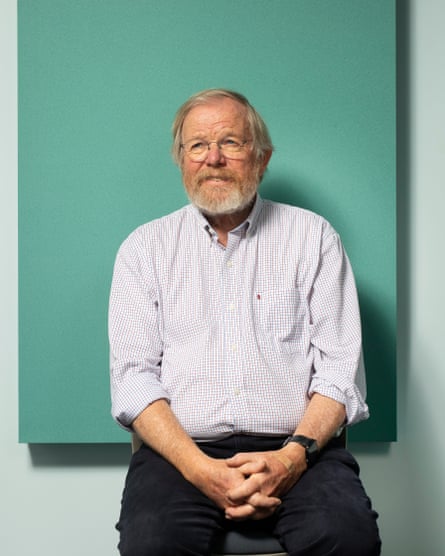
A man with glasses poses in a recording studio
Author Bill Bryson. Photograph: Fabio De Paola

Even in our own languages, changing our accents is challenging. An American who moves to Surrey is unlikely to ever sound truly English. Instead, they might develop what Fridland calls a “blended dialect”. “When people are long-term residents of a dialect area that’s not their own, we do find something called speech accommodation that happens, which is where they move closer to the norms of that region without actually replicating the norms very well,” Fridland says. They don’t sound quite like a local in their new home town, but they don’t sound like a local from their birthplace, either.

The effect intensifies the more we make friends and build community in a new home; listen, for instance, to the writer Bill Bryson, who grew up in the US but has spent most of his adulthood in the UK. (This phenomenon can even occur ever so slightly in the span of a conversation: “You and I talking, if you measured us at the beginning of our conversation from an acoustic standpoint, and then someone measured us at the end of our conversation, our speech would have started to converge” in pitch, accent and vocabulary, Fridland says.)

Given the deep roots of our accents, it’s all the more unfair to judge people according to them. Unfortunately, we do, consciously or unconsciously.

In the trial of George Zimmerman, who was accused of murdering 17-year-old Trayvon Martin in 2012, the prosecution’s key witness, who had a strong African American Vernacular English (AAVE) accent, was “largely dismissed as incomprehensible and not credible”, Fridland writes.

As the linguists John R Rickford and Sharese King explained in 2016, Rachel Jeantel, one of Martin’s friends, testified for six hours – longer than anyone else in the trial. She had been on the phone with him moments before Zimmerman allegedly killed him. But Jeantel was reportedly not mentioned in jury deliberations. “In a sense, Jeantel’s dialect was found guilty as a prelude to and contributing element in Zimmerman’s acquittal,” Rickford and King write.

There have been similar cases in the UK, and a study last year found that people with working-class accents were more likely to be suspected of crimes. “There’s a really good, solid body of literature that suggests that having a non-standard accented speaker or heavily regionally accented speaker can influence credibility ratings of jurors and, in fact, increase attribution of guilt,” Fridland says.

But there are simple ways to minimize the harms these unfair reactions can cause. Often, simply recognizing our biases can go a long way. Studies have shown benefits when an employer is reminded to focus on a person’s innate capabilities rather than how they talk. A simple desire not to appear biased – regardless of the purity of the employer’s intentions – can be enough to mitigate prejudice. To that end, linguists have helped develop jury instructions to reduce bias.

Ultimately, Fridland says, the way we talk is rooted in a universal experience. We start with the same equipment – our mouths and our minds – and are driven by the same thing: the need for social belonging. In Fridland’s experience as a linguist, she has found “most people are genuine in wanting to be better listeners”, she says.

“There are some assholes out there, but the majority of people, I think, given the right tools, want to do better.”