






The spectacle of a prime minister clinging to power while his party grows increasingly desperate for a replacement is painfully familiar from the end of the last Tory government. British politics feels trapped in a loop. This condition is not wholly a result of Brexit, but the failure of that project is a significant part of it. None of the benefits promised in the referendum by the leave campaign have materialised. It is all downside, but political discussion of any significant rewriting of the terms of departure is taboo. Sir Keir Starmer’s “reset” of European relations is mostly tinkering at the margins.
Meanwhile, the strategic calculus has changed entirely since 2016. Russia’s full-scale invasion of Ukraine exposed European complacency about continental defence and energy security. Donald Trump’s aggressive contempt for old allies makes it clear that they cannot depend on the US for protection.
Discussions in Brussels around “strategic autonomy” have become increasingly urgent. A club of 27 member states is still unwieldy in decision-making, but in a world of geopolitical upheaval and increased international lawlessness, the logic of collective continental action is irresistible.
It is significant, in this context, that EU foreign ministers are discussing potential candidates for a future negotiation with Moscow over the war in Ukraine. The former German chancellor Angela Merkel has been mooted, as has the former European Central Bank president Mario Draghi. This may seem premature when there is no negotiation yet, but that is the point. To the extent that there has been any kind of peace process so far, its tempo and tone have largely been set by the White House. Europeans were not invited.
Mr Trump’s sympathy with Vladimir Putin has made that a hazardous model for Kyiv and the rest of Europe. And that was before his limited capacity for attention on complex foreign matters was consumed by an ill-judged war in Iran. To influence the endgame in a war on Europe’s threshold, the EU rightly understands that it needs more agency in negotiations.
As a non-EU member, Britain is not part of that conversation. It is still a nuclear-armed Nato member and, by European standards, a significant military power. It has strong bilateral relations with fellow European democracies and a defence and security deal with Brussels in the works. Those credentials matter, but they do not compensate for the loss of a seat at the EU top table. Sir Keir, for all his ambitious talk of a reset in relations, either fails to recognise that shortfall in influence or lacks the political will to close the gap.
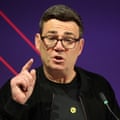
The prospect of a Labour leadership contest is forcing these questions up the agenda. Wes Streeting, the former health secretary, has said that he would like Britain to rejoin the EU. Andy Burnham, the mayor of Greater Manchester and a candidate in a byelection that might serve as the platform for a challenge to Sir Keir, rejected that idea on the grounds that voters do not want to endure a relitigation of old arguments. That view is oriented towards the leave-supporting constituency that Mr Burnham hopes to win next month.
Any successor to Sir Keir will find that Brexit arguments cannot be avoided, but they do not have to be old ones. The world has changed since the referendum. Britain needs a whole new conversation about Europe to reflect the present reality.