







Over the decades since the second world war, the “blitz spirit” has been in danger of becoming a slightly trite article of national faith. Most recently invoked during the Covid-19 pandemic, it is used to imply a uniquely British pluck; the notion of stoicism as a resource that the UK can always call upon in times of adversity.
Inevitably, the “blitz spirit” is a phrase most commonly used by people who don’t remember the blitz. This is partly because anyone who can remember the blitz is now at least in their late 80s. But it’s also because, as a lived experience, the blitz was clearly not something that lent itself to sentimental homilies. This wonderful, moving film is, for both of those reasons, a hugely important piece of social history. The voices of these witnesses to the Luftwaffe’s “lightning war” are variously lyrical, wistful, resolute and deeply regretful. We see them as they play with grandchildren, visit old haunts, attend yoga classes. Their wartime experiences are clearly a backdrop to their lives but very present all the same. They are offered up not quite as a corrective to national myths, but certainly with a harder edge than is customary; as a sobering reminder that to evoke the blitz is to evoke deep trauma.
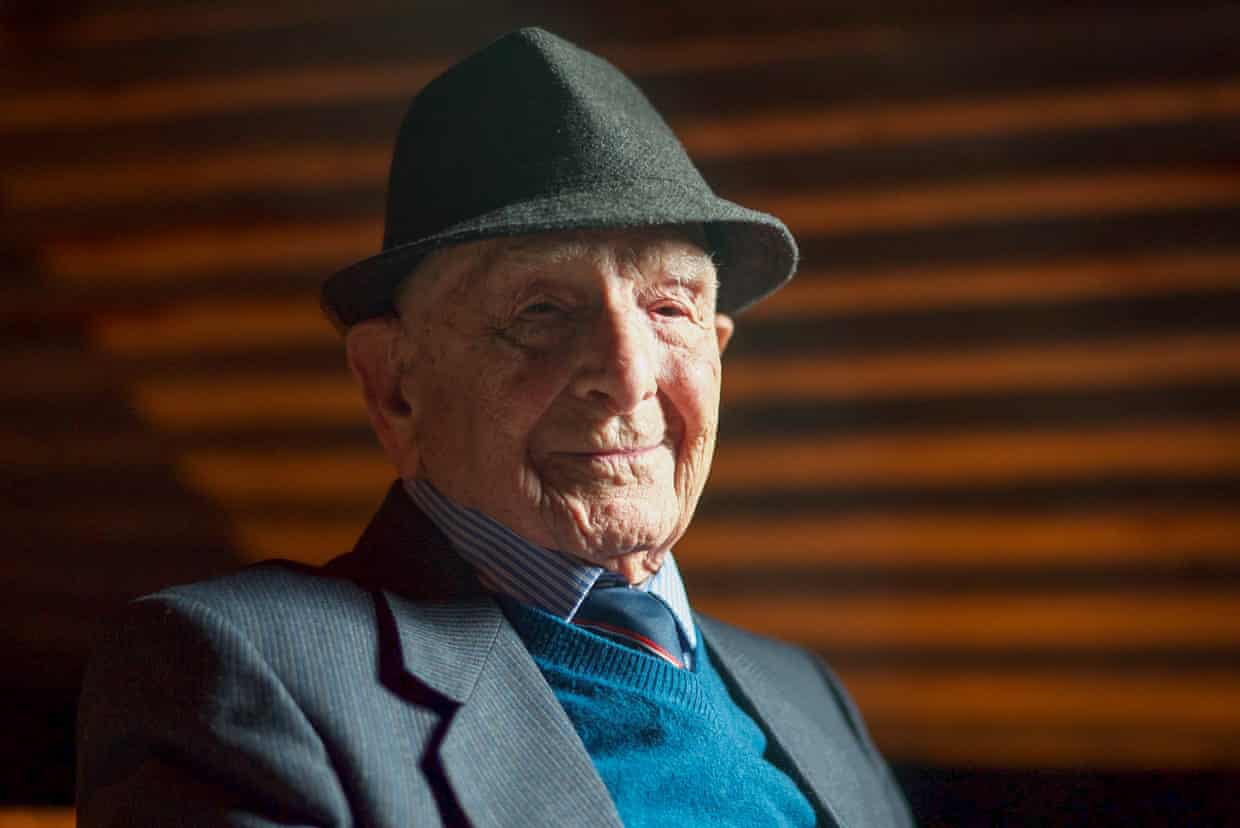
What this film documents isn’t just the specific experience of the blitz, but the experience of any war arriving among any group of civilians. Made to commemorate the 85th anniversary of the end of the blitz in May 1941, this film represents one of our last chances to hear an emotional history of the period, told by people who remember its harshest realities. It’s a story of uncertainty and loss but also of survival.
“Don’t worry. We’ve got big strong slates on our roof.” Liverpudlian Ernie Gaskell (who is now 100) recalls his dad’s reassurances as the bombing began. As both were to discover, the slates weren’t enough. Neither would there be much protection in Coventry or Belfast, in Cardiff or in Sheffield. Quite rightly, the blitz is explored as a nationwide experience rather than, as is traditional, a London one.
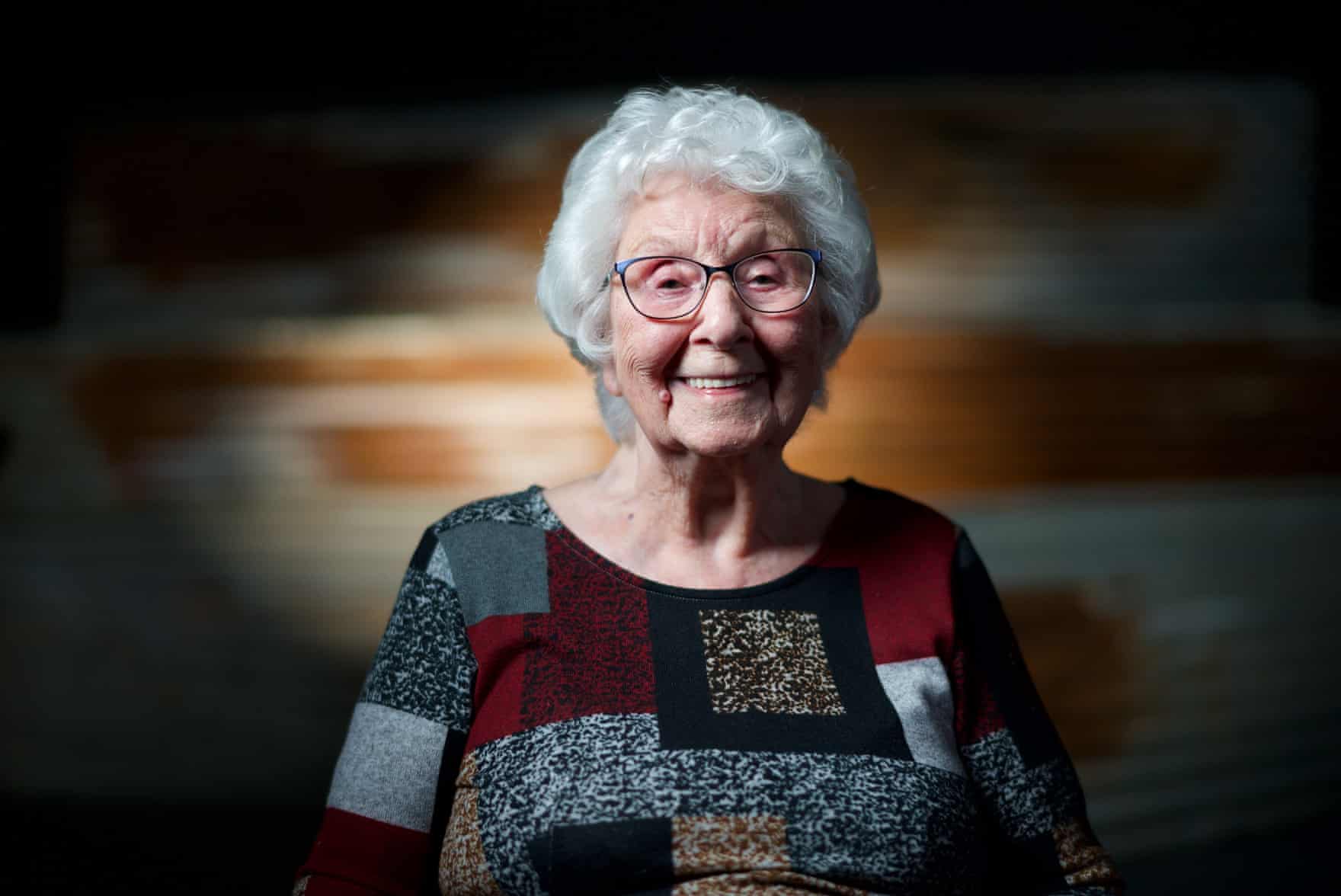
A huge story is told via dozens of tiny, shattering personal reflections. Ted Bush in Cardiff remembers going to the pictures with his dad. When they returned home, they found a pile of rubble: Ted’s father’s first response was to retrieve his son’s Hornby toy train from the remains of their house. Meanwhile, in Sheffield, Jean Whitfield’s mother was killed by a bomb as she hung out her washing. Jean recalls being plied with freshly baked lemon tarts by a neighbour in the aftermath. Death and destruction were everywhere. What does that do to a child?
The answer to this question is one of the film’s great revelations about how we lived then and how we live now. “You didn’t tell anyone what you felt,” says Monica White, who spent most of the war in Croydon. “And I don’t know who would have listened.” Instead, the idea of the stiff upper lip was internalised. “You had to keep everything going,” she remembers. “You could not add to the unhappiness of your parents.” Is this the origin story of the idea of the “blitz spirit” – not as a strength but as a form of psychological crisis management? It certainly feels like it.
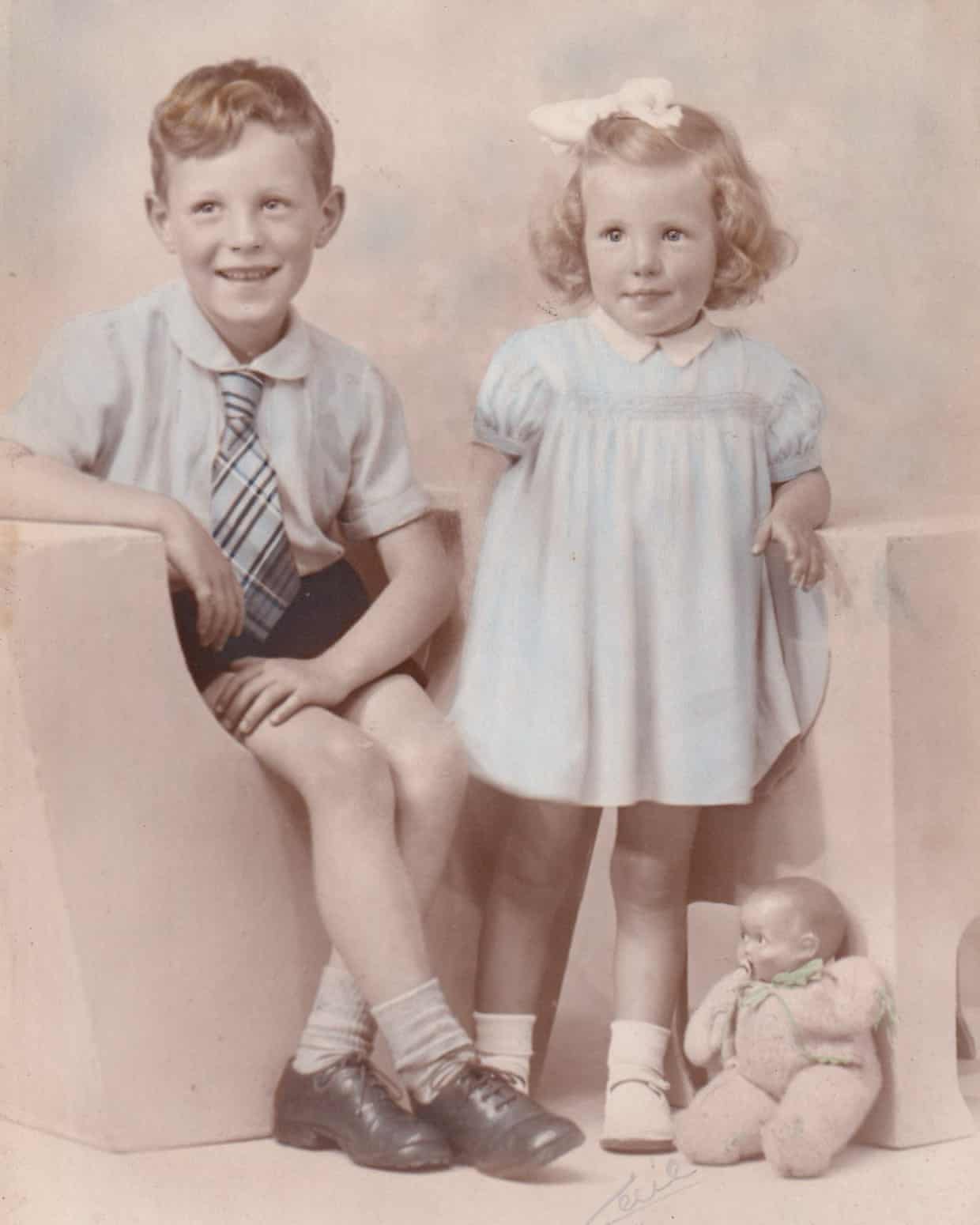
This kind of access to the inner lives of children in wartime is priceless and it’s impossible not to transpose these insights into emotional dislocation on to the modern-day kids of Gaza, Ukraine and Sudan. Eventually, Monica was evacuated to Sussex and, as she saw the Downs, suddenly realised: “I didn’t feel frightened any more.” Even now, her sense of relief when recalling this joyful moment is palpable. Such memories are still so present in the lives of the interviewees – tears are close to the surface throughout.
In the context of this cathartic sadness, it’s only right that the other side of this human tragedy isn’t ignored. Gently and tactfully, there’s an acknowledgment that similar tactics were employed by the allies; that from Hamburg to Dresden, almost identical stories could be told by German civilians of the same vintage. “Should we have bombed German cities in the same way?” wonders David Rawdon from Hull. “I don’t know.”
Then, all of a sudden, the war was over. Everyone involved had learned much too much, much too early, about the fragility of human life. In Liverpool, Roy Babbs heard of his father Charles’s death in Germany, just as the war was ending and celebrations were beginning. “Please remember my father,” he says, addressing the camera, voice overflowing with grief. “He gave his life for you.” Suddenly, Roy isn’t a composed elderly man. At the age of 89, he’s a child of the blitz once again. If the “blitz spirit” has a face and a meaning, it is this. Loss and regret. In a world that, as several of these survivors point out, feels increasingly menacing, we’d do well to remember it.