








Seventy-five years ago, the Festival of Britain offered a vision of a modern, forward-looking nation emerging from the austerity of the second world war. It also coincided with the emergence of a new cultural figure in the US: the teenager. For the first time, young people were beginning to be recognised as a distinct social group with their own tastes, fashions, anxieties and aspirations.

That evolution forms the basis of Rip It Up, a new nationwide season from the BFI Film Audience Network running from May to October, exploring how British film and television have captured youth culture across seven decades. Bringing together screenings, archive material, talks, live events and youth-led programming, the season traces a journey from postwar rebellion and working-class aspiration to contemporary questions of identity, belonging and self-expression.
For Timon Singh, producer at the BFI Film Audience Network, the season’s timing is significant. Alongside the Southbank Centre’s celebrations marking the 75th anniversary of the Festival of Britain, Rip It Up offers an opportunity to look at how successive generations have defined themselves.
“What we thought we’d do with Rip It Up was celebrate how UK youth culture has changed over those 75 years,” he says. “The changing face of rebellion, culture, expression, the joy, the heartbreak, everything that goes into being young.”
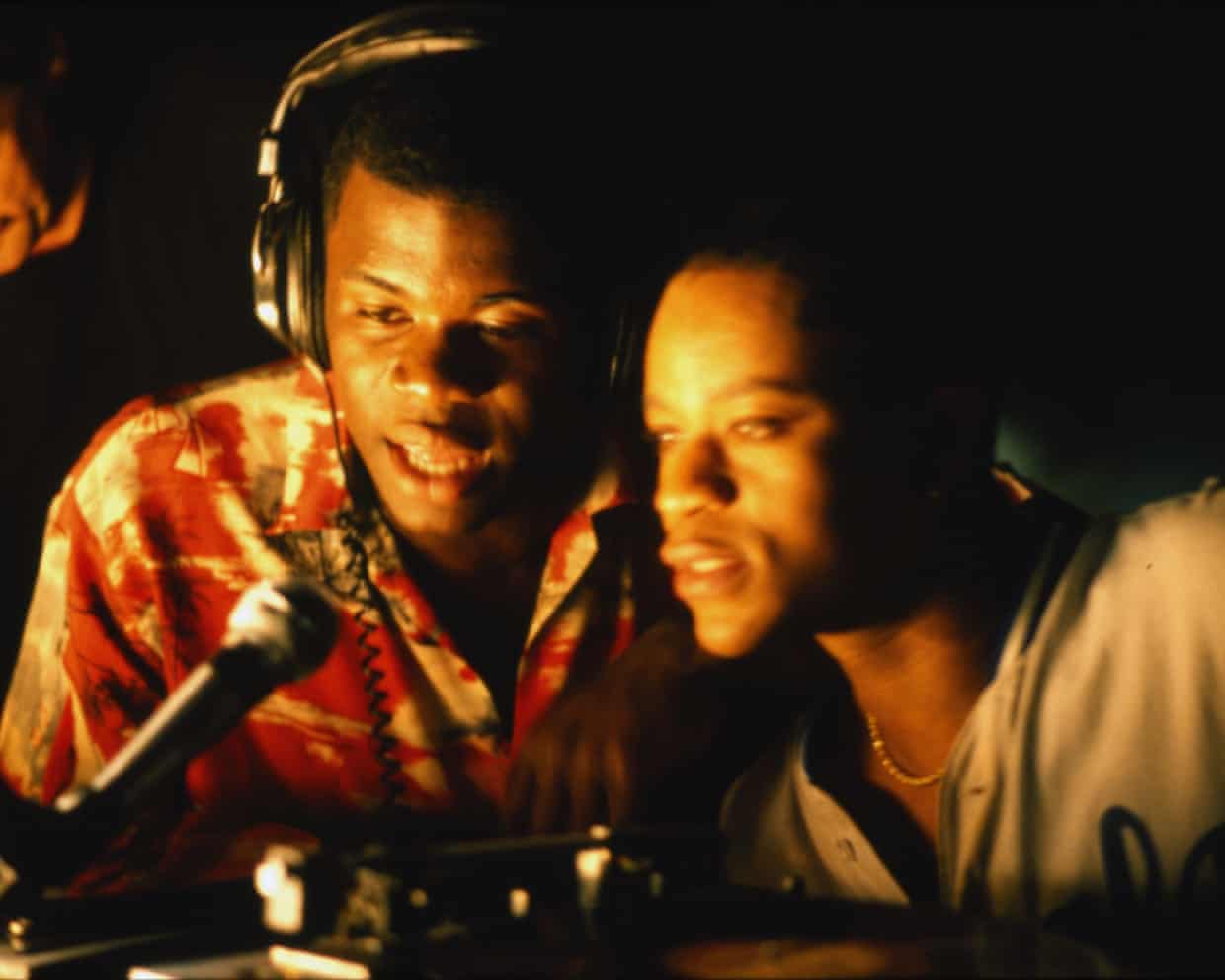
The films selected for the season chart those shifts. John Schlesinger’s Billy Liar, receiving a new 4K restoration, captures a young man straining against the conformity of postwar Britain. Quadrophenia immortalises the tribal rivalries of mods and rockers. Babylon channels the frustrations and creativity of Black British youth through reggae sound-system culture, while Human Traffic and Young Soul Rebels document the liberating possibilities of nightlife and music scenes.
Yet one of the season’s strengths is its refusal to treat youth culture simply as a nostalgic procession of famous subcultures.
Singh was keen that young people themselves should help shape the programme. At BFI Southbank, programmers aged between 19 and 29 have developed a takeover event exploring subjects ranging from trans youth culture and Black British fashion to female fandom, YouTube and the emergence of digital identities.

“I felt strongly that if you’re doing something on UK youth culture, you get young programmers involved,” Singh says.
The conversations that emerged revealed a different landscape from the neatly defined youth movements of previous decades. Young participants wanted to engage with environmental activism, LGBTQ+ experiences and online communities, reflecting concerns that feel less tied to a single scene or style and more connected to questions of identity and representation.
At the same time, the season acknowledges the enduring appeal of films that have become touchstones for multiple generations.
Few examples illustrate that better than Bend It Like Beckham. More than 20 years after its release, Gurinder Chadha’s story of a British-Indian teenager balancing family expectations with her love of football continues to attract audiences.
“People focus on youth rebellion as a whole and youth expression, but there’s so much nuance,” Chadha says. “It’s not just one thing. It’s lots of different things that you’re continually negotiating.”
The director notes that screenings increasingly attract parents who first encountered the film when it was released and are now introducing it to their own children. The result is a rare intergenerational dialogue, with audiences responding to the film’s specific cultural context and its broader themes of ambition, friendship and self-determination.
Chadha believes younger audiences are also more open than previous generations to stories that foreground diverse perspectives and experiences.

“People are much more open to seeing different stories and different voices represented on screen now,” she says. “Often people will enjoy what we call a coming-of-age film regardless of difference.”
That widening definition of youth experience is reflected in one of the season’s newest titles. Imran Perretta’s debut feature Ish follows two 12-year-old friends whose relationship is tested after a police stop-and-search encounter. Exploring race, masculinity and adolescence, it sits alongside classics of British youth cinema while speaking directly to current realities.

Elsewhere, the season highlights how ideas of rebellion continue to resonate across different places and generations.
Queen’s Film Theatre in Belfast have chosen Lindsay Anderson’s 1968 classic If …, the surreal boarding-school drama in which students revolt against authoritarian structures. For programmer Neil Cadieux, the film’s power lies not in a specific political message but in its depiction of youthful resistance.
“It often gets criticised for being a political film without a political point,” he says. “But that’s kind of what I love about it.”
What remains compelling, he argues, is the emotional force of challenging established hierarchies, a theme that continues to resonate with today’s audiences.
Although rooted in a specifically English setting, the film’s exploration of power and social structures also found echoes in Northern Ireland. “The same kind of hierarchies are there,” Cadieux says. “I think people respond to it on a personal level.”
Regional perspectives are central to Rip It Up’s broader ambitions. Alongside screenings, film-maker Gwenno Llwyd Till is creating an installation celebrating Welsh-language music culture, featuring records, posters, memorabilia and archive material connected to artists including Catatonia, Super Furry Animals and Gorky’s Zygotic Mynci.
For Llwyd Till, whose work reflects ongoing concerns about arts funding in Wales, the project is also about visibility.
“The most important thing was having my language represented in an institution like the BFI,” she says.

Energy Shaun Parkes and John Simm in Human Traffic (1999). Photograph: Miramax/Allstar
Taken together, these strands reveal a season interested less in defining youth culture than in exploring its many forms. The familiar images remain – scooters, football terraces, dancefloors and demonstrations – but they sit alongside stories about migration, gender, race, language and digital life.
What emerges is a portrait of youth culture as a constant process of reinvention. The concerns may change, as do the clothes, the music and the technologies through which young people communicate. Yet the search for belonging, identity and self-expression remains remarkably consistent.
As Rip It Up moves between Billy Liar’s postwar dreams, the energy of Quadrophenia and Human Traffic, and the contemporary experiences captured in Rocks and Ish, it suggests that every generation finds its own way of making noise. Cinema, meanwhile, continues to provide a record of how those voices have shaped Britain.