


惯性聚合 高效追踪和阅读你感兴趣的博客、新闻、科技资讯
阅读原文 在惯性聚合中打开

推荐订阅源

钛媒体:引领未来商业与生活新知
钛媒体:引领未来商业与生活新知
Apple Machine Learning Research
T
Tailwind CSS Blog
月光博客
月光博客
爱范儿
爱范儿
有赞技术团队
有赞技术团队
OSCHINA 社区最新新闻
OSCHINA 社区最新新闻
aimingoo的专栏
aimingoo的专栏
GbyAI
GbyAI
腾讯CDC
The Cloudflare Blog
人人都是产品经理
人人都是产品经理
MongoDB | Blog
MongoDB | Blog
Microsoft Azure Blog
IT之家
IT之家
Cyber Security Advisories - MS-ISAC
云风的 BLOG
云风的 BLOG
U
Unit 42
博客园 - 三生石上(FineUI控件)
A
About on SuperTechFans
N
Netflix TechBlog - Medium
Google DeepMind News
雷峰网
雷峰网
L
LangChain Blog

The Guardian

Rory McIlroy surges into six-shot Masters lead with stunning second-round flourish ‘That’ll be the end’: actor Sam Neill joins fight to stop controversial goldmine near his New Zealand vineyard Roberto De Zerbi targets ‘Ange-ball’ revival to save Spurs from relegation Bath hit back to reach semi-final after stunning Northampton in 11-try epic Secret Garden to Outcome: the week in rave reviews Zebras, wealth and power: Hungary’s election tests Orbán’s grip on power ‘TikTok effect’ brings sellout crowds and younger fans to Grand National meeting The war over Omagh’s gold: the £21bn mine plan tearing a community apart Britain’s shadow workforce is paid as little as 65p an hour. Who cares for the carers? From You, Me & Tuscany to Euphoria: your complete entertainment guide to the week ahead Six great reads: the man who let snakes bite him, masked heavy metal and the brutal reality for foreign students in the UK American Classic review – I defy you not to fall in love with Kevin Kline and Laura Linney’s tender comedy Cuba’s doctors were a lifeline for the world. Now the Caribbean is shamefully complicit in the US drive to expel them An environmental disaster in Moldova has Russia’s fingerprints all over it RMIT drops misconduct case against student who accused university of being ‘complicit in Gaza genocide’ Ichiro Suzuki statue unveiling goes awry as bronze bat snaps during ceremony Survivors of Epstein’s abuse accuse Melania Trump of ‘shifting burden’ on to victims European football: Real Madrid held at home by Girona to extend winless run Arne Slot insists he is ‘aligned’ with Liverpool board and fans as squad is rebuilt Kamala Harris ‘thinking about’ running for president again in 2028 JD Vance warns Iran against trying to ‘play’ the US in peace talks West Ham double up twice to thrash Wolves and put Spurs in relegation zone Trump administration releases new renderings of so-called ‘Arc de Trump’ Crispin Odey drops £79m libel claim against FT over sexual misconduct allegations Bafta apologises for events surrounding John Davidson’s Tourette’s outburst Cocktail of the week: Bar Shrimp’s la rosita – recipe New drug may extend survival in aggressive ovarian cancer, trial shows One dead and 27 injured after bus with British passengers crashes in Canary Islands Pope adds to Smith’s mass of Surrey runs with England woes a world away OpenAI CEO Sam Altman’s home targeted with molotov cocktail
‘What happened to the testicles?’: mockery in Milan over ...
Angela Giuffrida · 2026-06-01 · via The Guardian

The restoration of a floor mosaic in Milan called the Rampant Bull has been mocked after the works appear to have erased a crucial anatomical detail – its testicles.

The 19th-century mosaic in the Galleria Vittorio Emanuele II shopping arcade needed a makeover because a small crater had formed in the tiny pink tiles featuring the bull’s testicles, due to the constant stream of tourists performing a heel-spinning gesture.

Legend has it that planting your right heel on the bull’s testicles and spinning around three times brings prosperity – or at least a guaranteed return visit to Milan. George and Amal Clooney were reportedly among those who participated in the ritual in the months before the mosaic was repaired.
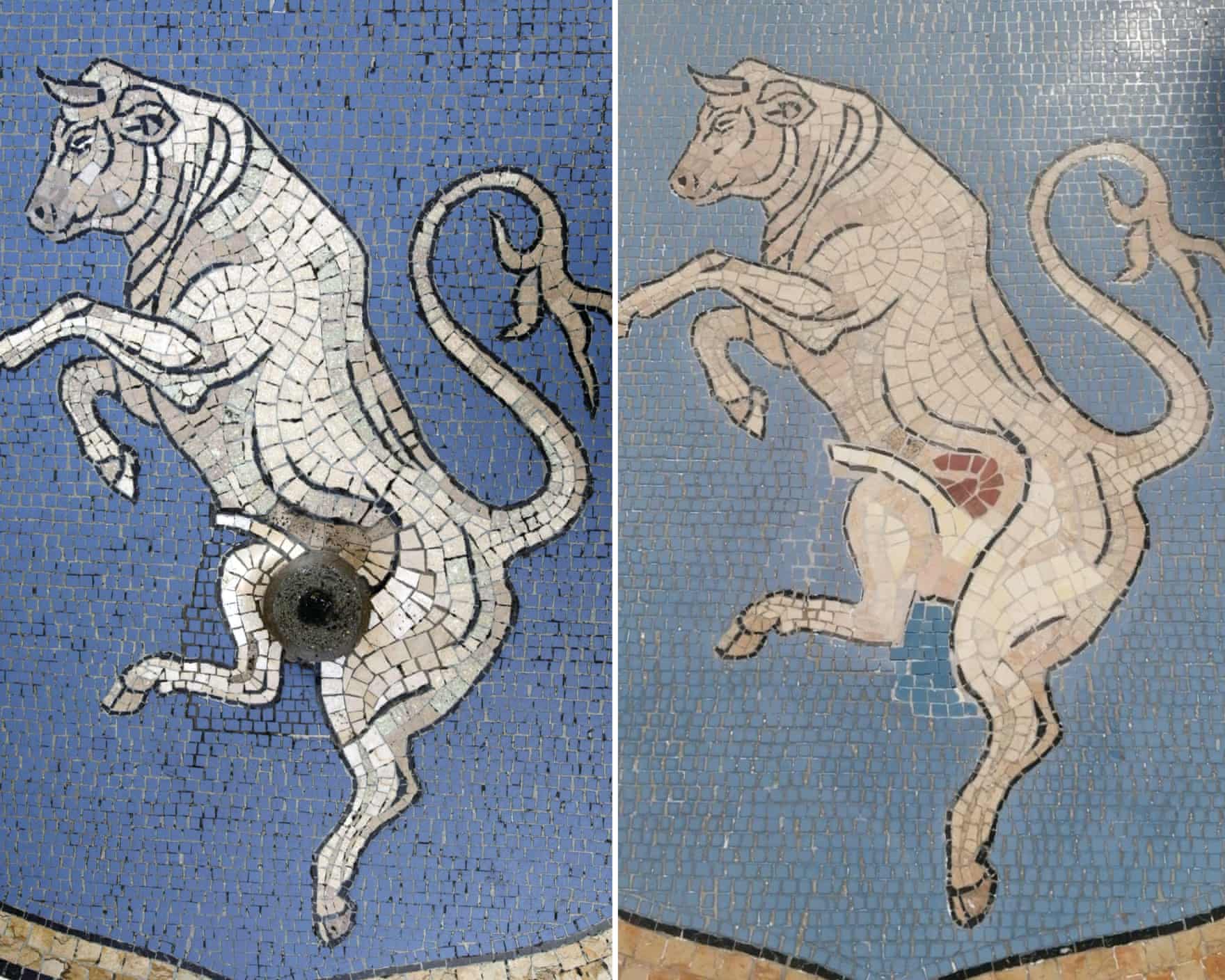
two images of the mosaic, one with a large worn-down black patch where its testicles should be, and the other with a small pinkish, indeterminate area between the bull’s hind legs.
The bull mosaic in 2007, left – and after the restoration. Composite: Damien Meyer/AFP/Getty Images/Marco Granelli/Facebook

The restored bull, which represents the symbol of Turin, the Italian capital at the time it was made, was made available to the public again on Monday. However, visitors might struggle to find its testicles.

When Marco Granelli, a Milan councillor, shared a photo of the refurbished mosaic on Facebook, complimenting the works, the post was hit by a deluge of mockery and criticism.

“Something’s missing,” noted one commenter, while another asked: “What happened to the testicles?”

Others wrote that the bull now appeared to resemble a male ox – oxen are commonly castrated to inhibit testosterone – while some questioned whether the bull had been “castrated” to deter tourists from performing the ritual.

Milan’s city council was accused of “censorship” and of wasting public money – the restoration reportedly cost €30,000 (£26,000).
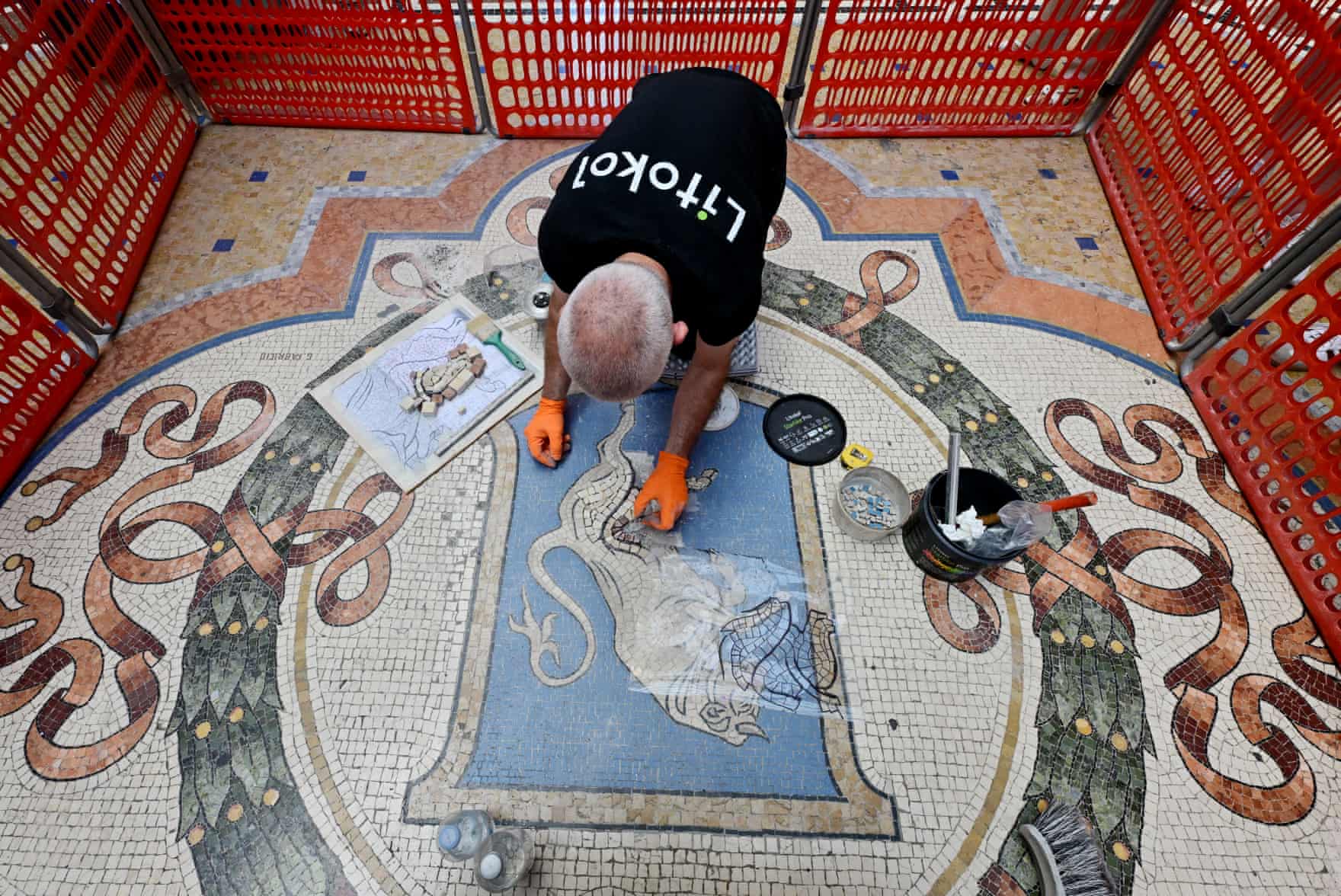
A man in a black T-shirt and orange gloves kneels as he works on the mosaic. The area around it is cordoned off with orange plastic fencing.
Gianluca Galli, a restorer, works on the mosaic in the Galleria Vittorio Emanuele II. Photograph: Stefano Rellandini/AFP/Getty Images

One person pointed out other alleged blemishes: “There are tiles of different colours and they are messy.”

The Galleria Vittorio Emanuele II, built between 1865 and 1877 and located close to the Duomo, is one of the oldest shopping arcades in the world. Granelli told Agence France-Presse last week the arcade was “a living heritage site which can wear out easily precisely because it is loved and frequented”.

Other cherished attractions in Italy have become worn due to tourists performing rituals.

A bronze statue of William Shakespeare’s heroine, Juliet, in Verona has been restored twice after becoming disfigured. Tourists have been constantly touching it as part of a ritual believed to bring luck in love.

The statue sits beneath the balcony in a tiny courtyard where Romeo is said to have wooed Juliet. The courtyard is next to Casa di Giulietta, a renovated 13th-century building that once belonged to a noble family, the del Cappellos, who are believed by local people to have inspired the fictional family of Juliet Capulet in the Shakespeare classic.