




My parents encouraged me to leave Venezuela. The situation in the country at that time, the mid-2010s, had started to get really hard, with food and medicine shortages – and violent robberies were becoming a regular thing. A lot of people had started to leave and my parents were worried that if I stayed something bad would happen. I had already seen my mum robbed and I’d had a gun held to my head, but that was normal. I was lucky enough to be able to go to England. But when I arrived, to study at Huddersfield University, I had the feeling many immigrants have – of not belonging, questioning who I was and where I was from. I understood what I was losing, too, and it hurt.
I remain deeply connected to Venezuela and whenever I go back to visit my parents we always go to the beach. My whole family loves the ocean: it’s how I spent a lot of my childhood. I started shooting there, too, hanging out with kids, spending time with young people and seeing what they were going through, but I also felt I could give something back. The kids had so much fun during those shoots.
During a visit in 2018, a group of friends who were about to leave the country were organising a goodbye trip, and they invited me along. We drove through the mountains to Playa Medina, which is an amazing beach with Japanese forest grass that’s full of vultures. I would wake up at 5am and there was this super soft light, with the water this brown-green colour. It’s such a surreal place. One morning I saw these two brothers coming back from a fishing trip with their dad. I could see they were tired, fed up with having to help their dad, but they were also playful with each other. I started talking to them. I only made this one single image of them on my Mamiya camera – which is like a tank!
Back in Huddersfield, when I saw the photo, I thought: “Wow, this is it.” The abstract space – between reality and a place of hope for young people. It was the photograph that started my project, Venezuelan Youth, trying to understand what it means to grow up in a country in crisis, where there are no opportunities to grow in the future and the main ambition of most young people is to leave. I was trying to find something between this harsh reality and a feeling of innocence. That surreal space, with the two of them looking so beautiful, the brotherhood, shaped my whole project for the next 10 years, which has now been published in a book.
I used to go back to Venezuela twice a year, as much as I could, and every time I went, especially to the ocean, I always tried to find space to connect with the kids. In the first few years, I didn’t seek out images: they just happened. But as the project evolved, I began to also collaborate with Venezuelan creative directors who shared a desire to preserve our identity. Fashion became another element, as well as other aspects, such as my pictures of the Joropo, a traditional dance that is being lost.
At the same time, I felt a need to show Venezuela through other eyes. Photojournalism is important but I also wanted to break away from any harsh kind of imagery, without dismissing the problems – to show the personal encounters I had with kids, to show what beauty we have, how our identity isn’t only defined by the crisis. All of us, whether we stayed or left, are marked by the crisis. It’s part of who we are, especially for my generation, who grew up with it. But there are other good things we forget. I am hoping the book brings that back to young people, to remind them that we’re strong and resilient, and to celebrate our traditions and our people. I never want to forget where I come from – and this book is my love letter to Venezuela.
Venezuelan Youth is published by Guest Editions
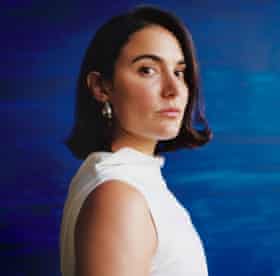
Silvana Trevale’s CV
Born: 1993, Caracas, Venezuela.
High point: Holding my book Venezuelan Youth in my hands.
Top tip: Explore what is most genuine to you, whether it makes you angry, happy or sad.