


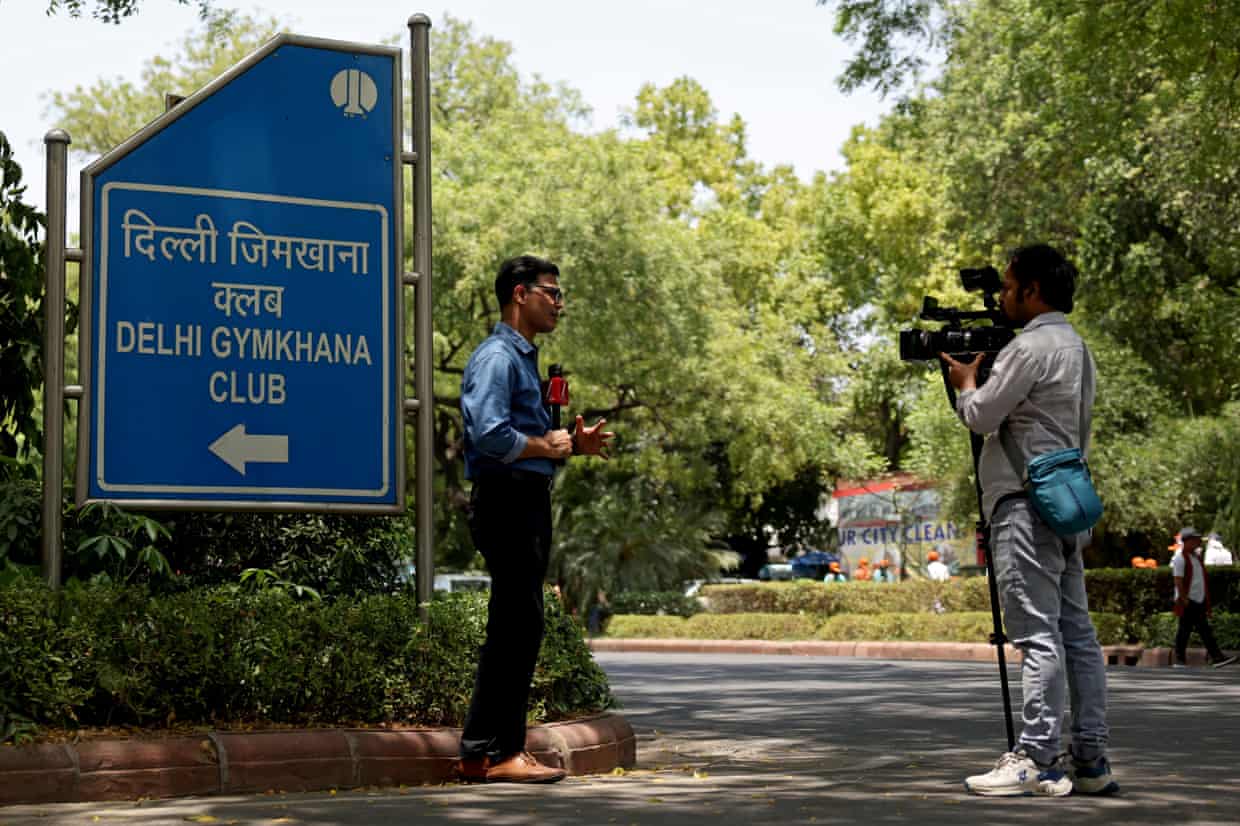
Narendra Modi’s government has ordered one of India’s most exclusive private clubs, the Delhi Gymkhana Club, to vacate its sprawling premises – the latest move against institutions seen as symbols of Delhi’s old world establishment.
The club has long been synonymous with India’s upper echelons, although before Independence in 1947 it was largely a preserve of the British colonial elite, admitting only a select few Indians.
Here’s everything to know about the club and why the government’s plan has sent shockwaves through the privileged membership base.
What is the Delhi Gymkhana Club and what is the row about?
The Delhi Gymkhana Club is one of the country’s oldest institutions: part colonial relic, part social club, part establishment power centre. Now it is suddenly under threat.
The Indian government has ordered the club to vacate the 11 hectares (27 acres) it occupies in the heart of New Delhi, saying the land is needed for defence-related infrastructure and other strategic purposes. The notice initially gave the club just two weeks to leave.
Lawyers rushed to the Delhi high court on Tuesday seeking to halt the eviction. The court declined to intervene. But India’s solicitor general, Tushar Mehta, assured the court that any action would take place strictly “in accordance with law”, easing fears of an immediate shutdown and buying the club some time.
What is the history of the club?
Founded in 1913 as the Imperial Delhi Gymkhana Club on a peppercorn rent, it began life as an exclusive preserve for British administrators and military officers. Only a select group of Indians were admitted, largely drawn from princely rulers, senior civil service officers, judges, lawyers and wealthy industrialists considered socially acceptable to the Raj.
Today, it remains a world of senior civil servants, military officers, old Delhi families and business people. Membership is famously hard to secure, with waiting lists that often stretch 20 to 30 years.
Only about 20% of membership places are reserved for those outside government service, and about 100 memberships open up each year.
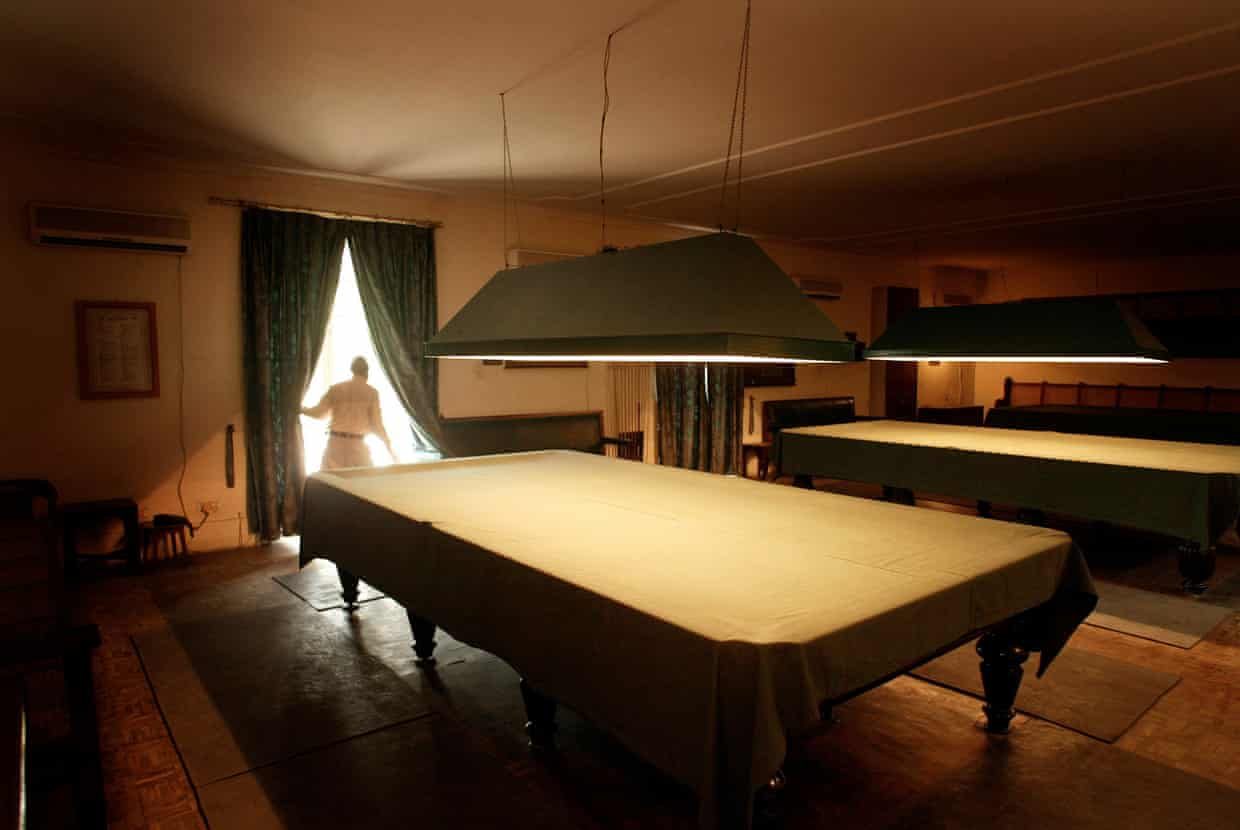
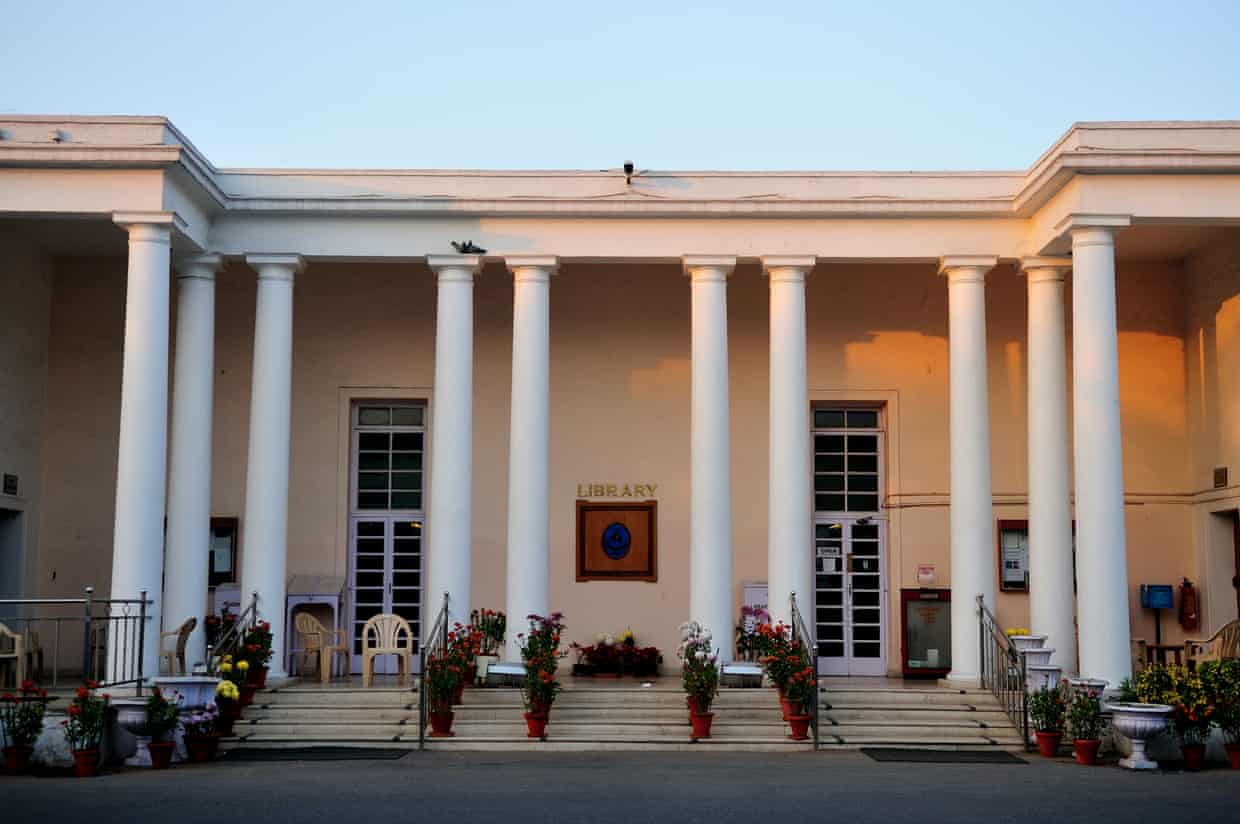
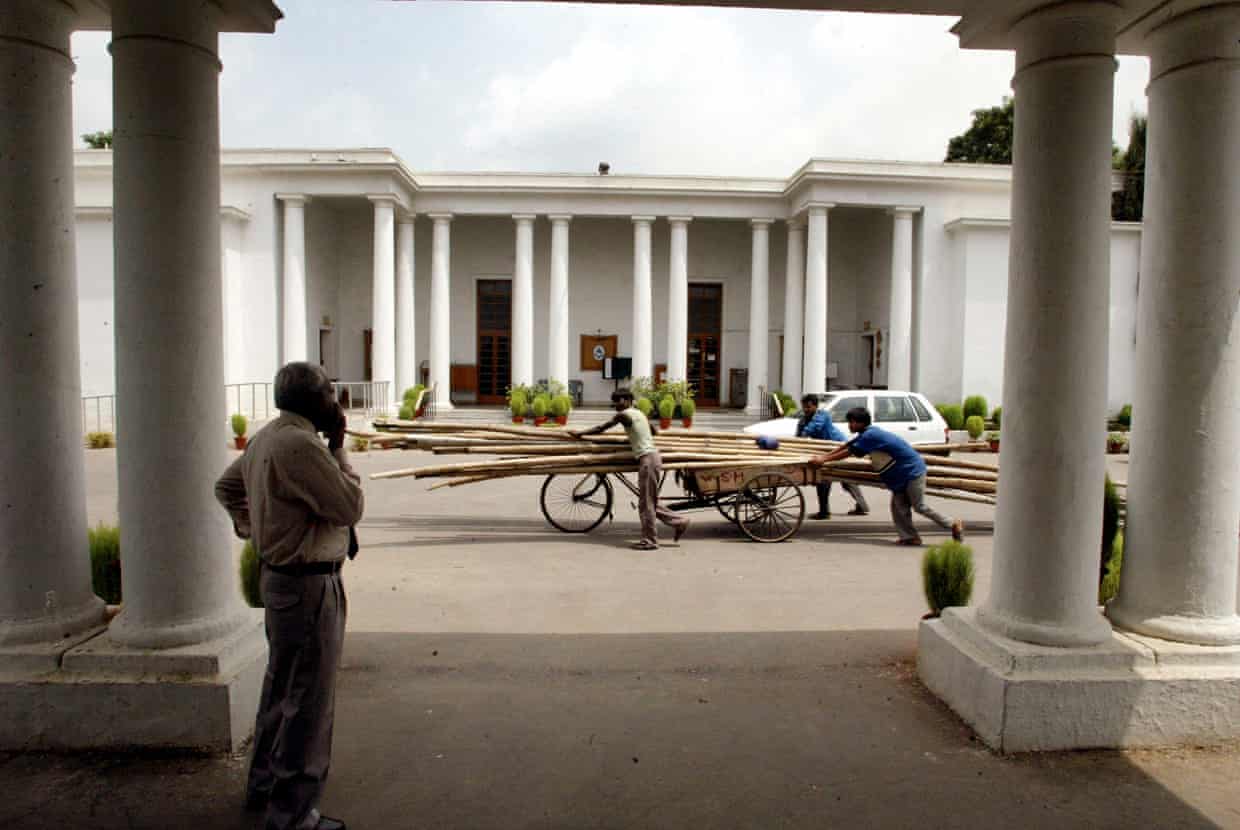
The porticoed colonial-style clubhouse and its grounds feel worlds away from Delhi’s chaotic traffic and heat. Members have access to tennis and squash courts, bars, dining rooms, a library, rooms for cards and billiards, and 43 guest cottages and visitor rooms.
How worried are members for the club’s future?
Among Delhi’s club-going circles, an imagined exchange between the fictional Bertie Wooster and Jeeves, who were created by the British author P.G. Wodehouse, is circulating on WhatsApp. In the conversation, a distraught Bertie laments the government’s decision to reclaim the Gymkhana for “governance infrastructure”.
“They’re taking twenty-seven acres of pure, unadulterated bliss and turning it into bureaucracy, Jeeves,” Bertie groans, mourning the possible loss of tennis courts, billiards rooms and, most tragically, the club bar.
Jeeves remains unruffled. “Strategic necessity often demands robust alterations, sir.”
Is the the club just a watering hole for the rich and powerful?
Alongside the well-connected are retired civil servants and military officers. Historically, the club was dominated by bureaucrats and armed forces personnel, partly as a perk for public servants with lower salaries than the private sector.
For many members, the club is part social life, part second home. For some elderly members, it also serves as a kind of meals-on-wheels service: chauffeurs collect lunch and dinner from the club to eat at home. Some people joke it is a retirement village for the establishment.
“My parents are saying it’s like being evicted from their home,” said one member. “They’ve been going there at least once a week for 40 years. All our family gatherings happen at the Gymkhana. I know I have had a life of privilege, but I will miss it if it goes.”
Veteran commentator Vir Sanghvi, writing for The Print, a digital news platform, said that on the rare occasions he has visited the Gymkhana, “it has been packed out with retired army officers, superannuated bureaucrats and people whose families once had money but can’t now afford to pay the extortionate prices at five-star hotel bars.”
Why doesn’t the Modi government seem keen on preserving the club?
Since coming to power in 2014, Modi’s government has shown little affection for British-era institutions associated with privilege and what the ruling Bharatiya Janata party (BJP) often calls the “Lutyens’ elite”, shorthand for the old political, bureaucratic and social establishment accused of dominating India for decades.
The counter-argument is that the old establishment has moved on. Even the Gymkhana counts many government supporters among its members.
Is the club likely to disappear?
Probably not quickly.
The Gymkhana has spent years battling the government. Government-appointed administrators currently oversee its activities following allegations of governance failures and financial irregularities.
While the government is expected to press ahead with its eviction plans, club members will continue their court fight. Given India’s overburdened legal system, members may yet have years of gin and tonics left before the matter is settled.