





Imagine a world where judging distance is a daily struggle and the simple act of pouring water into a glass requires intense concentration. At a school volleyball game, you see the ball and run for it, but you are always a moment too late.

-
Diplopia means double vision. It’s a medical term and it’s defined as seeing two images of a single object when you’re looking at it. The most common cause of binocular double vision is eye muscle misalignment. Strabismus may be present all the time (constant) or occur on and off (intermittently). Usually, if strabismus starts in early childhood, double vision does not occur. Children will typically learn how to ‘turn off’ or ignore the double image when the eye misalignment is present. This is called suppression. In my case, even if it started very early, my vision was double and blurred, like in this image I created (above).

-
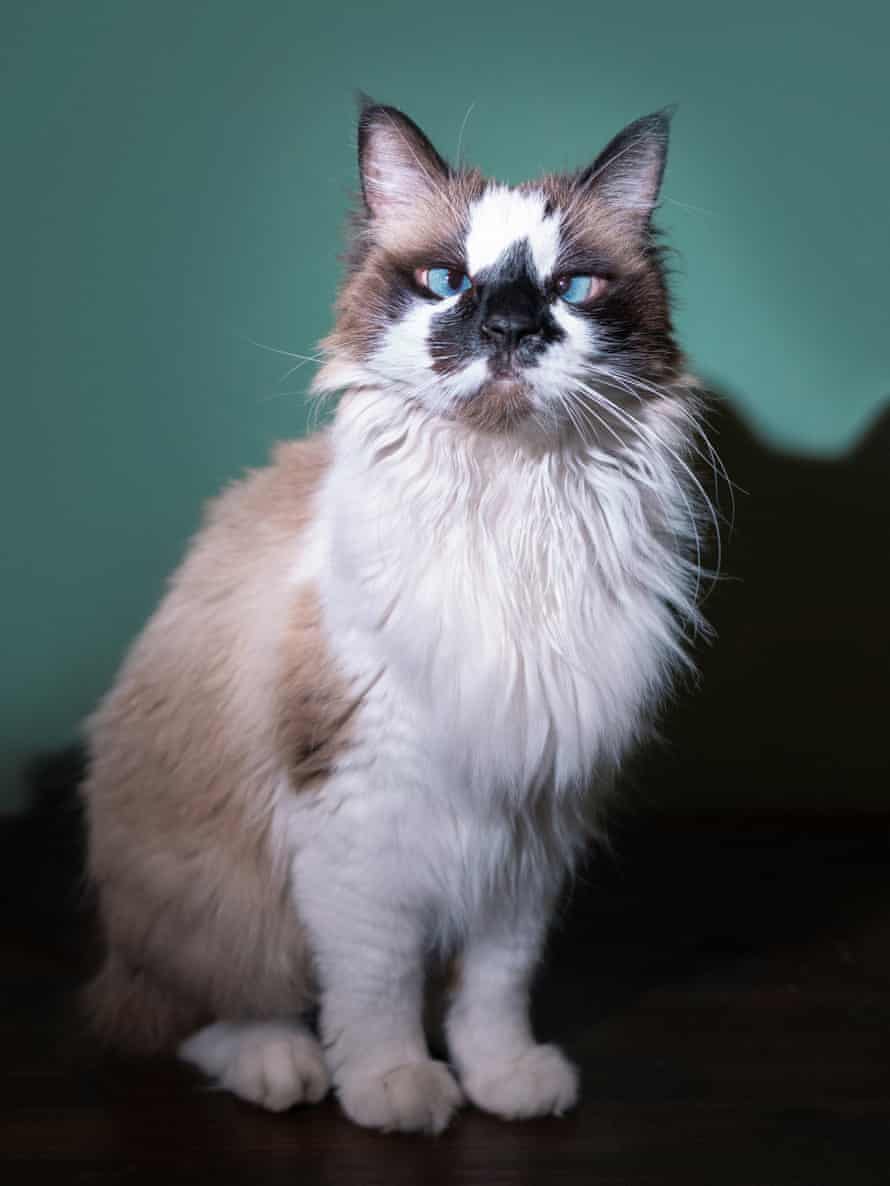
Above left: Briciola, a cat with strabismus; the condition is common in certain breeds. Above right: Still life with a glass and depth of field (Turin, 2023). ‘When I was little, my mom used to scold me all the time. I couldn’t pour milk correctly into my breakfast cup. We discovered late that I was suffering from strabismus’ – Chiara (Turin, 2021).
At the age of three, I developed strabismus (misalignment of the eyes, or a squint). Everything had a twin, a condition known as diplopia, or double vision. About 4% of the global population experiences this misalignment.
-
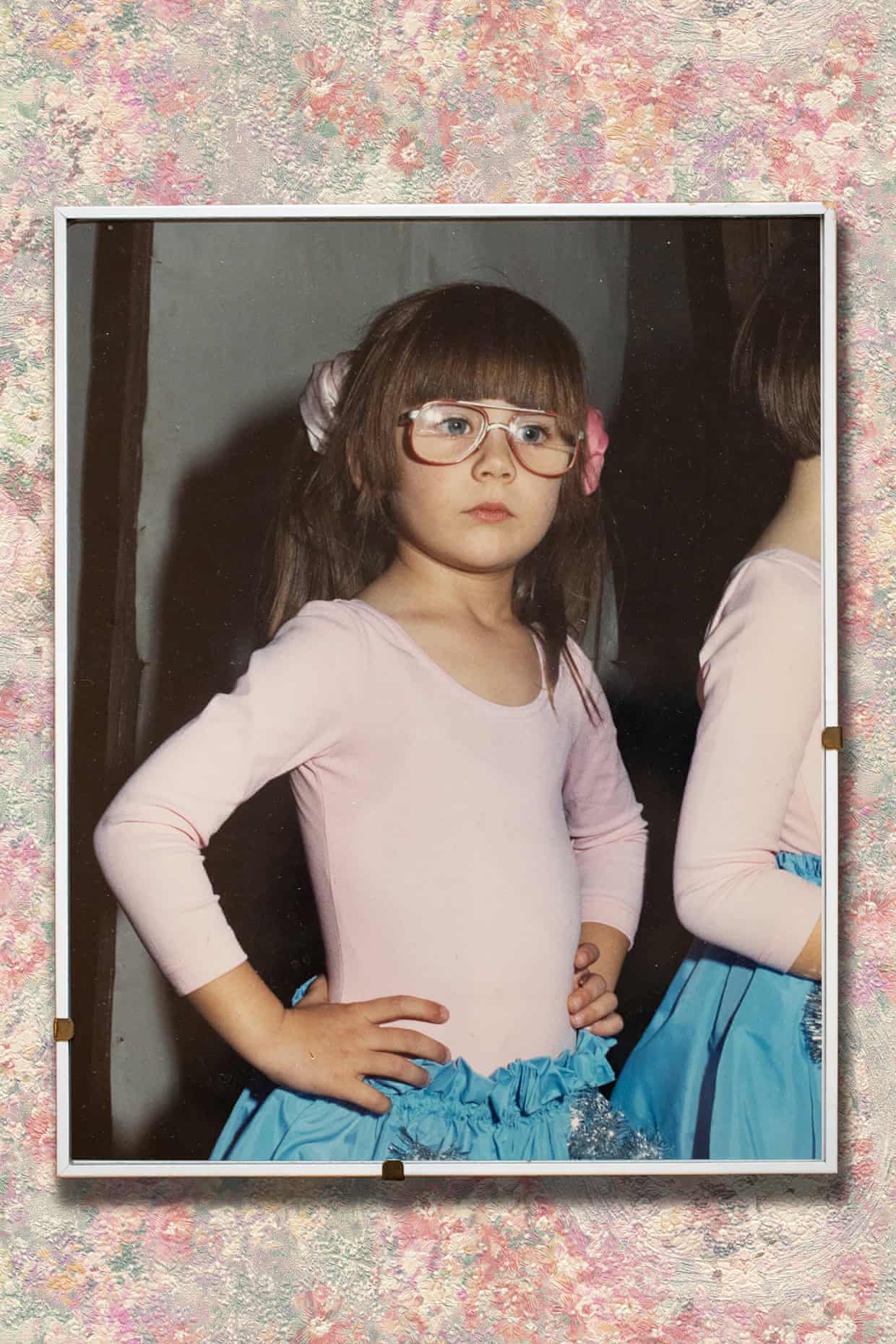
A young Vanessa Vettorello.
While young children often adapt by suppressing one image, older children and adults face mental strain just to navigate the simplest tasks. It is a complex, often misunderstood condition that is rarely discussed openly.
At 12, I underwent successful surgery and fully regained binocular vision. For years, I buried the memory, acting as if it had never happened. However, as an adult I began to look back. I started to ask myself: Was I bad at some sports because of my personality, or was it because of my eyes? Was I so messy at school because of who I am, or because of my poor vision? Had anyone else ever felt what I was feeling?
-
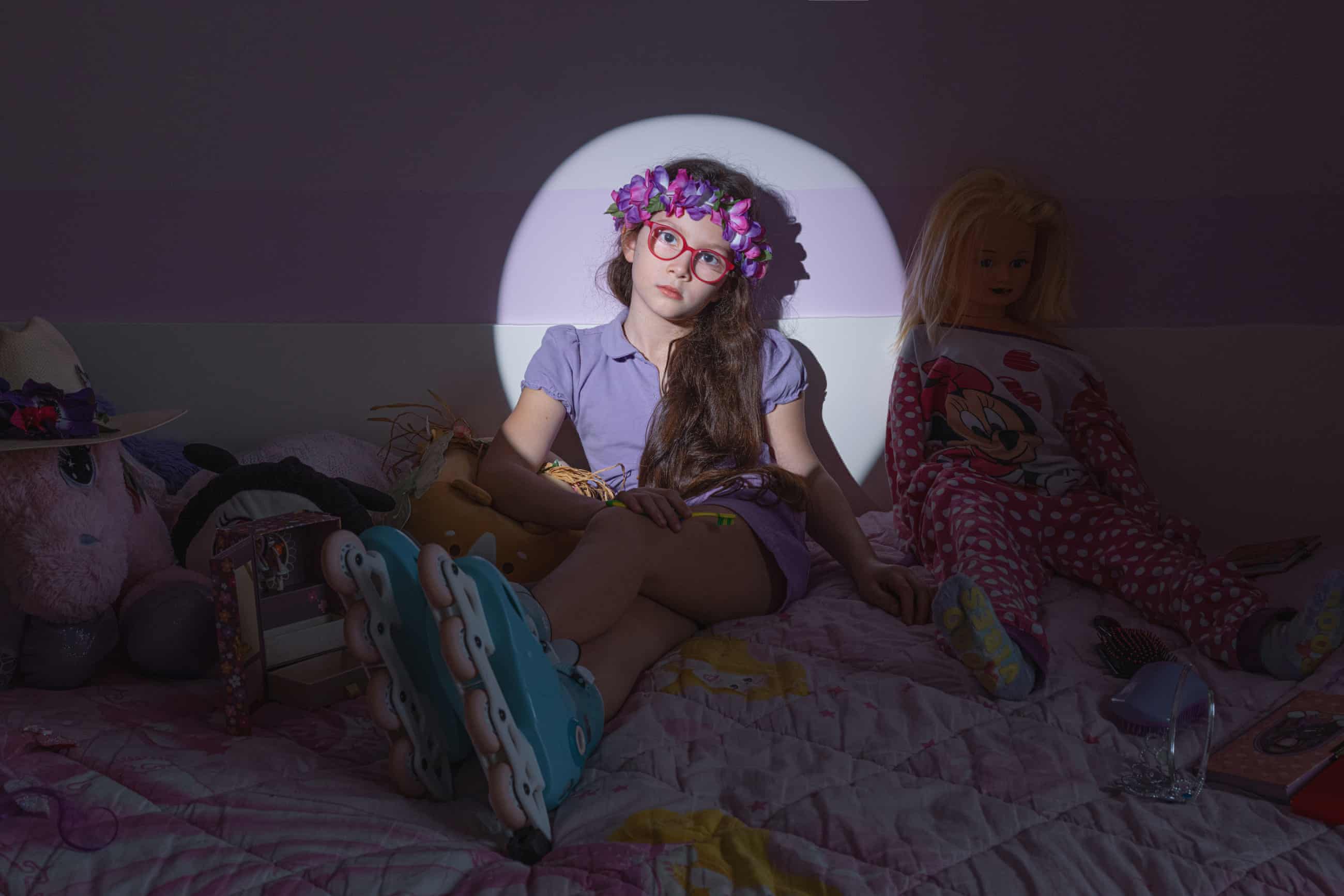
Giulia in her bedroom. She wears bifocals to correct accommodative strabismus, and while school has been difficult due to unkind classmates, she has learned to accept her glasses. ‘In a voice note, Giulia’s mom told me that one evening by their front door, Giulia looked up and asked: “Mom, what’s that in the sky?” “The moon,” she replied. It was then her mother realised that, before getting her new glasses, her daughter had never actually been able to see it clearly.’
Wandering Star is an investigation into strabismus, examining the relationship between a physical condition and the construction of identity, and how this visual divergence influences the experience of seeing and being seen. By blending reportage of real-life situations with the reconstructed memories, the work integrates my personal story with memories and portraits of others.
-
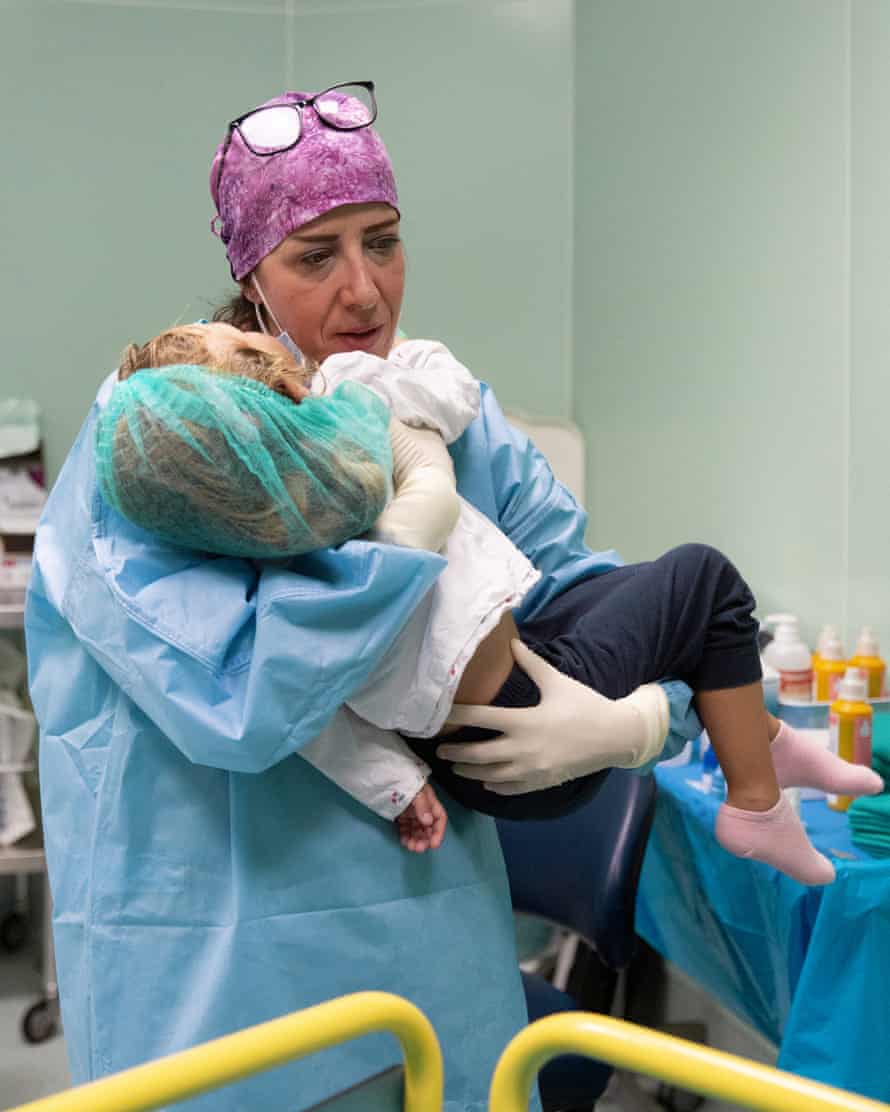
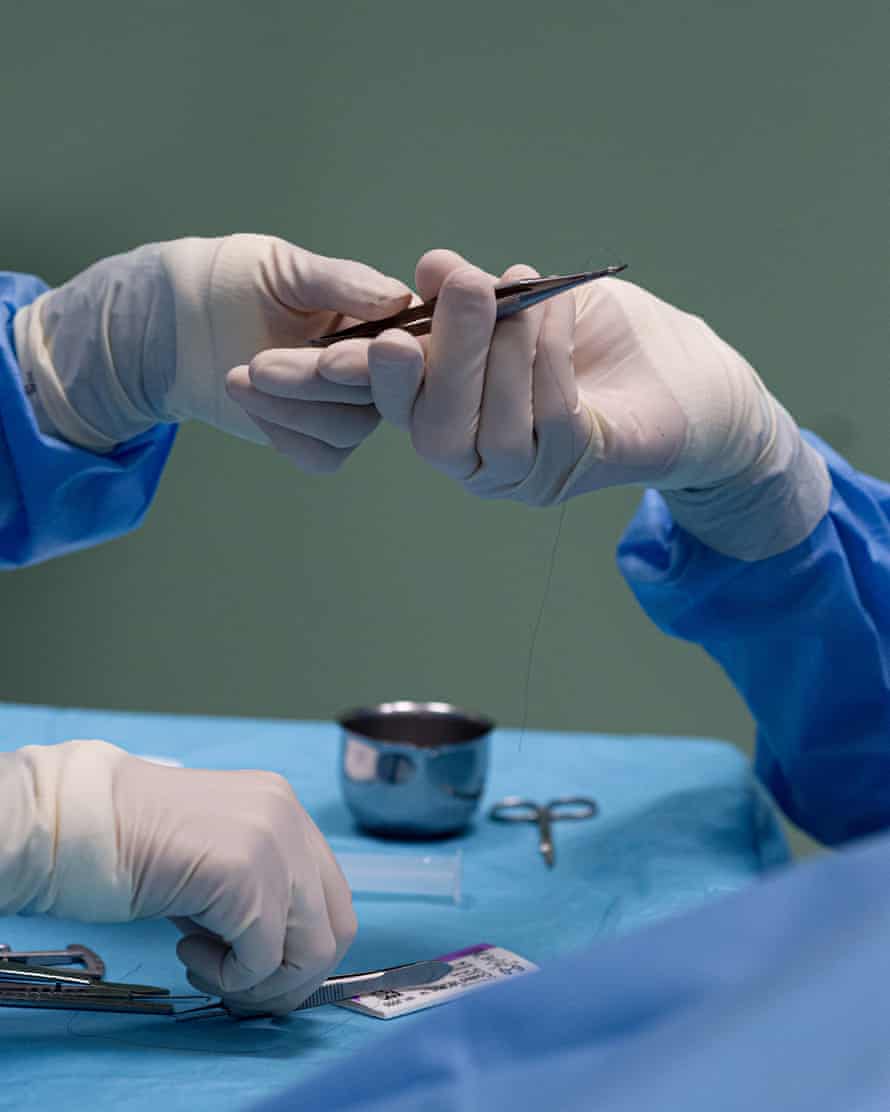
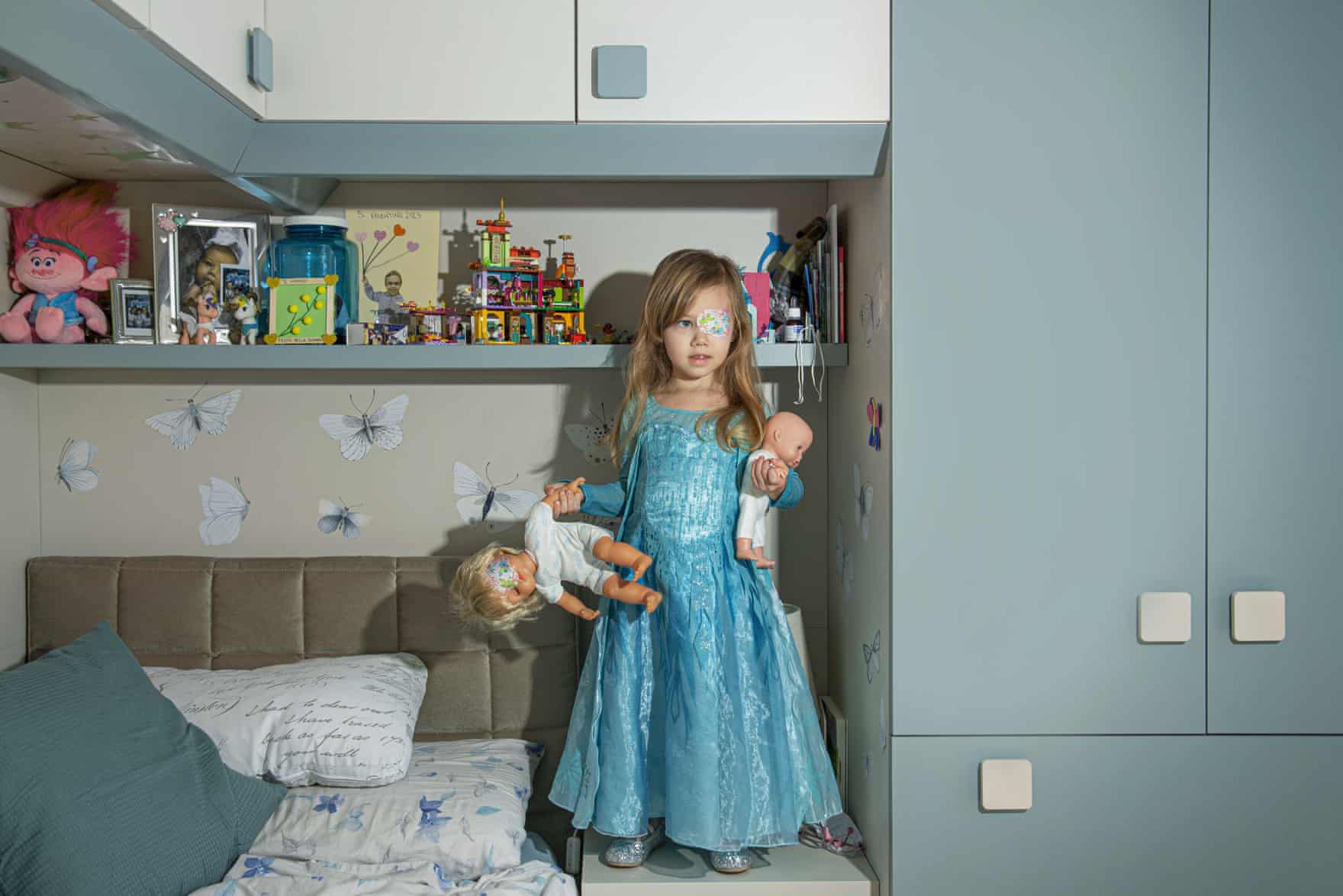
Above left: Vittoria in the hospital after her operation. In June 2022, her parents noticed her eye turning inward, a condition fully corrected by surgery in September 2023. Above right: the hands of the surgeon Prof Nucci and his assistant during Vittoria’s operation.
-
A family friend noticed that one of Vittoria’s eyes seemed to turn inward. From that moment, an intense journey of medical visits, ER visits and eye exams began, concluding with a diagnosis of latent strabismus, likely made manifest by a fever due to mononucleosis, a viral infection. Only after the diagnosis did Vittoria’s parents begin to reconstruct certain signs that, in hindsight, appeared clearer: reading difficulties at school, frequent rubbing of her eyes and forehead, falls, and difficulty looking at the camera when photos were taken.
Rather than seeking a firm resolution, the project reflects on the social and psychological implications of a different gaze. The title refers to a specific symbol from a binocular vision test, a star that remains invisible to those who lack binocular vision.
-
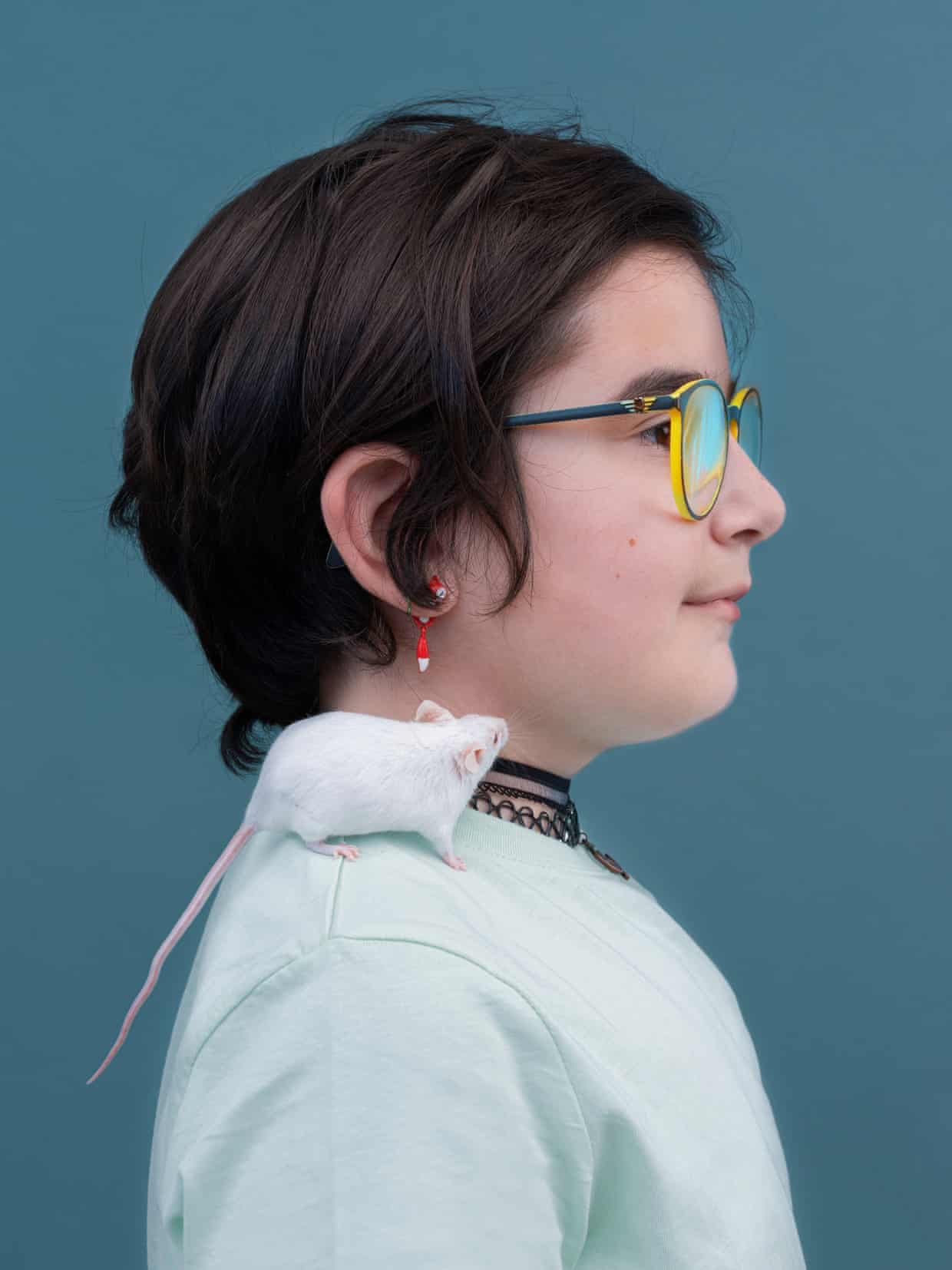
Ayda, 10, experienced accommodative strabismus, now resolved thanks to the consistent use of glasses. Even when she takes them off, the strabismus is no longer visible. Early eye exams led to a diagnosis of astigmatism combined with hyperopia (far-sightedness). Prompt intervention and wearing glasses regularly helped greatly reduce the issue, which may become less significant as she grows. For Ayda, glasses have never been a problem: her best friends wear them too, and she has never felt different. On the contrary, she places great value on uniqueness, which she sees as something positive.
The project aims to bring awareness to the subtle stigma and lack of understanding surrounding strabismus.

-
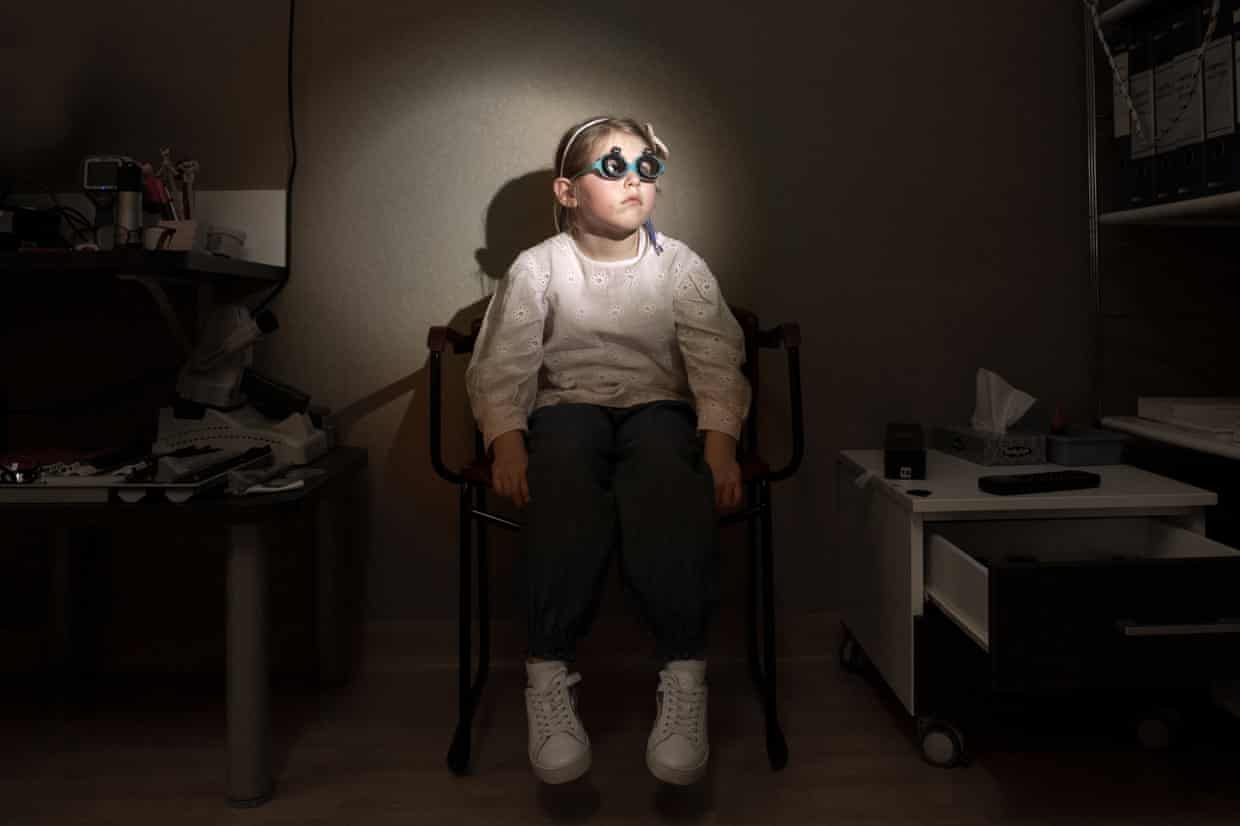
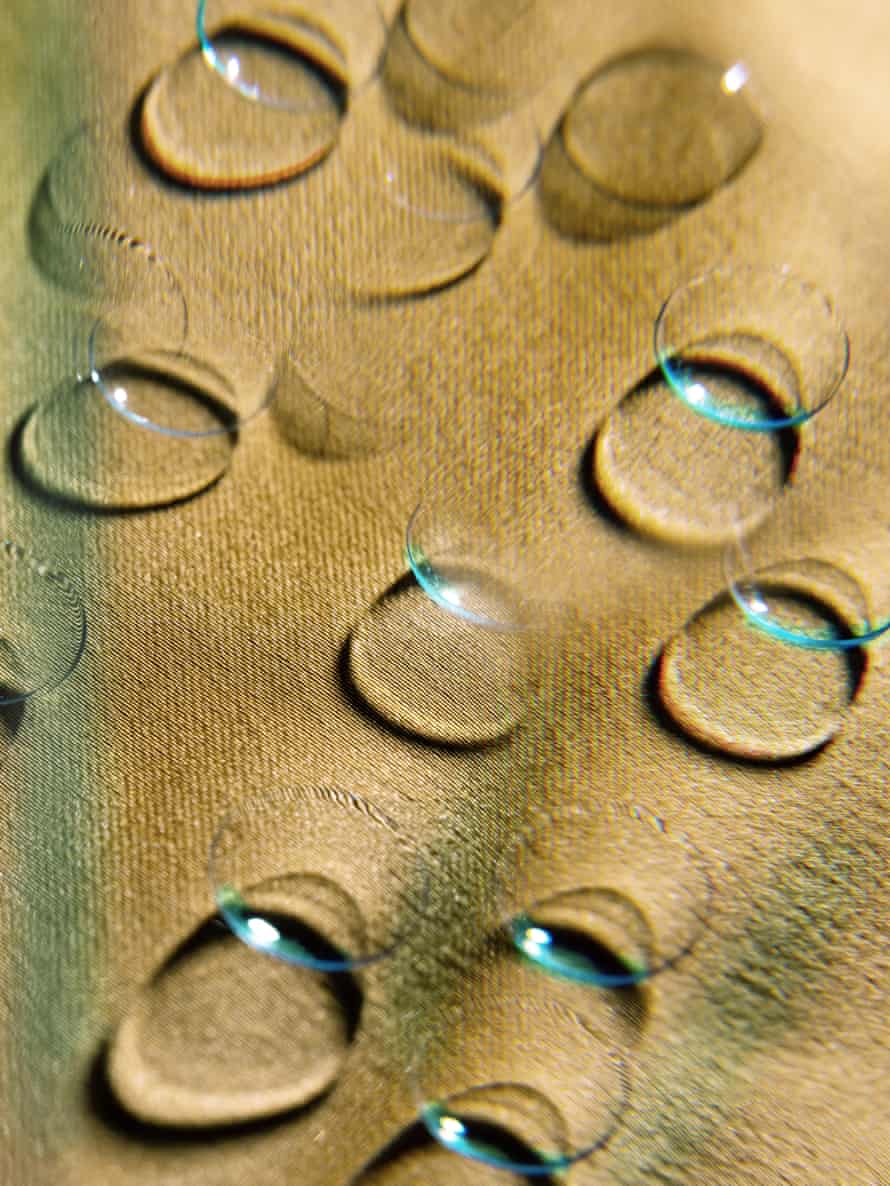
Top: A young patient at Studio Oculistico Paolo Nucci in Milan. Prof Nucci is an ophthalmologist and surgeon specialising in paediatric eye disorders. Above left: C, a photographer, cannot live without her contact lenses. She views her diplopia as a core element of her identity that she fears losing through surgery: ‘It would be losing a piece of how I see the world, I wouldn’t have surgery today because I’m afraid of losing this thing here.’ Above right: C plays with her vision. One evening in Arles, she used her double vision to ‘move’ a ring on to her hand without touching it.
I’ve spoken with many people, 20 of whom I interviewed in depth because their stories moved me. They include a film-maker who turned his vision loss from amblyopia (known as a “lazy eye”) into a creative strength, and whose son also required an eye-patch though early intervention saved his sight; a mother who described the moment her child saw the moon for the first time after getting glasses at five years old; a woman who still vividly remembers her surgery in the 1980s, which involved being blindfolded and unable to see for several days in a row; and the contrasting experience of following a modern surgery in the operating room, accompanying the family and seeing how much has changed.
-
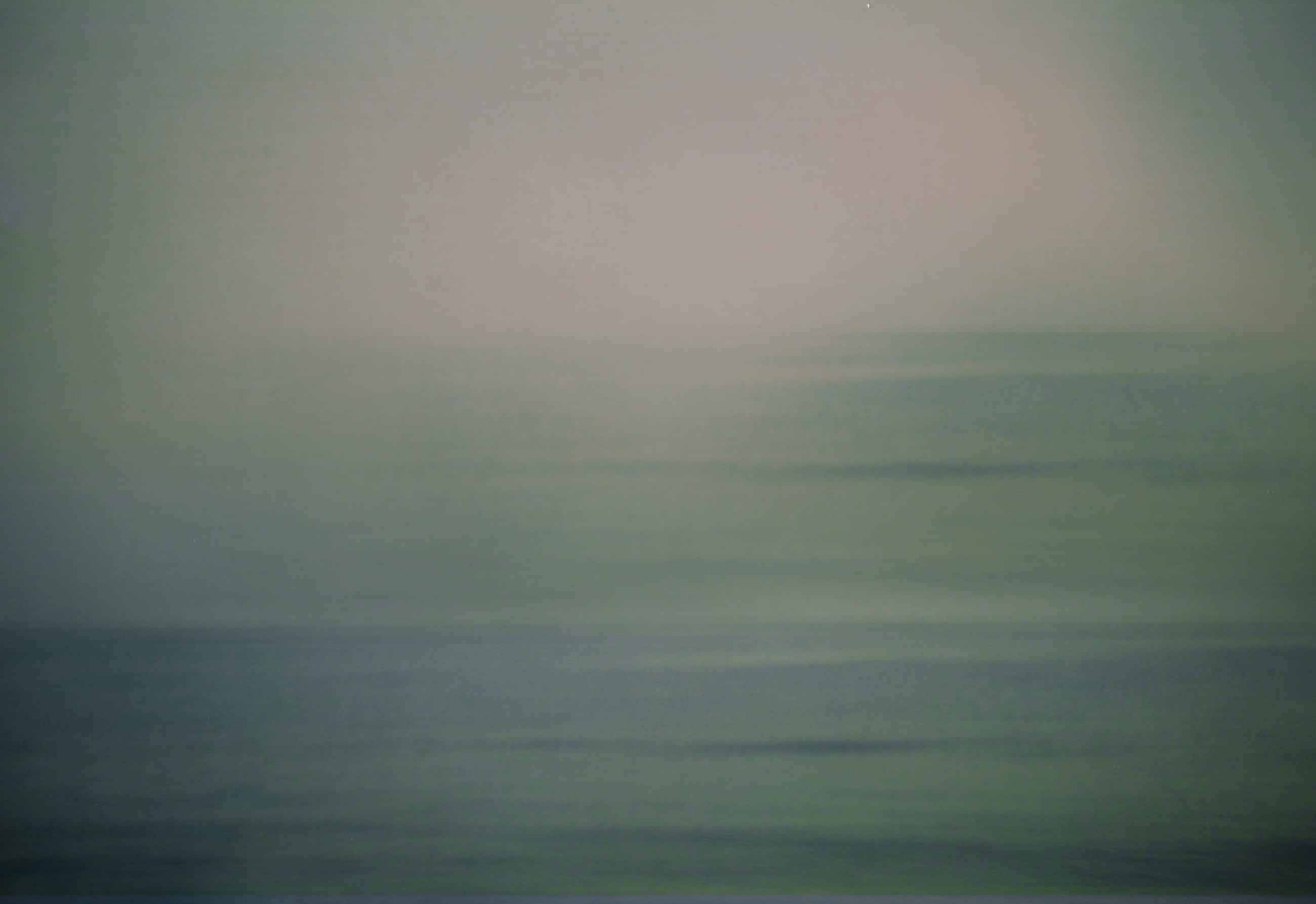
A double vision of the sea.
Wandering Star is a bridge between my past and my future work. It’s a reflection on the act of seeing and being seen.
Wandering Star is supported by the GFX Fujifilm Global Grant