Read a book, flip off a Nazi: when reading meant resistan...
Curated by B·2026-04-28·via The Guardian
In the early 20th century, books became a meaningful symbol of freedom and democracy for the US, UK and their allies. A new exhibition in New York showcases colorful posters encouraging the public to donate and help supply soldiers with reading material. Reading Under Fire: Arming Minds & Hearts During Wartime is on display until 1 November at Poster House. All words and images from Poster House and curator Molly Guptill Manning
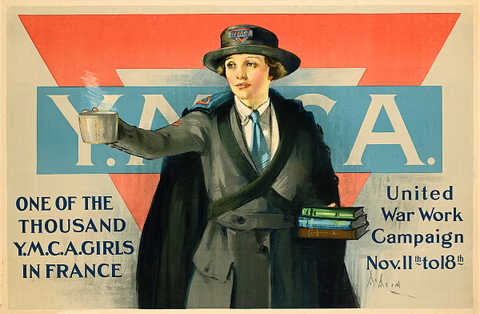
One of the Thousand YMCA Girls in France, 1918, by Neysa McMein
Photograph: Robert Feliciano/Image Courtesy of Poster House
Tue 28 Apr 2026 10.00 BST
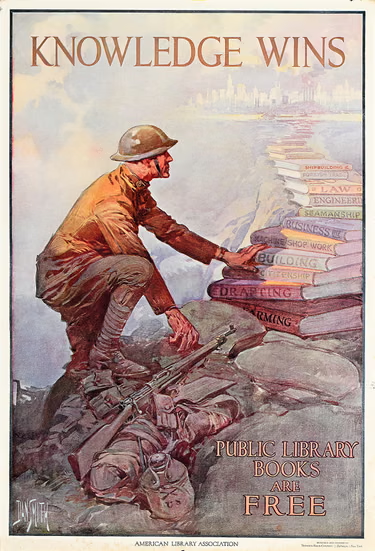
Knowledge Wins, 1918, by Dan Smith
The American Library Association (ALA) supplied millions of books to troops during the first world war, hoping that when soldiers came home, they would have a newfound love for the written word. The poster illustrated that knowledge gained from reading could lead to post-war opportunities for soldiersPhotograph: Robert Feliciano/Image Courtesy of Poster House
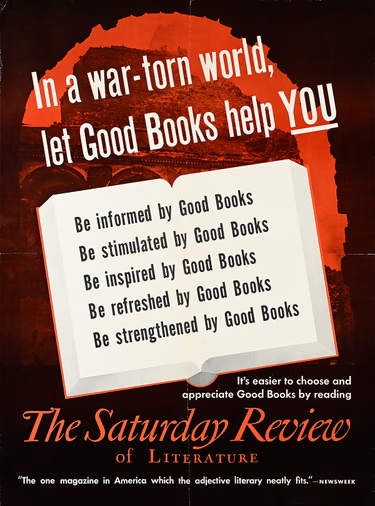
In a War-Torn World, Let Good Books Help YOU, c 1942, by Designer Unknown
One of the missions of the Saturday Review of Literature was to emphasize the importance of reading during the second world war. The stories in the review focused on how Nazi Germany used books as a weaponization of knowledge against their citizens and encouraged people in the US to read and study to dismantle propagandaPhotograph: Robert Feliciano/Image Courtesy of Poster House
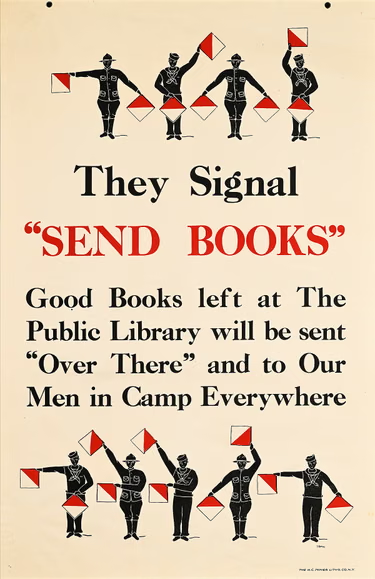
They Signal “Send Books,” 1917, by Homer
Photograph: Robert Feliciano/Image Courtesy of Poster House
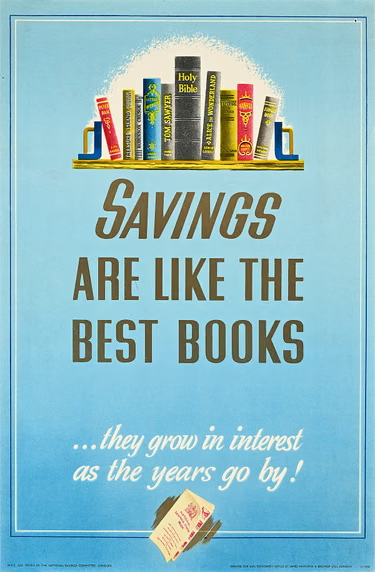
Savings Are Like the Best Books, c 1940, by Designer Unknown
It was estimated that about 25% of US troops were either illiterate or did not speak or write English; the goal of these posters was often to show that reading and libraries could be a different path to education and successPhotograph: Robert Feliciano/Image Courtesy of Poster House
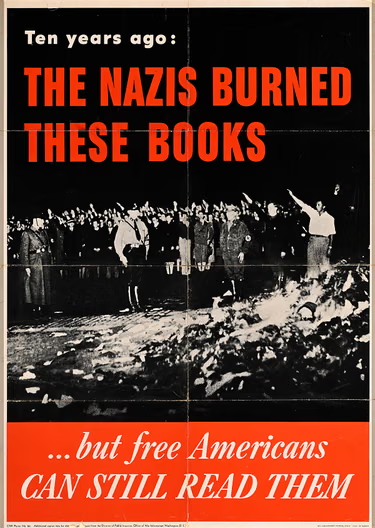
The Nazis Burned These Books, 1943, by Designer Unknown
When the US entered the second world war, all American authors’ books were banned in Germany. This poster with an image of the Nazi party burning books in Berlin on 10 May 1933 engages America to read as a way to protest Germany’s effortsPhotograph: Robert Feliciano/Image Courtesy of Poster House
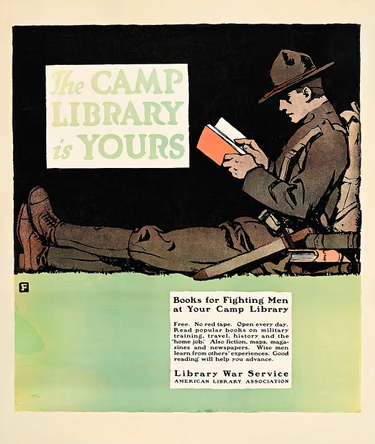
The Camp Library Is Yours, 1917, by Charles Buckles Falls
Photograph: Robert Feliciano/Image Courtesy of Poster House
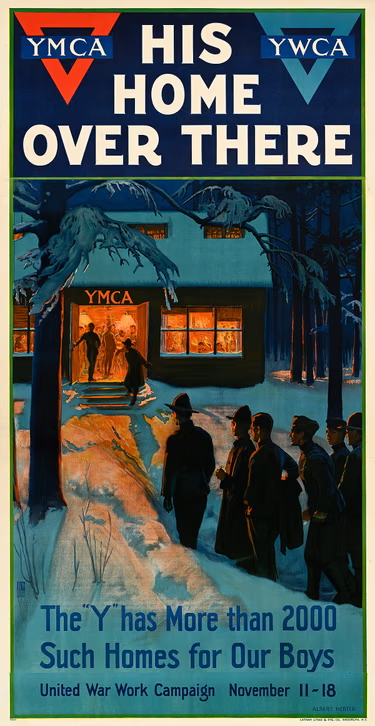
His Home Over There, 1918, by Albert Herter
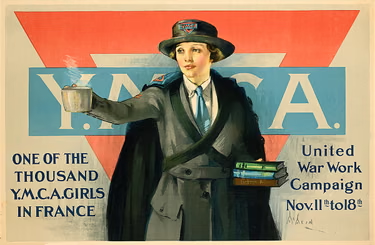
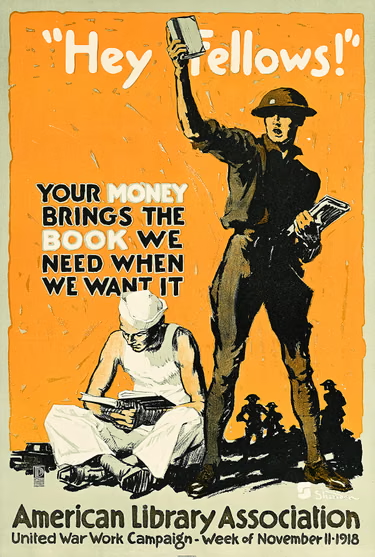
Seven voluntary organizations, including the YMCA, created the United War Work Campaign effort to provide recreational and welfare items for US soldiers. In 1918, during a weeklong campaign beginning 11 November, the American public donated $200 million to the efforts. During these times, books were in hot demand as soldiers waited to return homePhotograph: Robert Feliciano/Image Courtesy of Poster House
One of the Thousand YMCA Girls in France, 1918, by Neysa McMein
To support men at war, the American YMCA hired more than 3,000 women volunteers as “welfare workers” during the first world war. The women were essential to the troops’ successPhotograph: Robert Feliciano/Image Courtesy of Poster House
Hey Fellows!, 1918, by John E Sheridan
Photograph: Robert Feliciano/Image Courtesy of Poster House
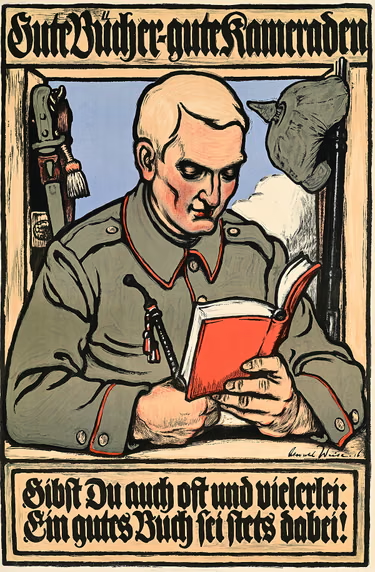
Gute Bücher-Gute Kameraden, 1916, by Oswald Weise
This poster shows that German troops also read for recreation during the first world war. This text in the poster translates to: “Good Books–Good Comrades. However much and whatever you give, a good book should always be part of it!” Photograph: Robert Feliciano/Image Courtesy of Poster House
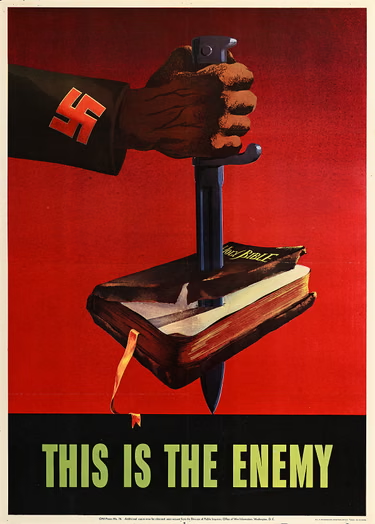
This is the Enemy, 1943, by Designer Unknown
The non-profit Artists for Victory created the poster around the theme of Franklin D Roosevelt’s first war message to Congress on 6 January 1942, in which he mentioned “the nature of the enemy”. The poster was meant to depict how the Nazis attacked Christianity. The tagline often appeared on numerous other posters during this period. Each design presented a different “enemy” for the viewer to fearPhotograph: Robert Feliciano/Image Courtesy of Poster House