









In 1893, in The Adventure of the Greek Interpreter, Arthur Conan Doyle introduced Sherlock Holmes’s older brother, Mycroft. Meeting Dr Watson for the first time, Mycroft shakes his hand and sighs: “I hear of Sherlock everywhere since you became his chronicler.”
Spare a thought for the rest of us, Mycroft. More than a century later, Sherlock Holmes has achieved a level of near-ubiquity that would alarm even the great detective himself – spawning ever more elaborate spin-offs that stretch his life backwards, forwards and sideways.
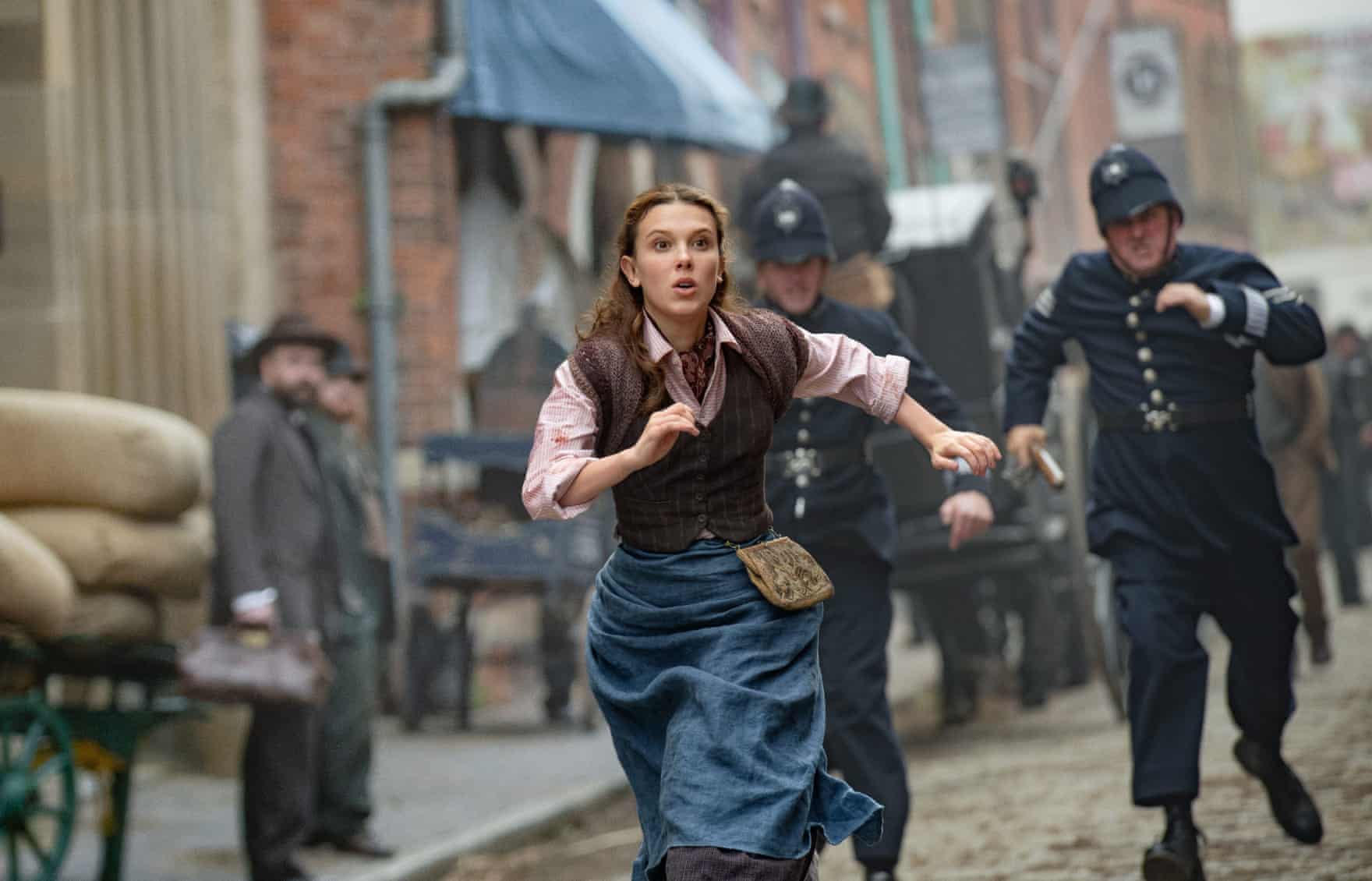
This year has already given us Prime Video’s Young Sherlock, with an Enola Holmes threequel on the way, work beginning on a second series of Sherlock & Daughter, starring David Thewlis, and fresh rumours of Robert Downey Jr dusting off the deerstalker for a third big-screen adventure.
Earlier this month, Sky also announced The Death of Sherlock Holmes, a six-part series starring Rafe Spall as an amnesiac Holmes forced to deduce his own identity high in the Swiss Alps. It fills in one of the detective’s last remaining narrative blind spots – and raises an inevitable question: have we finally reached Sherlock saturation point?
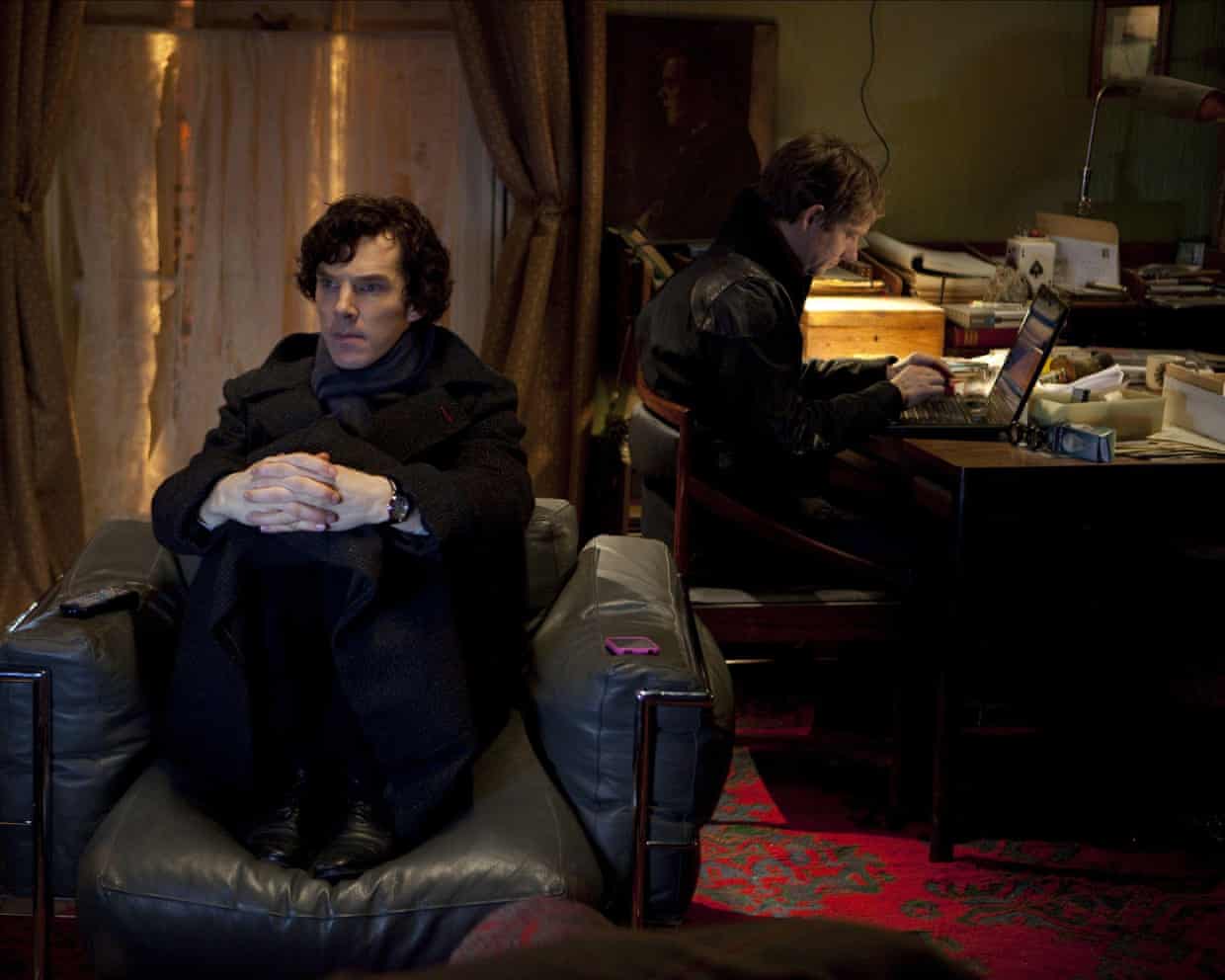
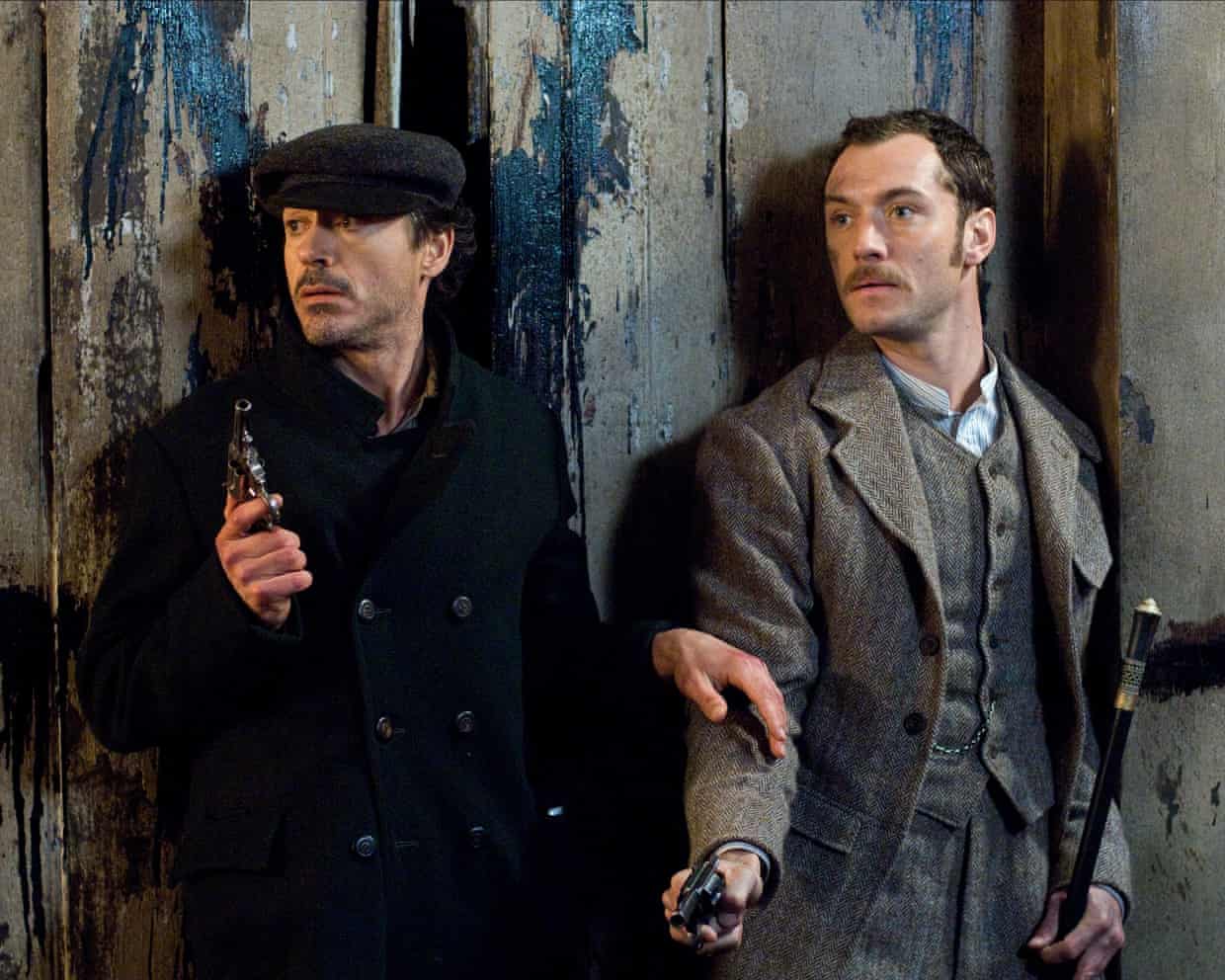
The evidence says yes – and it has been piling up for more than a decade, ever since Guy Ritchie made his first Sherlock Holmes film and Mark Gatiss and Steven Moffat enlisted Benedict Cumberbatch to bring the detective into the modern day. Since then, we’ve had Ian McKellen’s Mr Holmes, Netflix’s The Irregulars, even the animated oddity Sherlock Gnomes. Add this latest influx to the pile and we’re surely at critical mass. Aren’t we?
“Oh, I don’t know,” says Moffat. “There’s always been adaptations of Sherlock Holmes, now for over 100 years, and there doesn’t seem to be any stopping it, or any loss of appetite.” When his BBC Sherlock arrived in 2010, it did so between Ritchie’s period-blockbuster versions. “Very different takes, but both recognisably Sherlock,” the writer adds. “I expected to feel jealous or competitive about those movies, but I just ended up loving them.”
Moffat recently worked with Holmes incumbent Rafe Spall on the political drama Number 10, which will air on Channel 4 later this year, so he already knows something of the newest adaptation. “[Spall] told me the idea, and I think it’s utterly brilliant,” he says. “A brand-new take on the original, never – I think – done before. I can’t wait to see it.”
A new take? It seems impossible. But however improbable, it is worth taking seriously given Moffat’s track record. And reinvention, after all, is woven into the detective’s nature. Having dispatched Holmes over a waterfall, Conan Doyle himself was the first to resurrect him – convinced by adoring fans to bring him back for The Adventure of the Empty House. In Conan Doyle’s canon, he was brought back to life only once; in adaptation, he has returned time and again, each iteration straying further from the source material.
But the purists will take their Sherlock however he comes. Calvert Markham, chair of the Sherlock Holmes Society of London, says: “The joy is that Holmes continues to inspire original work which we can all enjoy.” The reinterpretations don’t bother traditionalists, he adds, as long as they respect and acknowledge the original texts. Before the Cumberbatch adaptation arrived, for example, Moffat and Gatiss even consulted the society. “And they recognised the nuances of the canon.”
This, Markham believes, is why Holmes not only endures but is enjoying a new golden age of adaptation. Conan Doyle wrote almost 700,000 words (four novels and 56 short stories), populating them with characters so rich and memorable that – even if gender-flipped, merged or twisted to the point of being almost unrecognisable – they still stand up.
“Holmes and Watson are strongly drawn characters,” says Markham, “but so are some of the lesser characters: Irene Adler, Professor Moriarty, Mycroft Holmes. They provide a rich seam for dramatic exploitation, and I guess – in Hollywood terms – Holmes and Watson are bankable names.”
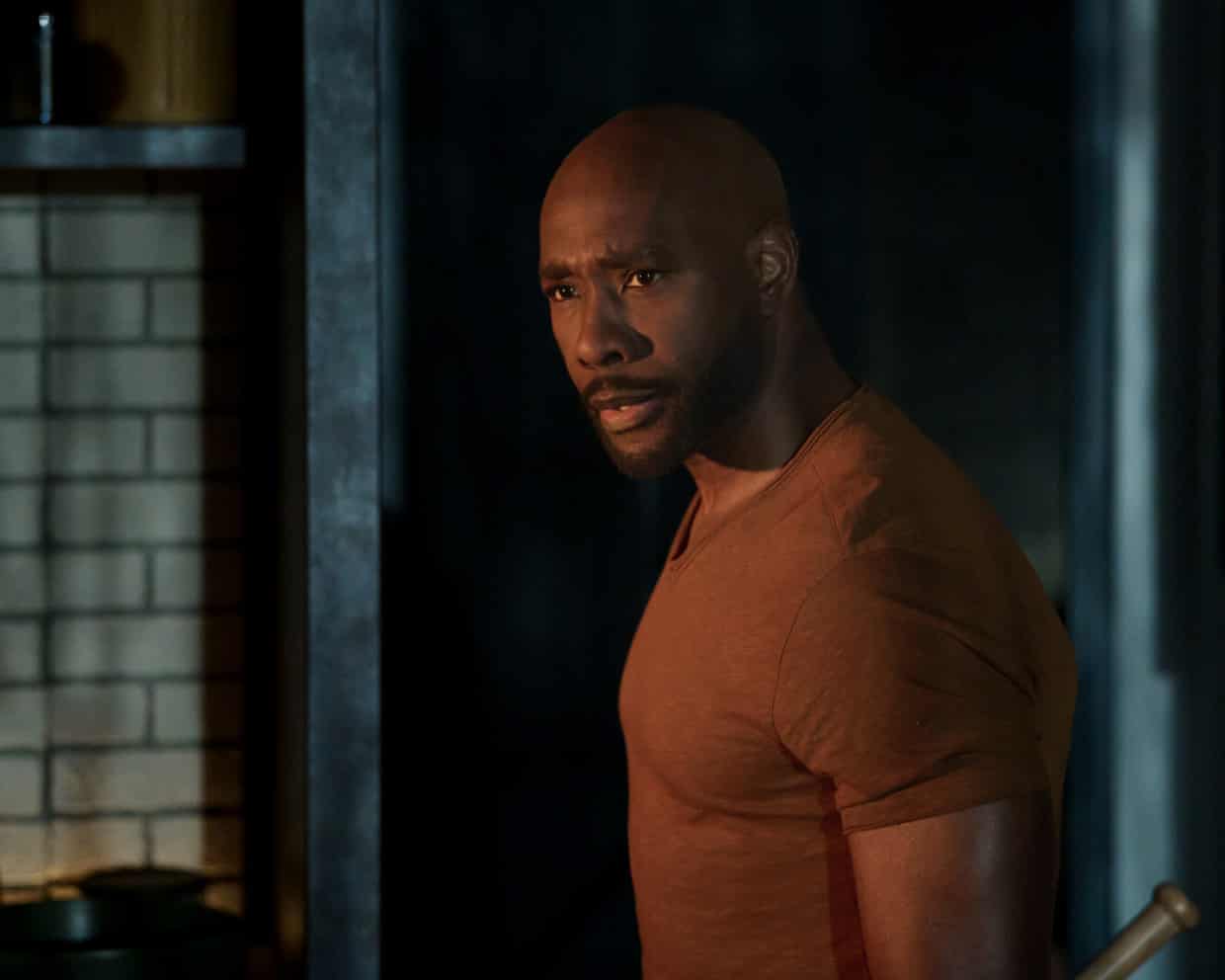
This is the crux of it. Just look at Young Sherlock, starring Hero Fiennes Tiffin. Based on a series of novels by Andrew Lane, the show was recently renewed for a second series and is one of Prime Video’s all-time top 10 original programmes. In the US, after Elementary – starring Jonny Lee Miller as the sleuth – ran for seven years on CBS, executive producer Craig Sweeny created Watson, a medical mystery drama that ended earlier this month. Upon its debut last year, Watson was given a “straight-to-series” order rather than having to prove itself with a pilot episode.
“The Sherlock Holmes brand sells,” explains Sam Naidu, professor of English at Rhodes University and editor of the essay anthology Sherlock Holmes in Context. In fact, the worrying times we live in might mean more public appetite for adaptations. “This instability creates the demand for a secure, comforting, familiar icon of reason and order,” she says. “Holmes continues to provide the comfort of crimes solved, order restored and the triumph of good over evil. In the face of seismic sociocultural and political shifts, the world needs the rational reassurance and the satisfying story of a detective who succeeds.”
And succeed Holmes has. In contrast to “superhero fatigue”, demand for the character is only growing. Regent’s Park Open Air Theatre in London opened its 2026 season this month with a new Sherlock Holmes play by Joel Horwood. A video game released last year, The Beekeeper’s Picnic, allowed players to step into the shoes of the consulting detective. “The phenomenon persists and keeps mutating and adapting,” says Naidu, also citing literary continuations and expansions, from Ryōsuke Takeuchi’s manga series to, more unexpectedly, a trilogy of Mycroft Holmes novels written by former NBA player Kareem Abdul-Jabbar (with Anna Waterhouse). “This continued literary output,” she adds, “suggests that the original stories are fecund enough to generate extended characterisations, new plot lines, alternative fictional worlds and subversive themes.”
It all comes back to Conan Doyle, then. Sherlock persists – and will continue to do so – because he was so fully realised to begin with, his world so well built that we still want to explore its shadowy corners. He was a lucrative intellectual property even in the 1890s, when readers spent a decade demanding his return, and we’re still clamouring for fresh cases now. Moffat thinks we’ll continue to do so, as long as we don’t expand or alter the mythology too much.
“The thing about Sherlock Holmes,” Moffat says, “is that the format is cleverer than you. You look at the format, and you examine the rules, and you do as you’re told. Yes, you try and push it sometimes – that’s good. But the big stuff? Leave it alone. Remember, you’re not smart enough. If you think you’re here to fix Sherlock Holmes, you’ll get your arse handed to you. Sherlock Holmes, as a concept, is simply cleverer than all the people who have ever written it, or ever will. Except Conan Doyle, of course.”
Ignore that, and that’s when “Sherlock fatigue” will set in – when we start to diminish the thing that made the character compelling in the first place: his mystery.