
惯性聚合 高效追踪和阅读你感兴趣的博客、新闻、科技资讯
阅读原文 在惯性聚合中打开

推荐订阅源

H
Help Net Security
月光博客
月光博客
IT之家
IT之家
B
Blog RSS Feed
T
Tailwind CSS Blog
The GitHub Blog
The GitHub Blog
博客园 - 三生石上(FineUI控件)
MyScale Blog
MyScale Blog
J
Java Code Geeks
Stack Overflow Blog
Stack Overflow Blog
奇客Solidot–传递最新科技情报
奇客Solidot–传递最新科技情报
Cyber Security Advisories - MS-ISAC
博客园 - Franky
博客园 - 叶小钗
阮一峰的网络日志
阮一峰的网络日志
freeCodeCamp Programming Tutorials: Python, JavaScript, Git & More
U
Unit 42
博客园_首页
B
Blog
V
V2EX
腾讯CDC
Vercel News
Vercel News
量子位
Microsoft Security Blog

The Guardian

Rory McIlroy surges into six-shot Masters lead with stunning second-round flourish ‘That’ll be the end’: actor Sam Neill joins fight to stop controversial goldmine near his New Zealand vineyard Roberto De Zerbi targets ‘Ange-ball’ revival to save Spurs from relegation Bath hit back to reach semi-final after stunning Northampton in 11-try epic Secret Garden to Outcome: the week in rave reviews Zebras, wealth and power: Hungary’s election tests Orbán’s grip on power ‘TikTok effect’ brings sellout crowds and younger fans to Grand National meeting The war over Omagh’s gold: the £21bn mine plan tearing a community apart Britain’s shadow workforce is paid as little as 65p an hour. Who cares for the carers? From You, Me & Tuscany to Euphoria: your complete entertainment guide to the week ahead Six great reads: the man who let snakes bite him, masked heavy metal and the brutal reality for foreign students in the UK American Classic review – I defy you not to fall in love with Kevin Kline and Laura Linney’s tender comedy Cuba’s doctors were a lifeline for the world. Now the Caribbean is shamefully complicit in the US drive to expel them An environmental disaster in Moldova has Russia’s fingerprints all over it RMIT drops misconduct case against student who accused university of being ‘complicit in Gaza genocide’ Ichiro Suzuki statue unveiling goes awry as bronze bat snaps during ceremony Survivors of Epstein’s abuse accuse Melania Trump of ‘shifting burden’ on to victims European football: Real Madrid held at home by Girona to extend winless run Arne Slot insists he is ‘aligned’ with Liverpool board and fans as squad is rebuilt Kamala Harris ‘thinking about’ running for president again in 2028 JD Vance warns Iran against trying to ‘play’ the US in peace talks West Ham double up twice to thrash Wolves and put Spurs in relegation zone Trump administration releases new renderings of so-called ‘Arc de Trump’ Crispin Odey drops £79m libel claim against FT over sexual misconduct allegations Bafta apologises for events surrounding John Davidson’s Tourette’s outburst Cocktail of the week: Bar Shrimp’s la rosita – recipe New drug may extend survival in aggressive ovarian cancer, trial shows One dead and 27 injured after bus with British passengers crashes in Canary Islands Pope adds to Smith’s mass of Surrey runs with England woes a world away OpenAI CEO Sam Altman’s home targeted with molotov cocktail
Half of world’s children exposed to at least three climat...
Mason Bunting · 2026-06-16 · via The Guardian

Half of the world’s children are exposed to at least three overlapping climate hazards threatening their health, education and survival, according to a Unicef report.

Globally, children face increasing threats from heatwaves, storms, floods and droughts as the climate crisis worsens, with more than one billion facing at least three of these at once.

Striking footage released by the UN agency shows children in Papua New Guinea swimming across a crocodile-filled river to get to school after a vital footbridge washed away during heavy rains and was not replaced.
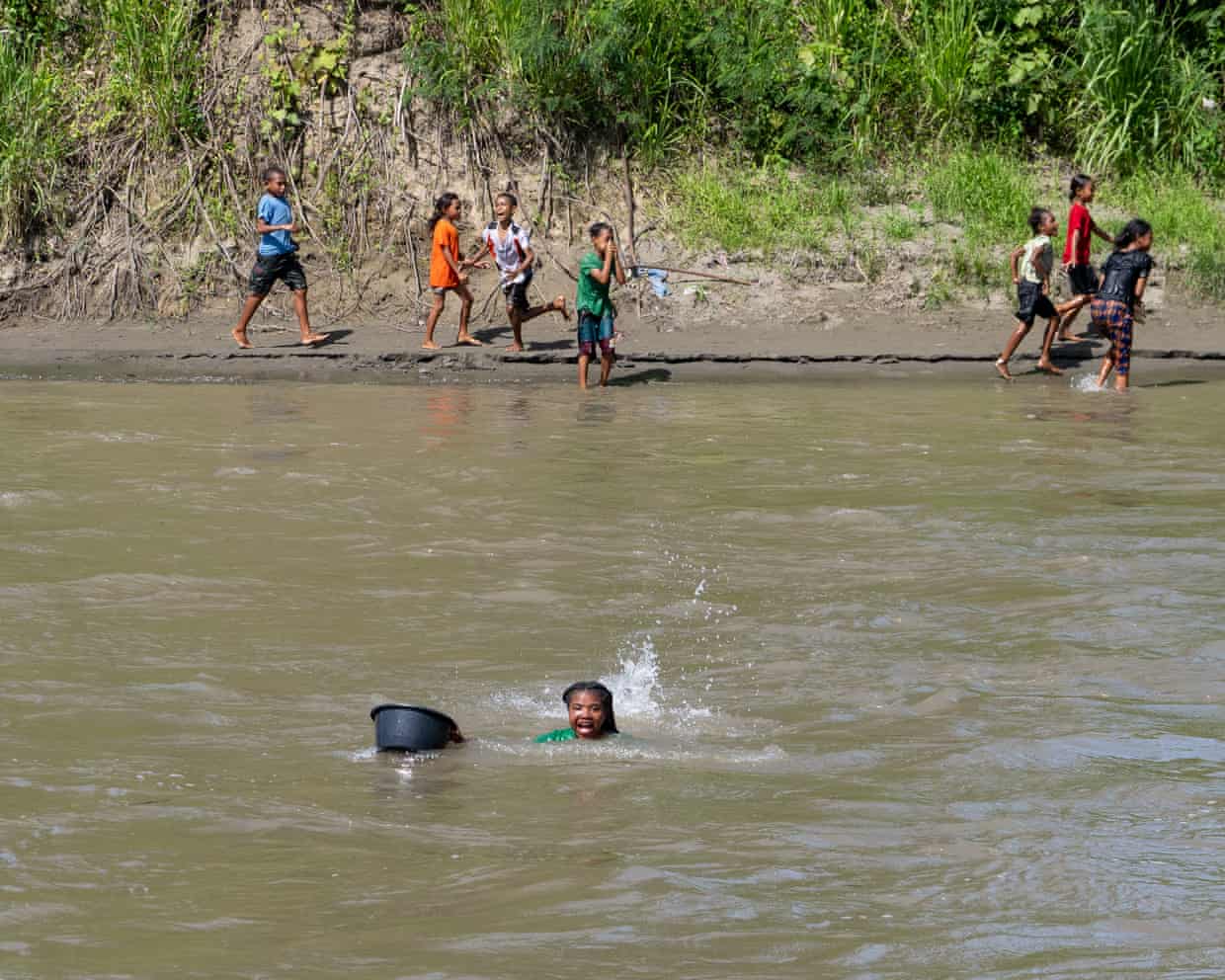
A teenage girl swims across a crocodile-filled river to reach a school
Hundreds of children make the journey across the Kemp Welch river every day. Photograph: Roan Paul/Unicef

Lorna, 15, is one of those who has to swim across the Kemp Welch river in Launkalana, in the Rigo district of Papua New Guinea, to get to school. The community owns a few small boats, according to Unicef staff who visited, but the youngest children are prioritised.

“During our periods, our elders do not allow us to cross the river to attend our classes as they think it will attract crocodiles … My dream is to become a teacher or pilot. We want a new bridge so we can go to school safely every day,” Lorna said.

According to Unicef, the community has been unable to raise funds to replace the bridge, which washed away in 2012, and is faced with increasing challenges further exacerbated by the climate crisis.
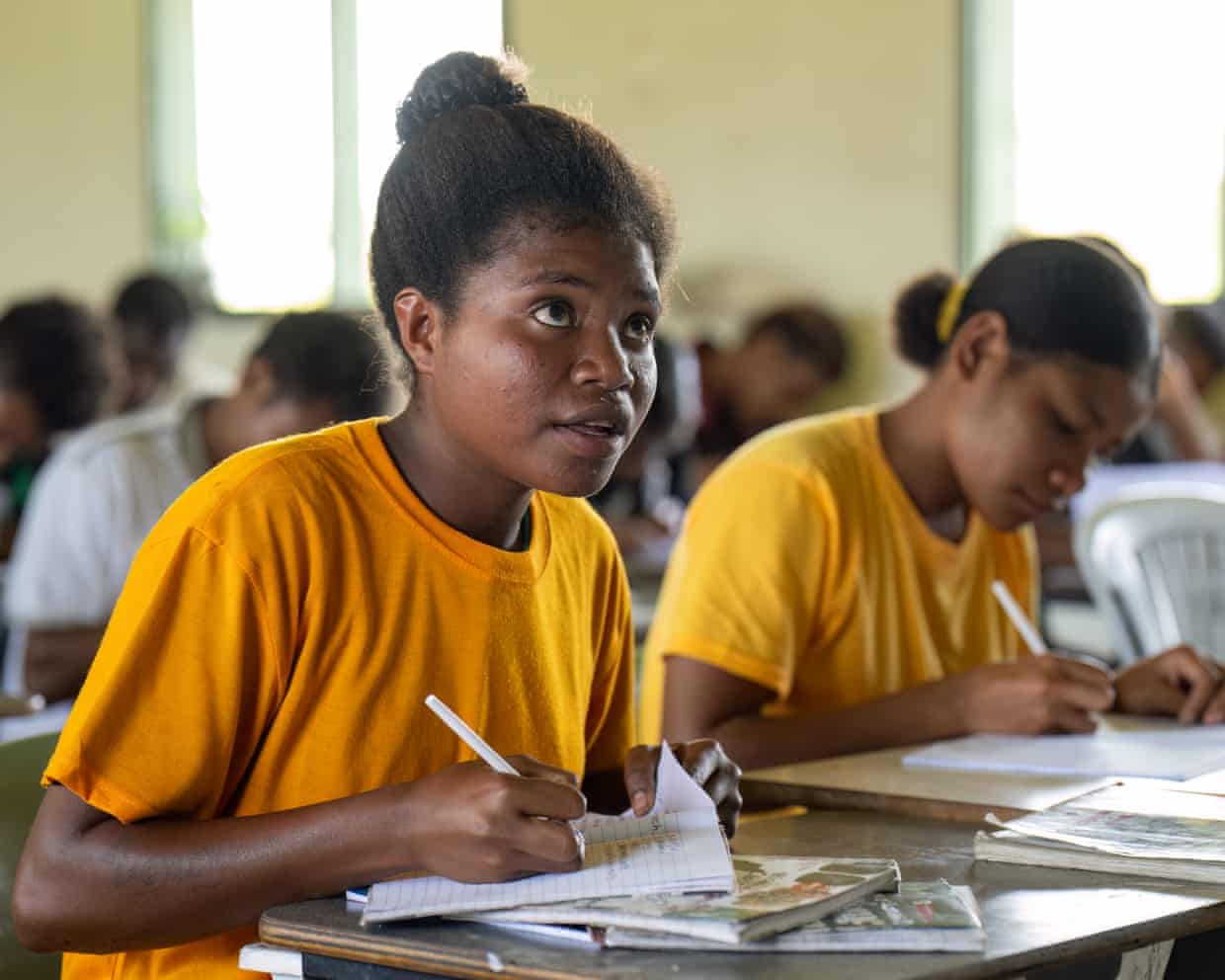
Lorna holds a pen in her hand as she sits at a desk in her classroom
Lorna, who has to swim across a river to get to school each day, dreams of becoming a teacher or pilot when she grows up. Photograph: Roan Paul/Unicef

Lorna’s headteacher, Charlie Vali David, said the loss of the bridge was taking a huge toll on the community.

“During monsoon season, heavy currents, dead trees and debris block the river – causing injury and death,” he said. “Many children fall sick from the cold, dirty river water. That creates a learning gap. Especially for the females.”

The Children’s Climate Risk Report found rising temperatures and extreme weather are putting more stress on infrastructure, and warned that key roads and bridges are being hit, with dire consequences for the local community.

It found that almost every child around the world, including those from high-income countries, is now exposed to at least one hazard, while 123,000 experience more than six in their lifetimes.

“The lives of children continue to be upended by the impact of heatwaves, wildfires, droughts, and floods,” said Unicef’s executive director, Catherine Russell. “Half of the world’s children are now living with at least three overlapping climate threats shaping their daily lives.”
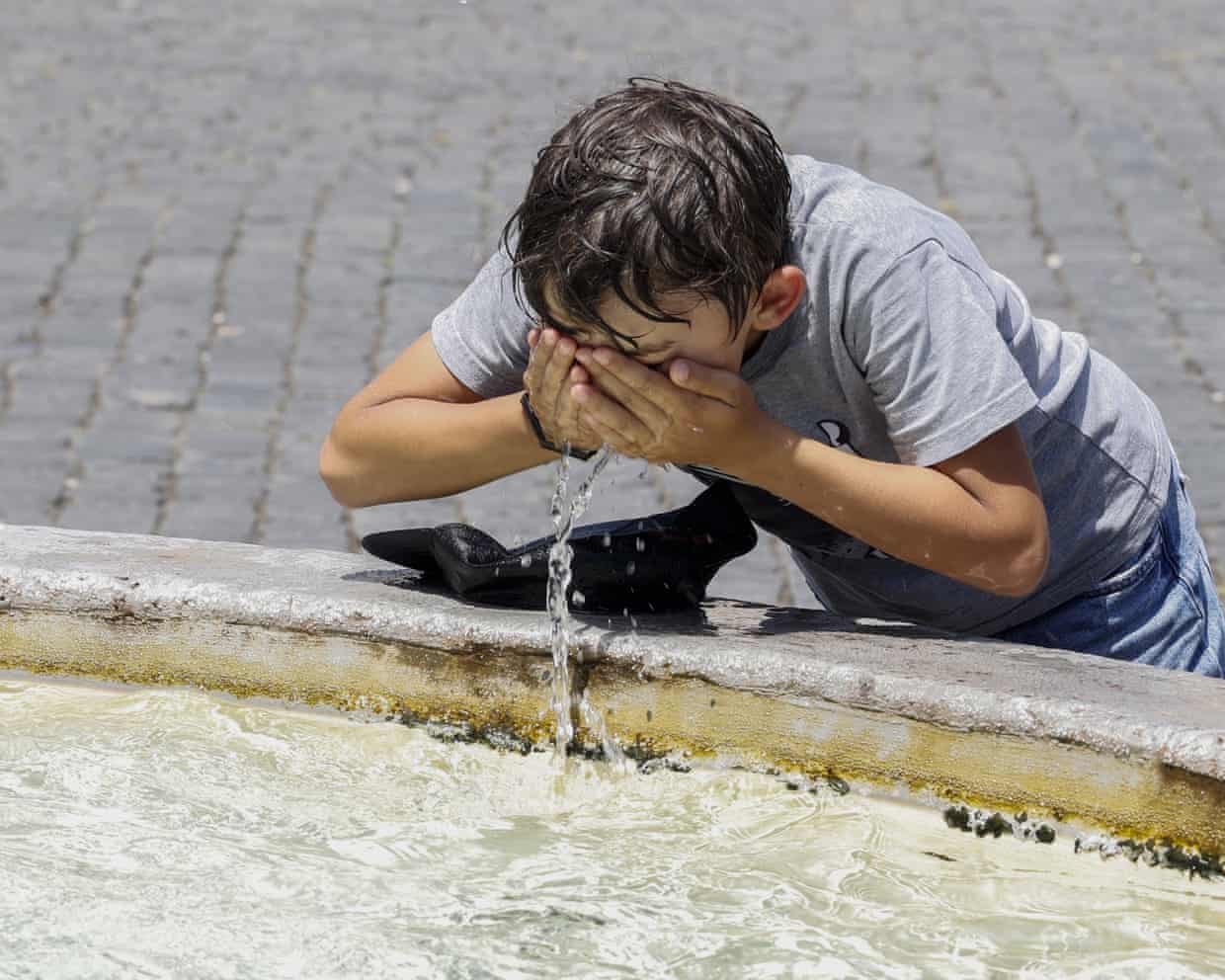
A young boy splashes water on his face from a fountain in Italy
Millions of children in Italy are exposed to prolonged heatwaves or drought. Photograph: Anadolu Agency/Getty Images

Unicef analysed young people’s exposure to eight climate hazards: coastal floods, droughts, extreme heat, fires, heatwaves, river floods, sand and dust storms, and tropical storms.

It found the Sahel region of Africa is one of the hardest hit globally, with more than 4 million children facing the triple threat of heatwaves, extreme heat, and sand and dust storms. Meanwhile, children in Asian countries like Bangladesh, Myanmar and Pakistan were found to be exposed to more climate hazards than anywhere else in the world.

High-income countries are not immune to overlapping climate shocks. In Italy, for example, more than 6 million children are exposed to prolonged heatwaves and drought.

Unicef outlined a plan to better protect children, calling on governments and businesses to reduce emissions and improve climate adaptation with a focus on the services children rely on.

Russell said: “This analysis can help governments and decision-makers plan better and invest more effectively in resilient services. When we strengthen health and education systems, and improve infrastructure with children in mind, we protect them from today’s climate threats and help secure their future.”