






It’s happening: spring’s stretching and greenness, vibrant and achingly alive. But the last thing your garden needs is to be tidied up in a rush, for soil to be cleared of debris, for rotten, grey, dead and dying bits to be whisked away. For it’s these bits that hold all the life.
So many small things – overwinter insects, larvae, pupae and eggs – are still sleeping or waiting for just a few more warmer days. In our attempt to spruce things up, we often whisk away their homes in hollow stems and under layers of autumn leaves, and then wonder where the birds have gone.
If you garden with wildlife in mind, everyone benefits. It’s a different mindset for sure, but every time you think, “I’ll just tidy up,” stop, wait a beat, and take a closer look because there’s always something wondrous and magical happening, something far more valuable than neatness. From a pond-in-a-pot to a hedgehog highway, here are great ways to invite more nature into your plot.
How to create a more wildlife-friendly garden
Leave your hedges alone
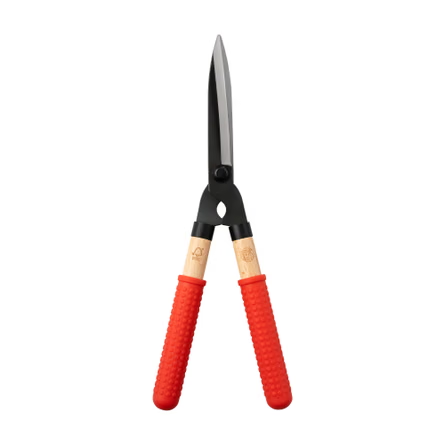
Niwaki mini shears
I’ve spent the past four years restoring an overgrown privet hedge into a cloud-pruned ripple. At times I’ve longed for it to look neater, but this maintenance has turned into an act of care as so many birds love it – it’s currently filled with house sparrows, but when they stop squabbling, the blackbird, wren and robin will take over. If I’d had a power tool at the beginning, I think I may have been more brutal. April is the start of bird nesting season, so check before you chop: if you have even a hint of activity, you now have to wait until August and everyone’s fledged.
I believe that a good hedging, at least on a small garden, can be maintained by hand with a solid pair of hedge trimmers and a sturdy ladder. It may take longer, but in the slow, quiet work, you learn to lean into the hedge, to peer into its interior workings and meet all sorts who call it home.
I have an excellent pair of secondhand hedge shears from Tools for Self Reliance Cymru. However, Bulldog and Stihl make good modern versions and if I wanted to please a gardener in my life, I’d buy them a pair of shears from Niwaki and a Henchman ladder.
Ensure a supply of water
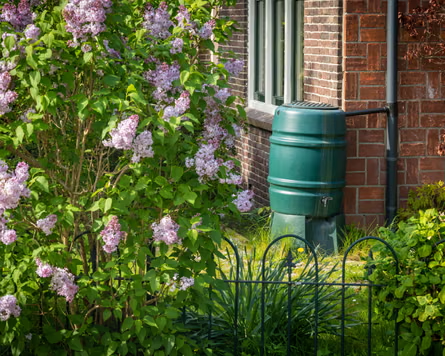
Water butt
The best thing you can do for wildlife in your garden this spring is supply everyone with water. Unpolluted freshwater is in dire short supply, so giving birds, bees and everyone else access is a kind act. If you have the space, create a pond. Make soft, low, sloping edges, and plant it up with pretty marginals. You can’t go wrong with the Wildlife Gardening Forum’s guide to watery habitats in your garden. Or make a container version. I use old industrial metal containers and plant them with hard-wearing aquatics, such as Sagittaria latifolia. You can’t kill it if you try. It’s pretty in flower and you can eat the tubers if you get desperate.
Behind the scenes (also known as “the back of the shed”), I have old plastic aquariums that I half fill with brown leaves and dead wood, letting the rain do the rest. These make excellent habitats for hoverfly larvae, particularly the marmalade hoverfly, which needs rotting, organic-rich water in which to lay its eggs.
If the idea of creating a maggotorium (the larvae truly take the ugly duckling route) is a step too far, then perhaps an elegant dish of water. Place one higher up for birds or lower down for hedgehogs, and fill it with pebbles for bees and butterflies to land on. Garden Wilder’s bee and butterfly bath is cute.
Speaking of water, if you don’t already have one, install a water butt. It means free soft water that your plants will love. Open the top of your water butt and you’ve created another habitat. If you don’t want it to stink, put in some plants: I often grow a few willow wands in my water butts, which also helps the bees to have a drink. I have a soft spot for old whiskey barrels: if you’re the least bit handy, buy a secondhand one and add the tap yourself, to save a fair few pennies.
Sow wildflowers on your balcony
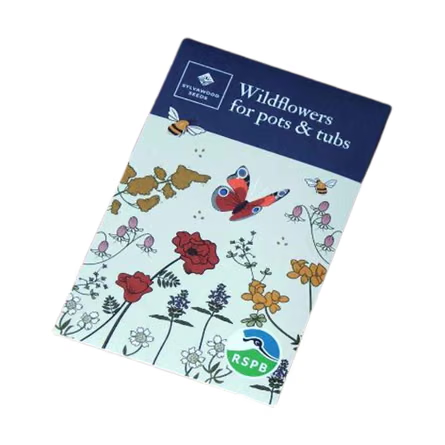
Wildflowers seeds for pots, 4g pack
If you’ve only got a balcony or windowsill, ditch trying to grow sad herbs you won’t harvest – and sow wildflowers instead: they don’t need fancy compost, won’t mind exposed conditions, and the bees will come however high up you are. This meadow in a dustbin lid is an excellent example. The RSBP mix will do plenty of pots. If your space can take the weight, add in a container pond garden to the mix, and you’ll be delighted and surprised by who comes to visit.
Feed the birds
Bird border seed mix, 10g pack
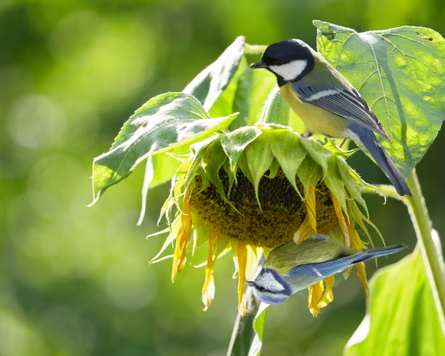
Sunflower seeds
It’s delightful to feed the birds, but bird feeders are complicated and contested. The evidence is clear: dirty ones spread diseases, and even if you’re scrupulous, you only feed certain species at best. So ditch the fragile manufactured feeder and make your garden itself the source of food.
On one level, this is simple: just let what’s in flower set seed. I’ve delighted in watching goldfinches feed off dandelion seedheads in my garden. If you want to see a miracle of flight and lightness, it’s a goldfinch balancing on a dandelion stem.
Teasels, cornflowers, corn marigolds and knapweed are other obvious choices. There are mixes for attracting birds, but a few choice natives here and there will do plenty. Sunflowers are natural bird feeders: if the wind bashes them down in autumn, cut off the heads and hang them up. There’s no point growing food that’s laced with chemicals though, so choose organic wherever possible.
One of the best garden feeders is ivy. If you’ve got a fence, wall or structure that you can let ivy grow and flower on, this will feed and house multitudes. The berries are a particularly rich and high-value food that provide a long period of pickings.
… and insects
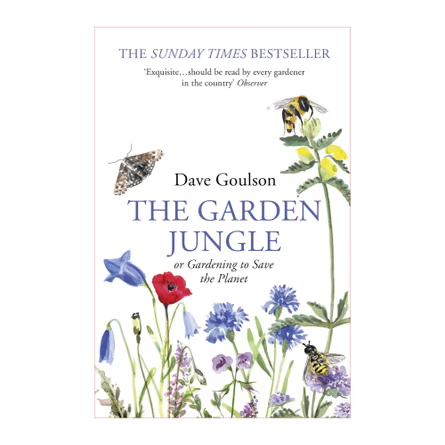
The Garden Jungle by Dave Goulson
Bees, butterflies, flies and various wrigglers also need food. The list of what’s considered fine dining is too long to include here, but all of it starts with good, pesticide-free soil. Make your own compost: let what falls on your soil rot there. Don’t be too scrupulous gathering up leaves, as they’re someone’s home and someone else’s tea.
Be open to different soil types, too. Many bees and insects like piles of sand, so perhaps you could make space for a sand garden. Don’t use manufactured pesticides or fungicides (often found in decking and yard cleaners); feed your garden with your compost, rather than inorganic fertilisers, and if you have pets, consider your flea treatment use. If they’re rolling about on your lawn, they’re rolling insecticides all over your garden.
A good place to start is to read Dave Goulson’s The Garden Jungle, or pick up any wildlife book by Kate Bradbury.
Create a hedgehog highway
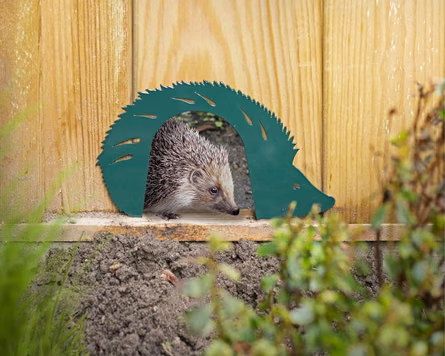
Hedgehog highway gate
We may like our neatly defined fences legally, but our wild neighbours aren’t interested in this fortress mentality. Hedgehogs in particular need porous boundaries, so if you have a wooden fence, make this the year you make a hole or two so that they can cross easily. You could, if you fancy, decorate it, which would hide any snagged edges that such an endeavour might create.
Make your garden feel like home
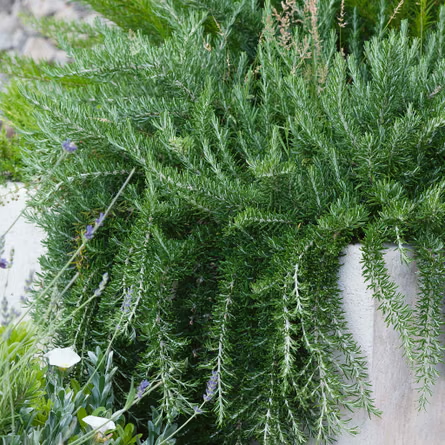
Rosemary prostrate shrub
Chalk and limestone soils wildflower seeds, 100g pack
With food and water taken care of, making space for homes is another important piece of the puzzle. These spaces can be all over the place, in spots you don’t often think of. Under pavers, between the pavers, under the shed, the bin store.
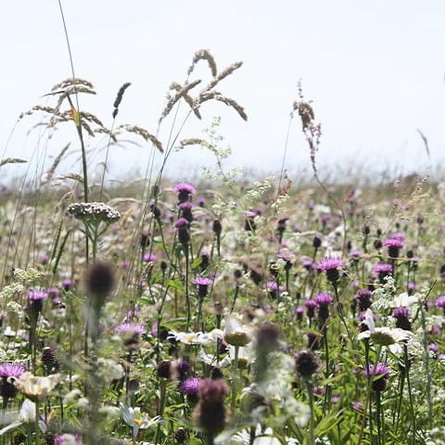
Get creative about cracks in your hard landscaping. Liberate yourself from the need for endless concrete by laying paving, brick paths or slabs on sand, recycled rubble, or just soil. And if that means you find yourself with a pile of the stuff that you dug up, turn it into an artful pile instead of sending it to landfill. Own up to your waste and make it pretty by growing a prostrate rosemary over it. Or consider scattering a limestone-friendly mix of wildflowers.
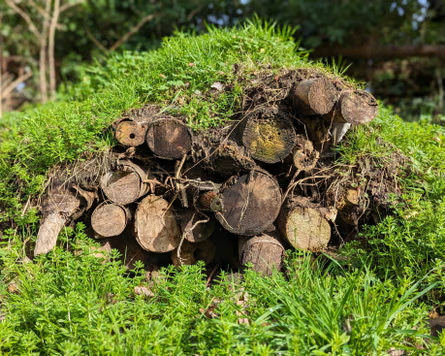
A log pile is another excellent habitat. You’ll get slugs, but you’ll also get slug-eating beetles living in the same spot. They’ll find a balance, and the rotting logs will house many other insects. Make your log pile large or small, hidden or artful and, if you want to get fancy, make some of it sit in water (wet wood is a much-needed habitat). You don’t need to buy logs: put a shout out on social media or ask around. Someone is always taking down a tree somewhere, so don’t let it end up in the skip.
It’s tempting to gather up all those overwintered seedheads that look a little tatty and to take those sharp pruners and neaten things up, but many insects spend winter in dead stems. Wait a little, as many things are yet to emerge. But if you do need to tidy, don’t chop up those stems. You can carefully cut them back whole and make bundles. These you could tuck in a corner, or perhaps lay them on the roof of your shed, garage or bin store. Artfully done, it’s a giant insect hotel in the making. If this sounds appealing, most of the bees that want to nest in such places favour a sunny, sheltered south-facing aspect.
Get the right tools
Gardening for wildlife is deliciously thrifty; much of what you need is already in your home or neighbourhood, or can be recycled, reused or found secondhand. Bird and bat boxes can be built from leftovers, tools can be borrowed, materials foraged, seeds, skills and labour swapped.
For more, read gardening pros on the tools they can’t live without and how to make your garden tools last longer
Alys Fowler’s garden is full of dandelions and other wildflowers between the vegetables. It hums with life, and that makes everyone happy. Their latest book is Peatlands: a journey between land and water. When they’re not in the garden, they are most likely on a bog doing research for their PhD