





The US government is intervening directly in OpenAI’s product roadmap. According to a report by The Information on June 25, the Trump administration has asked the company to stagger the release of its next AI model, GPT-5.6, rather than roll it out broadly all at once. OpenAI has reportedly agreed.
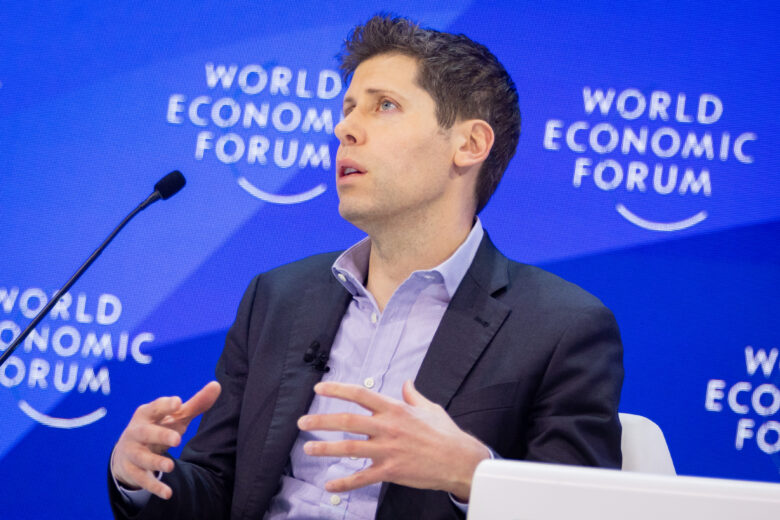
In practice, GPT-5.6 is to appear first only as a limited preview for a small group of enterprise customers. What stands out most is the mechanism behind it: according to an internal memo cited by several outlets, the government wants to clear access “customer by customer” during this phase. CEO Sam Altman reportedly informed staff in a Q&A on Wednesday. A broader rollout is expected to follow if the review goes well — “a couple of weeks later,” according to Altman.
The push reportedly came from several agencies: the Office of the National Cyber Director (ONCD) and the Office of Science and Technology Policy (OSTP). Commerce Secretary Howard Lutnick is also said to have advised against launching without cross-agency sign-off. The backdrop is concern that highly capable models could circumvent existing cyber defenses, disrupt critical infrastructure, or fall into the hands of adversarial states such as China.
The request fits into an executive order Trump signed earlier in June. It establishes a voluntary framework under which the government can review especially powerful models for security risks for up to 30 days before release. There is no binding approval requirement so far — the government is intervening on a case-by-case basis.
Anthropic was hit harder
For rival Anthropic, the government’s intervention was considerably more sweeping. In mid-June, the Trump administration used an export control directive to force the company to take its latest models, Fable 5 and Mythos 5, entirely offline. The order barred “foreign nationals” — people without US citizenship — from access; in response, Anthropic suspended the models for all users. The GPT-5.6 arrangement is seen as more permissive by comparison: OpenAI is allowed to ship, albeit in a controlled manner and only to approved customers.
The shift underneath is notable. For years, AI labs themselves debated how openly to release their systems. Increasingly, that decision is being made in Washington. With the customer-by-customer process, the government is effectively claiming a say in who gets to use a leading commercial model first — a development that could become the template for other providers’ future releases.
It remains unclear what the review involves in detail and how long it will last. OpenAI and the White House have not yet commented publicly on the reports.

Aus Datenschutz-Gründen ist dieser Inhalt ausgeblendet. Die Einbettung von externen Inhalten kann in den Datenschutz-Einstellungen aktiviert werden: