








European politics has once again been drawn into controversy — one that appears to extend beyond routine lobbying practices. Published materials involving former International Criminal Court prosecutor Luis Moreno Ocampo and his son Tomás raise questions about the transparency of European institutions, the influence of lobbying networks, possible corrupt ties, and attempts to shape political processes in both the European Union and the South Caucasus.
What makes the case particularly sensitive is that it is not limited to allegations concerning Azerbaijan. The materials also refer to reported efforts to pressure European institutions, the use of human rights discourse as a political tool, and discussions involving Armenia’s domestic politics and Prime Minister Nikol Pashinyan. If confirmed, the claims could raise broader questions about the neutrality of European institutions in matters related to peace, security and international law.
News.Az spoke to Turkish political scientist Professor Hüsamettin İnaç and Polish political analyst Jakub Korejba about the boundary between lobbying and political interference, the risks such practices may pose to the peace process in the South Caucasus, and their potential implications for Europe, Azerbaijan and Armenia.
Professor İnaç said the developments concern not only Azerbaijan, the South Caucasus and Türkiye, but also the credibility and international reputation of the European Union.
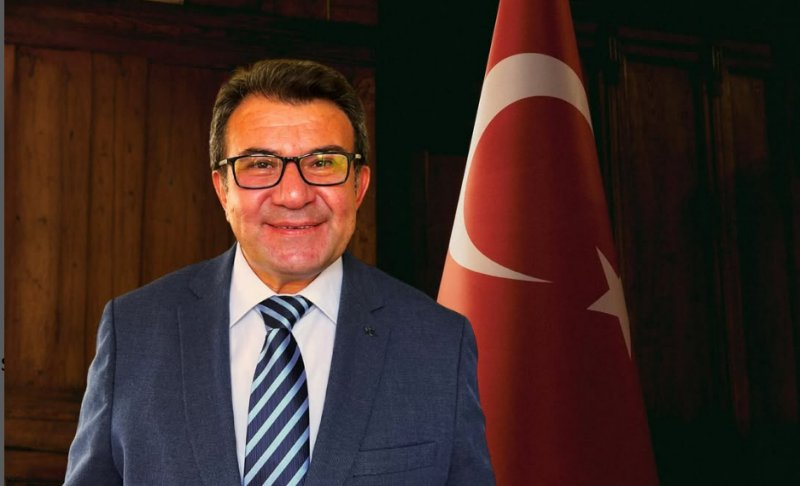
Turkish political scientist Professor Hüsamettin İnaç
“Since its establishment, the EU has presented itself as a space of human rights, democracy, the rule of law, minority protection and cultural pluralism. These principles were codified in the 1993 Copenhagen criteria, which set the standards for accession,” he noted.
However, he argued that the EU has increasingly drifted from these principles, contributing to what he described as a crisis of trust and declining moral authority.
“Following the 2008 financial crisis, Europe faced the eurozone crisis, then tightened migration policies. After 7 October 2023 and developments in Gaza, it has come under renewed criticism from parts of the international community,” he said.
İnaç also referred to remarks by European Commission President Ursula von der Leyen on Israel’s right to self-defence, which he said drew mixed reactions given the humanitarian impact. He further criticised arguments linking EU enlargement in the Balkans to reducing the influence of Türkiye, Russia and China.
“Such rhetoric appears selective and reinforces a discriminatory approach,” he said.
He added that there is a growing tendency for the EU to place international law in a secondary position and, in some cases, attempt to influence the International Criminal Court, raising concerns about judicial independence.
“This is especially visible in relation to countries such as Türkiye and Azerbaijan, which pursue independent foreign policies and defend their national interests,” İnaç said.
İnaç noted that Türkiye’s policy in the Eastern Mediterranean, its role in the Libyan crisis, its support for Libya’s internationally recognised government, the “Blue Homeland” doctrine, as well as Ankara’s actions in Syria and its counter-terrorism efforts, have caused considerable irritation in Europe.
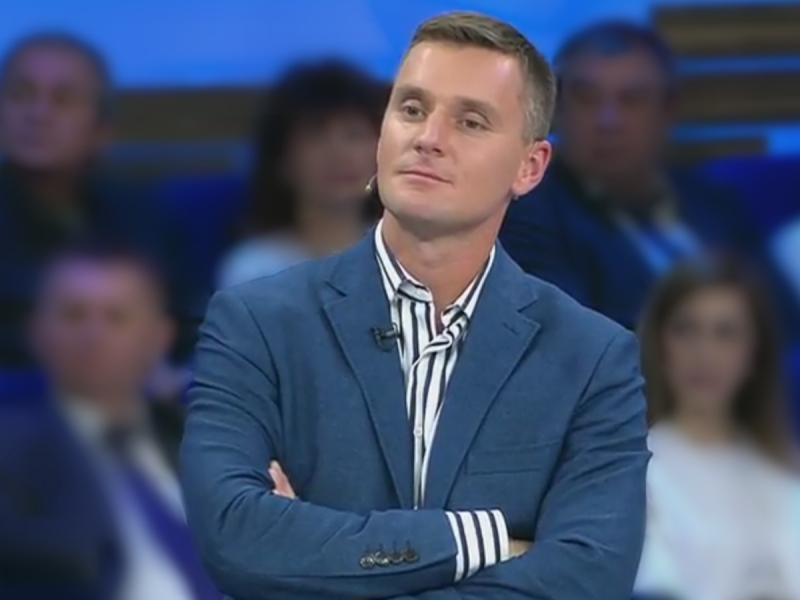
Polish political analyst Jakub Korejba
此内容由惯性聚合(RSS阅读器)自动聚合整理,仅供阅读参考。 原文来自 — 版权归原作者所有。