






Photo: International Crisis Group
Russia’s decision to simplify citizenship for residents of Transnistria has raised concerns in Moldova, where officials say the move could increase Moscow’s influence in the breakaway region.
The decree signed by Russian President Vladimir Putin allows foreign citizens and stateless persons living in Transnistria to apply for Russian citizenship through a simplified procedure, removing requirements such as long-term residence in Russia, income verification, and language exams. It also recognizes documents issued by local Transnistrian authorities, News.Az reports, citing Novinite.
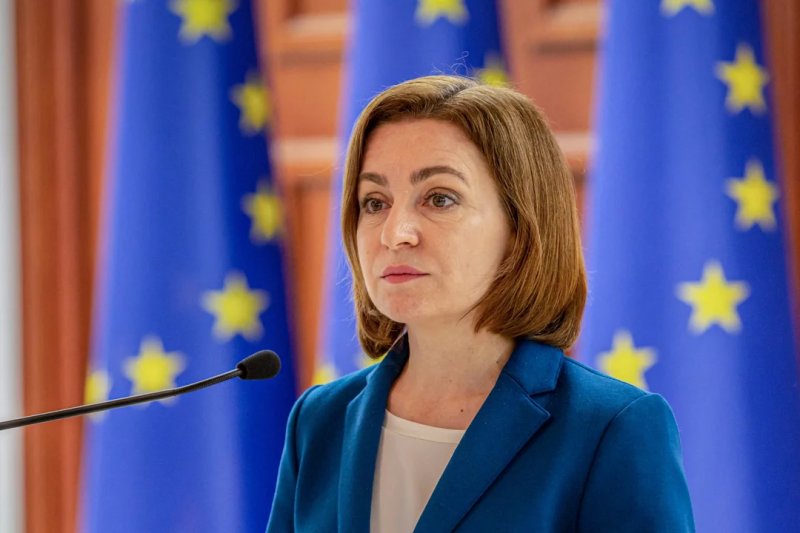
Moldovan President Maia Sandu said the measure could be part of broader pressure on Moldova and suggested it might expand Russia’s ability to engage with residents of the region. She also linked the development to wider regional tensions connected to the war in Ukraine.
According to the decree, applications can be submitted through Russian diplomatic and consular channels, and certain categories of people, including those serving in local structures, are not restricted from obtaining citizenship.
Experts cited in the report note that similar policies have been used by Russia in other disputed post-Soviet territories in the past, often increasing political and legal ties without direct military involvement.
Transnistria, a breakaway region of Moldova, has a population where a significant number of residents already hold Russian passports. Analysts say the new rules could further expand this figure and deepen Moscow’s role in the region.
The development comes at a sensitive time for Moldova, which is pursuing closer ties with the European Union while managing ongoing tensions related to Transnistria.
此内容由惯性聚合(RSS阅读器)自动聚合整理,仅供阅读参考。 原文来自 — 版权归原作者所有。