


Editor’s note: Nijat Babayev is an Azerbaijan-based journalist. The article reflects the author’s personal views and may not necessarily represent the position of News.Az.
The signing of an agreement between the United States and Iran may appear to be a diplomatic breakthrough. After months of war, strikes, the blockade of the Strait of Hormuz, rising oil prices and the threat of a wider regional conflict, Washington and Tehran have finally stepped back from the brink. But the most dangerous phase of the crisis may be beginning now. The signed document is neither a full peace treaty nor a final solution to the Iranian nuclear issue. It is an interim memorandum that gives the sides 60 days to try to turn a ceasefire into a durable agreement.
The central problem is that both sides are presenting the same document to their domestic audiences in completely different ways. US President Donald Trump portrays it as a major victory for American diplomacy and proof that military pressure forced Iran to make concessions. In Tehran, by contrast, the agreement is being framed as evidence of the failure of America’s pressure strategy. For the Iranian authorities, it is crucial to show that the country did not capitulate, preserved its political resilience and secured recognition of its interests.
This is precisely what makes the deal so fragile. If the same document is described in Washington as a US victory and in Tehran as a defeat for American pressure, then the sides have not yet agreed on the most important issue: how the obligations should be interpreted, who made concessions and what will constitute a violation.
According to Western media reports, the deal is a 14-point interim agreement designed to stop the war, reopen the Strait of Hormuz, launch 60 days of negotiations on Iran’s nuclear programme and create conditions for partial sanctions relief. But the format of the document itself reveals its weakness: the most difficult questions have not been resolved, only postponed until the next stage.
Source: Sepahnews
The deal’s main vulnerability is its temporary nature. The 60-day window has already become a diplomatic countdown. During this short period, the United States and Iran must move from a ceasefire to a full agreement. If the talks collapse, the region could once again find itself on the brink of war. Moreover, each side will have an opportunity to accuse the other of sabotaging the process.
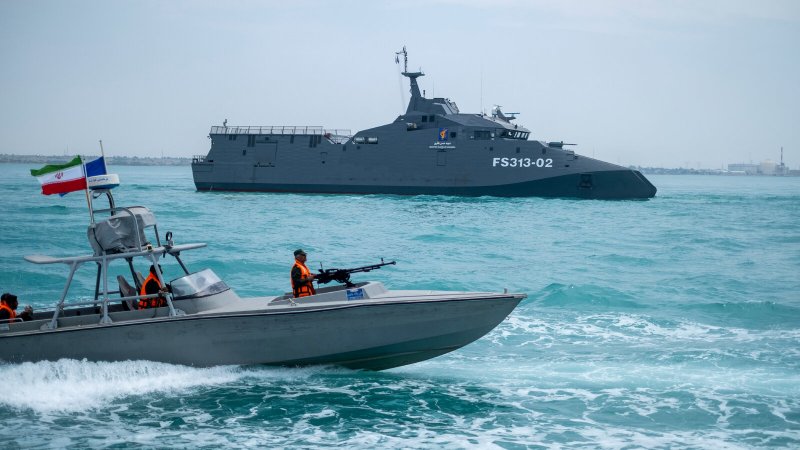
The figures show why this deal matters not only for the Middle East, but for the entire world. Around 20 million barrels of oil per day pass through the Strait of Hormuz — roughly one-fifth of global petroleum liquids consumption. It is the most important energy corridor on the planet. Any threat to close it immediately affects oil prices, insurance rates, maritime logistics and financial markets.
That is why the reopening of the Strait of Hormuz became a central element of the deal. Under the terms of the agreement, Iran is expected to guarantee free commercial navigation through the strait for the duration of the interim arrangement, while the United States is expected to begin lifting the naval blockade of Iranian ports and complete the process within 30 days. For the global economy, this is an important signal: the risk of an immediate energy shock has diminished. But for politicians and markets, the key question remains the same: what happens after those 60 days?
The first signs of normalisation have already appeared. Following the signing of the agreement, several large Saudi tankers reportedly passed through the Strait of Hormuz once again, carrying millions of barrels of oil. This became a symbol of maritime trade returning to a more normal rhythm. However, shipping and insurance companies remain cautious. For them, the agreement alone is not enough. They need security guarantees, the absence of mine threats, clarity over the sanctions regime and predictable behaviour from all parties.
The second key pillar is sanctions and money. For Iran, the economic component of the agreement is no less important than the military one. After years of restrictions, Tehran wants access to frozen assets, the ability to sell oil, the restoration of banking channels and funds for reconstruction. According to Reuters, the draft agreement discussed the release of around $25 billion in frozen Iranian assets. For an economy that has been under sanctions and military pressure for years, this is not simply a financial bonus; it is an opportunity to partially stabilise the domestic situation.
But this money will not automatically be transferred to Iran simply because the document has been signed. Access to financial resources is likely to depend on compliance with the terms of the agreement. This turns frozen assets into an instrument of control. The United States gains leverage, while Iran gains an incentive to comply with the deal, at least during the transition period.
For Washington, this is an extremely sensitive issue. Any concession to Iran will be used by Trump’s critics as proof of weakness. Opponents will ask: what exactly did Tehran receive? Why is Iran being allowed to sell oil during the negotiations? Could Iran use new resources to support allied forces across the region? So even if the deal reduces the risk of war, it could become a new source of political conflict within the United States.
The most difficult issue is the nuclear programme. According to Western media reports, the agreement includes Iran’s commitment not to produce or acquire nuclear weapons, to preserve the current status of its programme, not to expand nuclear facilities and not to move towards further escalation in the nuclear sphere. But the central problem remains unchanged: who will verify compliance, and how?
Iran insists on its right to develop a peaceful nuclear programme. The United States wants guarantees that this programme cannot quickly acquire a military dimension. Between these two positions lies a vast zone of mistrust. Even if Tehran officially states that it is not seeking nuclear weapons, Washington, Israel and several Gulf states will demand verification mechanisms. For Iran, however, any inspection regime is also a question of sovereignty, domestic politics and national pride.
The role of Pakistan is also important. The document has been described as the Islamabad Memorandum of Understanding, with Pakistan acting as a mediator and witness. This is a notable geopolitical detail. Traditionally, such processes have been associated with European capitals, Oman, Qatar or Switzerland. Pakistan’s involvement shows that diplomacy around Iran is moving beyond the familiar Western format. Islamabad gains an opportunity to strengthen its status as a regional player, while Tehran can demonstrate that it is not diplomatically isolated.
Source: Reuters
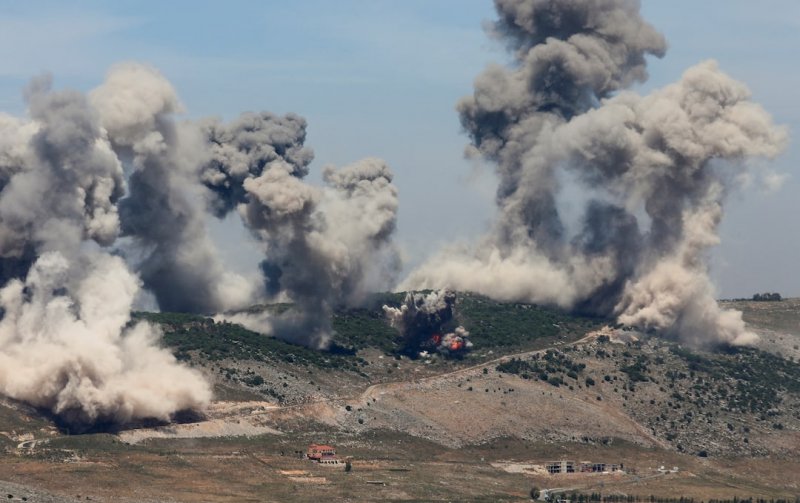
The third problem is Israel. For the Israeli government, a deal with Iran looks less like a security guarantee and more like a potential strategic threat. Israel fears that partial sanctions relief and access to financial resources could give Tehran greater scope to support allied forces across the region — from Lebanon to Yemen and Iraq. If Israel concludes that the agreement restricts its freedom of action against Iran or Iran-linked groups, it may try to undermine the process through military pressure or political lobbying in Washington.
That is why the regional dimension of the deal may prove no less difficult than the nuclear one. Even if Washington and Tehran reach understandings on Hormuz and sanctions, developments in Lebanon, Syria, Iraq, Yemen or around Israel could derail the process. Iran’s allies will not disappear from regional politics, and Israel will not abandon its doctrine of preventive security. This means that any agreement between Washington and Tehran will remain dependent on conflicts on other fronts.
For oil markets, the deal has already become an important signal. Following reports of the agreement, oil prices fell as traders began pricing in the restoration of navigation through Hormuz and a lower risk of a wider war. But that decline may prove temporary. If the talks reach a dead end after 60 days, or if there is another attack on a tanker, the oil market could quickly react with another price surge.
The main paradox of the agreement is that it both reduces the risk of war and creates a new risk of political failure. It can halt the strikes, reopen the Strait of Hormuz and give markets breathing space. But it does not resolve the fundamental questions: the future of Iran’s nuclear programme, the inspection mechanism, the scale of sanctions relief, Israel’s role, the status of Tehran’s allied forces and the security architecture of the Persian Gulf.
The deal has been signed, but peace has not arrived. The United States and Iran have gained only a pause — a short window in which they must prove that they can not only stop a war, but also manage its consequences. That is far more difficult than signing a document.
If the two sides can agree within 60 days on a verification mechanism, a sanctions timetable and regional guarantees, the agreement may become the beginning of a new diplomatic reality. If not, the Middle East could once again find itself on the brink of a major war, while the Strait of Hormuz would once more become the central nerve centre of the global economy.
The main conclusion is simple: the US–Iran deal is not the end of the crisis. It is a new and more complex phase of it. Military escalation has been temporarily halted, but the struggle over interpretation, implementation and the political cost of the agreement is only beginning.
(If you possess specialized knowledge and wish to contribute, please reach out to us at opinions@news.az).
此内容由惯性聚合(RSS阅读器)自动聚合整理,仅供阅读参考。 原文来自 — 版权归原作者所有。