




Municipal elections held across Palestinian territories on April 25 have once again placed the internal political landscape under sharp scrutiny, revealing not only the struggle for local governance but also a deeper crisis of legitimacy, fragmentation, and public trust.
The vote, formally focused on electing representatives to local councils, carries significance far beyond municipal administration. In the absence of national elections for nearly two decades, these local polls have effectively become a barometer of political sentiment, testing the strength of competing factions and the resilience of Palestinian institutions under extraordinary pressure.
For the first time in many years, the elections extended, albeit in a limited form, to parts of the Gaza Strip. This development is symbolically important. Gaza has remained politically and administratively isolated since 2007, when it came under the control of Hamas, creating a persistent divide with the Palestinian Authority, which governs the West Bank. The partial inclusion of Gaza, even on a restricted scale, signals tentative efforts to bridge that divide, though the reality on the ground remains far more complex.
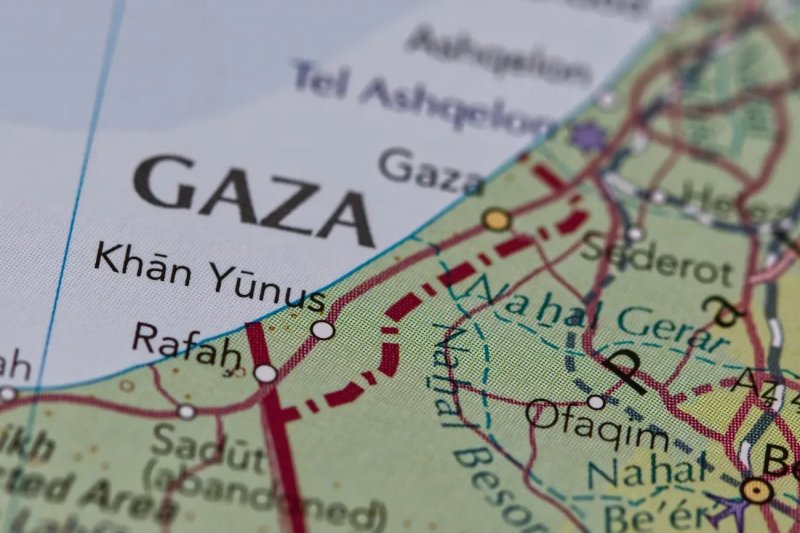
Photo credit: Shutterstock
At the center of this electoral process lies the enduring rivalry between Fatah and Hamas. While Hamas officially refrained from direct participation, its influence has not disappeared. Candidates perceived as close to the movement have quietly entered the race in certain areas, indicating that the political contest is still very much alive beneath the surface. Meanwhile, Fatah, aligned with the Palestinian Authority led by Mahmoud Abbas, views these elections as an opportunity to reaffirm its dominance, particularly in the West Bank.
Yet the most striking feature of these elections is not the competition between factions, but the apparent disengagement of the public. Voter turnout has been notably low, reflecting widespread disillusionment. Years of political stagnation, economic hardship, and ongoing conflict have eroded confidence in the ability of any political force to deliver meaningful change. For many Palestinians, the elections are seen less as a pathway to reform and more as a procedural exercise with limited real-world impact.
This skepticism is rooted in lived reality. In the Gaza Strip, the consequences of prolonged conflict are visible in every aspect of daily life, from damaged infrastructure to limited access to essential services. In the West Bank, restrictions on movement, economic constraints, and administrative challenges continue to shape public perception. Municipal councils, while important, operate within these constraints, limiting their capacity to address systemic problems.
Nevertheless, local governance remains critical. Municipal authorities are responsible for essential services such as water supply, electricity distribution, waste management, and road maintenance. In regions where central governance is weakened, the role of local councils becomes even more significant. The outcome of these elections will therefore have direct implications for the quality of everyday life, even if broader political change remains elusive.
At the same time, the elections carry an important symbolic weight on the international stage. The Palestinian leadership is keen to demonstrate a commitment to democratic processes, particularly in the eyes of international donors and partners. By organizing elections, even under challenging conditions, the authorities seek to reinforce their legitimacy and maintain external support.
However, structural challenges continue to undermine the process. In several municipalities, candidates have run unopposed, reducing the competitiveness of the elections and raising questions about genuine political pluralism. Logistical difficulties, including restrictions on movement and limited resources, have further complicated the organization of the vote. These factors collectively diminish the credibility of the electoral process and highlight the limitations of governance under occupation and internal division.
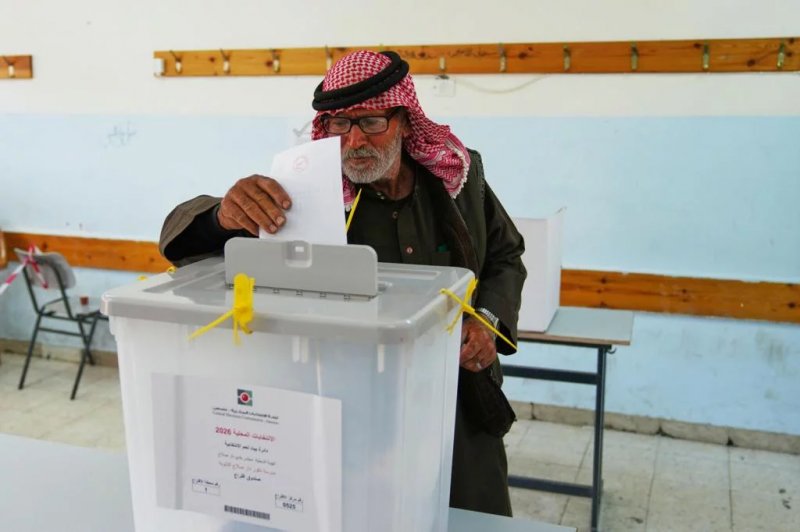
Photo credit: AP
The broader geopolitical context also cannot be ignored. The ongoing conflict environment, combined with regional tensions and shifting international priorities, has placed additional pressure on Palestinian institutions. In this environment, even local elections become entangled in larger strategic considerations, from internal reconciliation efforts to external diplomatic positioning.
Ultimately, the municipal elections of 2026 illustrate a paradox. On one hand, they represent an attempt to preserve democratic practices and maintain institutional continuity. On the other, they expose the fragility of the political system and the growing disconnect between leadership and society.
The results of the vote are unlikely to produce immediate or dramatic changes. However, they offer valuable insight into the current state of Palestinian politics. The low turnout, limited competition, and persistent factional divide suggest that the path toward political renewal remains uncertain.
What emerges from these elections is a clear message: local governance alone cannot resolve the deeper structural and political challenges facing Palestinian society. Without broader reforms, renewed political dialogue, and efforts to rebuild public trust, even the most well-organized electoral processes will struggle to achieve their intended impact.
In this sense, the April 25 elections are not merely about municipalities. They are a reflection of a political system at a crossroads, caught between the need for continuity and the demand for change.
此内容由惯性聚合(RSS阅读器)自动聚合整理,仅供阅读参考。 原文来自 — 版权归原作者所有。