As retailers grapple with pressures on discretionary spending and shifting shopping habits, the challenges are mounting to get shoppers through the doors, and then to keep them moving through aisles, engaging digitally and ultimately converting visits into purchases.
The modern storefront is increasingly becoming a technology platform designed to merge physical commerce with digital engagement in real time.
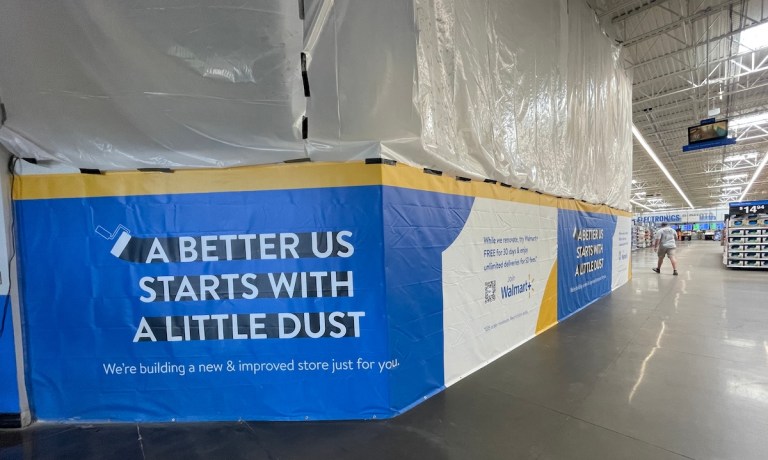
That evolution is showing up in both retailer spending plans and consumer expectations. PYMNTS recently reported that major chains including Walmart, Target and Dollar General are investing heavily in store remodels aimed at strengthening connections between physical stores and digital commerce ecosystems. Though some of the initiatives are cosmetic in nature, other prongs of the strategies tie in to a broader shift toward stores functioning as fulfillment hubs. A melding of in-store visits and digital features yield myriad data collection points that help fine tune operations.
PYMNTS Intelligence data shows consumers are increasingly embracing what the company calls “Click-and-Mortar™” shopping experiences, where digital tools are integrated directly into physical retail journeys. Nearly one-third of U.S. consumers now actively engage in digitally assisted in-store or pickup-based shopping experiences, while Click-and-Mortar™ shoppers have grown 35% since 2020.
The data suggests that retailers are responding to a shopper who increasingly expects stores to operate like extensions of mobile apps. Customer satisfaction rises 65% for shoppers using digitally assisted in-store experiences compared to traditional in-store shopping. Consumers are also demanding consistency between online and physical shopping environments, particularly around payments, promotions and inventory visibility.
Digital Commerce Infrastructure
The remodel wave underway across major chains reflects those expectations. PYMNTS reported that Walmart alone has been engaged in a multiyear remodeling effort, including upgrades to hundreds of supercenters and smaller-format stores. Target has announced plans to remodel more than 300 stores while also expanding its physical footprint. Dollar General has similarly outlined an extensive real estate strategy that includes remodels and new openings intended to strengthen ties between its physical and digital operations.
Advertisement: Scroll to Continue
Store redesigns are intended to improve pickup efficiency, optimize product placement and create smoother transitions between online browsing and physical fulfillment. In some cases, retailers are redesigning backrooms specifically to support buy online, pick up in-store activity and faster order staging.
Those physical upgrades dovetail with broader changes in digital shopping behavior. As we’ve noted in past research, in collaboration with Visa Acceptance Solutions, 85% of U.S. consumers now regularly use multiple digital shopping features. Consumers increasingly expect mobile-compatible sites, stored order histories, digital coupons, preferred payment options and easy-to-navigate shopping carts regardless of whether they shop online or inside stores. Rather than serving solely as a transaction point, stores are becoming digitally connected environments that feed data into inventory systems, loyalty programs and personalization engines.
Real-Time Data as Retail Currency
At the center of the transition is real-time data. PYMNTS Intelligence found that 73% of retail shoppers want digitally updated inventory visibility. Consumers increasingly expect retailers to know what is available, where it is located and whether it can be fulfilled immediately.
That demand has implications far beyond convenience. Real-time inventory visibility supports faster fulfillment, reduces failed pickup experiences and enables more personalized promotions tied to local buying patterns. It also strengthens the foundation for retail media networks, which rely heavily on shopper behavior, loyalty and transaction data to deliver targeted advertising and offers.
The more digitally connected the store becomes, the more valuable that data ecosystem becomes. Retailers can condense payments, loyalty participation, mobile engagement and inventory patterns into a single operational view designed to increase conversion rates and basket sizes.