惯性聚合 高效追踪和阅读你感兴趣的博客、新闻、科技资讯
阅读原文 在惯性聚合中打开

推荐订阅源

博客园 - Franky
N
Netflix TechBlog - Medium
宝玉的分享
宝玉的分享
Google DeepMind News
腾讯CDC
G
Google Developers Blog
Martin Fowler
Martin Fowler
Microsoft Security Blog
Recent Announcements
爱范儿
爱范儿
Engineering at Meta
Engineering at Meta
Microsoft Azure Blog
A
About on SuperTechFans
aimingoo的专栏
aimingoo的专栏
有赞技术团队
有赞技术团队
Jina AI
Jina AI
人人都是产品经理
人人都是产品经理
奇客Solidot–传递最新科技情报
奇客Solidot–传递最新科技情报
M
MIT News - Artificial intelligence
罗磊的独立博客
博客园 - 三生石上(FineUI控件)
美团技术团队
WordPress大学
WordPress大学
阮一峰的网络日志
阮一峰的网络日志

PYMNTS.com

Crypto Payments Are Back. Will Merchants Actually Care This Time? B2B’s New Battlefield Is Everything Before the Button Amazon Targets the GLP-1 Gap Big Pharma Left Open LendingClub Signals Expanded Capabilities With Happen Bank Rebrand Congress Moves to Give FinTechs Direct Fed Payment Access Microsoft Tests Mythos to Identify and Mitigate Vulnerabilities United Airlines Hikes Fares as Fuel Costs Surge OpenAI Images 2.0 Is a Real Leap With a Real Price Tag Morgan Stanley Says Gaming Could Score $22 Billion With AI FTC Shuts Down Alleged Healthcare Fraud Scheme Sam’s Club Offers eCommerce Shoppers Hour-or-Less Deliveries FinTechs Cut Staff as AI and Margins Redefine Growth JPMorganChase Extends Critical Industries Investment Program to Continental Europe OpenAI Lands $75 Million Investment From Robinhood Ventures House Bill Would Reduce Small Lenders’ Reporting Requirements Coinbase Lists tGBP to Expand Locally-Denominated Stablecoin Access BNY Names New Head for Payments/Trade Client Platform KnowBe4 Automates Global Cash Flow Via Flywire Partnership Treasury Calls for Programmable Financial Enforcement Across Crypto DeepSeek Seeks $20 Billion Valuation as Tech Giants Weigh Investment Google Accelerates Agentic AI Shift With New Enterprise Platform OpenAI Begins Briefing Governments on Cybersecurity Capabilities DeFi Security Suffers New Blow With $3 Million Volo Exploit Uninvited Users Access Anthropic’s Mythos AI Model Block and Uber Expand Partnership Across Several Global Markets OpenAI Pledges $1.5 Billion to PE Enterprise AI Project Podcast: Inside the $9 Billion DeFi Hack That’s Shaking Crypto’s Foundations Synchrony CFO Flags Momentum in Spending and Credit Banks Risk Slowing the Emerging Middle Market Firms Driving Growth Paysafe Expands Digital Wallet Availability Across 18 European Markets
Augustus Gets OCC Green Light to Become National Bank
PYMNTS · 2026-05-12 · via PYMNTS.com

 | 

Financial services firm Ivy has rebranded as Augustus on its road to becoming a bank.

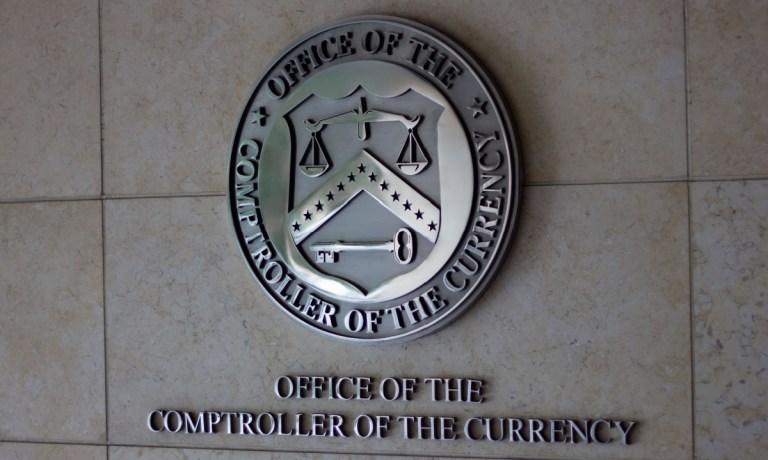
The German company announced the name change Monday (May 11) along with some progress on the banking front, as it has received conditional approval from the Office of the Comptroller of the Currency (OCC) to establish a full-service U.S. national bank.

Augustus said its goal is to become the first clearing bank “for the AI era,” founded on a “stablecoin and AI-native core,” as the company said in a news release.

“This approval has been driven by our core thesis: the dollar is the best product in the history of the world, with practically infinite global demand – but distribution is broken,” the company said in a Monday LinkedIn post announcing the name change. “The existing clearing model runs on legacy correspondents that are closed 115 days a year, built for humans, and take two days to settle.”

Ferdinand Dabitz, the company’s 25-year-old co-founder, will be the bank’s CEO. Augustus said this makes him the youngest chief executive of a federally-charted American bank in at least 140 years.

Joining him as the bank’s president is Greg Quarles, former CEO of Green Dot Bank, United Texas Bank, and H&R Block Bank and himself a former OCC official.

Advertisement: Scroll to Continue

Augustus is part of a wave of FinTechs seeking banking charters from the OCC recently, a trend PYMNTS chronicled earlier this year.

“Traditionally, FinTech companies have built around banks, not as banks,” that report said. “The strategy was simple: partner for access to payments rails, deposit insurance and compliance infrastructure; don’t built it from the ground up yourself.”

That model brought with it speed but left companies dealing with fragility, as sponsor banks could alter terms, and regulators could reexamine guidance. In addition, public scrutiny increased following high-profile failures revealed the limitations of banking-as-a-service.

However, receiving a charter is “not a monolith,” that report said, as de novo charters in the U.S. apply to  range of banking business models. Each are covered by different regulators, operate under different statutes and carry with them a variety privileges. While the headlines can blur these lines, the operational consequences are far from vague, the report added.

A bank charter “is not a trophy, and it certainly isn’t a product label, but it’s a public trust,” Rodney E. Hood, former acting comptroller of the currency, told PYMNTS affiliate Competition Policy International, in an interview at the start of the year.