惯性聚合 高效追踪和阅读你感兴趣的博客、新闻、科技资讯
阅读原文 在惯性聚合中打开

推荐订阅源

大猫的无限游戏
大猫的无限游戏
阮一峰的网络日志
阮一峰的网络日志
让小产品的独立变现更简单 - ezindie.com
WordPress大学
WordPress大学
博客园 - 叶小钗
Hugging Face - Blog
Hugging Face - Blog
博客园 - 司徒正美
Last Week in AI
Last Week in AI
罗磊的独立博客
量子位
Jina AI
Jina AI
T
Tailwind CSS Blog
Apple Machine Learning Research
IT之家
IT之家
美团技术团队
雷峰网
雷峰网
爱范儿
爱范儿
S
SegmentFault 最新的问题
小众软件
小众软件
月光博客
月光博客
酷 壳 – CoolShell
酷 壳 – CoolShell
人人都是产品经理
人人都是产品经理
The Cloudflare Blog
奇客Solidot–传递最新科技情报
奇客Solidot–传递最新科技情报

PYMNTS.com

Crypto Payments Are Back. Will Merchants Actually Care This Time? B2B’s New Battlefield Is Everything Before the Button Amazon Targets the GLP-1 Gap Big Pharma Left Open LendingClub Signals Expanded Capabilities With Happen Bank Rebrand Congress Moves to Give FinTechs Direct Fed Payment Access Microsoft Tests Mythos to Identify and Mitigate Vulnerabilities United Airlines Hikes Fares as Fuel Costs Surge OpenAI Images 2.0 Is a Real Leap With a Real Price Tag Morgan Stanley Says Gaming Could Score $22 Billion With AI FTC Shuts Down Alleged Healthcare Fraud Scheme Sam’s Club Offers eCommerce Shoppers Hour-or-Less Deliveries FinTechs Cut Staff as AI and Margins Redefine Growth JPMorganChase Extends Critical Industries Investment Program to Continental Europe OpenAI Lands $75 Million Investment From Robinhood Ventures House Bill Would Reduce Small Lenders’ Reporting Requirements Coinbase Lists tGBP to Expand Locally-Denominated Stablecoin Access BNY Names New Head for Payments/Trade Client Platform KnowBe4 Automates Global Cash Flow Via Flywire Partnership Treasury Calls for Programmable Financial Enforcement Across Crypto DeepSeek Seeks $20 Billion Valuation as Tech Giants Weigh Investment Google Accelerates Agentic AI Shift With New Enterprise Platform OpenAI Begins Briefing Governments on Cybersecurity Capabilities DeFi Security Suffers New Blow With $3 Million Volo Exploit Uninvited Users Access Anthropic’s Mythos AI Model Block and Uber Expand Partnership Across Several Global Markets OpenAI Pledges $1.5 Billion to PE Enterprise AI Project Podcast: Inside the $9 Billion DeFi Hack That’s Shaking Crypto’s Foundations Synchrony CFO Flags Momentum in Spending and Credit Banks Risk Slowing the Emerging Middle Market Firms Driving Growth Paysafe Expands Digital Wallet Availability Across 18 European Markets
Nike Customers Sue to Recover Tariff-Related Refunds
PYMNTS · 2026-05-11 · via PYMNTS.com

 | 

Nike tariffs

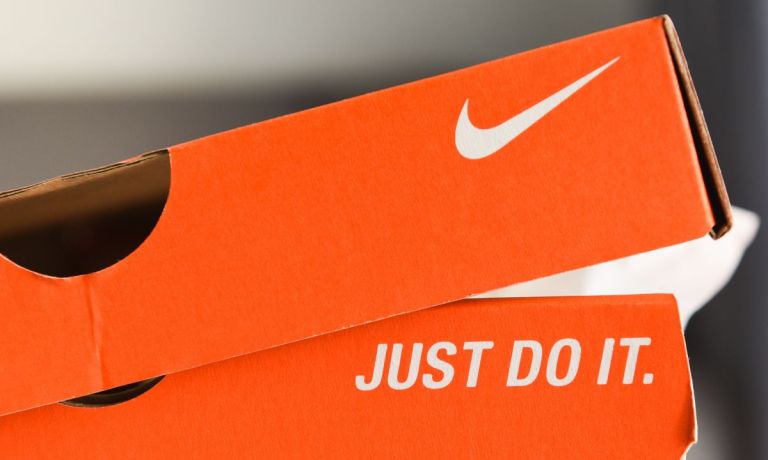
Nike customers have reportedly sued the sneaker giant to recover tariff-related refunds.

The proposed class action lawsuit accuses Nike of not refunding the costs it passed onto consumers in higher prices in response to President Donald Trump’s so-called “Liberation Day” tariffs, Reuters reported Friday (May 8).

The plaintiffs argue that the company should not be allowed to keep “significant” refunds it can expect following a Supreme Court ruling which declared the tariffs illegal.

According to Reuters, Nike has said it paid around $1 billion in tariffs on imported items after the White House imposed new tariffs. Consumers say the company increased prices on some shoes by $5 to $10 and $2 to $10 on some apparel items to cover the costs.

“Nike has made no legally binding commitment to return tariff-related overcharges to the consumers who actually paid them,” the complaint reads. “Unless restrained by this court, Nike stands to recover the same tariff payments twice — once from consumers through higher prices and again from the federal government through tariff refunds.”

A spokesperson for Nike declined to comment when reached by PYMNTS.

Advertisement: Scroll to Continue

As covered here last year, Nike was among a group of several “blue chip companies” that “reported 9- to 10-figure headwinds due to tariffs” in the latter half of the year.

Other companies facing legal action from customers seeking tariff refunds include FedEx, Costco and RayBans-maker EssilorLuxottica.

Meanwhile, research by PYMNTS Intelligence cataloged the impact of tariffs on businesses throughout the past year.

For example, surveys taken in September found that 48% of product executives said tariffs represented a long-term U.S. policy direction, while another 45% described them as a mix of short- and long-term measures. Just 7% viewed them as temporary.

Later in the year, 47% of goods product leaders said tariffs were mostly or completely negative for business finances, while 88% were still anticipating supply chain disruptions. However, around two-thirds of goods firms and 80% of services firms said tariffs could bolster supply chain resilience over time.

“The data reflects a shift from reaction to normalization,” PYMNTS wrote last month. “Tariffs are now embedded in planning assumptions rather than treated as external shocks. The next phase is less certain. Firms have adjusted, but the question is whether those adjustments can support renewed growth and not simply continued defense.”