惯性聚合 高效追踪和阅读你感兴趣的博客、新闻、科技资讯
阅读原文 在惯性聚合中打开

推荐订阅源

博客园 - 三生石上(FineUI控件)
S
SegmentFault 最新的问题
阮一峰的网络日志
阮一峰的网络日志
freeCodeCamp Programming Tutorials: Python, JavaScript, Git & More
钛媒体:引领未来商业与生活新知
钛媒体:引领未来商业与生活新知
雷峰网
雷峰网
Apple Machine Learning Research
WordPress大学
WordPress大学
博客园 - 司徒正美
奇客Solidot–传递最新科技情报
奇客Solidot–传递最新科技情报
宝玉的分享
宝玉的分享
爱范儿
爱范儿
月光博客
月光博客
The GitHub Blog
The GitHub Blog
M
MIT News - Artificial intelligence
H
Hackread – Cybersecurity News, Data Breaches, AI and More
B
Blog
T
Tailwind CSS Blog
美团技术团队
D
Docker
V
Visual Studio Blog
Martin Fowler
Martin Fowler
博客园 - 聂微东
The Cloudflare Blog

PYMNTS.com

Crypto Payments Are Back. Will Merchants Actually Care This Time? Labor Department Proposes Unified Joint Employer Standard B2B’s New Battlefield Is Everything Before the Button Amazon Targets the GLP-1 Gap Big Pharma Left Open LendingClub Signals Expanded Capabilities With Happen Bank Rebrand Congress Moves to Give FinTechs Direct Fed Payment Access Microsoft Tests Mythos to Identify and Mitigate Vulnerabilities United Airlines Hikes Fares as Fuel Costs Surge OpenAI Images 2.0 Is a Real Leap With a Real Price Tag Morgan Stanley Says Gaming Could Score $22 Billion With AI Sam’s Club Offers eCommerce Shoppers Hour-or-Less Deliveries FinTechs Cut Staff as AI and Margins Redefine Growth JPMorganChase Extends Critical Industries Investment Program to Continental Europe OpenAI Lands $75 Million Investment From Robinhood Ventures House Bill Would Reduce Small Lenders’ Reporting Requirements Coinbase Lists tGBP to Expand Locally-Denominated Stablecoin Access BNY Names New Head for Payments/Trade Client Platform KnowBe4 Automates Global Cash Flow Via Flywire Partnership Treasury Calls for Programmable Financial Enforcement Across Crypto DeepSeek Seeks $20 Billion Valuation as Tech Giants Weigh Investment Google Accelerates Agentic AI Shift With New Enterprise Platform OpenAI Begins Briefing Governments on Cybersecurity Capabilities DeFi Security Suffers New Blow With $3 Million Volo Exploit Uninvited Users Access Anthropic’s Mythos AI Model Block and Uber Expand Partnership Across Several Global Markets OpenAI Pledges $1.5 Billion to PE Enterprise AI Project Podcast: Inside the $9 Billion DeFi Hack That’s Shaking Crypto’s Foundations Synchrony CFO Flags Momentum in Spending and Credit Banks Risk Slowing the Emerging Middle Market Firms Driving Growth Paysafe Expands Digital Wallet Availability Across 18 European Markets
FTC Shuts Down Alleged Healthcare Fraud Scheme
PYMNTS · 2026-04-23 · via PYMNTS.com

By  |  April 22, 2026

 | 

FTC, Federal Trade Commission

Federal regulators say they’ve temporarily halted an operation that allegedly tricks consumers seeking health insurance.

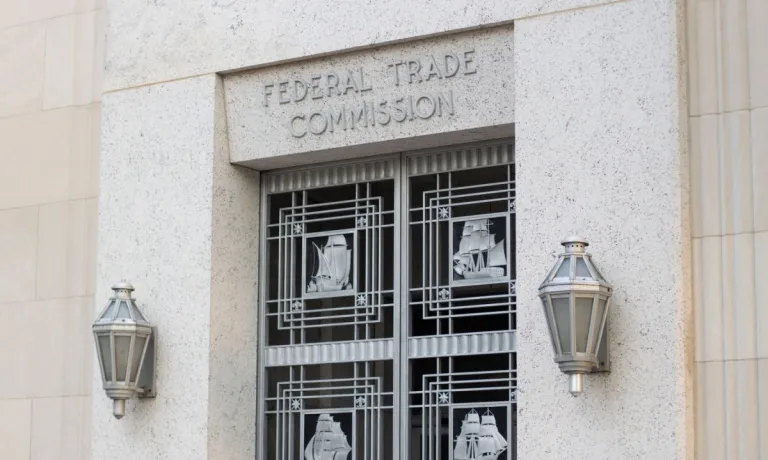
The Federal Trade Commission (FTC) announced Wednesday (April 22) that a federal court in Florida had halted this operation, which the watchdog accused of impersonating the government and large insurance carriers.

The goal of the scam, the FTC said, is to dupe consumers into purchasing “supposedly comprehensive” PPO plans that do not provide the coverage they need.

According to the FTC’s complaint, the scheme — which operates under a variety of names, such as “Innovative Partners” and “American Collective” — also targets consumers who have insurance, telling them they need to pay to keep or renew their coverage.

“The FTC alleges that consumers paid the defendants millions in ‘premiums’ for products they did not want or need, and which exposed them to potentially significant and unexpected medical costs,” the release added.

PYMNTS has contacted American Collective for comment but has not yet gotten a reply.

Advertisement: Scroll to Continue

Since 2023, the FTC says, the defendants have operated a telemarketing scheme targeting consumers searching for health insurance coverage. The defendants allegedly claim consumers are buying “state issued” PPO insurance policies with no deductible and which provide full coverage with low or no co-payments.

The commission alleges that the defendants do not actually sell PPO plans or comprehensive health insurance policies. The plans they do sell cannot be sold on any state or federal government health insurance marketplace, the complaint added.

“Instead, the defendants’ plans typically include an assortment of medical discounts, ancillary products, and capped payouts for certain medical events such as emergency room visits—while some plans exclude hospital care entirely,” the FTC said.

The FTC warned last year that it had seen a massive jump between 2020 and 2024 in the number of people 60 and older who had lost at least $10,000 to scams in which a fraudster impersonated a government representative.

It’s part of a larger problem, with PYMNTS Intelligence research showing that nearly 20% of consumers had been scammed at least once in the last five years. Close to two-thirds of victims made payments within 24 hours, demonstrating scammers’ dependence on urgency.

“Scam losses can feel so hard to prevent because many consumers are not making a bad choice after days of deliberation,” PYMNTS wrote earlier this year. “They are reacting to pressure in real time.”