





Palermo, Italy
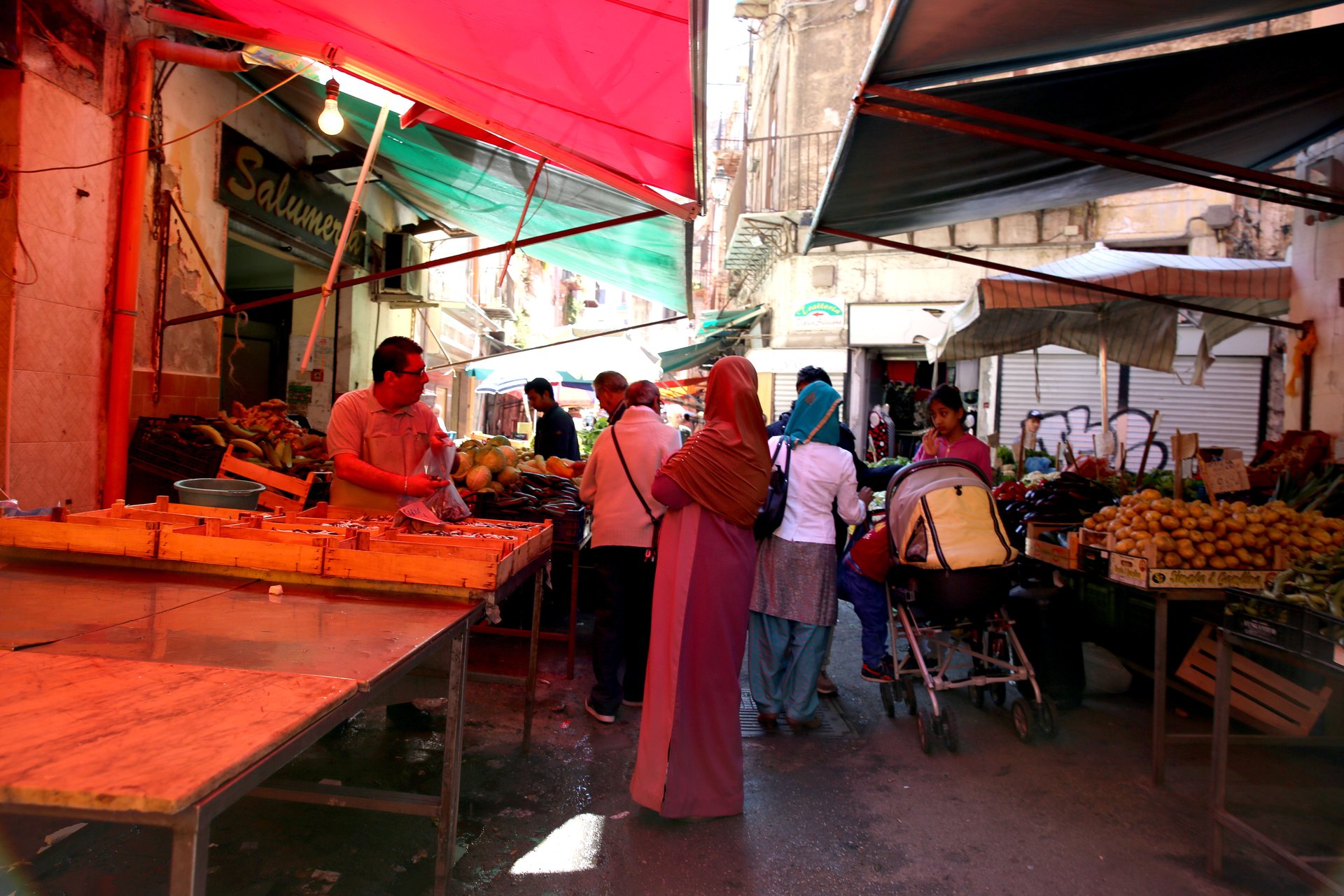
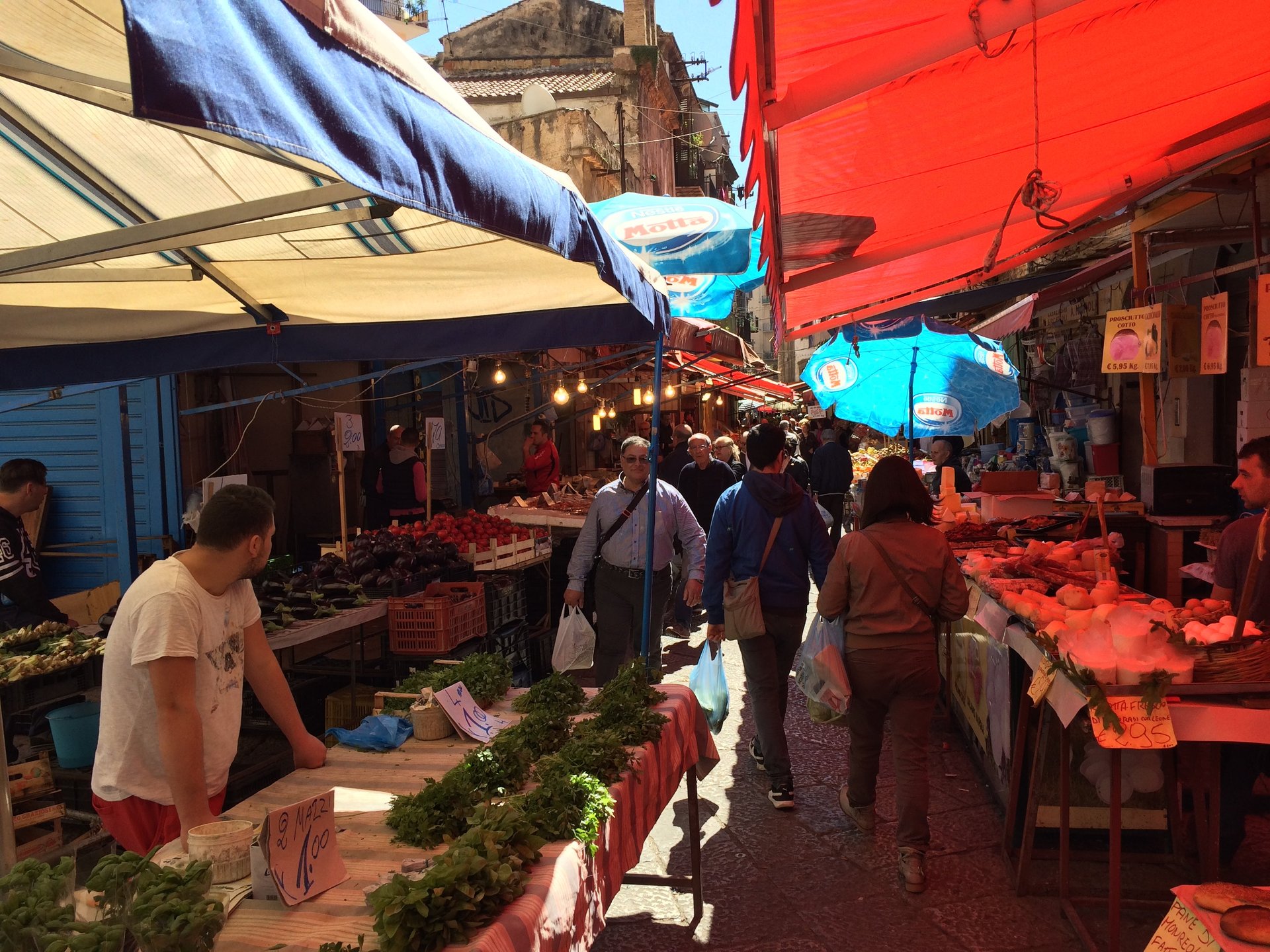
Ballarò market sits at the center of Palermo, Sicily’s biggest city, and has been busy with trade for more than a thousand years. Even as time has passed, the market’s spirit has stayed the same. Every day, vendors fill the Albergheria neighborhood with stalls selling fresh produce, seafood, and household goods. The place buzzes with energy as sellers and customers haggle over prices.
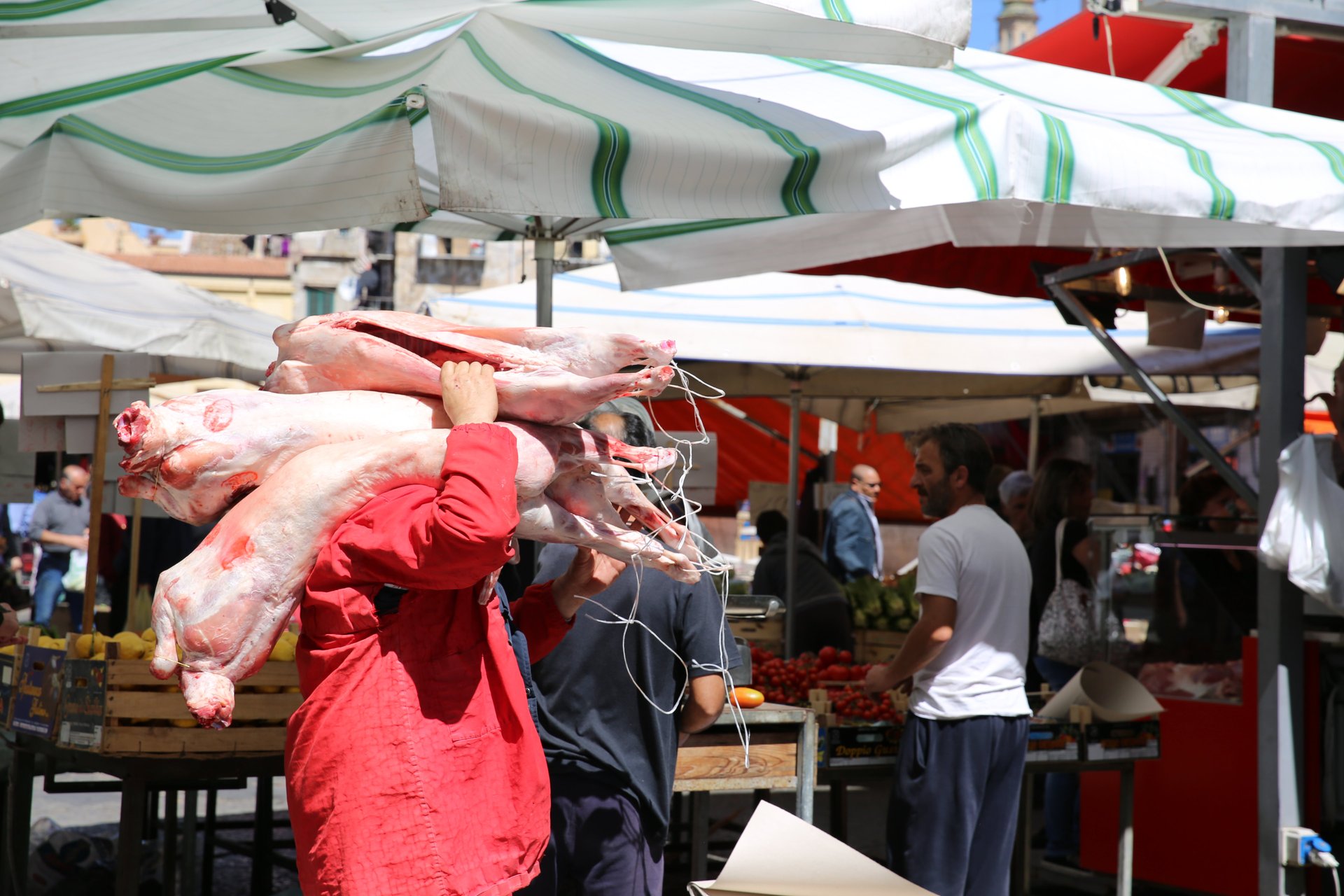
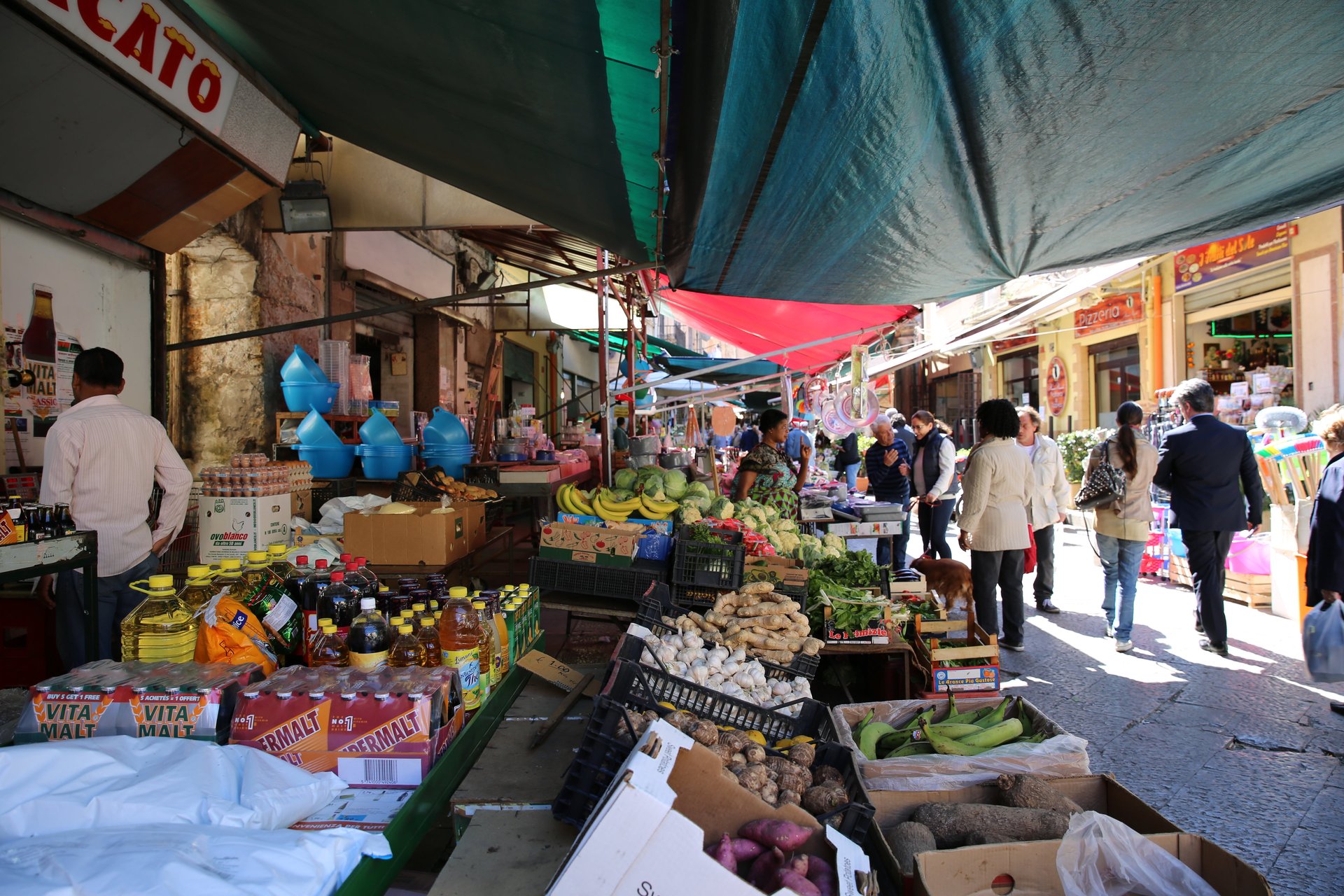
Orietta Sorgi, an ethno-anthropologist who studies Sicily's cultural heritage, says markets like Ballarò have shaped Palermo's identity for hundreds of years.
The earliest known reference to Ballarò comes from Ibn Hawqal, a Baghdad-born merchant who wrote about Palermo’s significance over a thousand years ago. The market has stayed at the heart of city life through wars and waves of modernization. Sorgi points out that Ballarò has weathered plenty of hard times and has never stopped moving forward.
Today, vendors worry that business is dropping off. They blame competition from bigger, cheaper stores and the city’s move to limit car access nearby. Salvatore Cusimano, a pharmacist who has worked in the area for twenty years, says life in the neighborhood is getting harder. He thinks the run-down condition of the area keeps people in poverty and makes it easier for the mafia to operate. Cusimano believes better services are needed to fight the mafia’s influence.
Still, things may not be as bad as they seem. Many locals now shop at air-conditioned supermarkets, but the market draws a wide range of people. Migrants have moved into the once-empty streets around Ballarò, bringing new energy to the city center.
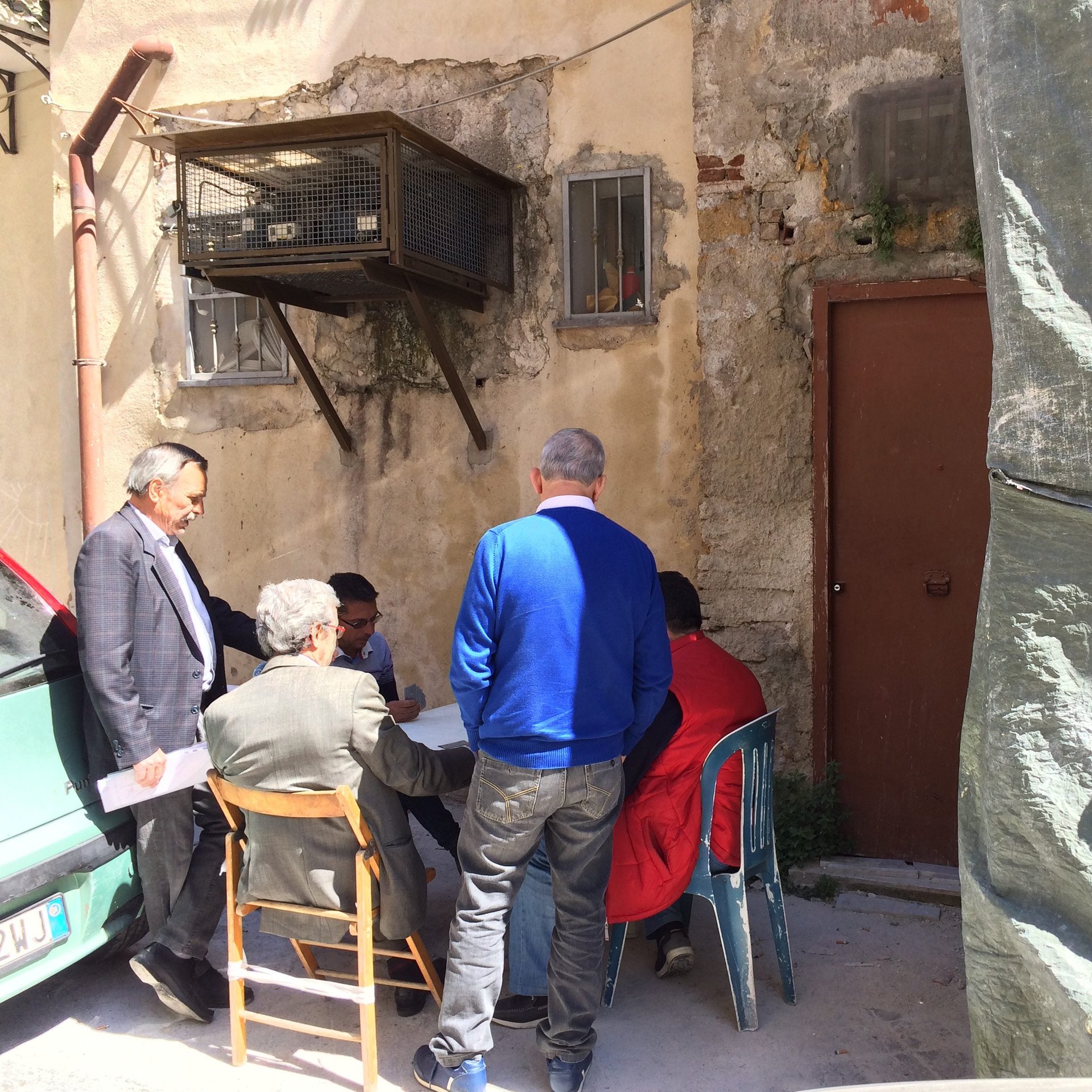
After World War II, much of Palermo’s historic center was abandoned. While other Italian cities restored their old neighborhoods, Palermo’s center was left to decline. Between the 1950s and 1980s, the mafia caused a lot of damage, tearing down art deco buildings, covering parks with concrete, and building unattractive apartment blocks. This led to a drop in population, except for the street markets, especially Ballarò. Even as people left and buildings stood empty, the market kept going.
In the late 1980s, people from Bangladesh started moving into the area because housing was cheap. Soon, migrants from Africa, coming through Libya, also settled there. In the last ten years, this trend has grown. More than 29,000 local residents have left Palermo, while the number of foreign-born people has almost doubled to about 30,000, not counting those who are unregistered.
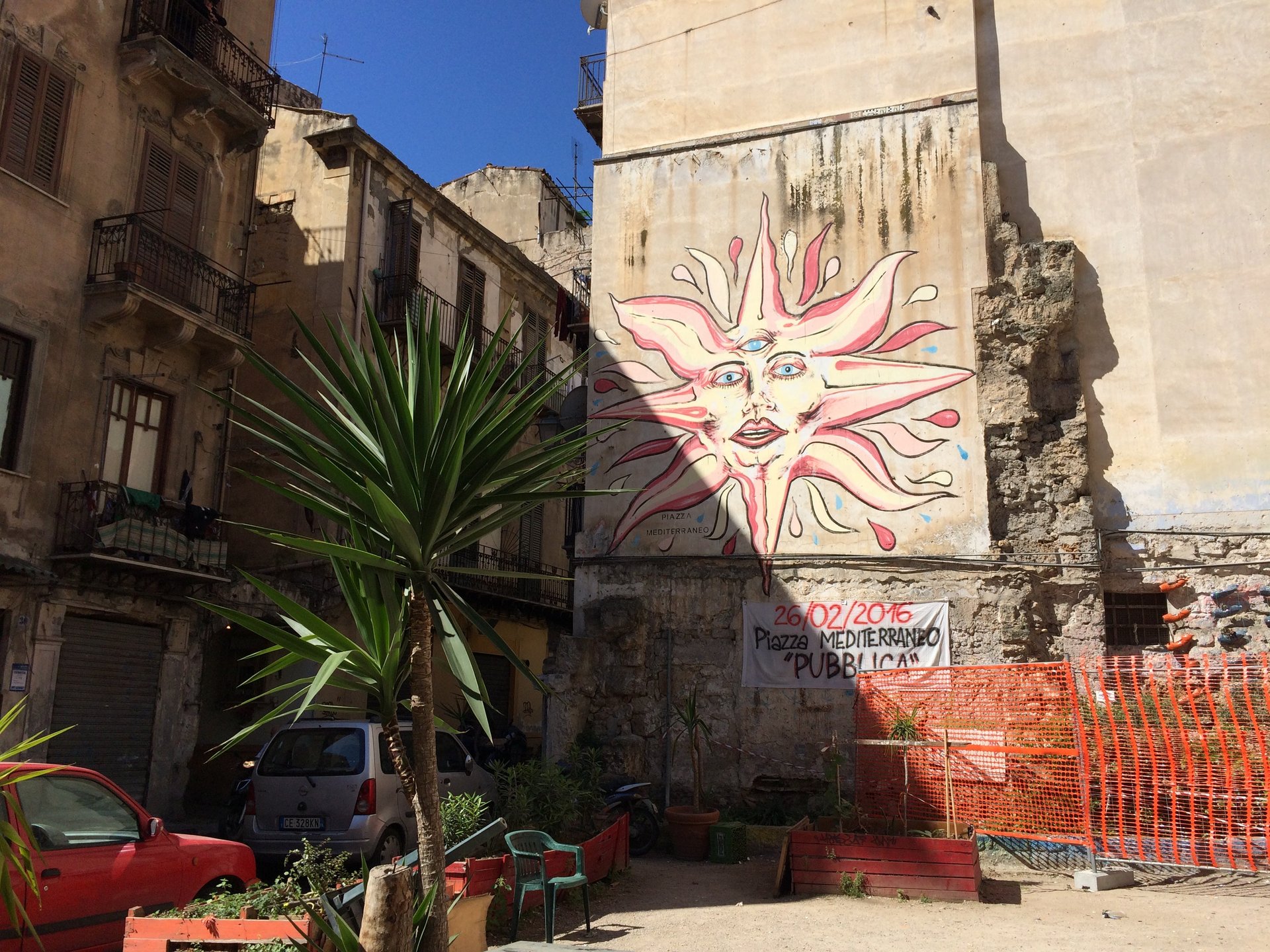
City councilman Juan Diego Catalano Ugdulena says that many parts of Palermo’s old center were empty for years, which made the city lose some of its character. Now, migrants are bringing the area back to life. The market still sells fish and fresh produce, but now you can also find more spices and ingredients for curries.
Giovanni Zinna, who co-founded Millevolti Capovolti, a multicultural co-working space and restaurant near Ballarò, points out that while migrants usually live in the suburbs, in Palermo they live in the city center. He thinks migrants help the market by reopening businesses that locals left behind and making them successful again.
Today, Ballarò is full of people from many backgrounds. The neighborhood has several cultural groups for immigrants, and Palermo’s mosque is only a few blocks away. Foreigners own shops and shop there, adding to the market’s lively feel, where you can hear many different languages and dialects.
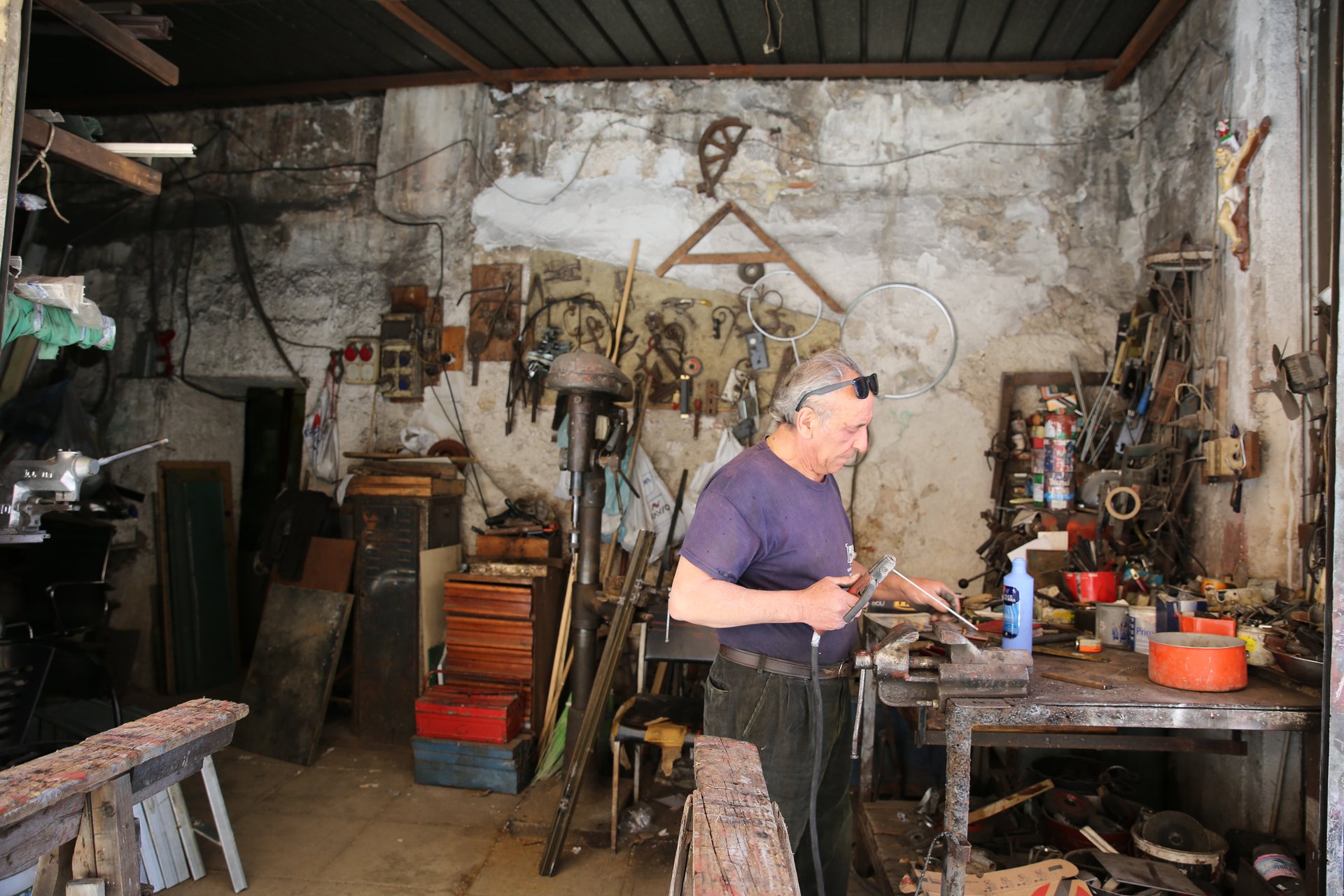
But not everyone is happy about these changes. Francesco Paolo Occhione, a blacksmith who grew up nearby, worries about overcrowding. He says that renting to one migrant often leads to many more moving in. The mafia is also unhappy and has reacted with hostility.
On April 4, 2016, Yusupha Susso, a 20-year-old from Gambia, was walking through Ballarò with friends when a group led by Emanuele Rubino confronted them. After the migrants answered back to insults, Rubino shot Susso in the head, putting him in a coma. Education activist Massimiliano Lombardo says this was a mafia crime, not a racist one. Palermo has its problems, but he says intolerance toward foreigners is not one of them. The city’s history includes Norman, Arabic, and Spanish influences.
After the attack, many people showed support for Susso, who later recovered. Rubino, who is linked to Cosa Nostra, Sicily’s mafia, was arrested and is waiting for trial. The incident shows how the mafia wants to keep control of the city center, while migrants challenge their power just by living there.
During the 20th century, the mafia had a lot of control over Palermo’s economy and often forced merchants to pay protection money. Locals know this system well, but migrants are less likely to go along with it, which threatens the mafia’s hold on the area. The mafia sees any challenge as a threat, leading to attacks like the one on Susso. Migrants, not used to the mafia’s ways, are standing up to them and weakening a system that has allowed injustice for years.
On May 23, police arrested ten people linked to the mafia in Ballarò, including members of the Rubino family, for threatening immigrants and demanding extortion money. Mayor Leoluca Orlando says the mafia is against diversity and struggles when people’s backgrounds are mixed. He hopes that as cultures blend, the prejudice behind organized crime will fade. Orlando calls Palermo a Middle-Eastern city in Europe and a Norman city in the Mediterranean, with multiculturalism at its heart. After years without migrants, he believes their arrival has brought harmony back to the city and shows the positive side of globalization.
There are still challenges, but city leaders see migrants as important partners in the fight against Cosa Nostra. In 2013, the city council set up the Consulta delle Culture, a group of 21 representatives from seven regions, chosen by Palermo’s foreign residents. Adham Dawarsha, a Palestinian doctor and the council’s president, admits there are ongoing problems but praises Palermo’s welcoming attitude. The council helps with issues that matter to migrants, supports street vendors’ rights, and makes sure unaccompanied minors arriving from Libya get help.
Working with the city, the council helped launch the Charter of Palermo, which says that moving between countries is a human right. This idea has been shared internationally, including in Germany’s parliament and at the US Department of State. Palermo, as Sicily’s capital, sits along the Libyan route and receives thousands of migrants who cross the Strait of Sicily to reach Italy. The city’s way of handling migration matters both in practice and as a symbol. When thousands marched in the rain to support Susso, it showed that integration is not just a dream but is happening now, one market exchange at a time.
此内容由惯性聚合(RSS阅读器)自动聚合整理,仅供阅读参考。 原文来自 — 版权归原作者所有。