




惯性聚合 高效追踪和阅读你感兴趣的博客、新闻、科技资讯
阅读原文 在惯性聚合中打开

推荐订阅源

云风的 BLOG
云风的 BLOG
博客园 - 三生石上(FineUI控件)
WordPress大学
WordPress大学
F
Fortinet All Blogs
奇客Solidot–传递最新科技情报
奇客Solidot–传递最新科技情报
博客园 - 叶小钗
爱范儿
爱范儿
美团技术团队
H
Hackread – Cybersecurity News, Data Breaches, AI and More
有赞技术团队
有赞技术团队
博客园_首页
T
The Blog of Author Tim Ferriss
T
Tailwind CSS Blog
V
Visual Studio Blog
Jina AI
Jina AI
博客园 - Franky
量子位
MongoDB | Blog
MongoDB | Blog
L
LangChain Blog
Apple Machine Learning Research
freeCodeCamp Programming Tutorials: Python, JavaScript, Git & More
U
Unit 42
aimingoo的专栏
aimingoo的专栏
M
MIT News - Artificial intelligence

Futurism

Man Creates Tiny Submarine for His Parakeet to Experience Life Underwater The Effects of AI-Generated Code Tearing Through Corporations Is Actually Kind of Funny Trump Hires Orbital Towing Company to Build Space Interceptors Psychologists Found Something Horrible About the Kind of Men Seeking Trad Wives To Get Swole, Teens Are Pumping Themselves Full of Drugs Meant for Fattening Cows for the Slaughterhouse Foolish Pollsters Are Now Just Asking AI What Voters Would Say in Response to Questions and Publishing It at Face Value OpenAI Says It’s Already Made $100 Million by Stuffing ChatGPT With Ads Man Punished for Breaking Into Moo Deng’s Zoo Enclosure AI Is Causing Healthcare Costs to Surge There’s a Mass Rebellion Against AI in the Workplace People Who Lose Their Job to AI Are in for a World of Pain, Goldman Sachs Report Finds OpenAI Says Not to Worry About UBI, Because It Has Another Idea Police Officer Helplessly Waves Arms at Waymo That Careened Wrong Way Through Whataburger Drive-Thru Someone Just Threw a Molotov Cocktail At Sam Altman’s House New York Times Makes Substantial Changes to Article That Glazed a Sleazy AI Startup: “Our Piece Should Have Included That Information” Space Scientists Wince as Astronauts’ Lives Depend on Artemis 2’s Controversial Heat Shield During Plunge Back to Earth The Moon Astronauts Have Been Working Out With a NASA Rowing Machine in Space First AI Model From Zuckerberg’s Wildly Expensive Superintelligence Lab Flops Compared to Virtually All Rivals Economists Starting to Admit They May Have Been Wrong About AI Never Replacing Human Jobs AI-Powered Drug Marketer Medvi Responds After Allegations About Fake Doctors and Patients As Astronauts Visit the Moon, NASA Insider Says Agency Is in Shambles Behind the Scenes Man Lights 1.2 Million Square Foot Warehouse on Fire for Not Paying Him Enough NASA Scientists Screamed With Delight When They Saw Something Smashing Into the Moon Google Says Showing Polymarket Bets on Google News Was a Mistake Las Vegas Sphere Turns Into Huge Moon to Celebrate NASA Mission The New York Times Says It’s Identified the Creator of Bitcoin We Talked to a Writer Accused of Publishing An AI-Generated Essay in The New York Times Naked Man Bursts Into Tesla Service Center With a Shotgun Student Dies When Hospital Has No ICU Doctors, Calls One on Videochat Who Pronounces Him Dead Remotely, Lawsuit Claims Analysis Finds That Google’s AI Overviews Are Providing Misinformation at a Scale Possibly Unprecedented in the History of Human Civilization
Scanning Your Baby's Eyeballs Will Tell You How Their Bra...
Frank Landymore · 2026-06-27 · via Futurism

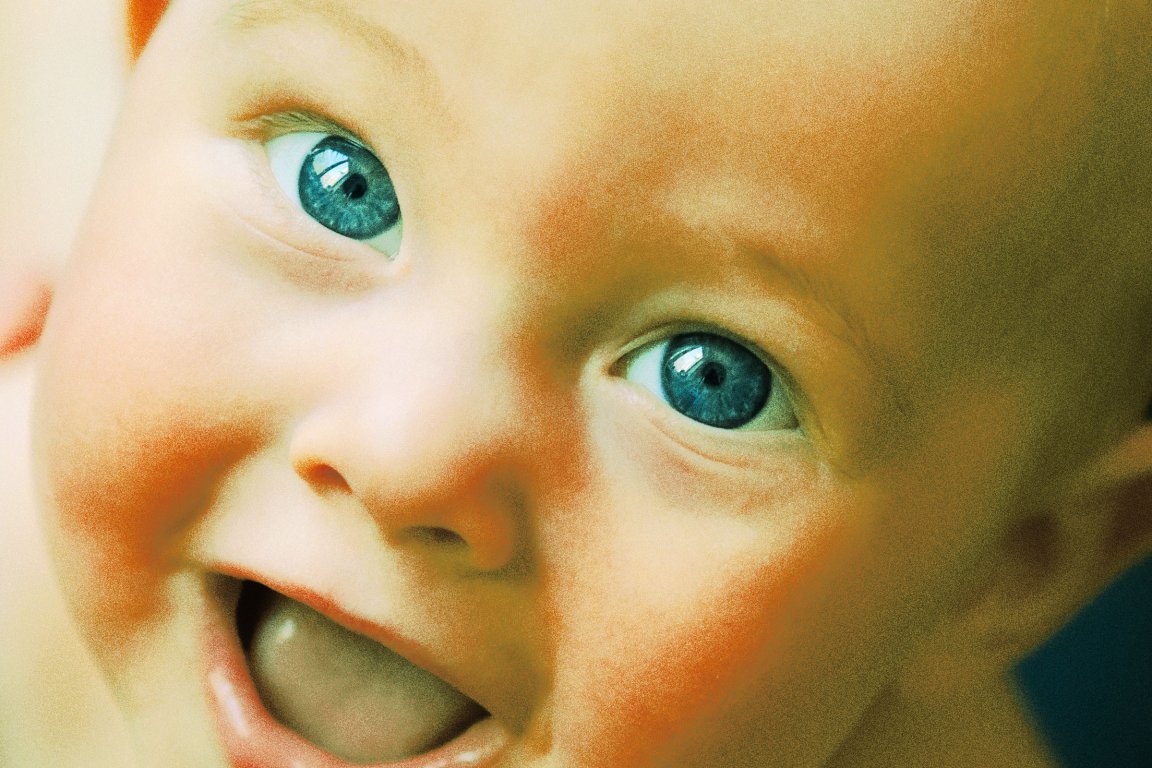
A color-treated photograph of an infant with large eyes staring into the camera and smiling.

Shutterstock / Futurism

Sign up to see the future, today

Can’t-miss innovations from the bleeding edge of science and tech

Who needs palm readings? New research suggests that scanning a preterm baby’s eyeballs can predict how its brain will develop.

The resulting study, published in the journal JAMA Ophthalmology, found that specific features in the retinas of infants who were born premature are linked to cognitive motor, and behavioral outcomes at the age of two.

Promisingly, a noninvasive eye scan is all that’s needed to identify the tiny telltales, the researchers say. This bedside exam could let doctors quickly identify kids who are vulnerable to developmental challenges, which very preterm infants are at a 50 percent higher risk of experiencing. Kudos to what sounds like the least dystopian application of eyeball-scanning around.

“Because the retina is part of the central nervous system, it gives us a unique, noninvasive way to study the developing brain,” coauthor Cynthia Toth, a professor of ophthalmology at Duke University, said in a statement about the work. “Using a quick, safe eye scan, we may be able to identify infants at higher risk for developmental delays much earlier.”

A very preterm infant is born before 32 weeks gestation, or about eight weeks early.

In the study, the researchers followed a group of 72 very preterm infants until they were two years old. While they were still newborns, the researchers took images of their retinas with optical coherence tomography, a technique that uses infrared light to safely probe the eyes. They focused on a feature called the retinal nerve fiber layer (RNFL), which connects with the optic nerve, the eye’s link to the brain.

Then, when the children were two years old, the researchers assessed them for motor, cognitive, and behavior development.

The followups revealed a clear pattern. The kids who had a thicker RNFL when they were born had better development outcomes at age two across all areas, with higher motor scores, cognitive scores, and a lower autism risk based on a common screening test for toddlers.

If the findings are borne out by further research, the authors are optimistic that it could let parents get their kids the help they need.

“This research moves us closer to identifying which children may need extra support much earlier in life,” lead author Kathryn E. Gustafson, a Duke psychiatry professor, said in the statement about the work.

“Our goal is to give every child the best possible start,” Toth added. “If we can use a quick eye scan to better understand brain development, that’s a powerful step forward.”

More on: White House Pushes Back Against Claim That Trump Was Given Early Access to a Powerful Experimental Weight Loss Drug