


惯性聚合 高效追踪和阅读你感兴趣的博客、新闻、科技资讯
阅读原文 在惯性聚合中打开

推荐订阅源

量子位
F
Fortinet All Blogs
小众软件
小众软件
人人都是产品经理
人人都是产品经理
The Cloudflare Blog
OSCHINA 社区最新新闻
OSCHINA 社区最新新闻
Microsoft Azure Blog
J
Java Code Geeks
有赞技术团队
有赞技术团队
D
DataBreaches.Net
Hugging Face - Blog
Hugging Face - Blog
V
Visual Studio Blog
A
About on SuperTechFans
I
InfoQ
The GitHub Blog
The GitHub Blog
Engineering at Meta
Engineering at Meta
雷峰网
雷峰网
H
Hackread – Cybersecurity News, Data Breaches, AI and More
罗磊的独立博客
C
Check Point Blog
大猫的无限游戏
大猫的无限游戏
Cyber Security Advisories - MS-ISAC
酷 壳 – CoolShell
酷 壳 – CoolShell
MyScale Blog
MyScale Blog

Futurism

Man Creates Tiny Submarine for His Parakeet to Experience Life Underwater The Effects of AI-Generated Code Tearing Through Corporations Is Actually Kind of Funny Trump Hires Orbital Towing Company to Build Space Interceptors Psychologists Found Something Horrible About the Kind of Men Seeking Trad Wives To Get Swole, Teens Are Pumping Themselves Full of Drugs Meant for Fattening Cows for the Slaughterhouse Foolish Pollsters Are Now Just Asking AI What Voters Would Say in Response to Questions and Publishing It at Face Value OpenAI Says It’s Already Made $100 Million by Stuffing ChatGPT With Ads Man Punished for Breaking Into Moo Deng’s Zoo Enclosure AI Is Causing Healthcare Costs to Surge There’s a Mass Rebellion Against AI in the Workplace People Who Lose Their Job to AI Are in for a World of Pain, Goldman Sachs Report Finds OpenAI Says Not to Worry About UBI, Because It Has Another Idea Police Officer Helplessly Waves Arms at Waymo That Careened Wrong Way Through Whataburger Drive-Thru Someone Just Threw a Molotov Cocktail At Sam Altman’s House New York Times Makes Substantial Changes to Article That Glazed a Sleazy AI Startup: “Our Piece Should Have Included That Information” Space Scientists Wince as Astronauts’ Lives Depend on Artemis 2’s Controversial Heat Shield During Plunge Back to Earth The Moon Astronauts Have Been Working Out With a NASA Rowing Machine in Space First AI Model From Zuckerberg’s Wildly Expensive Superintelligence Lab Flops Compared to Virtually All Rivals Economists Starting to Admit They May Have Been Wrong About AI Never Replacing Human Jobs AI-Powered Drug Marketer Medvi Responds After Allegations About Fake Doctors and Patients As Astronauts Visit the Moon, NASA Insider Says Agency Is in Shambles Behind the Scenes Man Lights 1.2 Million Square Foot Warehouse on Fire for Not Paying Him Enough NASA Scientists Screamed With Delight When They Saw Something Smashing Into the Moon Google Says Showing Polymarket Bets on Google News Was a Mistake Las Vegas Sphere Turns Into Huge Moon to Celebrate NASA Mission The New York Times Says It’s Identified the Creator of Bitcoin We Talked to a Writer Accused of Publishing An AI-Generated Essay in The New York Times Naked Man Bursts Into Tesla Service Center With a Shotgun Student Dies When Hospital Has No ICU Doctors, Calls One on Videochat Who Pronounces Him Dead Remotely, Lawsuit Claims Analysis Finds That Google’s AI Overviews Are Providing Misinformation at a Scale Possibly Unprecedented in the History of Human Civilization
Working From Home Has a Grim Effect on Your Brain, Surpri...
Frank Landymore · 2026-06-14 · via Futurism

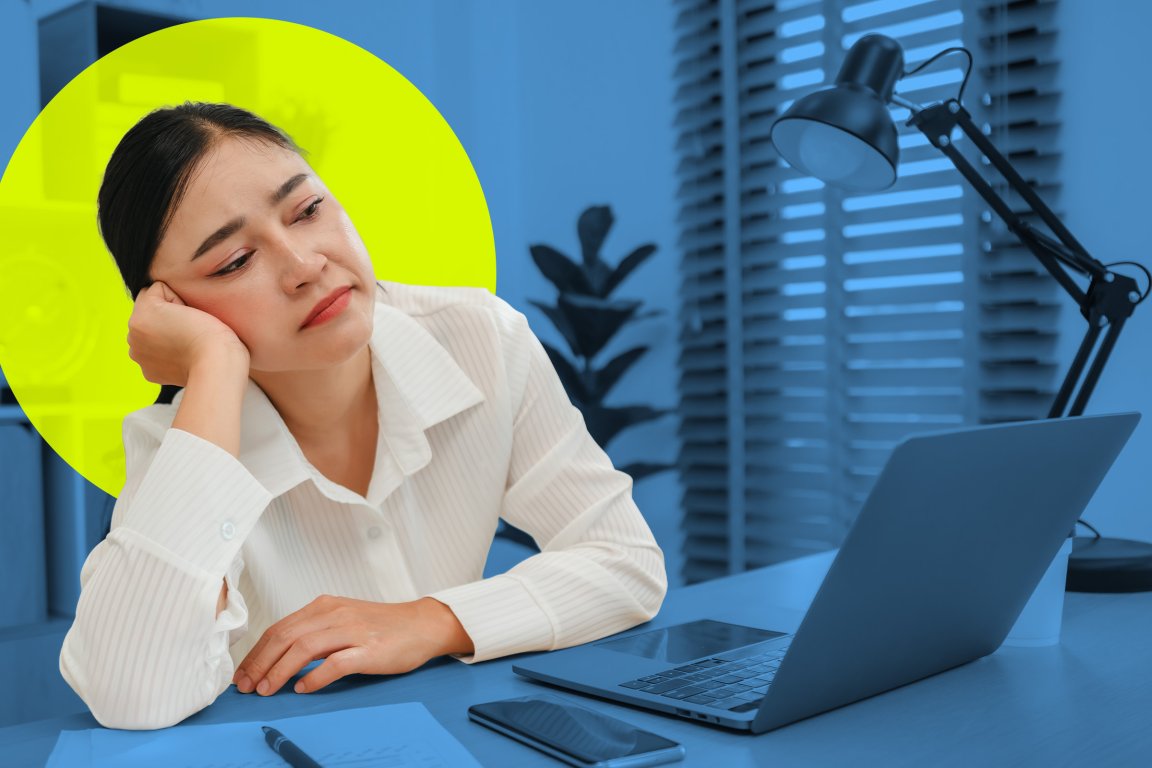
A female employee sits at her home office in front of her laptop and rests her head on one hand looking forlorn.

Illustration by Tag Hartman-Simkins / Futurism. Source: Shutterstock

Sign up to see the future, today

Can’t-miss innovations from the bleeding edge of science and tech

Most people would kill for a work-from-home job, but it turns out it can have some grim effects on your mental health.

A new study published in the journal Science found that remote workers were more likely to report feeling anxious, depressed, and being socially isolated compared to people who worked in-office. No commute and having the comforts of home is undoubtedly an upside, but it seems there’s no substitute for genuine social connections.

Nicholas Epley, a professor of behavioral science at the University of Chicago’s Booth School of Business who wasn’t involved in the study, told NPR that workers might be underestimating the value of being to “reach out to connect with other people,” and that “people might be choosing poorly” in terms of their well-being.

Until now, most studies have focused on remote work’s impact on productivity and job satisfaction, according to an editor’s summary, while there’s been little insight into its relationship to loneliness and mental health.

To fill that gap, lead author Natalia Emanuel, an economist at the Federal Reserve Bank of New York, and her colleagues conducted an analysis that drew on data from five national surveys on American workers, comparing “remotable jobs” that can be done remotely, like software engineering, and “non-remotable” jobs, like surgery.

It found that the hours that workers in remotable jobs spent working alone surged by 58 percent compared to workers in non-remotable jobs. That may not be surprising, since they’re staying at home, but the level of isolation could be extreme, as there was also a 72 percent rise in their chance of spending an entire day with no human contact whatsoever.

It was even worse for remote workers who lived alone, with an 83 percent chance of spending a whole day with no human contact. “Likewise, the increase in mental distress is almost twice as large for those living alone as for those living with their family,” Epley told NPR.

Given the connection between mental and physical wellbeing, this becomes a genuine health problem, as “being alone compromises your immune system functioning, your cardiovascular system functioning,” Epley said.

Of course, the findings “don’t suggest that every office should be forcing everybody to come in to work,” Epley told NPR — something that spiteful employers are trying to find any excuse to impose on their underlings. But it’s something else to consider for anyone looking to ditch the office, and a reminder that we may need to be a little bit more deliberate about our social lives if we’re not getting our daily dose of human interaction through work.

More on mental health: Psychiatrists Investigating People Who Get Trapped Inside Vivid Daydreams