

惯性聚合 高效追踪和阅读你感兴趣的博客、新闻、科技资讯
阅读原文 在惯性聚合中打开

推荐订阅源

Stack Overflow Blog
Stack Overflow Blog
L
LangChain Blog
人人都是产品经理
人人都是产品经理
酷 壳 – CoolShell
酷 壳 – CoolShell
T
Tailwind CSS Blog
N
Netflix TechBlog - Medium
Microsoft Security Blog
J
Java Code Geeks
博客园 - 【当耐特】
量子位
有赞技术团队
有赞技术团队
Jina AI
Jina AI
让小产品的独立变现更简单 - ezindie.com
博客园_首页
C
Check Point Blog
B
Blog RSS Feed
M
MIT News - Artificial intelligence
H
Help Net Security
雷峰网
雷峰网
奇客Solidot–传递最新科技情报
奇客Solidot–传递最新科技情报
博客园 - 聂微东
freeCodeCamp Programming Tutorials: Python, JavaScript, Git & More
A
About on SuperTechFans
腾讯CDC

Futurism

Man Creates Tiny Submarine for His Parakeet to Experience Life Underwater The Effects of AI-Generated Code Tearing Through Corporations Is Actually Kind of Funny Trump Hires Orbital Towing Company to Build Space Interceptors Psychologists Found Something Horrible About the Kind of Men Seeking Trad Wives To Get Swole, Teens Are Pumping Themselves Full of Drugs Meant for Fattening Cows for the Slaughterhouse Foolish Pollsters Are Now Just Asking AI What Voters Would Say in Response to Questions and Publishing It at Face Value OpenAI Says It’s Already Made $100 Million by Stuffing ChatGPT With Ads Man Punished for Breaking Into Moo Deng’s Zoo Enclosure AI Is Causing Healthcare Costs to Surge There’s a Mass Rebellion Against AI in the Workplace People Who Lose Their Job to AI Are in for a World of Pain, Goldman Sachs Report Finds OpenAI Says Not to Worry About UBI, Because It Has Another Idea Police Officer Helplessly Waves Arms at Waymo That Careened Wrong Way Through Whataburger Drive-Thru Someone Just Threw a Molotov Cocktail At Sam Altman’s House New York Times Makes Substantial Changes to Article That Glazed a Sleazy AI Startup: “Our Piece Should Have Included That Information” Space Scientists Wince as Astronauts’ Lives Depend on Artemis 2’s Controversial Heat Shield During Plunge Back to Earth The Moon Astronauts Have Been Working Out With a NASA Rowing Machine in Space First AI Model From Zuckerberg’s Wildly Expensive Superintelligence Lab Flops Compared to Virtually All Rivals Economists Starting to Admit They May Have Been Wrong About AI Never Replacing Human Jobs AI-Powered Drug Marketer Medvi Responds After Allegations About Fake Doctors and Patients As Astronauts Visit the Moon, NASA Insider Says Agency Is in Shambles Behind the Scenes Man Lights 1.2 Million Square Foot Warehouse on Fire for Not Paying Him Enough NASA Scientists Screamed With Delight When They Saw Something Smashing Into the Moon Google Says Showing Polymarket Bets on Google News Was a Mistake Las Vegas Sphere Turns Into Huge Moon to Celebrate NASA Mission The New York Times Says It’s Identified the Creator of Bitcoin We Talked to a Writer Accused of Publishing An AI-Generated Essay in The New York Times Naked Man Bursts Into Tesla Service Center With a Shotgun Student Dies When Hospital Has No ICU Doctors, Calls One on Videochat Who Pronounces Him Dead Remotely, Lawsuit Claims Analysis Finds That Google’s AI Overviews Are Providing Misinformation at a Scale Possibly Unprecedented in the History of Human Civilization
OpenAI Is Taking the "Crack Cocaine" Approach to Pricing
Victor Tangermann · 2026-06-17 · via Futurism

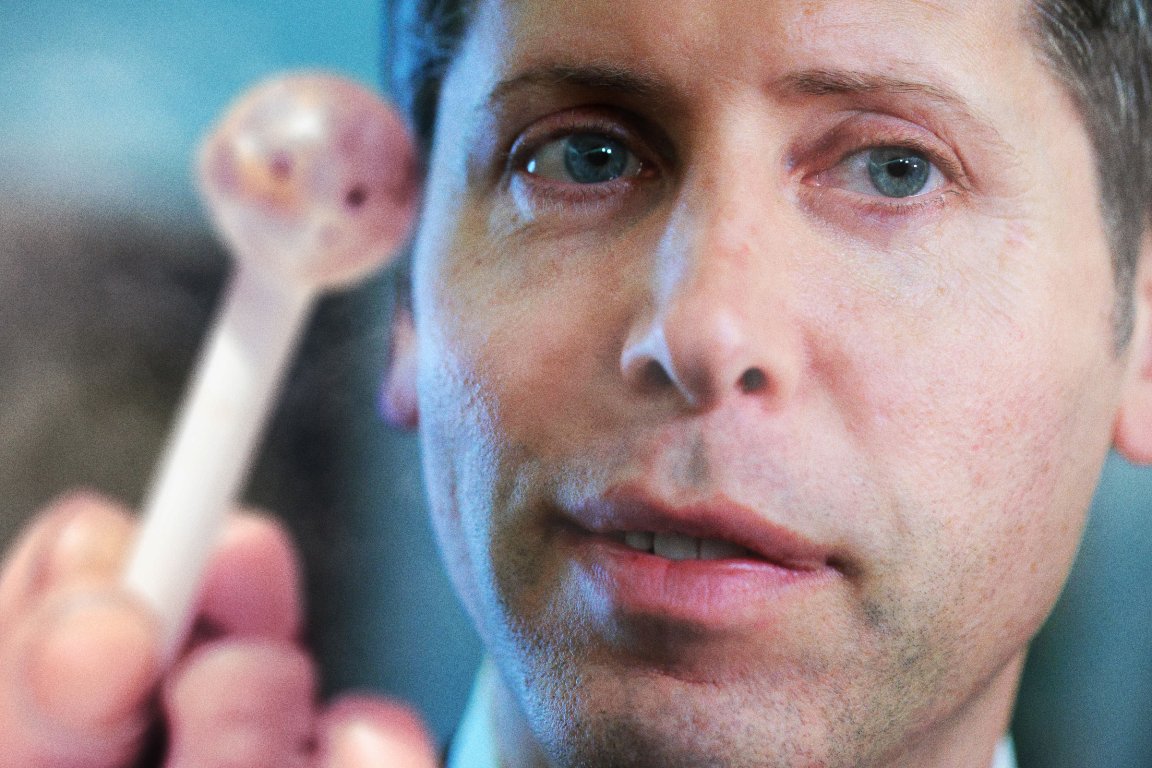
A comic photo illustration of OpenAI CEO Sam Altman appearing to hand the viewer a crack pipe.

Illustration by Tag Hartman-Simkins / Futurism. Source: Chip Somodevilla / Getty Images; Shutterstock

Sign up to see the future, today

Can’t-miss innovations from the bleeding edge of science and tech

OpenAI burned through a staggering amount of money in 2025.

According to audited financial figures obtained by AI skeptic Ed Zitron, who shared them with The Financial Times, the net loss attributed to the ChatGPT maker soared from $5 billion in 2024 to a stunning $39 billion in 2025.

You can relitigate the numbers all day — a source familiar with situation told the FT that a lot of those 2025 losses are a “non-cash accounting charge linked to the company’s previous structure rather than its underlying operations — but the financial pressure does seem to be taking a toll. After years of giving users largely unfettered access to its models for a monthly fee, OpenAI and many of its competitors are now debating whether to boost prices dramatically by transitioning to a token-based billing system, charging users more directly for the amount of computing power they consume instead of an open-ended monthly subscription.

OpenAI currently offers both pay-as-you-go API access and monthly ChatGPT subscriptions. But how long the latter will stick around is looking increasingly uncertain. Earlier this month, OpenAI CEO Sam Altman argued that “we see a future where intelligence is a utility, like electricity or water, and people buy it from us on a meter.”

In other words, OpenAI’s behavior sounds an awful lot like a drug dealer who floods the market with addictive drugs, then jacks up the prices once users are dependent on them.

“They’ve kind of taken the crack approach to AI,” one Reddit user argued. “Give it to people for free, get them hooked, then jack up prices.”

It’s an insightful metaphor, considering where the majority of the AI industry’s biggest players appear to be headed. And as the costs of building out data centers and maintaining access to cloud compute come due, it’s likely we’ll see even more similar behavior.

The real costs behind AI subscriptions are staggering. According to a recent report by research company SemiAnalaysis, a $200 ChatGPT Pro subscription costs OpenAI as much as $14,000 if used to its maximum potential.

Spiking API prices have caught some power users off guard. According to Axios, an unnamed firm’s CFO accidentally racked up half a billion dollars in Claude usage fees in a single month.

The financial reality is hard to ignore, with CEOs starting to reverse course on AI adoption as prices for access to the tools spiral out of control.

“Fundamentally all of these AI providers are massively subsidizing token usage on these flat rate plans,” another Reddit user wrote. “It’s simply unsustainable.”

Even with soaring token-based API pricing, AI companies’ balance sheets are firmly in the red. And they could stay there, especially considering the burgeoning AI price war that could force them to lower — not raise — prices just to stay competitive.

More on OpenAI: OpenAI Execs Are Panicking