

惯性聚合 高效追踪和阅读你感兴趣的博客、新闻、科技资讯
阅读原文 在惯性聚合中打开

推荐订阅源

V
V2EX
博客园 - 叶小钗
Last Week in AI
Last Week in AI
Google DeepMind News
钛媒体:引领未来商业与生活新知
钛媒体:引领未来商业与生活新知
Microsoft Security Blog
腾讯CDC
P
Proofpoint News Feed
大猫的无限游戏
大猫的无限游戏
The Cloudflare Blog
aimingoo的专栏
aimingoo的专栏
月光博客
月光博客
量子位
A
About on SuperTechFans
Engineering at Meta
Engineering at Meta
Apple Machine Learning Research
Jina AI
Jina AI
博客园 - Franky
OSCHINA 社区最新新闻
OSCHINA 社区最新新闻
人人都是产品经理
人人都是产品经理
D
DataBreaches.Net
博客园_首页
Cyber Security Advisories - MS-ISAC
Stack Overflow Blog
Stack Overflow Blog

Futurism

Man Creates Tiny Submarine for His Parakeet to Experience Life Underwater The Effects of AI-Generated Code Tearing Through Corporations Is Actually Kind of Funny Trump Hires Orbital Towing Company to Build Space Interceptors Psychologists Found Something Horrible About the Kind of Men Seeking Trad Wives To Get Swole, Teens Are Pumping Themselves Full of Drugs Meant for Fattening Cows for the Slaughterhouse Foolish Pollsters Are Now Just Asking AI What Voters Would Say in Response to Questions and Publishing It at Face Value OpenAI Says It’s Already Made $100 Million by Stuffing ChatGPT With Ads DOGE Made Drastic Cuts to a Global Vaccine Assistance Program. Now There’s a Deadly Measles Outbreak in Bangladesh Man Punished for Breaking Into Moo Deng’s Zoo Enclosure There’s a Mass Rebellion Against AI in the Workplace People Who Lose Their Job to AI Are in for a World of Pain, Goldman Sachs Report Finds OpenAI Says Not to Worry About UBI, Because It Has Another Idea Police Officer Helplessly Waves Arms at Waymo That Careened Wrong Way Through Whataburger Drive-Thru Someone Just Threw a Molotov Cocktail At Sam Altman’s House New York Times Makes Substantial Changes to Article That Glazed a Sleazy AI Startup: “Our Piece Should Have Included That Information” Space Scientists Wince as Astronauts’ Lives Depend on Artemis 2’s Controversial Heat Shield During Plunge Back to Earth The Moon Astronauts Have Been Working Out With a NASA Rowing Machine in Space First AI Model From Zuckerberg’s Wildly Expensive Superintelligence Lab Flops Compared to Virtually All Rivals Economists Starting to Admit They May Have Been Wrong About AI Never Replacing Human Jobs AI-Powered Drug Marketer Medvi Responds After Allegations About Fake Doctors and Patients As Astronauts Visit the Moon, NASA Insider Says Agency Is in Shambles Behind the Scenes Man Lights 1.2 Million Square Foot Warehouse on Fire for Not Paying Him Enough NASA Scientists Screamed With Delight When They Saw Something Smashing Into the Moon Google Says Showing Polymarket Bets on Google News Was a Mistake Las Vegas Sphere Turns Into Huge Moon to Celebrate NASA Mission The New York Times Says It’s Identified the Creator of Bitcoin We Talked to a Writer Accused of Publishing An AI-Generated Essay in The New York Times Naked Man Bursts Into Tesla Service Center With a Shotgun Student Dies When Hospital Has No ICU Doctors, Calls One on Videochat Who Pronounces Him Dead Remotely, Lawsuit Claims Analysis Finds That Google’s AI Overviews Are Providing Misinformation at a Scale Possibly Unprecedented in the History of Human Civilization
AI Is Causing Healthcare Costs to Surge
2026-04-11 · via Futurism

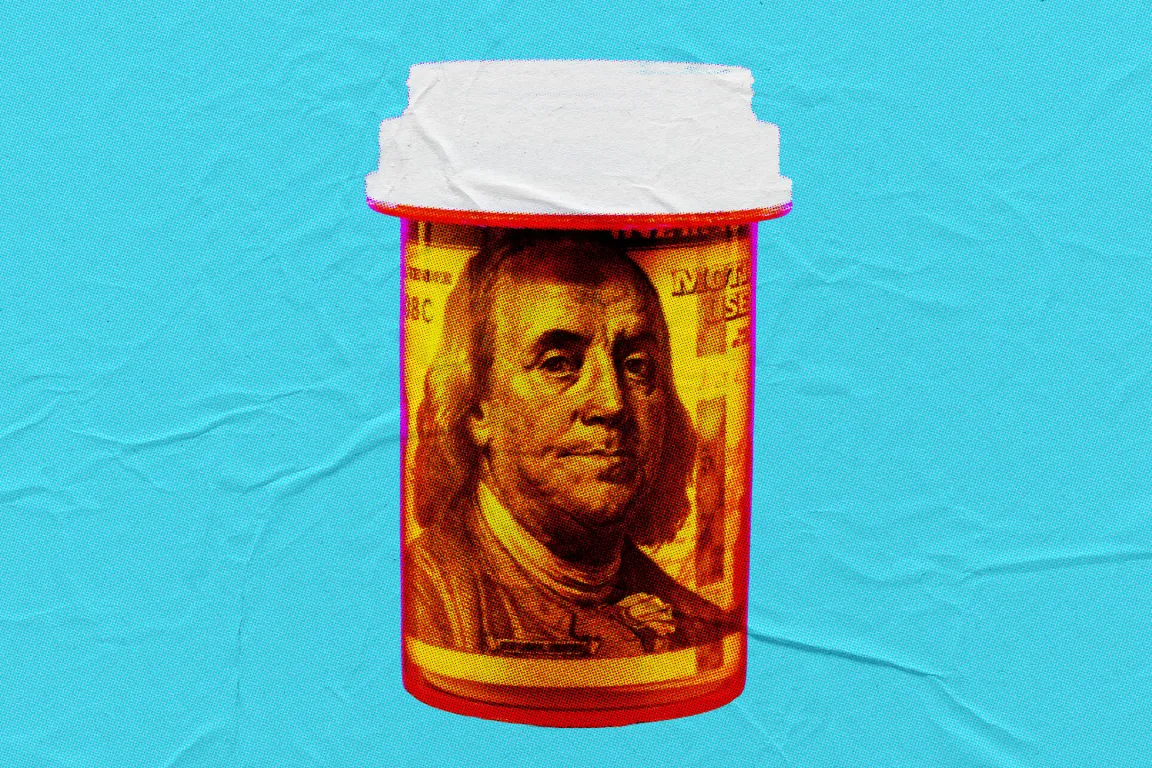
A prescription pill bottle with a label featuring a close-up image of Benjamin Franklin from the US $100 bill, set against a bright blue textured background. The image has a pop art style with vibrant red and yellow tones.

Illustration by Tag Hartman-Simkins / Futurism. Source: Getty Images

Sign up to see the future, today

Can’t-miss innovations from the bleeding edge of science and tech

Since the onset of the AI chatbot boom, tech companies, insurance industry mouthpieces, and healthcare administrators have spun a yarn that introducing AI to healthcare is a surefire way to lower costs for patients.

Mario Schlosser, co-founder and chief technical officer of the medical insurer Oscar Health, has stated that AI was the “only way” to reduce the cost of seeing a doctor in the US over the next three to five years. In 2024, a report by the analyst firm McKinsey argued that AI could generate healthcare savings “as high as $360 billion annually.”

Not only have those bold pronouncements fallen flat, but it sounds like the exact opposite is true. In reality, both hospital administrators and health insurers agree that AI tools have caused health care costs to rise, according to healthcare industry publication Stat.

The main issue revolves around AI “scribes,” which are tools that transcribe live doctor-patient conversations into clinical notes. These scribes, healthcare insiders told the publication, have not translated into financial savings more broadly.

“Right now, ambient scribes are inflationary, and that’s a problem,” Caroline Pearson, executive director at Peterson Health Technology Institute told Stat. “We need technology to help us lower health care costs.”

There are three main causes. The first has to do with the notes themselves. Burnt-out doctors used to take shortcuts on paperwork, writing only the bare-bones notes before sending them off to billings. That meant they were getting paid for “simple” visits, even for cases that are actually complicated. Now that AI is around to record every last detail, many visits are being rated at a higher complexity level, which is used to justify higher billing rates.

The second has to do with software frequently “nudging” doctors to add diagnoses they discussed but didn’t jot down. “Now you have a tool that’s saying, ‘hey, you talking about their UTI, but you didn’t add it to your visit diagnosis. Do you want to add it now?'” chief medical information officer of FMOL Health Bobby DuPre told Stat.

Third is straight up volume — when doctors aren’t stuck typing notes, they have time for more visits. At DuPre’s FMOL, for example, clinicians using AI scribes saw 22 percent more patients overall. As the executive puts it, the “more people they see, the more payment they get.”

All of this has compounded into a system where the tools that were supposed to make healthcare more affordable have actually had the opposite effect — a potent reminder that no technology can magically solve the tension between healthcare driven by profit, and the basic human need for affordable care.

More on AI in healthcare: America’s Largest Hospital System Ready to Start Replacing Radiologists With AI, Its CEO Says