


LAST UPDATE | 21 mins ago
IRAN HAS SAID the United States are responsible for the resumption of fighting with Israel, which has threatened hopes for a deal to end the war in the Middle East.
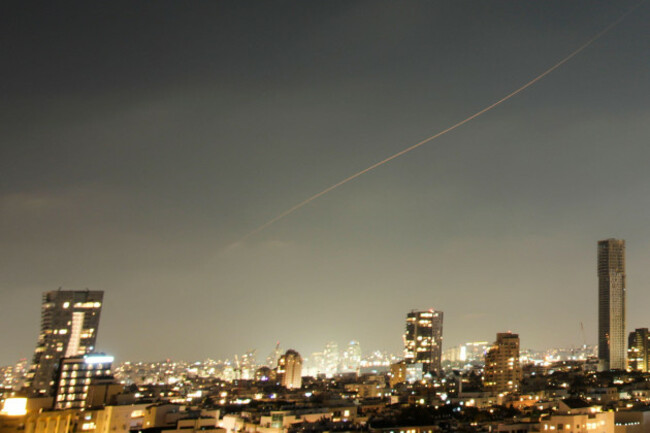
Some 100 days after the US and Israel began the war by bombing Iran, the country launched missiles 11 missiles at Israel on Sunday. All of them were intercepted and there were no casualties.
Tehran had warned of retaliation after Israel struck Beirut’s southern suburbs without warning earlier on Sunday in defiance of Washington’s request days ago to stand down. It was the first attack on the Lebanese capital since a ceasefire was renewed last week.
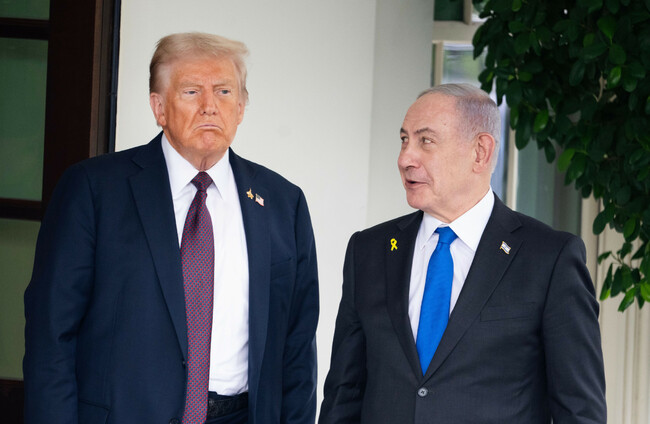
Israel’s strikes overnight came hours after US President Donald Trump called on Israeli Prime Minister Benjamin Netanyahu to refrain from retaliating.
The latest attacks included a strike on an Iranian petrochemical complex and a missile attack on Israel by Yemen’s Houthi rebels, the first since April.
The Houthis also declared a ban on Israeli shipping in the Red Sea, raising the spectre of a return to major disruption on the key route.
Israel’s IDF said it struck and dismantled Iranian defence systems deployed across several areas in the country.
Iran’s Revolutionary Guards said they had struck Israel’s Nevatim and Tel Nof air bases “in response to a missile attack launched by the Zionist regime”.
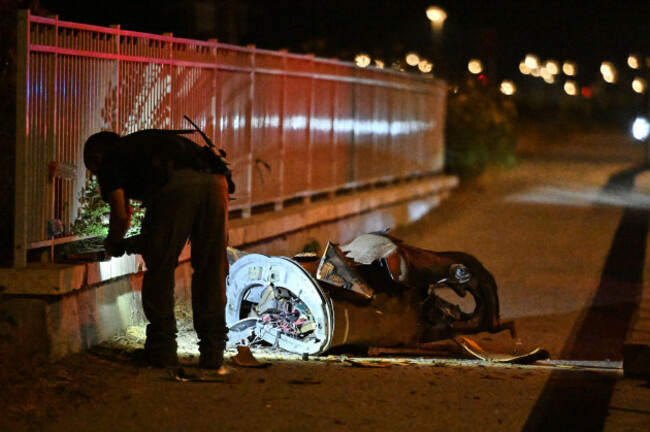
Strikes are continuing this morning. No casualties have been reported so far in either Israel or Iran.
‘I call the shots’
Speaking at a press conference in Tehran, foreign ministry spokesman Esmaeil Baqaei said Israel’s actions “cannot be separated” from US policies.
“No one believes that the Zionist regime would carry out any action without prior coordination and cooperation with the United States,” he said.
Baqaei said the resumption of hostilities in the Middle East war will have consequences for ongoing talks with the US “to put an end to this imposed war”. However, he said “diplomatic consultations are naturally continuing in all circumstances”.
Trump had sought to rein in Netanyahu and also called for calm from the Iranians, as Israel accused Tehran of making a “grave mistake”.
In a phone interview with Axios journalist Barak Ravid, Trump was quoted as saying “I am going to call Bibi right now and tell him not to retaliate”, using Netanyahu’s nickname.
“Israel had its strike and Iran had its strike. We don’t need another one,” Trump reportedly told the US news site.
In an interview with the Financial Times, he said of Netanyayhu: “I call the shots. I call all the shots. He doesn’t call the shots.”
In a separate interview with Fox News, Trump said: “What I would suggest to Iran: You’ve shot your missiles, that’s enough, get back to the table and make a deal.”
Ravid later posted that a US official said Trump spoke with Netanyahu, although the White House and Trump have yet to comment.
‘Legitimate targets’
The European Union’s top diplomat Kaja Kallas has urged calm and called on both sides to “sit down to a negotiation table and agree”.
China also called on the two sides to refrain from fighting, with foreign ministry spokesman Lin Jian saying that “resuming hostilities is not in any party’s interest”.
Tehran has insisted any deal to permanently end the war must also halt the parallel conflict in Lebanon, where Israel was pursuing a campaign against Hezbollah.
Iran’s Revolutionary Guards called its attack a “warning” after Israel struck Beirut’s southern suburbs earlier in the day, threatening wider strikes in the event of repeated aggression.
On Sunday, Netanyahu’s office announced the army had “struck a militant command centre in Beirut’s Dahiyeh district, in response to Hezbollah’s fire towards Israeli territory”.
The raid killed two people and wounded 20 more, Lebanon’s health ministry said.
Israel had warned it would hit the area should Hezbollah attack northern Israel, with the Iran-backed group later confirming having launched missiles and drones at a pair of Israeli army barracks early Sunday.
Mohammad Bagher Ghalibaf, Iran’s parliament speaker and its chief negotiator in talks with Washington, accused the US of having given a “green light” for the Beirut attack, saying US and Israeli assets were now “legitimate targets”.
The head of Iran’s military central command said Israel had “crossed all red lines” with the Beirut strike.
‘Everything is horrible’
The attacks sent crude prices surging more than 5% as hopes dimmed on any imminent reopening of the Strait of Hormuz, the crucial waterway for oil and gas transit which Iran has blockaded.
Iranians were also already feeling the strain of weeks of uncertainty.
“I really have gone numb,” fitness trainer Elaheh from Ahvaz told AFP.
“Daily life? It’s a joke. Everything is horrible. We only try to survive,” the 32-year-old added, pointing to rising prices.
There were some weekend signs of ongoing diplomatic efforts, with Pakistan Interior Minister Mohsin Naqvi visiting Tehran to deliver what he said was a “special letter” to Iran’s supreme leader, according to Iranian state television.
He has since travelled back to Pakistan, an official Pakistani source said today.
Iran said that “diplomatic consultations are naturally continuing” with Pakistan to end the war with the US, even after fighting resumed with Israel.