


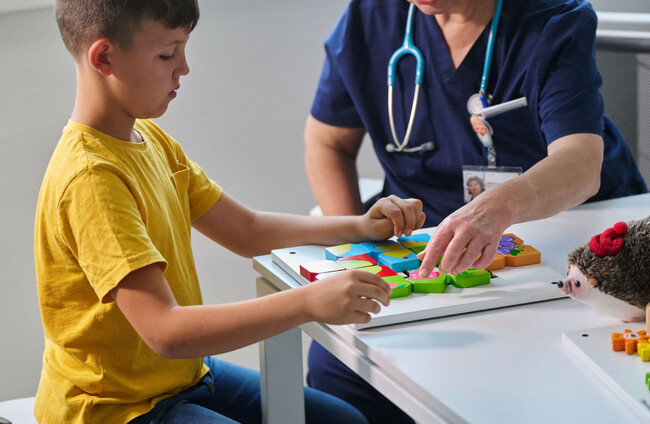

PLAY THERAPY IS receiving increasing attention in Ireland of late, while few would realise that its origins trace back to the early 1920s and 30s when Anna Freud & Melanie Klein developed the first models of play therapy.
Contemporary play therapy developed significantly in the US during the 50s, 60s and 70s. Here in Ireland, formal training of play therapists began in the 1990s when The Children’s Therapy Centre was first established by Eileen Prendiville. Nowadays, many parents are seeking play therapy for their children, yet parents are often unsure of how the process works.
It’s worth noting, too, that play is not only important in childhood — it is a human need across the lifespan. While play therapy is most commonly associated with children, playful, creative and expressive approaches can support therapeutic work with adolescents and adults too, helping people explore emotions, relationships and life experiences in ways that can feel safer and more natural than words alone.
As a clinician, I work with children and adolescents and am currently expanding my training to support adult clients in the near future.
Healing in a different way
As adults, when we struggle, we can communicate with words. We talk to a friend, a partner or a therapist. We try to explain what’s wrong. But children speak another language – they speak the language of play – and for children, this language is often more effective at communicating their experience than words alone.
During the play therapy process, children communicate their developmental needs and represent their world to the therapist through play. Play therapy can support children through a wide range of life challenges. A child may be struggling with anxiety, stress, low self-esteem, behavioural difficulties, friendship issues, family changes, loss or separation.
Parents or teachers may be concerned about a child’s emotional wellbeing or finding it difficult to understand what lies beneath a child’s behaviour. Some children may be neurodivergent and benefit from the close attunement, acceptance and flexibility of the therapeutic relationship.
Others may have experienced traumatic events, whether medical, relational or otherwise. Ultimately, play therapy offers children a safe space to process their experiences, strengthen their resilience and continue their natural development.
Sometimes parents believe that play therapy is a way we can “get children to talk about their feelings”, and sometimes children do use words, but they don’t have to. Rather, play therapy is a space for children to act out their feelings and communicate through the safe distance of metaphor.
As a Child & Adolescent Psychotherapist and Play Therapist, I see behaviour as communication, and I coach parents to connect more deeply with their children through play, playfulness and the development of deep attachment bonds.
Play supports social engagement; it facilitates shared experiences and bonding with others. Even as adults, we still need play to enhance joy and social connection. For children, play is more than a way to experience positive social connections. It’s through play that children develop mentally and physically.
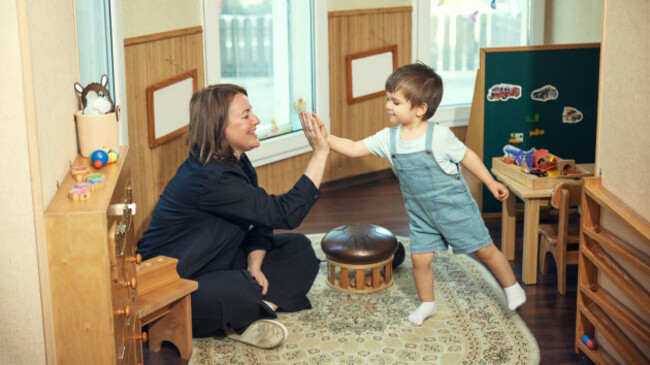
The primary developmental task is to develop a sense of themselves as an embodied self through sensorimotor play experiences. Through imaginative play, children experience emotions and relationships, coming to understand how the social world operates and the role they can play within society.
When it comes to life’s more challenging or even traumatic experiences, play and an established therapeutic relationship provide children with a safe space to revisit, express and understand such difficult experiences. Play is the primary way children develop themselves, process emotions, learn, and make sense of the world.
A relationship that supports growth
At the heart of play therapy is not simply play, but a relationship. Children develop best in the context of safe, attuned relationships. In therapy, the child experiences the therapist as emotionally available, accepting and responsive without judgment or pressure.
One child I worked with was struggling with additional needs, social exclusion and the transition into her teenage years. Although our work together was relatively brief, we developed a deep therapeutic relationship.
During her time in therapy, she experienced what it was like to feel truly seen, understood and valued by someone outside of her family. Over time, she became more playful, more confident in herself and more able to draw on her strengths when facing the challenges in her life.
Her circumstances had not changed, but her relationship with herself had. Her resilience grew, and she was better able to navigate the difficulties she faced. Play therapy is not about “fixing” children or removing life’s challenges; it is about helping children discover and trust the strengths, resources and worth that already exist within them.
Growth and development cannot be rushed; self-acceptance, emotional safety and guidance from adults are the seeds of children’s natural evolution. Play therapists connect with children and delight in them, exactly as they are. As children develop a deepening experience of trust and safety in the therapy space, they also find this in their own bodies – in themselves.
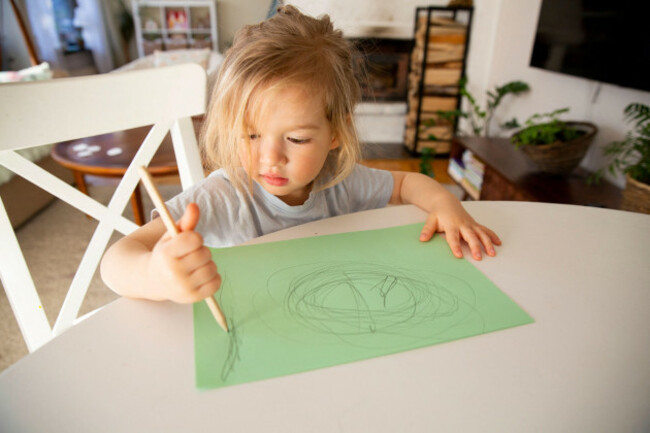
As such, the relationship with the therapist becomes a support to a child’s growing sense of self in relationship with the world. During the process, the systemic work of play therapy will support parents to bring this therapeutic style of parenting back home.
Before I meet each client, I spend some time clearing my mind and body of anything I might be carrying from my own life to truly be open and emotionally available to adapt to the world of each child. During the session, I either join children’s play or accompany them with brief reflective verbal responses. I need to be flexible and ready to move with them as they navigate the expression of their inner worlds, whether through explorative, sensory, storytelling, aggressive release, or nurturing play.
My role is to be with them while providing them with safety, empathy and insight. If I start to become stressed, then I cannot do my job, and in that sense, I’m always monitoring my own body and feelings as well as connecting with the children – often our feelings are similar, as we connect through the shared world of play.
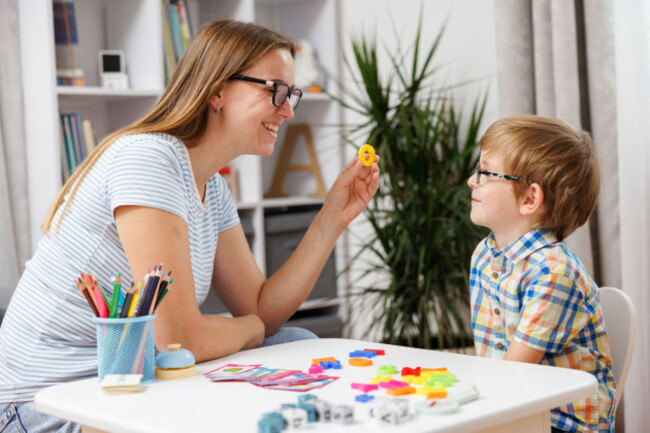
Play therapists welcome children to generally express themselves without inhibitions, though limit setting does need to occur and can provide a deeper sense of feeling “held” by the therapist. A child who is coming to therapy because their parents struggle to contain acting out behaviours, doesn’t truly believe his big behaviours are accepted if he can’t find the limits to them.
For some children who tend to “act in”, who may be quieter or withdrawn, encouragement to make a mess and let go of what they are holding may be what’s needed, yet mess-making is always contained within the limits of what the therapist can genuinely accept. It is in these moments of acceptance and neutral limit setting that the relationship between the child and therapist becomes real and trusting.
How it works
Play therapists are trained to meet children and their needs through the language of childhood, that of play. Rather than asking a child to explain what’s wrong, we provide a safe, supportive space where they can use play, through drawing, storytelling, movement, and symbolic play, to express themselves in ways that feel natural and within their control.
A play therapy room is stocked with a range of play materials that reflect different stages of play development and developmental themes. These may include sensory-embodiment materials that allow a child to explore their body through their senses and movement; projective materials that allow a child to express and explore their inner world through miniatures, creative materials, dolls and puppets; role-play materials that allow children to explore real-world roles, relationships and experiences; constructive, mastery and challenge materials that help children develop a sense of competence, confidence and capability; and games that support children to navigate emotions and relationships through both competition and collaboration.
The process begins with a series of parent meetings which combine information gathering, assessment, goal setting and parent resourcing. A good therapist will assess the readiness for therapy, ensuring the needs of the child and family system are adequately met before entering into the therapeutic process.
While therapy space can be a support for difficult periods, traumatic changes, or events cannot happen until they are fully over and the dust has settled again. Processing a traumatic event means re-experiencing it with added resources and a sense of safety so that sense can be made of the past, overwhelming feelings can be discharged, and a sense of the world being safe and the child being equipped can be regained.
Therapy, like growth and development, is a gradual process, with research into child-centred play therapy suggesting 30–40 sessions being average for a neurotypical child to complete a full process. However, children can and do display rapid growth when conditions are supportive in the child’s wider life. Brief interventions are also possible; therapists will work within the scope of your family’s resources. Since time limitations inform how a therapist will work, have that discussion early.
Therapy for the child begins with a bridging session where parent(s) and child attend. I use this session to convey to the child/young person what I know about them from parent meetings and to provide information that structures the use of the space for the child. Usually, sessions two and onwards are child-only sessions, unless the child needs a slower separation from their parent or a process designed to involve the parent(s) and child together for part or all of the intervention.
Parent review sessions are scheduled regularly during the process and allow the therapist and parent(s) to explore the child’s wider life and support the parent(s) and/or teacher(s) relationship with the child. This is informed by thematic insights from the child’s play, which help to guide a deeper understanding of the child’s needs.
Therapy begins with a trust-building and assessment phase before the working phase emerges as the child begins to express themselves more fully. A therapist may work fully child-centred and/or may bring in some play invitations for the child to choose during the working phase.
Once the therapeutic goals are achieved, a discussion around whether to continue (with new goals) or whether to wind down sessions. Termination of therapy is a process which is handled sensitively and includes the child’s voice. This is to ensure that ending therapy does not feel like a relational rupture, as the child’s relationship to their therapist can feel very special and important. Sometimes a child resists therapy, and resistance should be explored in conversation with your therapist.
Through play, children find a level of emotional safety, containment and empowerment that provides them with the right conditions to revisit and make sense of the challenging parts of their experience, times when they may have felt vulnerable or overwhelmed, and to practice being their future, more empowered and developed selves.

Since children are less verbal than adults, play provides children with a medium to externalise and understand themselves and their lives to find empowerment and growth without being aware that they are doing anything other than playing with a lady who finds them more fascinating than most other adults they have met.
All that sounds very purposeful and feeds our adult desire for productive outcomes for our children, yet we all can remember the joy and lightness of being that play and playfulness provide, and that in itself is a vital need for children and their families.
As play therapists, we promote playfulness as a human need and natural stress relief. A playful attitude to life can greatly support well-being for all ages. As a clinician, I never cease to be amazed at the change that can happen, almost magically, through the peace, joy, hope and love that children absorb from the space.
Isabelle O’Kane is a Child & Adolescent Psychotherapist specialising in Play Therapy and founder of The Heartfelt Guide in Dublin 2. Isabelle is a member of the Irish Association of Play Therapists and Psychotherapists (IAPTP), the Irish Association of Humanistic & Integrative Psychotherapists (IAHIP). Follow Isabelle on Instagram, Facebook and learn more at TheHeartfeltGuide.com.