












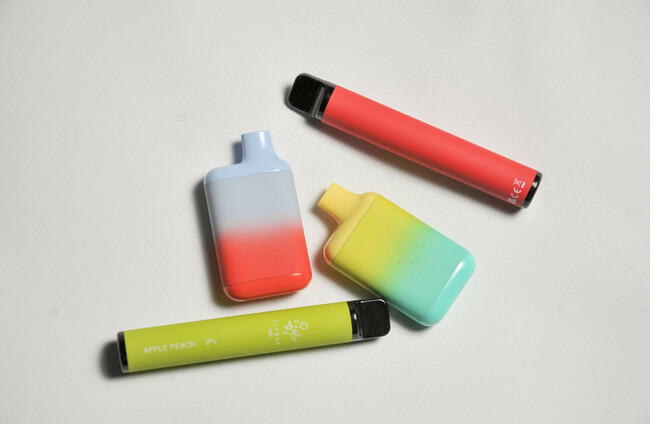
PINEAPPLE ICE, WATERMELON strawberry, double apple – these are all vape flavours currently on sale in Ireland, whether that’s in designated vape shops or your local supermarket.
For years, there has been concern that these fruit-themed names, as well as bright and colourful packaging, have caused the strictly adult nicotine product to appeal to children.
This evening, a Bill seeking to change the packaging, appearance and flavours of vapes will reach the fourth stage in the Dáil.
The Public Health (Tobacco Products and Nicotine Inhaling Products) (Amendment) Bill 2026 seeks to regulate the appearance of vapes to reduce their appeal, as well as providing for further enforcement measures for related offences.
Most significantly, the Bill would provide for only two flavours of vape to be legally sold in Ireland: tobacco and unflavoured.
The government hopes that removing the flavour will limit those who vape to the “intended” audience, that is people trying to quit smoking tobacco.
But does it work?
If the Bill makes it into law in its current form, we won’t be alone in the banning of flavours. Nine countries have cracked down on flavours like fruit, sweets and mint, which are seen as most appealing to young people.
Finland was the first European country to implement a ban back in 2016, only allowing tobacco flavoured vapes. Estonia only allows tobacco and menthol flavours as of 2020, as does Denmark, as of 2022.
Lithuania, Hungary, Ukraine, Slovenia, Latvia and the Netherlands all followed suit.
In the Netherlands, one study of people who had used vapes before the flavour ban found 40% of the 1,005 respondents reduced vaping, including 22% who quit entirely.
Most people (73%) who quit post-ban didn’t use a substitution product, although 6% of all participants took u0p cigarette smoking and attributed to the ban.
The ban didn’t stop everyone from using banned flavours, of course, and 36% of those who continued to use banned flavoured purchased them in physical shops abroad.
The study concluded that the ban did effectively reduce vape use, although the overall impact was dampened by people’s ability to purchase flavoured vapes abroad. Separate research published this year showed that 87% of Dutch vape users were using illegal vapes – either purchased legally abroad or secured through illicit channels in the Netherlands.
Hundreds of Dutch shops continue to sell illegal vapes.
In Ireland, people against the ban have argued that it will drive users to similarly source illegal vapes through illicit channels, where the nicotine content could be unknown, and the vape could be unsafe.