









MORE THAN 26 million suspected scam calls were blocked by Three Ireland last year.
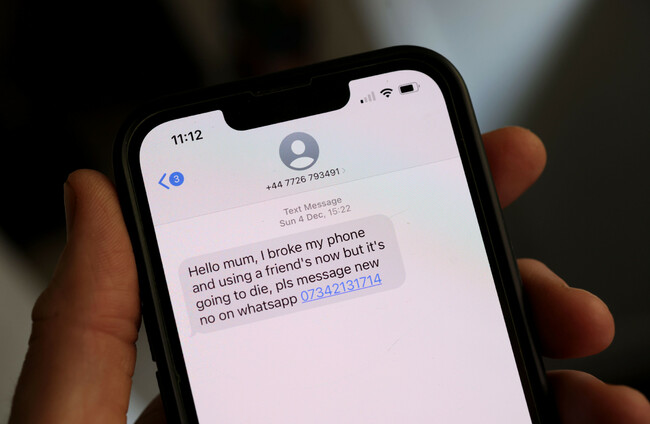
The mobile network says it also intercepted over 455,000 fraudulent text messages.
The new figures show the sustained volume of scam activity targeting consumers.
On a single day alone – Friday, 8 May 2026 – more than 27,000 scam calls were blocked on Three’s network, while over 5,000 suspicious calls were flagged to customers with a “possible scam” warning.
Tom Kinsella, Three Ireland’s chief consumer officer, said the company is trying to be proactive about blocking scam calls and texts for customers.
“Scam calls and messages are becoming increasingly sophisticated, and unfortunately more common,” he said.
“While we intercept large volumes of suspicious activity, vigilance remains key.”
A typical scam might involve a customer receiving a call from what appears to be an Irish mobile or landline number, with the caller falsely claiming to be from their provider.
They may create urgency – for example, relating to an account issue or a promotional offer – and attempt to obtain security codes or personal details.
Kinsella said customers should always be cautious of unexpected calls or messages and never share personal or account information, including one-time security codes.
“We continue to invest in our network and systems to proactively detect and block fraudulent activity, while working across the industry to tackle this growing challenge,” he added.
This includes real-time monitoring of suspicious activity, automated detection of “spoofed” numbers, and intervention to cancel unauthorised activity before impact.
Earlier this week, the consumer protection watchdog has warned the public of a predicted spike in scam communications, as new customs charges are coming into effect on 1 July.
These scam texts may pose as a delivery or postage company asking the recipient to pay a fee.
From next month, deliveries shipped from outside the EU that are valued under €150 are no longer exempt from customs charges. A €3 fee will be applied to each item in an order.
The Competition and Consumer Protection Commission (CCPC) is concerned that a spike in scam text messages will follow the change.
Fraud and economic crime have risen sharply in recent years, with An Garda Síochána reporting a 137% increase in fraud offences in 2025.