


IRELAND’S POPULATION IS ageing rapidly. According to Ireland’s Central Statistics Office (CSO), the number of people aged over 65 increased from 569,000 in 2013 to more than 806,000 in 2023, a rise of over 40% in just a decade.
This is projected to reach approximately 1.6 million by 2051. As people live longer, the conversation around healthy ageing is becoming more important and urgent. The focus can no longer be solely on lifespan, but on maintaining quality of life, remaining active, independent and staying socially connected for as long as possible.
Promoting healthy ageing through community-based exercise and social support programs is becoming an increasingly important public health priority. The question is whether we are doing enough as individuals, and whether enough support and opportunities are available within our communities.
According to the 2024 Healthy Ireland report, only about 33% of adults aged 65-74 and 18% of those aged 75+ were meeting physical activity recommendations. Long periods of sedentary behaviour are strongly associated with poorer health outcomes and chronic diseases.

We know that regular physical activity can reduce the risk of cardiovascular disease, diabetes, falls, frailty and cognitive decline. Yet for many older adults, the challenge is not understanding the benefits of exercise, it is finding an environment where they feel safe, supported and can sustain exercise habits. That is where community-based interventions can make a significant difference.
Movement in older age
Exwell Medical is a social enterprise that offers structured exercise programs to people all over the country. Exwell was founded by Dr Noel McCaffrey on the principle that exercise should be accessible to everybody regardless of age, fitness level or medical history.
It is a fantastic national initiative, providing supervised group exercise classes tailored for people living with chronic illnesses and those entering their later years. The exercise programs bridge a very important gap between healthcare and everyday living, giving people the opportunity to exercise in a supportive, non-clinical setting.
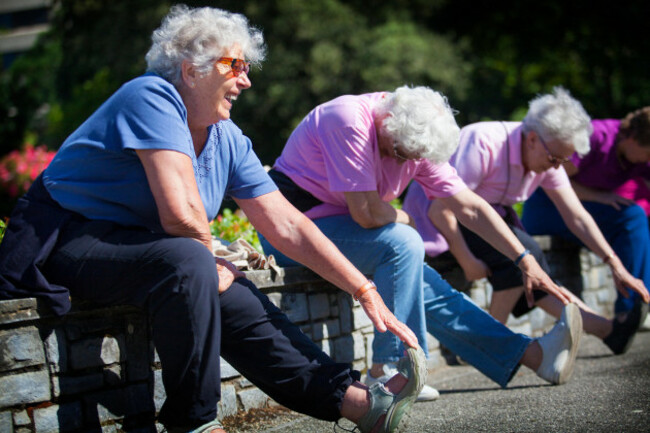
Exwell operates through a medical referral system so that participants can be screened and invited to an induction assessment before joining a class. This ensures that everyone can exercise safely and appropriately based on their health needs.
You can be referred to classes by your GP, physiotherapist, public health nurse, or another healthcare professional who has access to your medical history. Classes typically run weekly or multiple times per week, depending on your location. Sessions are usually just under an hour and consist of a combination of aerobic exercise, such as walking, cycling or rowing, alongside resistance training using weights. There is also a strong emphasis on social interaction. It is a hugely positive initiative and one I regularly refer patients to.
Siel Bleu Ireland is an Irish charity and social enterprise that also provides exercise classes for older adults and people living with chronic conditions such as Parkinson’s, COPD, stroke recovery, dementia and cancer. They offer online classes, community-based group sessions, one-to-one home visits, and programmes in care homes and day centres across Ireland.
Go for Life is Ireland’s national physical activity programme for older adults. The programme aims to help older people stay active, healthy, independent and socially connected. It operates nationally across Ireland through local community organisations, sports partnerships and groups with a focus on healthy ageing. It is worth checking out what is happening in your county or the surrounding area. Community centres, local Active Age groups, health services, and community noticeboards are good places to find information and guidance about exercise options in your local area.
Don’t be intimidated
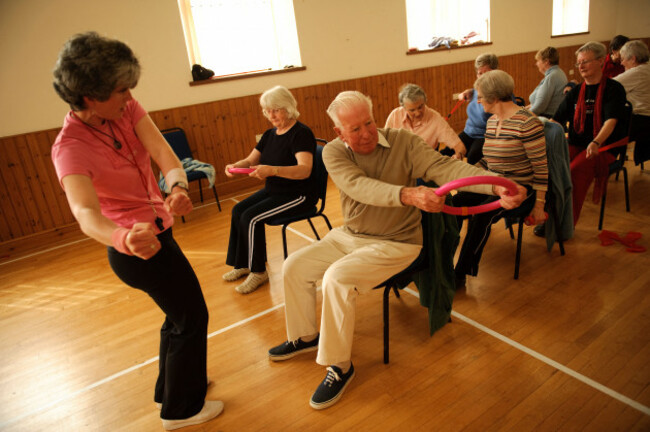
For an older adult getting started with exercise, the key is to begin gradually and choose activities that are enjoyable, as this makes it easier to stay consistent over time. Low-impact activities such as walking, chair-based exercises, gentle strength training, stretching, swimming, dance or balance classes can help improve confidence, mobility, strength and overall health.
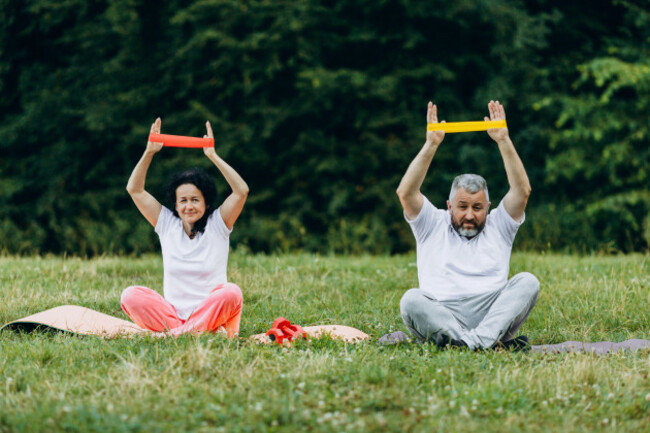
Start small and build up slowly at a pace that suits you. Community exercise classes are a great way of creating connection too. Research consistently shows that social isolation and loneliness are major risk factors for poor health outcomes among older adults. Friendships develop over after-class tea and biscuits, and people who may previously have been hesitant about physical activity begin to see movement as less of an obligation.
The “Every Move Counts” campaign, introduced in 2024 by the HSE and the Department of Health, stressed the importance of regular activity. It was the first time Ireland introduced specific national guidelines on sedentary behaviour alongside physical activity recommendations. The message is clear and simple: any amount of movement is beneficial for health and better than none.
It is important for people of all ages to sit less and move more. The challenge now is accessibility and long-term public investment. Community-based exercise interventions cannot rely solely on charities, volunteers or short-term funding cycles if they are to meet the needs of Ireland’s growing older population. We need sustained national investment in accessible public facilities, including community gyms, walking spaces, public spaces and public swimming pools, alongside national rollout of national pilot programs that harness class-based intervention for common complaints like knee pain and back pain.
Reports such as the 2025 Swim Ireland Pool Gap Analysis highlight how limited public infrastructure continues to restrict opportunities for people to stay active across the lifespan. The evidence is increasingly clear that exercise is not simply an optional lifestyle choice in later life; it is a cornerstone of healthy ageing.
Investing in these services now is not only an investment in quality of life, but in the long-term sustainability of our health system. Access to public facilities such as swimming pools, exercise programmes and community health services should not depend on geography or the need for private membership, but be recognised as an essential part of equitable public health infrastructure for all communities.
And for many people, the first step toward healthier ageing begins not in a hospital or specialist clinic, but in a local community setting alongside others on the same journey.
Stephen O’Rourke is a Clinical Specialist Musculoskeletal Physiotherapist at the Mater University Hospital, Dublin, with a specialist focus on spinal care and low back pain. He is also a guest lecturer at the Royal College of Surgeons in Ireland and is a health contributor to TheJournal.ie.