


Your TikTok feed might have you thinking in-flight skincare is just another passing trend, but I beg to differ.
There’s a very real environmental shift on board your summer flight. Airplane cabins typically have extremely low humidity levels, which accelerate transepidermal water loss and weaken the skin barrier.
There’s no need for a 10-step routine, but a focus on protection, hydration, and barrier support will do wonders for your skin, ensuring you arrive to your holiday destination with glowing, hydrated skin.
These are the steps I take and the products I use to stop my face ending up like a withered prune after a flight — and to help avoid that dreaded post-flight bloat.
1. Turn off the air vent
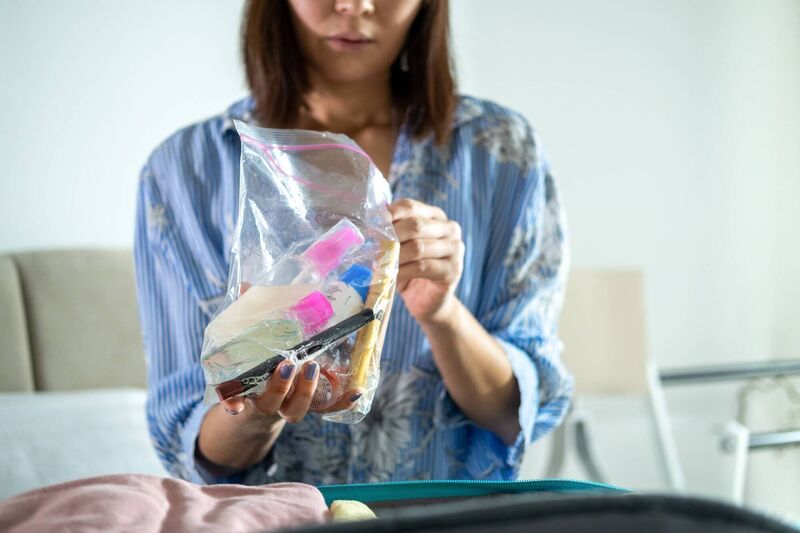
Immediately after take off, turn off the air vent as it makes dry conditions even drier.
2. Snack and sip wisely
Cabin humidity levels sit at around 20%, significantly lower than what we’re accustomed to on the ground. To counteract this, pick up an orange juice, coconut water or a ripe banana as they’re packed full of potassium to restore your fluid balance.
Drink plenty of fluids throughout your flight. Mineral water and coconut water are excellent choices, while electrolyte supplements can help replenish hydration more efficiently than water alone.
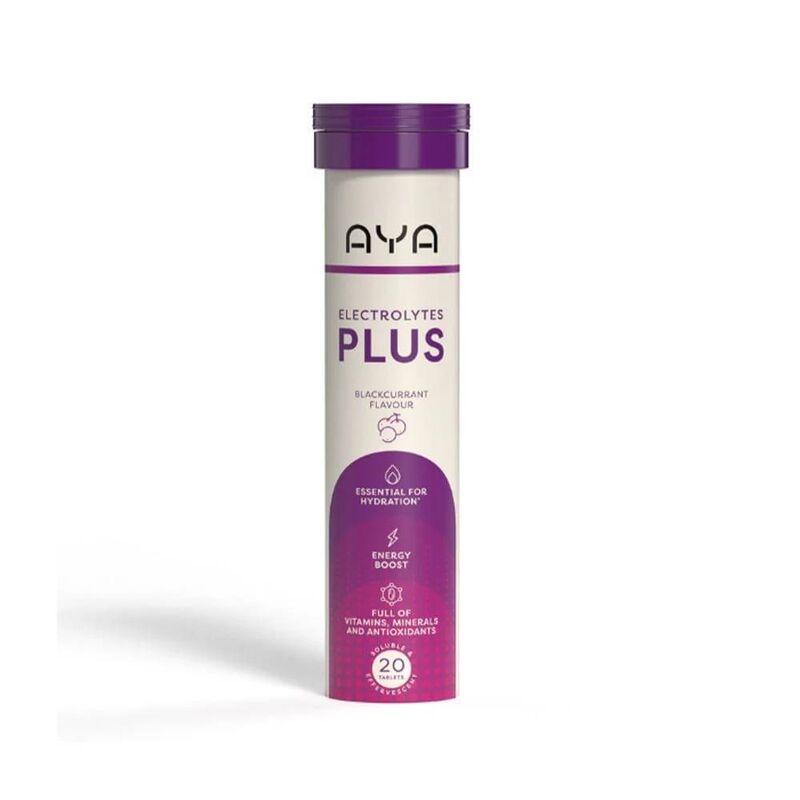
Personally, I never travel anywhere without my Aya Electrolytes (€8.55, Lir Pharmacy). Flying is inherently dehydrating, and electrolytes also help with other common travel complaints such as muscle cramps, digestion and post-flight fatigue.
I also opt for lean protein-based meals before departure and avoid overly salty foods, as excess sodium can increase water retention. I find Sylliflor from Roca Healthcare (€24.95 for 30 sachets, evergreen.ie) another useful travel companion. It’s a psyllium husk high fibre product meaning it regulates the bowels, naturally, and avoid the post-flight bloat.
3. Remove your make-up
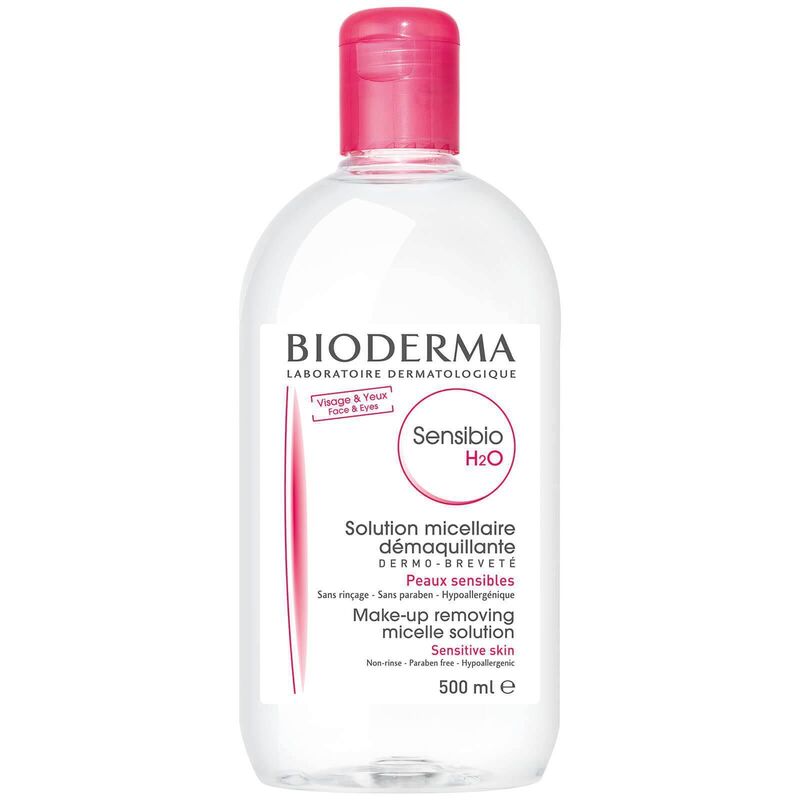
Keeping skin makeup-free allows it to stay as hydrated as possible during the flight. If you can do some skincare before take-off, my advice would be to cleanse with a micellar water (my go-to is a gentle one like Bioderma Sensibio, €8.50, 100ml, Boots), and follow with a soothing facial mist (I love Avéne’s thermal water, €7, 50ml, Boots), a hydrating serum and a nourishing moisturiser designed to support the skin barrier.
4. Be cautious with sheet masks
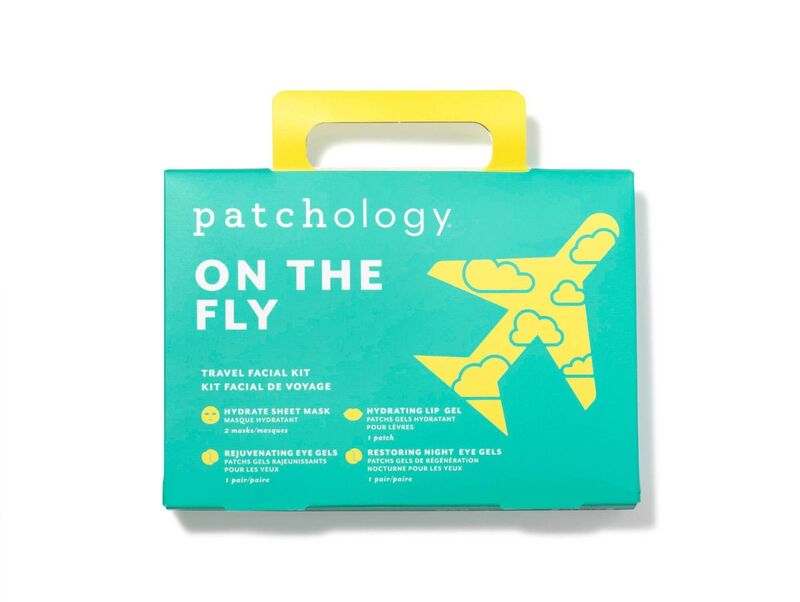
Many sheet masks contain humectants, which attract moisture from the surrounding environment. Because cabin air contains so little moisture, failing to apply a moisturiser afterwards can actually leave your skin feeling drier. So, if you use a sheet mask, ensure you seal in any remaining serum with a moisturiser.
Patchology has an excellent in-flight mask range (€20, millies.ie).
5. Give yourself a facial massage
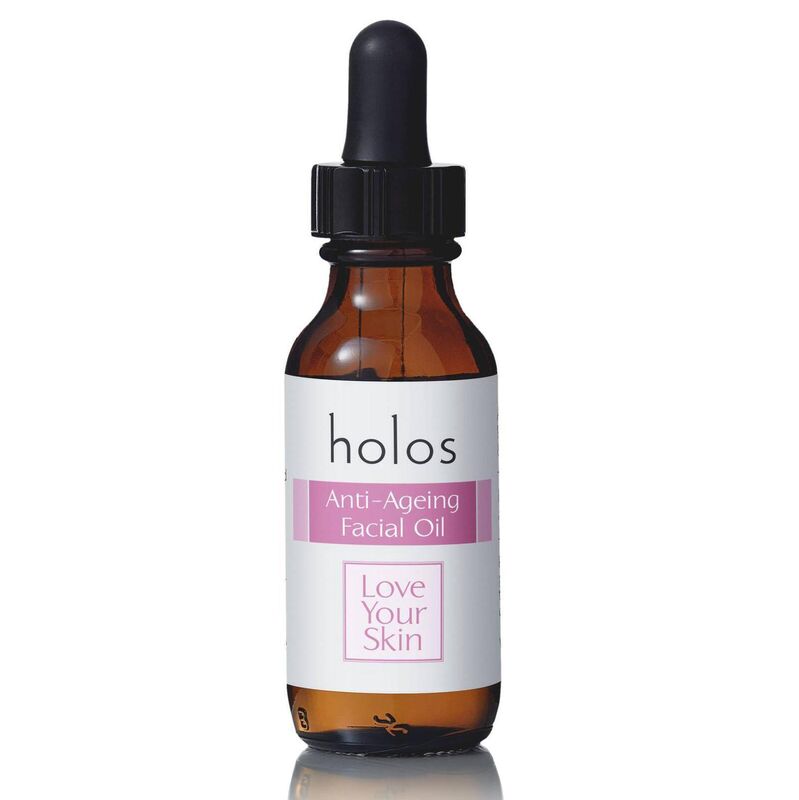
Got some free time? A facial oil with a DIY gentle lymphatic massage is a great way to prevent puffy plane facial. I use Holos’ anti-ageing oil (€30, Meaghers Pharmacy).
6. Don’t skip SPF
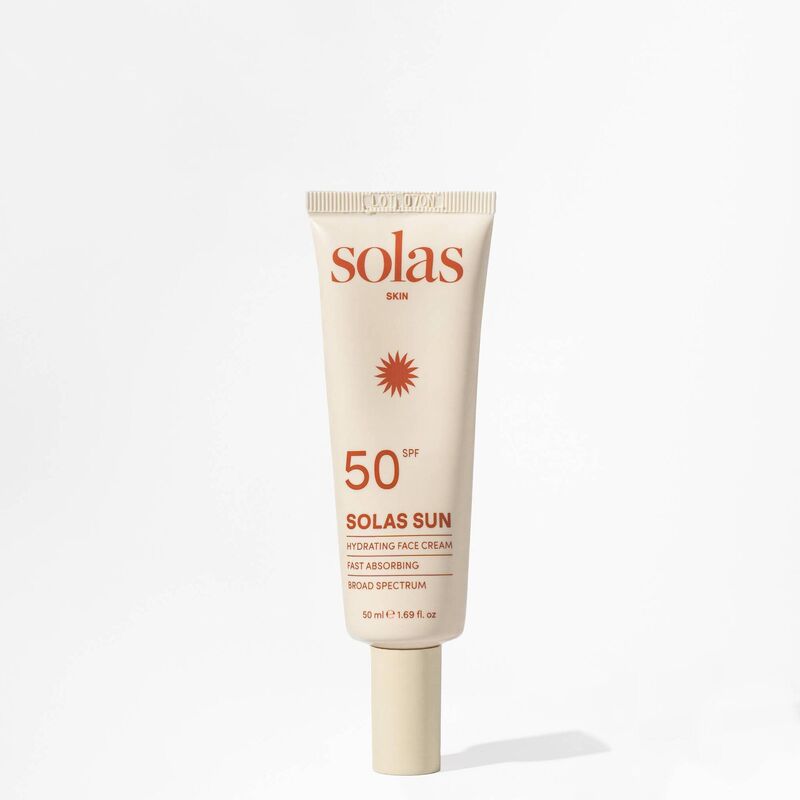
You still need your SPF, as UVA radiation is even higher at altitude and airplane windows don’t completely block UVA radiation. (Pilots and cabin crew have approximately twice the incidence of melanoma compared with the general population, according to research published in 2015).
I’m currently loving Solas Skin SPF 50 (€34.99 for 50ml, solasskin.ie), which feels more akin to a lightweight Korean sunscreen than a traditional SPF.
For additional protection, layer a Vitamin C serum underneath — I love Poco Beauty’s Universal Glow Serum (€32, 40ml, Brown Thomas) for extra antioxidant protection.
Apply it regularly, especially if you’re in a window seat with light reflecting off clouds and snow fields, and don’t forget other exposed areas like the hands, neck, eyes, and lips.
After landing, skin often appears dull, tight, or inflamed. That’s the result of dehydration and barrier stress, not damage that can’t be reversed so fear not. Keep focusing on repairing the barrier and hydration and your skin will soon be restored it to its former glory!
此内容由惯性聚合(RSS阅读器)自动聚合整理,仅供阅读参考。 原文来自 — 版权归原作者所有。