








Whether ticks in grassy areas, jellyfish in seawater, or under-cooked meat from the barbecue, summer brings its own health hazards. With school almost out, we asked GPs how we can better protect children from summertime nasties.
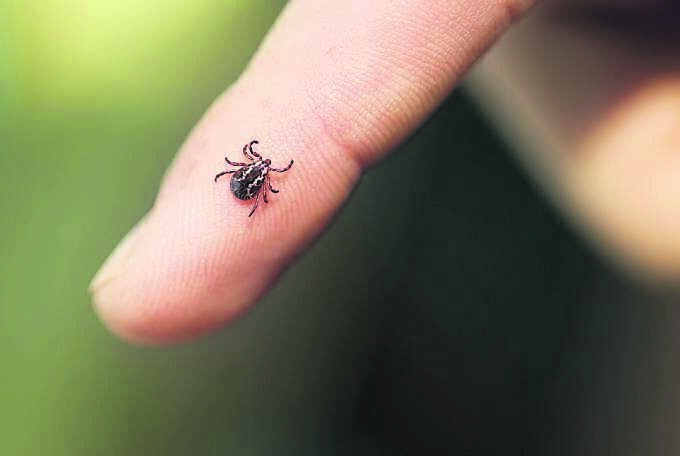
Ballincollig-based GP and deputy medical director of Irish College of GPs (ICGP) Dr Suzanne Kelly says ticks are particularly active in late spring and early summer when families are enjoying the good weather in parks and woodlands — often wearing shorts and sandals.
“Ticks are tiny. They feed on the blood of humans and animals, which is why they attach to exposed skin. They grow bigger on feeding so it’s easy enough to see them on white skin,” explains Kelly.
To prevent tick bites, she recommends covering up — long trousers and sleeves, plus socks, if you’re going to be in grassy areas or hiking in mountains. “Spray exposed areas with an insect-repellent containing DEET — let it dry before you go out,” says Kelly.
You won’t feel if a tick attaches, so it is vital to check everybody for ticks in the evening of the day you were out. “Ticks don’t do much harm if found and removed on the same day. The danger is Lyme’s disease, but this can only be transmitted if the tick itself has got the disease from an infected animal — and only if the tick has been attached to you for more than 24 hours.”

Kelly says Ireland’s Lyme disease rates are low — 10-15 cases a year.
While ticks are most likely to attach to an adult’s legs, they often target the neck, head area, and armpits in children. “You really have to check children’s hairline, neck, and ears.”
She warns against flicking off a tick — part of it may remain lodged in the skin. Instead use clean tweezers to grasp the tick as near to the skin as possible and to slowly ease it off. “If you don’t have tweezers, slide the edge of your credit card slowly between the skin and the tick to gently lift it off.”
In the case of the tick being attached for more than 24 hours, seek medical help.
After-care involves washing the area with soap and water and disinfecting it. “Look out for any swelling or redness in the area of the bite for two to three days afterwards.”
Jellyfish stings
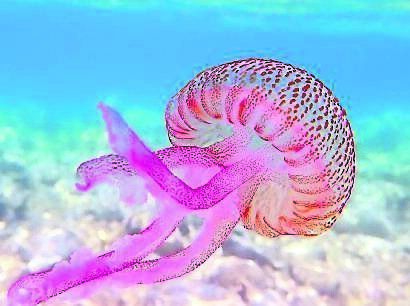
Very common in Irish coastal waters in July and August, the majority of jellyfish — while they can sting — are not dangerous, says Kelly.
“They’re often found in warm shallow water at the edge where young children play. They’re clear, transparent, and have tiny tentacles that attach to skin, releasing venom and causing pain and soreness. You’ll realise your child has been stung because they’ll suddenly become extremely distressed.”
Kelly recommends:
“Most lifeguards will quickly respond with hot water. If there isn’t a lifeguard, get hot water from a [nearby] food truck.”
Seek medical assistance if your child becomes very unwell after being stung, for example, by a more dangerous and rare lion’s mane jellyfish.
“With basic treatment, jellyfish stings have no lasting effects,” says Kelly.
Holiday anxiety
Kelly has seen parents hype up family trips abroad, unaware their child is very anxious about this unknown departure from familiar routines.
And the child’s anxiety can be compounded by feelings of guilt when they see parents and siblings excited by the upcoming holiday. “There may be quite a lot of emotion because of a holiday,” says Kelly, who advises:
Dehydration
Know the signs and symptoms, says Dr Paul Ryan, therapeutics lead with the ICGP. “They include not passing urine, passing less urine than usual, dark-coloured urine. In babies, fewer wet nappies than usual — or the wet nappies may not feel as heavy. The child may have less energy, be less responsive.

“Also look out for dry mouth, lips or eyes,” says Ryan, a GP at Mayfield Family Practice, Cork.
With young babies and under-sixes generally at greater risk of dehydration, Ryan encourages parents to ensure good fluid intake and to keep children out of hot sun.
“The amount of fluid depends on how old the child is, how active they are and how hot the weather is,” he says, adding that a general guide would be six to eight glasses of fluid daily for one-to four-year-olds, rising to 10 glasses for over-fours — preferably water.
Parents should seek GP help for dehydration if the child’s under six months, or isn’t improving after being given fluid.
Sunburn
Children generally get sunburn, not because they didn’t apply sunscreen first thing when they went in the sun, but because they forgot to reapply it after two hours, or after coming out of the water, says Ryan.
He emphasises taking preventive measures seriously. “Have kids wear wide-brimmed hats and wraparound sunglasses. All-in-one suits are brilliant. Choose clothes with a UV label to block the sun’s rays. Apply SPF50 plus on children — ensure it blocks both UVA and UVB rays.”
And if they get sunburned?
“Get them out of the sun. Cool the sunburnt area with a cool bath, shower, or damp towel. Get fluids into them. Replace lost moisture and soothe sunburn with after-sun lotion or a spray — some contain aloe vera.”
Sunstroke
Severe sunburn can lead to heat exhaustion or heatstroke, warns Ryan. “With heat exhaustion, the patient can feel dizzy, light-headed, weak, or have vomiting.”
Heatstroke can cause symptoms such as fainting, headaches, dizziness, confusion, racing pulse and heart. “If the child has a high body temperature — 40C — ring 999 or go to A&E.”
For both conditions, Ryan advises cooling skin with a damp towel.
Food poisoning
Ryan explains the three main causes:
To avoid food poisoning, Ryan recommends encouraging children to wash and thoroughly dry their hands with soap and warm water. “Especially before handling any food, after handling raw food, after going to the toilet, after touching the bin or after touching an animal.”
Symptoms of food poisoning include abdominal pain, nausea and diarrhoea. Seek medical advice for babies under six months, or if there are signs of severe dehydration, blood in stools, or persistent symptoms.
此内容由惯性聚合(RSS阅读器)自动聚合整理,仅供阅读参考。 原文来自 — 版权归原作者所有。