








When I first heard Florence Road played consistently on Irish radio, I was sure I was listening to a British or American act. It was so unexpected to hear a female-fronted Irish band on mainstream airwaves. For the last 30-odd years, The Cranberries were practically the only female-fronted Irish band in regular rotation, despite the presence of acts like Pillow Queens, NewDad, and Sprints.
That moment of confusion says everything about what Irish radio sounded like over the past few decades: hearing women’s voices front and centre was the exception, not the norm.
For years, artists raised concerns about the homogenised landscape across Irish broadcasting. Through Why Not Her?, we published reports and highlighted the lack of visibility for women, female-fronted bands, and diverse performers.
Broadcasters often claimed audiences preferred male voices or that not enough women released music to justify greater airplay. "Change," they said, "would take time and radio was simply reflecting listener demand."
The data rarely supported those fabrications.
Internationally successful artists like CMAT, Biig Piig, Orla Gartland, and Rejjie Snow often found more support abroad than at home. The issue was never talent — it was whether the industry was willing to recognise it.
Over the years, Why Not Her? reports have shown some stations featured as few as zero to three women on their annual playlists. This year’s Irish Radio Report is different: women and female-led Irish acts made up 35% of chart entries across some of the leading national and commercial stations, signalling real progress for the industry and for everyone working within it.
For much of the last decade, women and diverse artists in Irish music were often treated as exceptions. The occasional success of artists like CMAT or Jazzy was used to suggest the system was working, even when wider patterns showed otherwise. Many signed female artists still have to work harder, self-fund, and build their own routes to visibility.
What sets this year’s findings apart is that, instead of isolated breakthroughs, we’re finally seeing a wider trend — a real cohort of artists like Winnie Ama, Cliffords, Florence Road, KhakiKid, and Jordan Adetunji becoming regular features on Irish radio, not just rare additions.
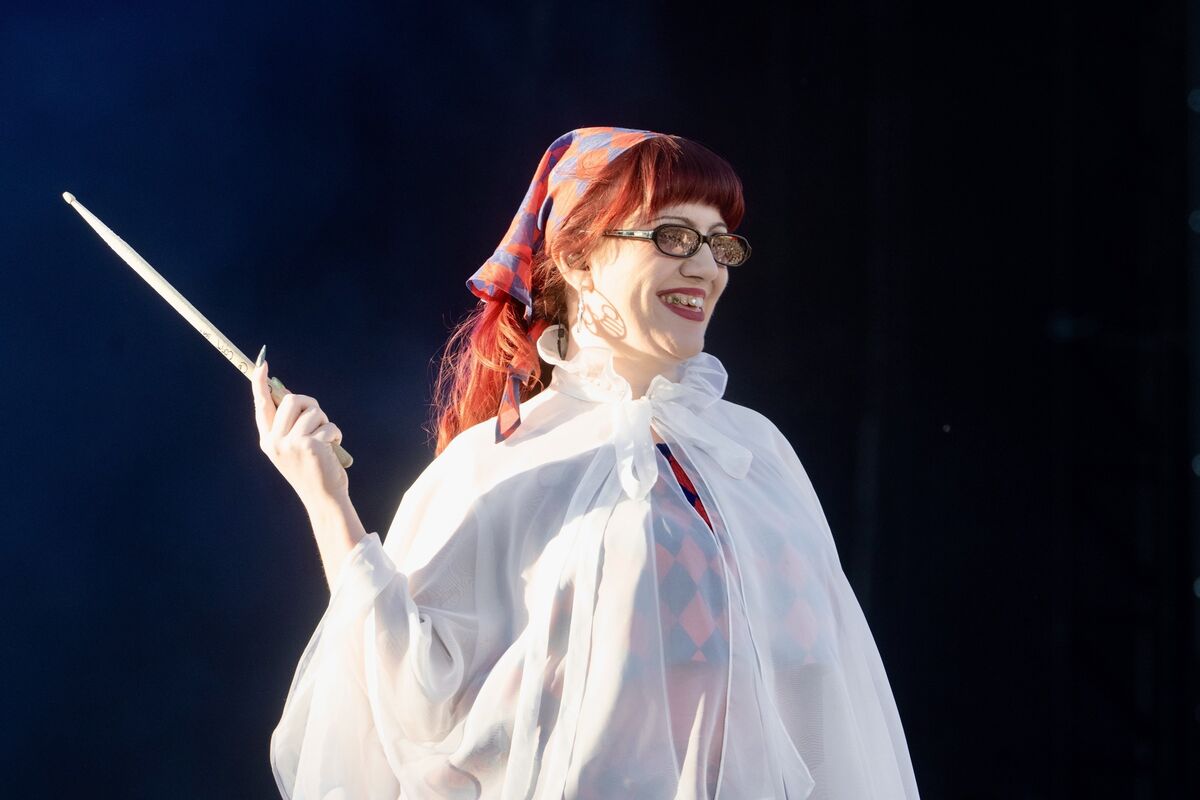
Florence Road exemplifies both how far Irish radio has come and how far it still has to go. Before becoming the most-played female act on Irish radio, the Wicklow band was already supported by UK broadcasters. Their rise reflects a familiar pattern where recognition abroad precedes support at home.
Not long ago, conversations about Irish radio centred on who was absent. Today, the conversation is shifting — finally, it’s about who is being heard.
Who gets played on the radio helps shape the culture we live in. For young girls across Ireland, hearing women’s voices across genres says, "You belong here." Representation is about possibility — no one can aspire to what they never hear.
The latest report points to another crucial shift: Irish radio is finally starting to sound more like modern Ireland. There’s growing visibility for black Irish artists and musicians from a range of backgrounds. This change reflects the country itself.
Ireland has transformed over the last two decades, becoming dramatically more diverse. For too long, the music industry lagged behind, even as social media let artists find fans beyond traditional gatekeepers.
Now, the latest data shows that gap is finally closing. And as social media restrictions emerge, radio could again become one of the most powerful forces in shaping culture and deciding who gets heard.
Importantly, this progress is not limited to a single broadcaster — four stations now reach 40% or higher female representation, with 98FM standing out for both gender and ethnic diversity.
This did not happen out of the blue or randomly. Year after year, we’ve poured our energy, persistence and hope into this work, believing Ireland could follow the cultural shift we saw in the UK when radio there finally reached gender equality. I’ve seen up close how much creativity, resilience, and courage it has taken — not just from my team and me, but from the artists themselves and those who stood with us.
Talent in Ireland has always been abundant — what was missing was the willingness to open doors. Seeing this shift now, I feel genuinely hopeful. There’s still a way to go, but the momentum is real, and I’m proud to lead the movement that refused to give up.
Data matters. For years, debates about representation were dismissed as anecdotal or ideological. Now, the numbers create accountability and help us see real progress when it happens.
Women, female-fronted bands, and diverse artists are not just breaking through — they’re earning their place in the everyday sound of Irish radio. They’re becoming the new standard.
After years spent tracking what was missing, this progress deserves recognition — and protection. Broadcasters, policymakers, and listeners must hold the industry to account and demand that Irish radio truly reflects the full spectrum of Irish talent and identity.
此内容由惯性聚合(RSS阅读器)自动聚合整理,仅供阅读参考。 原文来自 — 版权归原作者所有。