







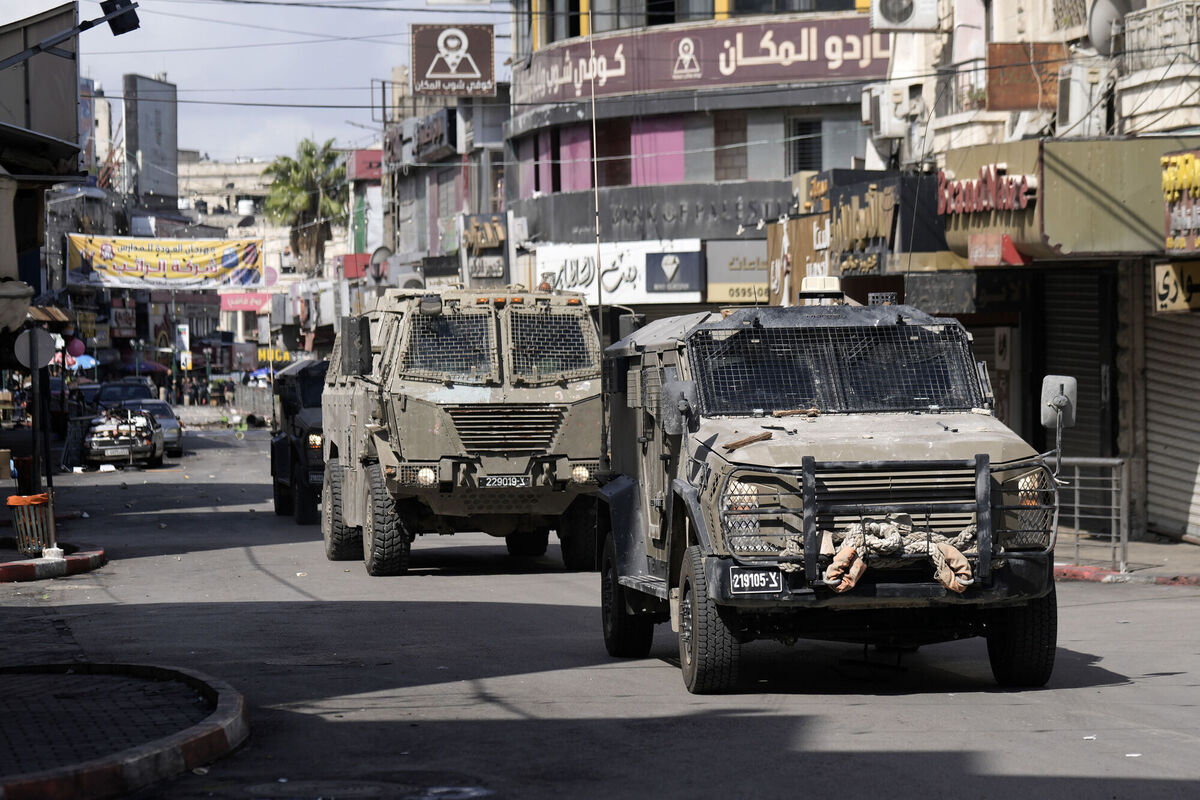
Every day, in endless and oppressive ways, occupation chokes life in the West Bank. From morning to night, Palestinian lives are controlled, coerced and demeaned by a brutal and violent Israeli occupation. Daily life is intertwined with military checkpoints, a 700km wall dividing Palestinian territory and severe restrictions on movement.
Israel has illegally occupied the Palestinian West Bank, (including East Jerusalem), the Gaza Strip and the Syrian Golan Heights since the 1967 war. Following the war, Israel began transferring its civilians to settlements established on this occupied Syrian and Palestinian territory. Today, Israeli settlements control more than 42% of the West Bank’s total land, confiscated from Palestinian communities, along with the majority of the region’s water resources.
Israel’s settlement project has been condemned as illegal by the International Court of Justice, the United Nations Security Council, legal authorities, human rights organisations, and the vast majority of UN member states.
Today, there are more than 700,000 Israeli settlers and hundreds of settlements located in occupied Palestinian territory. The Israeli government and private actors have constructed a system of apartheid for settlers, including bypass roads, rail systems and other transportation services, as well as industrial parks for settlement-based businesses.
The agricultural sector — historically the backbone of the Palestinian economy — has been devastated due to settlement expansion. Significant numbers of Palestinian farmers have lost their land to settlement construction and security infrastructure, driving long-term economic devastation.
Once the land has been seized, Israeli forces and settlers often destroy and uproot crops and fruit trees planted to make room for further settlement expansion. Since 1967, more than 800,000 olive trees have been uprooted by Israeli forces and settlers.
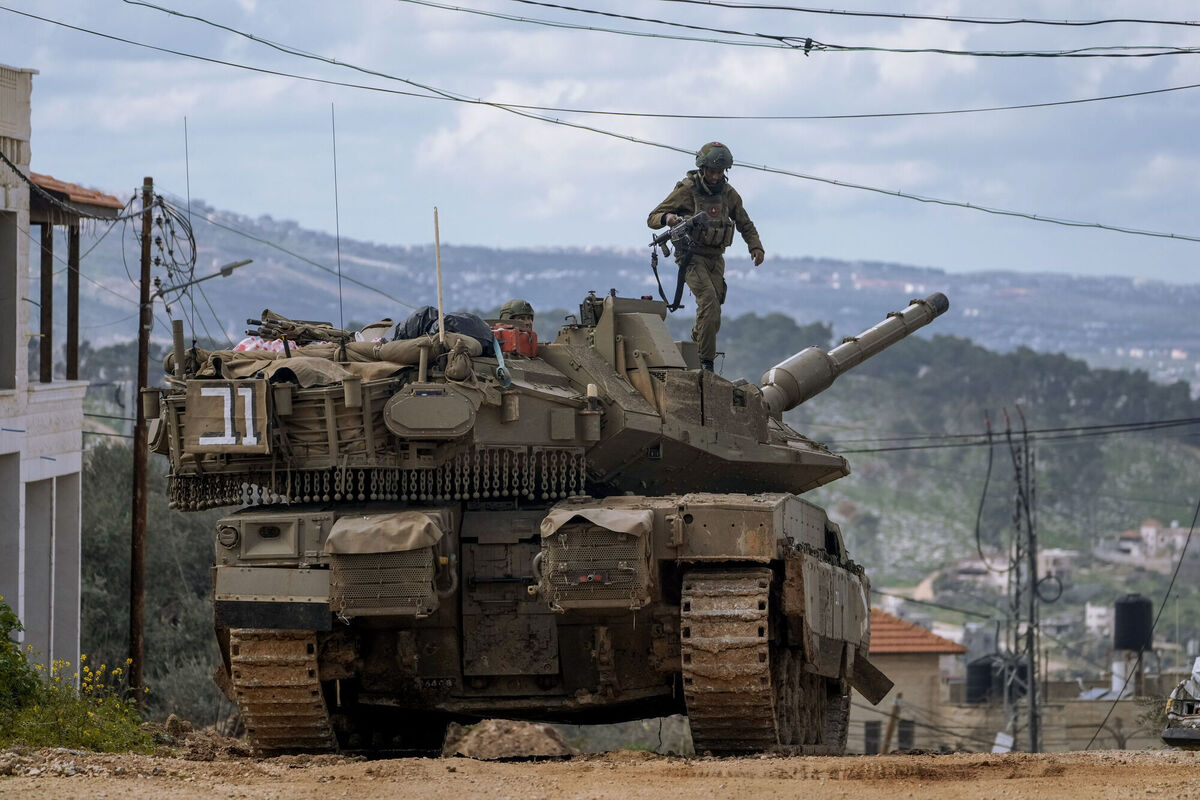
Since October 7, 2023, the UN Office for the Coordination of Humanitarian Affairs has documented a sharp escalation in settler violence against Palestinians.
At least 37,135 Palestinians were displaced across the occupied West Bank in 2025, a record high amid Israeli military incursions and settler attacks. Settlers have attacked Palestinians more than 3,700 times in the occupied West Bank over the past two-year period. The number of settler attacks has risen sharply since 2016.
Villages are all but abandoned as settlers repeatedly terrorise communities and commit horrendous human rights abuses with apparent impunity. On a daily basis, many Palestinians face intimidation and harassment from settlers.
Massive human toll
Occupation is not only about territory. It has a massive human toll.
Haneen Nahwi, a woman supported by ActionAid Palestine, lives in the heavily restricted H2 area of Hebron in the southern West Bank. She lives on Palestinian land, but her movement is not a given right. It is a daily challenge filled with anxiety and uncertainty.
Haneen explains: “In reality, I avoid going out a lot. I try to gather everything I need and do it all in one trip so I don’t face difficulties going or returning. I never know what might happen on any given day. This affects me deeply and keeps me constantly tense. Even thinking about going out makes me anxious from the start.” Such experiences are commonplace.
Among the olive trees he planted years ago, 53-year-old Mahmoud Jabarin spends most of his days on the land of Al-Minya village, south of Bethlehem in the West Bank. The area is surrounded by settlements and outposts, making movement dangerous, especially for women and children.
Mahmoud is a father of five and a farmer who relies on his land as a source of livelihood for himself and his family. But for him, it is not just a source of income, it is part of his life, his memories, and the labour of a lifetime. Like many Palestinians across the West Bank, Mahmoud faces settler violence.
Palestinian farmers are subjected to repeated attacks by settlers targeting their land and livelihoods. These attacks go beyond property damage, destroying years of labour and effort. Breaking and uprooting trees, especially olive trees that take years to grow and bear fruit, is not merely a material loss, but the destruction of life and memories.
This is Israel’s settlement project in action.
This week, the Occupied Territories Bill comes before the Dáil. The Government is staunchly defending the fact the bill will not include a ban on services and will result in a ban on the €200,000 or so goods traded with illegal settlements each year. As a symbolic gesture this matters.
The Government claims there will be an impact on Irish jobs if services are included. Of course there will be pushback to this bill, particularly from America, and there may be some economic impact. But international law is clear — there is no distinction between goods and services.
Last year, the International Court of Justice delivered a landmark advisory opinion that said Israel's continued occupation of Palestinian territory was unlawful and should end as quickly as possible. The ruling also made clear countries must not recognise, aid or assist in maintaining this illegal situation.
Last week the Department of Foreign Affairs published an assessment of the bill. It does highlight pushback from the United States, but considers what international law requires, and concludes “the only reasonable reading of the International Court of Justice advisory opinion is that a complete prohibition on trade with Israeli settlements is required".
International law, and the reality of life under occupation, must guide our actions. A full ban on goods and services is the only way to do this. There are times when taking a stand against injustice matters more. This is one of them.
此内容由惯性聚合(RSS阅读器)自动聚合整理,仅供阅读参考。 原文来自 — 版权归原作者所有。