




When Ireland has loud public debates about the issues of the day, the care of our elderly and vulnerable tends to get forgotten. Conversations on national policy continually ignore home care and those who need it, and we end up with policy which does more harm than good.
During the April fuel protests, the national conversation focused on fuel prices, supply chains, blockades, farm contractors and transport. Meanwhile, a quieter crisis was unfolding.
Fuel shortages and petrol station closures were preventing home carers getting to their clients. If home care clients cannot get their care for a day or two, thousands would have to be admitted to hospital, and our healthcare systems would likely collapse.
In April, we were probably less than 24 hours away from this happening. Nobody, including politicians, media or protestors, ever spoke about it or seemed to know that it would happen if the fuel supply continued to be disrupted.
The episode highlighted an uncomfortable truth. In most national policy debates, we do not consider impacts on home care or our elderly and vulnerable populations.
Migration
That must change. But we are walking into the same trap on migration. For several years now, Ireland has been having a loud, fractious debate about migration.
Anti-immigration sentiment and the far right are on the rise. Sinn Féin is being attacked for sitting on the fence. The Government is continually under pressure to tighten restrictions. There is no consensus.
None of them have stopped to consider that our home care sector cannot function without migrant workers. None of them have asked who will look after our elderly parents and grandparents if the carers who serve them are shut out.
An increasing number of Ireland’s home care sector are non-Irish nationals. They are not peripheral to the system. They are central to it.
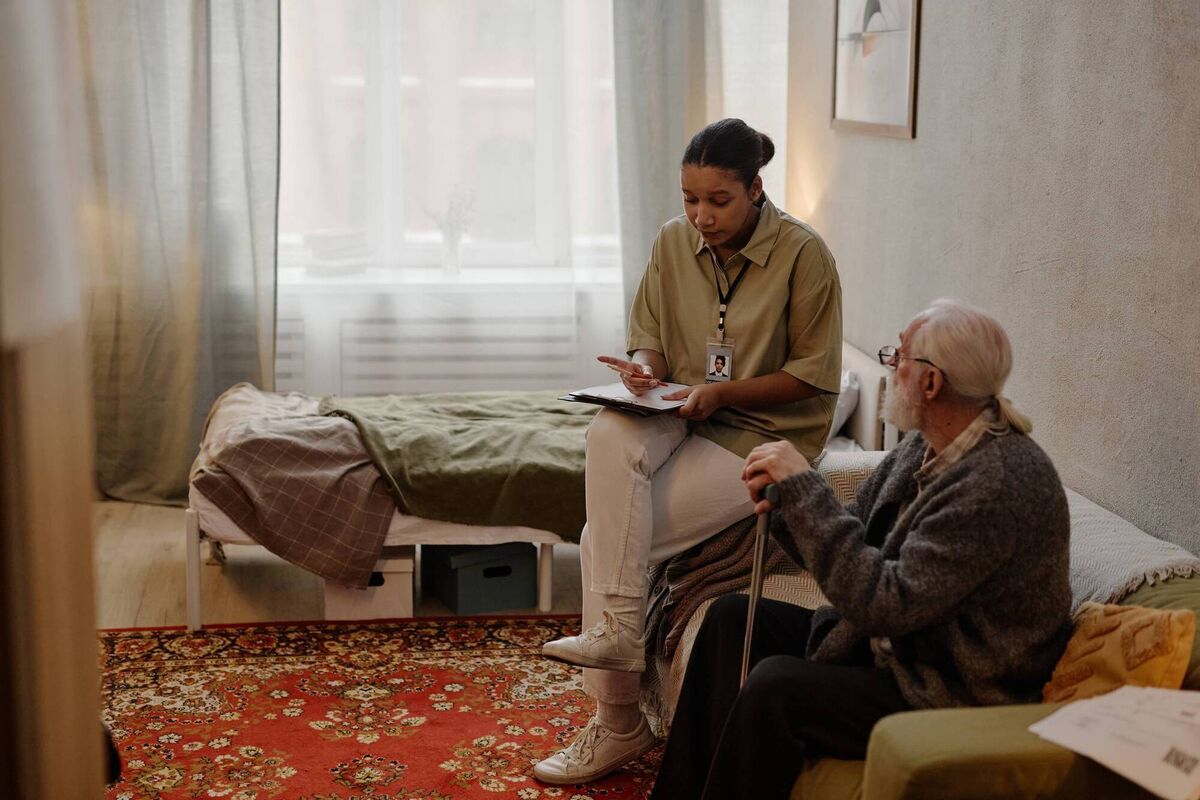
Yet the direction of Government policy is moving against this reality. The International Protection Bill proposes that those granted refugee status must wait three years before applying for family reunification, and must prove they are financially self-sufficient before doing so.
The new National Migration and Integration Strategy which is being prepared by Government has been described as a ‘dog whistle’ for the right wing and will further tighten migration restrictions.
These are presented as general migration measures, but the impact will not be felt generally. It will be felt acutely by home carers.
Ireland's rising home care needs
Home care is not a high-earning profession. It is essential, skilled, and chronically undervalued but it does not generate the kind of income a financial self-sufficiency test is designed around.
It is a barrier that will deter recruitment, damage retention, and ultimately compromise care for the very people these policies claim to protect.
Ireland’s population is ageing rapidly, and demand for home care continues to rise year after year.
More people want to remain in their own home for as long as possible, and rightly so.
Home care allows people to maintain their independence, reduces pressure on hospitals and supports families who would otherwise struggle to cope.
Yet demographic reality means Ireland’s domestic labour market alone cannot meet projected demand for care in the years ahead.
Migration is one part of how we make long-term care provision in Ireland sustainable.
What it means for carers
That does not mean migration should occur without planning or proper safeguards. Quite the opposite. Ireland should develop a clear and ethical migration framework for home care, one that protects workers, supports service quality, ensures labour mobility is properly managed, and complements our existing Irish workforce.
That means transparent recruitment practices, fair pay, appropriate training and proper recognition of qualifications. It means supporting carers who come to Ireland to work, while also recognising their right to return home if they so choose.
It means building partnerships with other countries in a responsible and sustainable way. HCCI is leading on this and, working with international partners, is inviting Government to work with us to help shape a more sustainable and well-managed approach to workforce planning in long-term care.
At the same time, there are many smaller issues we must address. But we also need to look after our Irish workforce as well. This includes mileage support, greater predictability in their income, and a clearer career path that allows our care workforce options about their own future.
A mature society plans responsibly for the future. It values care not just in words, but in policy. And it recognises that the carers who look after our loved ones deserve better than to be collateral damage in a political row about borders.
The Government should urgently review the impact of the new family reunification earnings thresholds on healthcare and home care workers.

It should develop, with the sector, a migration framework specifically designed around the workforce needs of long-term care. One that is ethical, sustainable, and honest about what Ireland actually needs.
Home care does not lend itself to protest or political point-scoring. Carers do not blockade fuel depots. Their clients do not march up and down O’Connell Street.
But that quiet should not be mistaken for unimportance. When we debate fuel costs, migration, housing, or the health service, the home care sector sits at the intersection of all of it and it is time our public debate caught up with that reality.
此内容由惯性聚合(RSS阅读器)自动聚合整理,仅供阅读参考。 原文来自 — 版权归原作者所有。